EA211evo / DADA Engine
- Engine
- 1498 cm3
- Aspiration
- Turbocharger, Intercooler
- Fuel
- Petrol (Gasoline)
- Fuel injection system
- Direct injection
- Power
- 150 hp
- Torque
- 250 Nm
- Cylinders
- 4
- Valves
- 16, 4 per cylinder
- Cylinders position
- Inline
- Valvetrain
- DOHC
- Oil capacity
- 4.3 l
- Coolant
- 10 l
- Systems
- Cylinder deactivation system, Particulate filter
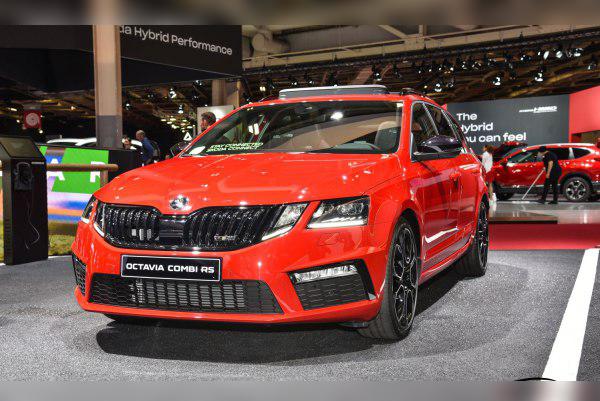
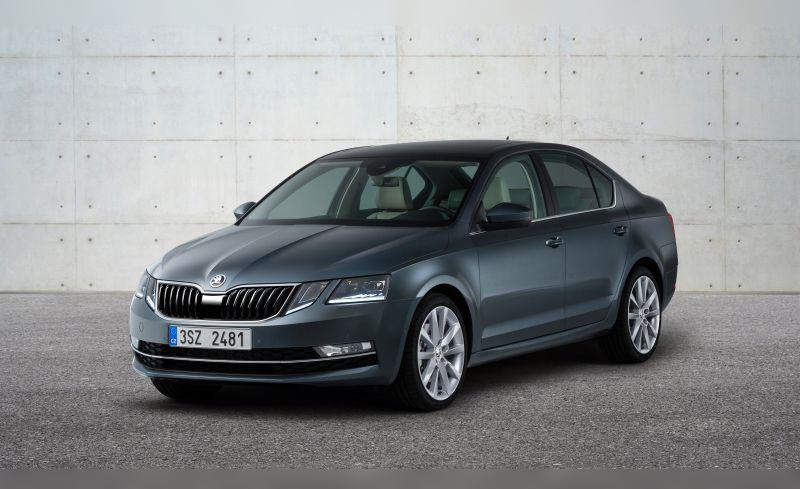
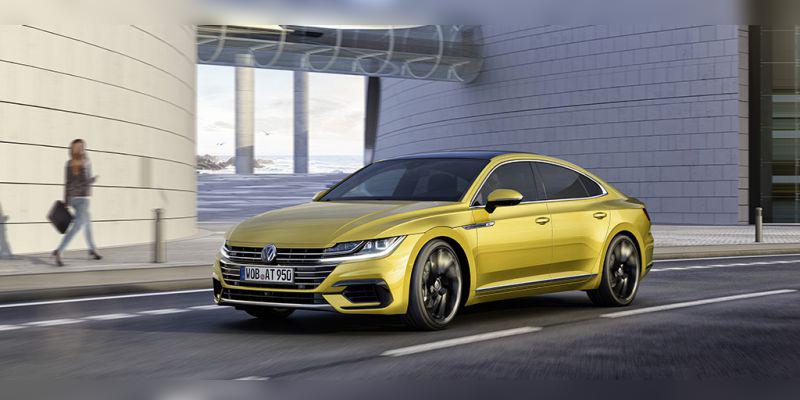
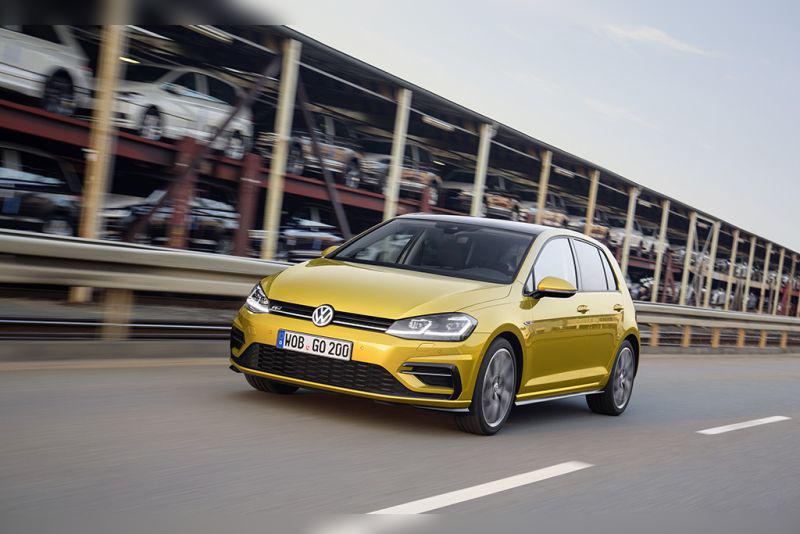
# Vehicles powered by this engine




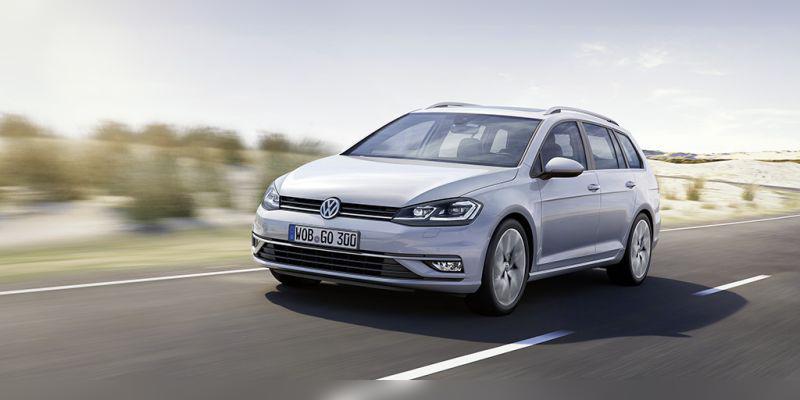
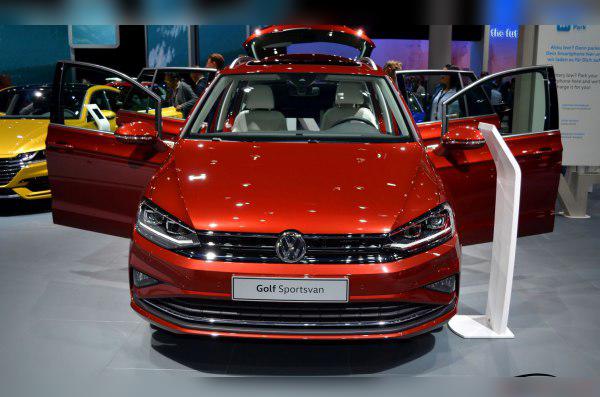
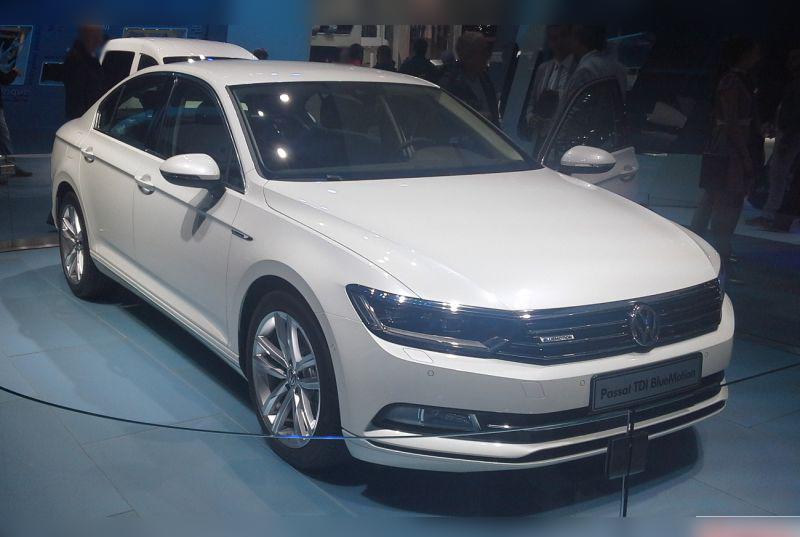
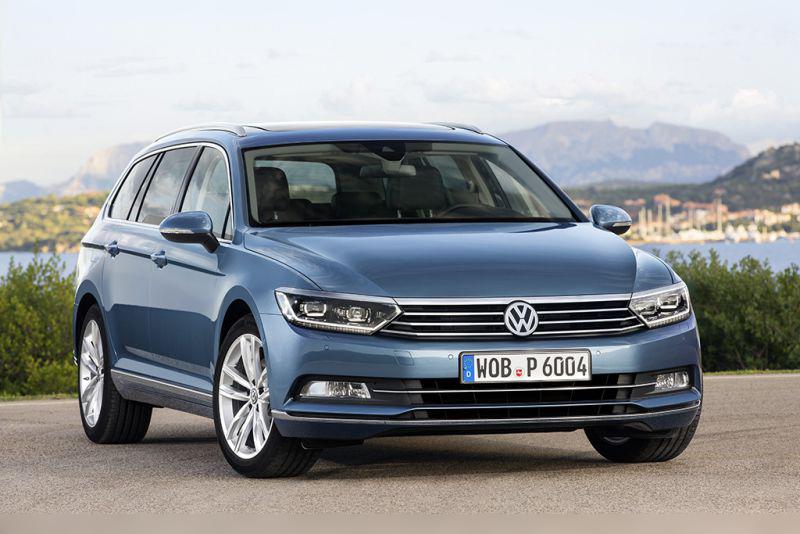
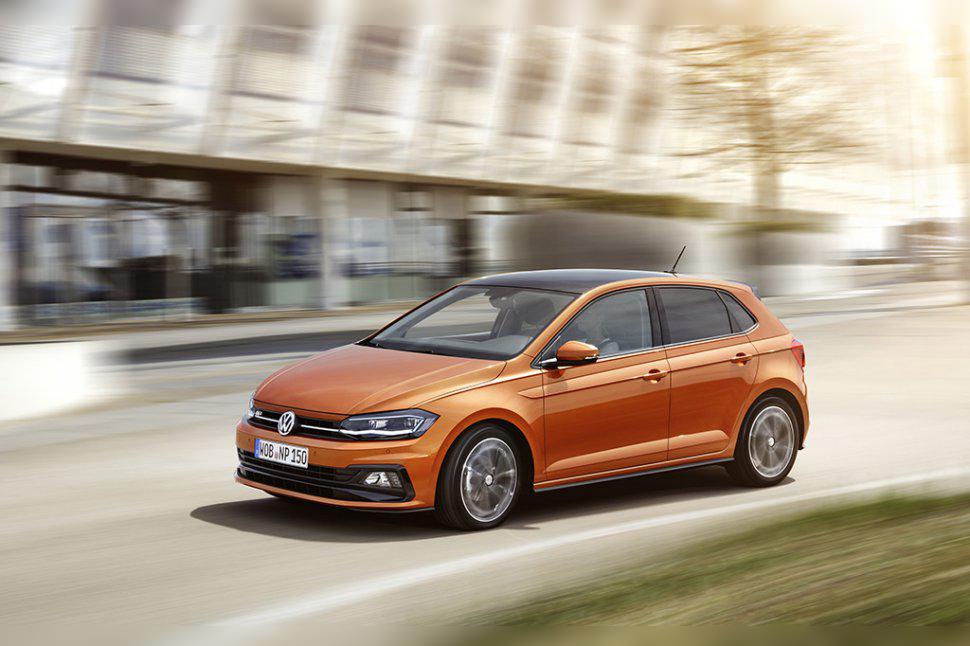
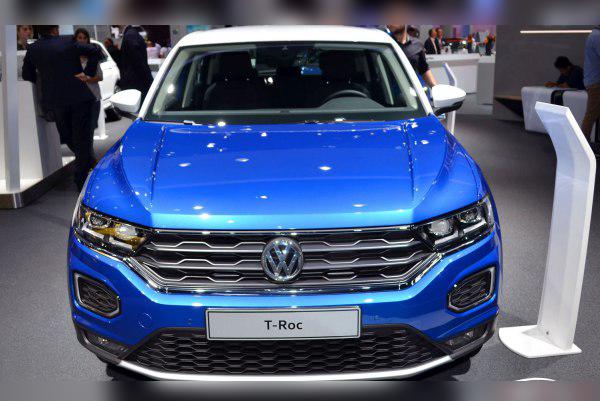

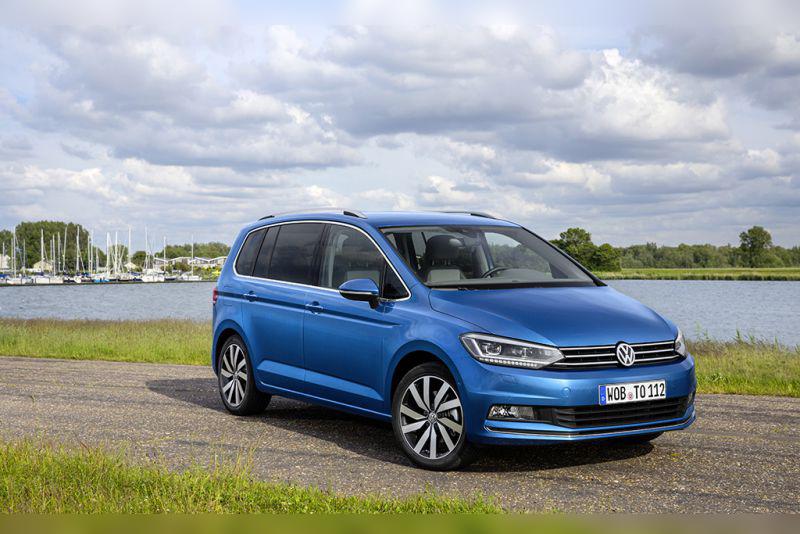
TL;DR: The most important things about the 1.5 TSI / TFSI (EA211 evo) engine
- Efficiency first: This is one of the most economical petrol engines on the market thanks to ACT technology (deactivation of two cylinders).
- "Kangaroo" problem: Early models (2017–2019) had an issue with “bucking” or jerking when setting off with a cold engine. It is solved with a software update.
- Timing belt: Although the VW Group lists very long replacement intervals, real-world practice calls for caution and earlier replacement.
- No AdBlue: As a petrol engine, it uses a GPF filter, but does not require AdBlue fluid.
- Sensitivity to oil: It requires specific low-viscosity 0W-20 oil. Do not experiment with different grades.
- Dual-mass flywheel: Yes, the 150 hp versions mostly have it, which is a cost diesel owners are already used to.
- Recommendation: An excellent all-rounder engine, ideal for the Golf and A3, perfectly adequate for the Passat and Tiguan.
Contents
- Introduction and applications
- Technical specifications
- Reliability and maintenance
- Specific parts and costs
- Fuel consumption and performance
- Additional options and modifications
- Gearbox: Manual and DSG
- Buying used and conclusion
Introduction: Successor to the legendary 1.4 TSI
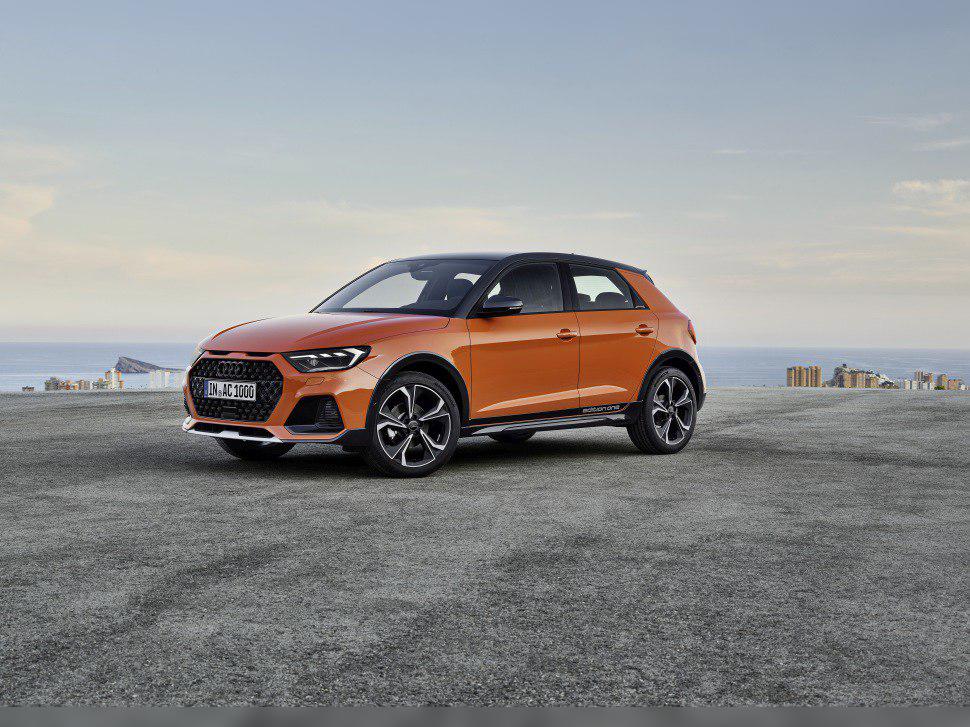
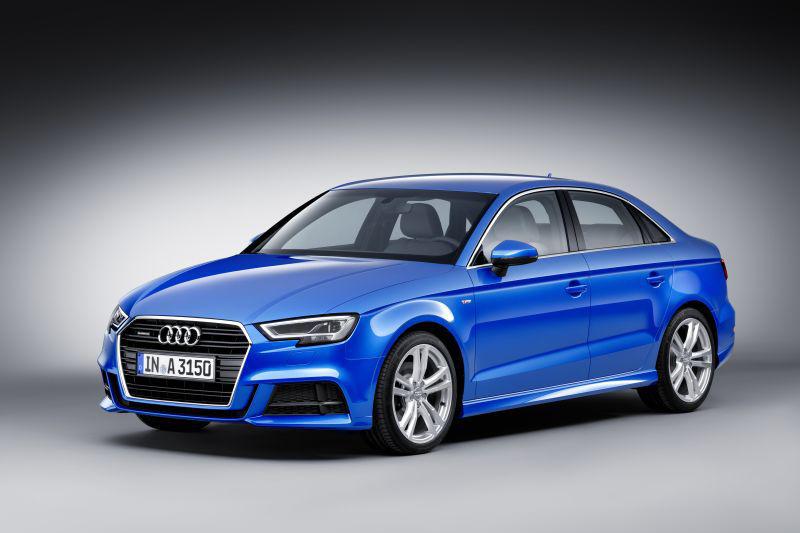
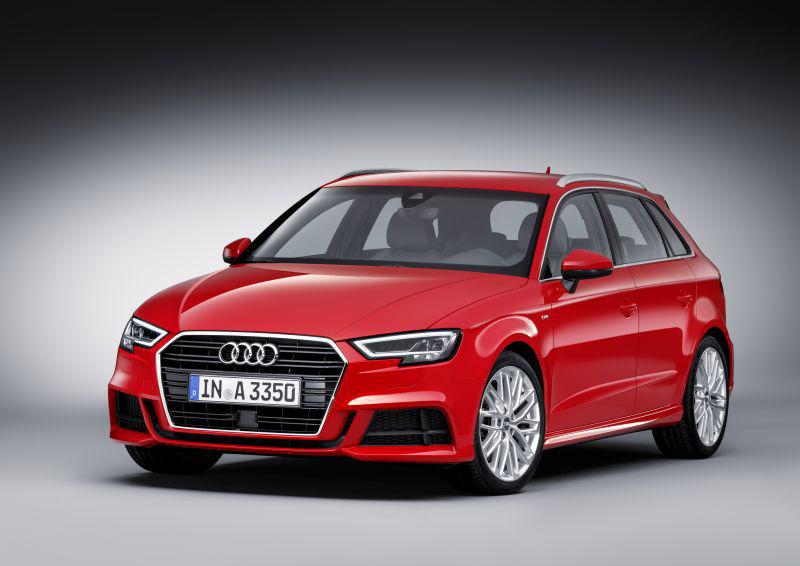
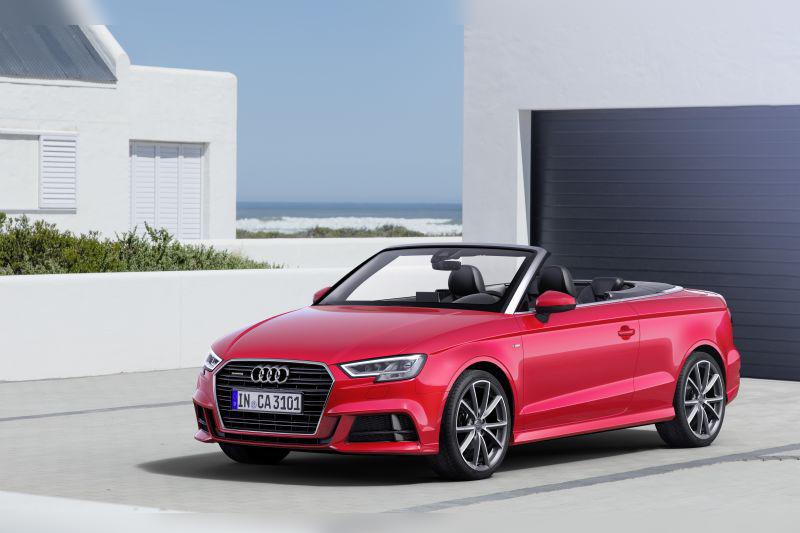
The engine with the internal designation EA211 evo (engine codes DADA, and later DPCA) is a direct evolution and replacement for the extremely popular 1.4 TSI engine. With this power unit, the Volkswagen Group wanted to achieve the impossible: diesel-like performance with the environmental friendliness of a petrol engine. It is installed in almost everything – from the city Audi A1, through bestsellers such as the Golf 7.5 and Škoda Octavia, all the way to large saloons like the VW Arteon and SUVs such as the Seat Ateca and VW Tiguan.
What sets it apart is technological complexity packed into mass production. This is the first mass-produced petrol engine to use a VGT turbo (variable geometry), a technology that for decades was reserved mainly for diesel engines and Porsche models.
Technical specifications
| Parameter | Value |
|---|---|
| Engine displacement | 1498 cc (1.5 litres) |
| Power | 110 kW (150 hp) at 5000–6000 rpm |
| Torque | 250 Nm at 1500–3500 rpm |
| Engine codes | DADA, DPCA (later revision) |
| Injection type | Direct injection (TSI/TFSI) – up to 350 bar |
| Charging system | Turbocharger with variable geometry (VTG) + intercooler |
| Fuel-saving technology | ACT (Active Cylinder Technology) – deactivation of 2 cylinders |
Reliability and maintenance
Does this engine have a timing belt or a chain?
The 1.5 TSI engine uses a timing belt. This is good news because the previous generation (EA111) became notorious for problematic chains. The belt on this engine is reinforced and designed for a long service life.
What are the most common failures on this engine?
The best-known issue is the so-called "Kangaroo effect". Owners reported strong jerking or bucking of the vehicle when setting off in first gear while the engine is cold. The cause is software calibration that tried to heat up the catalytic converter too quickly. In 90% of cases this problem is solved by updating the engine software (ECU update) at an authorised service centre.
Another potential issue is the build-up of carbon deposits on the intake valves, which is a common problem for all direct-injection engines. Symptoms are rough idle and a slight loss of power at higher mileage.
At what mileage should the major service be done?
The manufacturer optimistically states that the timing belt should be inspected at 240,000 km or is considered “lifetime” in some regions. As an experienced editor, I advise you to ignore this. For peace of mind, do the major service (replacement of belt, tensioners and water pump) between 150,000 km and 180,000 km or after 8–10 years of age. A snapped belt leads to catastrophic engine damage.
How many litres of oil does this engine take and which grade is recommended?
The sump holds approximately 4.3 litres of oil. This is a critical point: the 1.5 TSI EA211 evo is designed for ultra-low-viscosity oil, grade 0W-20 (VW standard 508.00 / 509.00). It is often greenish in colour. Do not use thicker oils (such as 5W-40) unless the manufacturer explicitly allows it for fixed service intervals in hot climates, as this can affect the operation of the variable oil pump and the turbocharger.
Does it consume oil between services?
Modern TSI engines are significantly better in this regard than older generations. Consumption of up to 0.5 litres per 10,000 km is considered completely acceptable and normal, especially if driven more aggressively on the motorway. If it consumes more than 1 litre per service interval, an inspection is necessary.
At what mileage should the spark plugs be replaced?
The spark plugs are specific to direct-injection engines. The recommendation is replacement every 60,000 km or 4 years. Do not postpone replacement because a bad spark plug can damage the ignition coil (which is expensive) or the catalytic converter.
Specific parts (costs)
Does the engine have a dual-mass flywheel?
Yes. The 150 hp variant, especially in combination with the DSG gearbox, is equipped with a dual-mass flywheel. Its role is to dampen vibrations, particularly when the engine is operating in two-cylinder mode (ACT). It is not cheap to replace (it depends on the market, but expect a significant cost similar to diesel engines).
What kind of injection system does it have and are the injectors problematic?
It uses common-rail direct injection with pressures up to 350 bar. The injectors are precise and sensitive to poor fuel quality. They are not prone to widespread failures, but if they do fail, replacement is expensive.
Does the engine have a turbocharger and what is its service life like?
The engine has a single VTG turbocharger (Variable Turbine Geometry). This is the first mass application of this technology on petrol engines. The turbo is efficient and reduces turbo lag. Its service life is generally long and follows the life of the engine, provided that quality oil is used and changed regularly. Turbo cooling is handled by a dedicated water circuit, which extends its durability.
Does this model have a DPF filter or an EGR valve?
As it is a petrol engine, it does not have a DPF, but it does have its equivalent – a GPF (Gasoline Particulate Filter) or OPF. It serves to trap soot created by direct injection. Unlike diesels, the GPF regenerates much more easily and quickly due to the higher exhaust gas temperatures of petrol engines, so blockages are extremely rare. An EGR valve is present and can get dirty from soot, but less so than on diesels.
Does this engine use AdBlue?
No. AdBlue is used exclusively on diesel engines to reduce NOx emissions. This engine meets Euro 6 standards without the use of additives, relying only on the catalytic converter and GPF.
Fuel consumption and performance
What is the real-world fuel consumption in city driving?
Thanks to the ACT system, which deactivates two cylinders (2nd and 3rd) when little power is needed, fuel consumption is surprisingly low. In the city (e.g. Golf or A3) you can expect between 7.0 and 8.5 l/100 km. On heavier models such as the Tiguan or Passat, this goes towards 9–9.5 l/100 km in heavy traffic.
Is this engine “lazy” for the weight of the body?
For models such as the Audi A3, VW Golf, Seat Leon and Škoda Octavia, this engine is “just right” – it offers an excellent balance and is not sluggish at all (0–100 km/h in about 8.5 seconds).
For the Passat, Arteon and Tiguan, the engine is adequate for normal driving, but it can feel a bit anaemic if the car is fully loaded with passengers and luggage on an uphill. In that case you will have to rev it higher.
What is the engine like on the motorway and for cruising?
At 130 km/h the engine is quiet and relaxed. In seventh gear (DSG) or sixth (manual), it runs at about 2,200–2,500 rpm. Fuel consumption on the open road is this engine’s trump card – it easily drops to 5.5–6.5 l/100 km. The transition from 2 to 4 cylinders is imperceptible to the driver.
Additional options and modifications
Is this engine suitable for LPG conversion?
It is neither recommended nor cost-effective. Due to direct injection, expensive systems are required that either inject liquid gas or use a mixture of petrol and gas (to cool the injectors). Installation is very expensive (often over 1000 EUR), and the savings are questionable unless you cover very high mileage.
How far can this engine be safely tuned (Stage 1)?
The engine has potential. With a Stage 1 remap, power can be safely raised to 170–180 hp, and torque to around 300 Nm. However, bear in mind that newer models have locked ECUs that are harder to crack, and excessive torque can shorten the life of the gearbox (especially the manual and the “dry” DSG).
Gearbox: Manual and DSG
Which gearboxes are fitted?
With the 1.5 TSI you get:
- Manual: 6-speed (codes MQ250 or newer MQ281).
- Automatic (DSG): 7-speed dual-clutch. On front-wheel-drive models this is mostly the DQ200 (dry clutch), while on 4Drive/4Motion models (Tiguan, Ateca) and some heavier models it can be the DQ381 (wet clutch).
Most common gearbox issues?
Manual: Very reliable. Possible bearing wear at high mileage.
DSG (DQ200): This is the “dry” gearbox and it is the weaker point. It is known for clutch pack wear in stop-and-go city driving and possible mechatronics failures. Symptoms are harsh gear changes or delay. The DQ381 (wet) is significantly more robust and reliable.
Clutch replacement cost and servicing?
On the manual gearbox, the clutch kit with dual-mass flywheel is a significant expense (medium to high). On DSG gearboxes, the clutch kit is also expensive to replace.
Oil service:
- Manual: Not prescribed, but recommended every 100,000 km.
- DSG (Dry DQ200): Factory “sealed for life”, but the oil in the mechatronics can be changed.
- DSG (Wet DQ381): Mandatory oil and filter change every 60,000–120,000 km (depending on version), do not skip it!
Buying used and conclusion
Before purchase, always check a cold start. If the engine bucks uncontrollably or stalls when setting off, check whether the software has been updated. Listen to the sound of the chain/belt (even though it is a belt, the tensioners can be heard). Check the thermostat housing and water pump for traces of leaking pink fluid (antifreeze).
Conclusion:
The 1.5 TSI (DADA/DPCA) engine is probably the best choice for the average European driver who wants to avoid diesel yet still wants low fuel consumption and solid torque. It is not immune to failures (jerking, flywheel, DSG costs), but it is technologically advanced and offers an excellent driving feel. If you are choosing between it and the 1.0 TSI, always go for the 1.5 TSI because of its 4 cylinders and greater power reserve. For heavier SUV models, diesel is still the better option if you often tow a trailer or drive fully loaded, but for everything else – the 1.5 TSI is the king of its class.
Was this content useful to you?
Your opinion helps us to improve the quality of the content.