CAYC Engine
- Engine
- 1598 cm3
- Aspiration
- Turbocharger, Intercooler
- Fuel
- Diesel
- Fuel injection system
- Diesel Commonrail
- Power
- 105 hp @ 4400 rpm
- Torque
- 250 Nm
- Cylinders
- 4
- Valves
- 16, 4 per cylinder
- Cylinders position
- Inline
- Valvetrain
- DOHC
- Oil capacity
- 4.3 l
- Coolant
- 8.4 l
- Systems
- Particulate filter
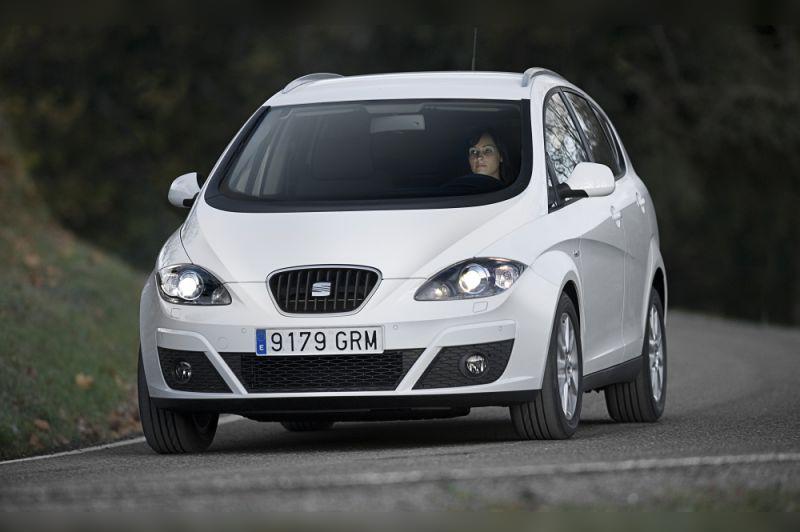
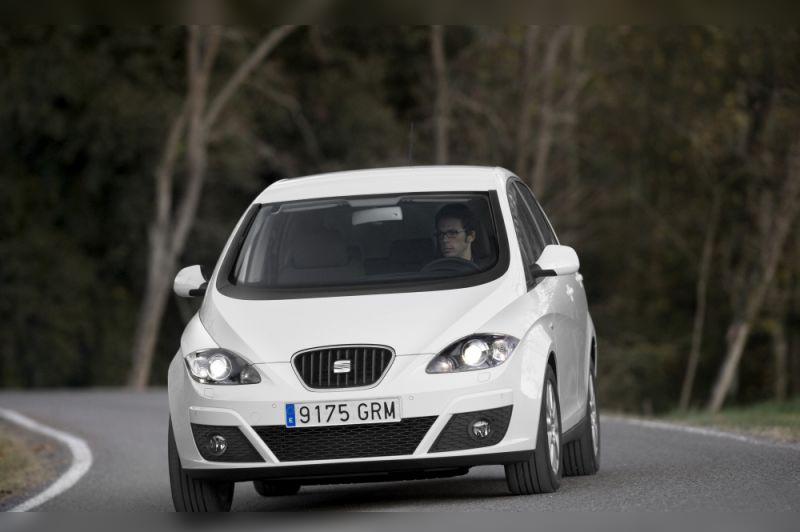
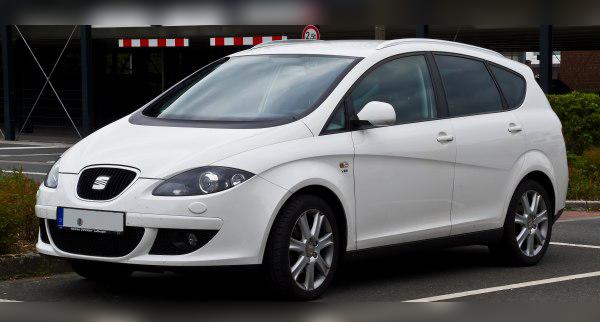
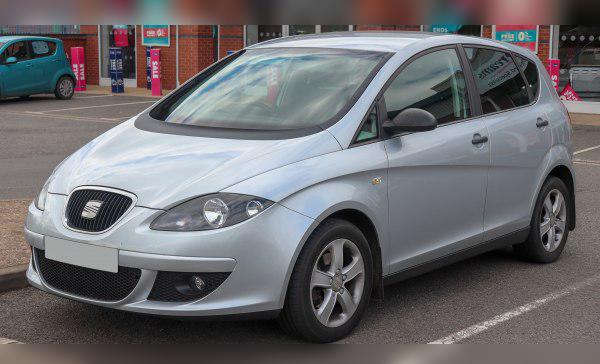
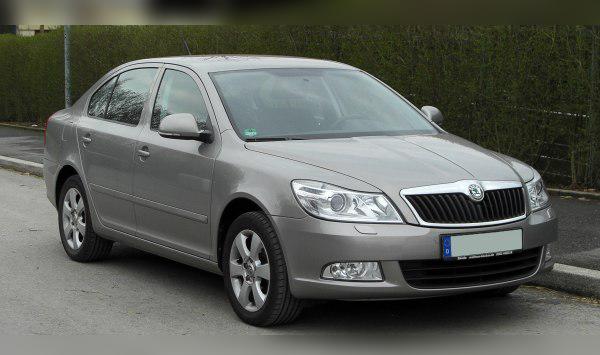
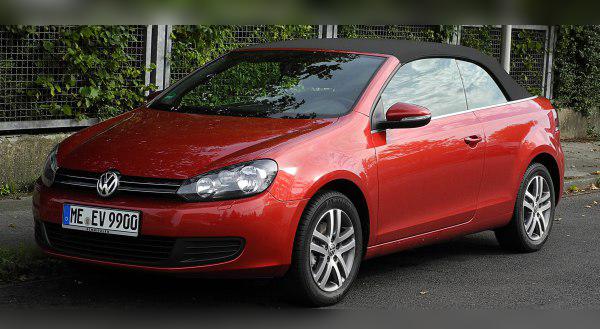
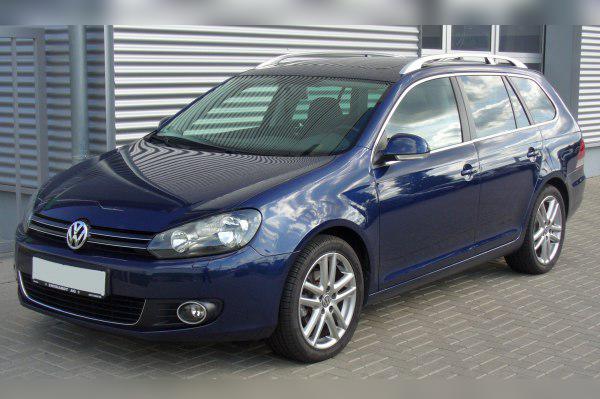
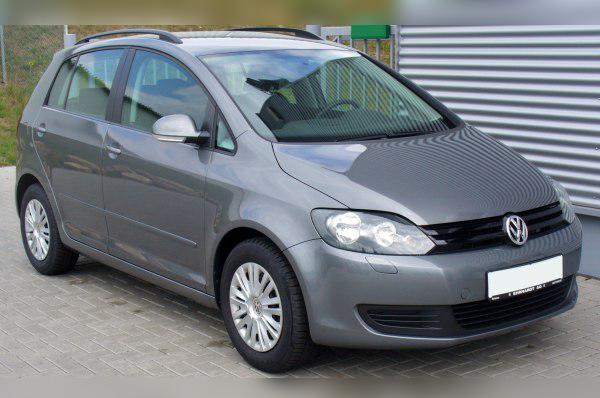
# Vehicles powered by this engine
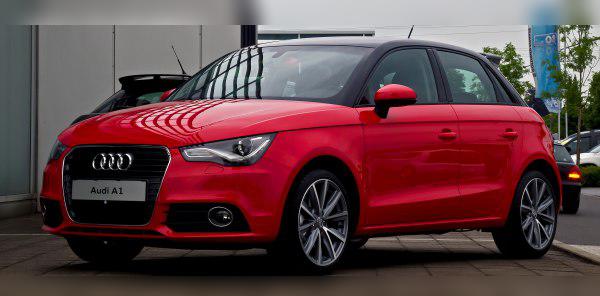
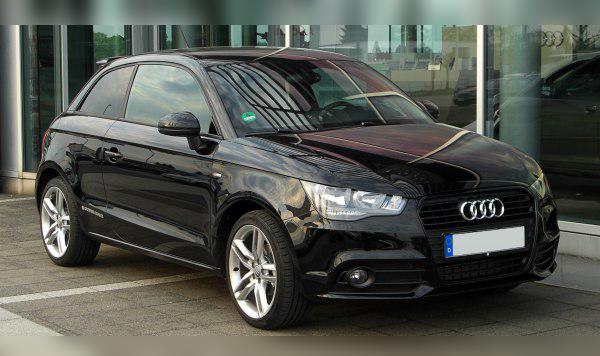
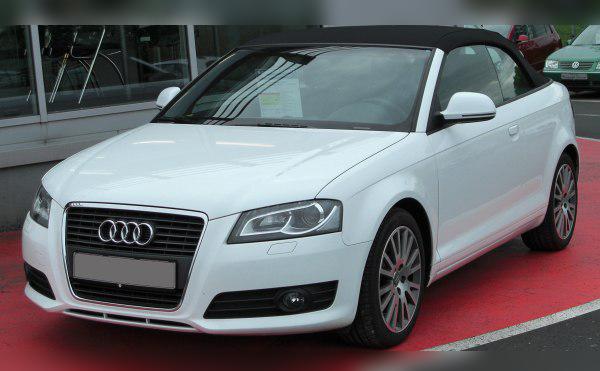
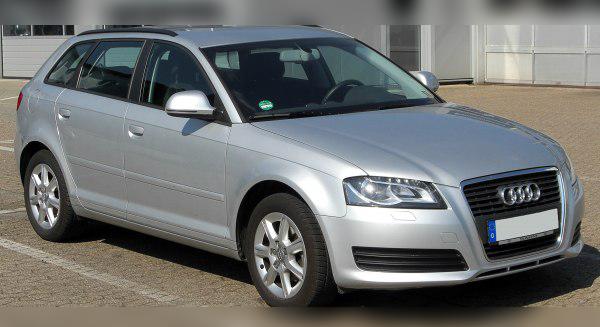

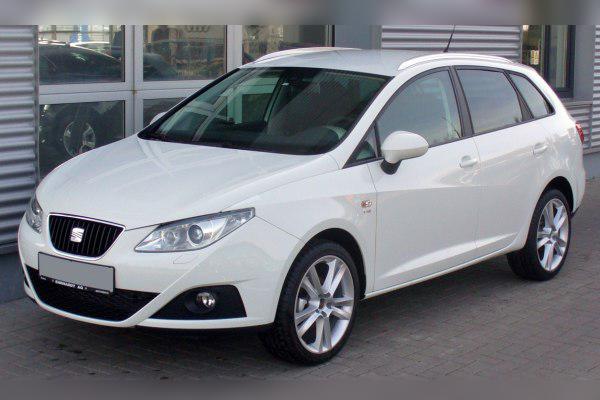
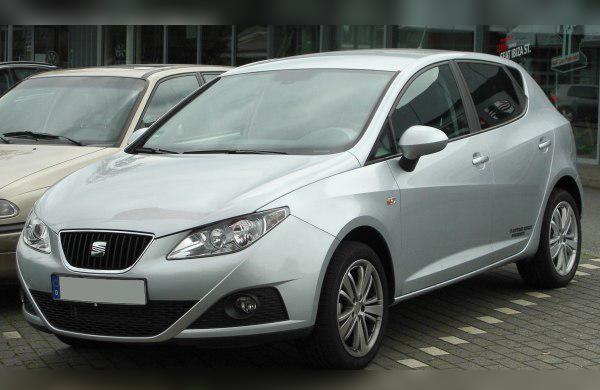
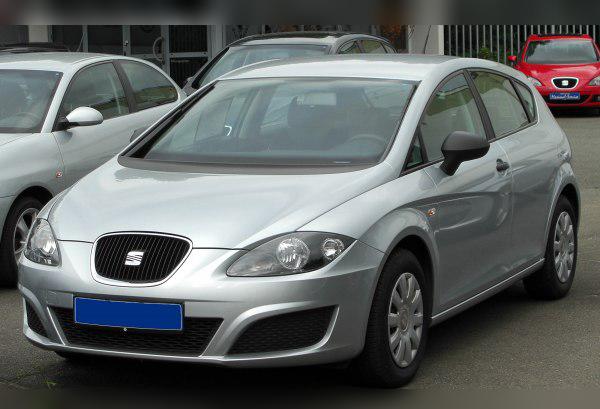
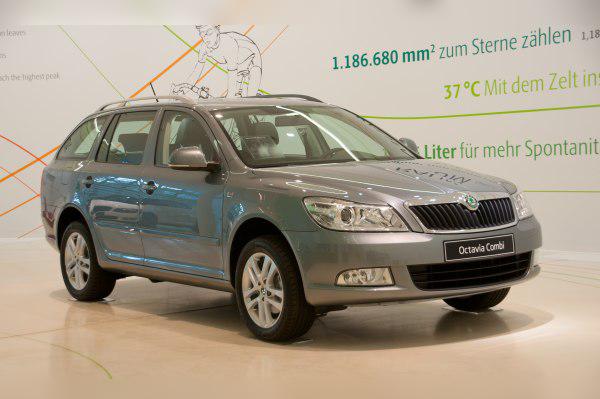
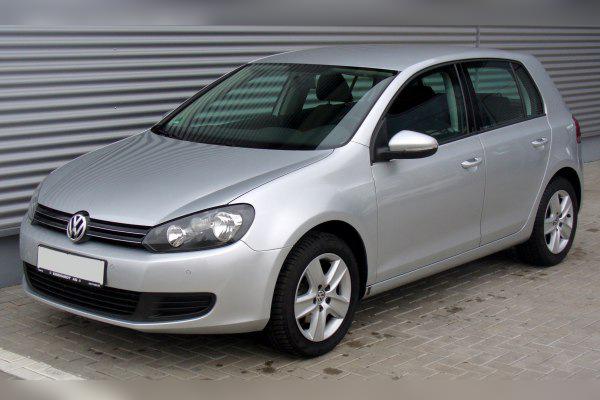
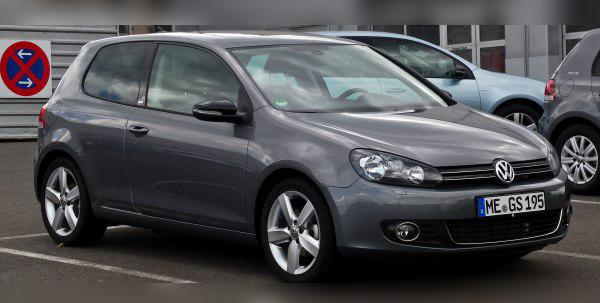
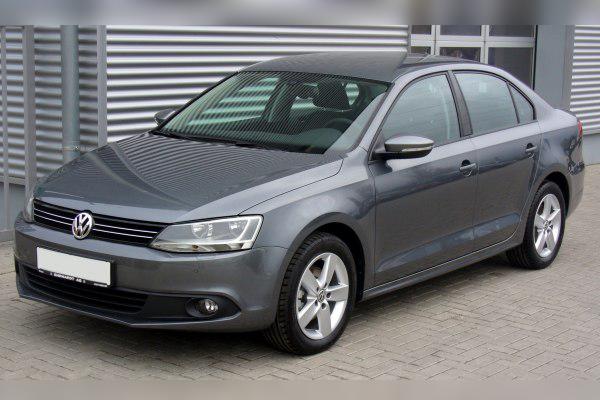
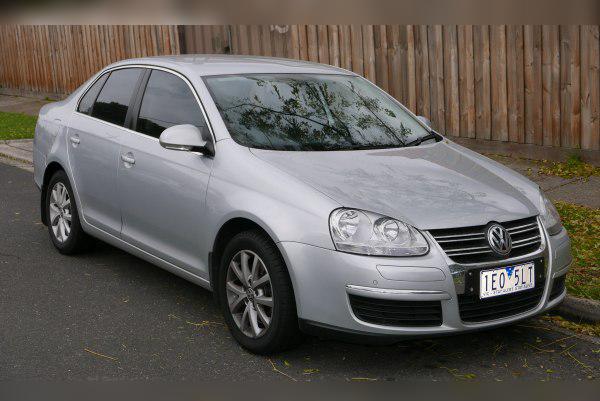
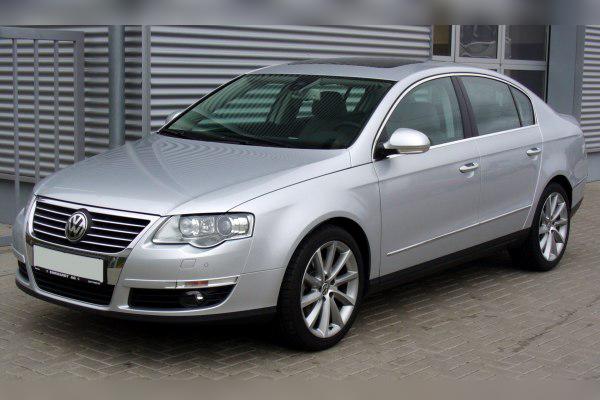
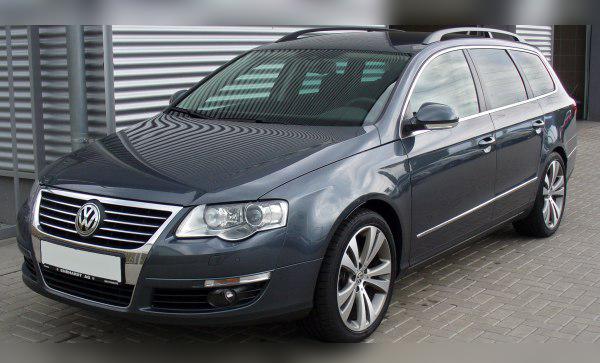
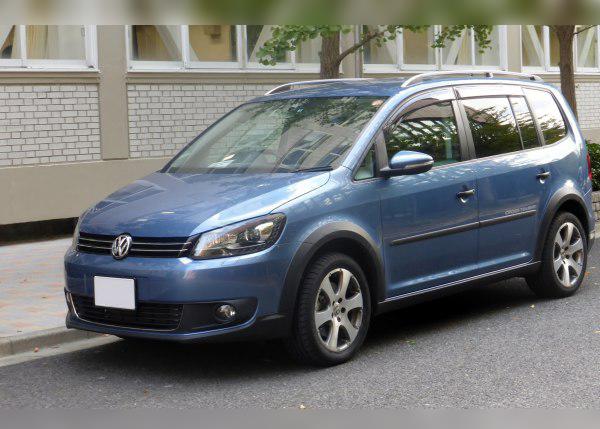
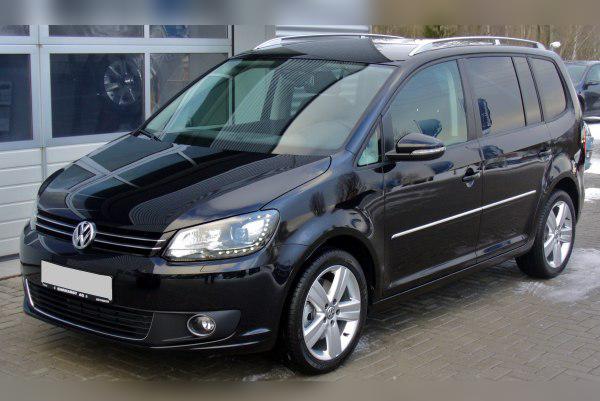
1.6 TDI CAYC (105 HP) – Experiences, problems, fuel consumption and used car buying guide
Key points in short (TL;DR)
- Successor to a legend: This engine is the direct replacement for the famous 1.9 TDI, but it runs much quieter and smoother thanks to Common Rail technology.
- Achilles’ heel – Injectors: It uses Siemens (Continental) piezo injectors, which are sensitive to poor-quality fuel and expensive to replace/repair.
- EGR valve: A common issue. The EGR cooler and valve are in one housing, and coolant leaks or clogging are frequent.
- Fuel consumption: Extremely economical, a real "lighter" on open roads.
- Gearbox: Often paired with a 5-speed manual (you miss a 6th gear on the highway) or a 7-speed DSG (DQ200), which requires caution when buying used.
- Recommendation: An excellent engine for the Golf and A3, but it can feel a bit weak for a heavier Passat or a fully loaded Altea XL.
Contents
- Introduction: Successor to the 1.9 TDI throne
- Technical specifications
- Reliability and maintenance
- Specific parts and costs
- Fuel consumption and performance
- Additional options and modifications
- Gearbox (manual and DSG)
- Buying used and conclusion
Introduction: Successor to the 1.9 TDI throne
The engine with the code CAYC belongs to the EA189 family of power units and is one of the most important engines of the Volkswagen Group in the period from 2009 to 2013/2014. Its task was a tough one – to replace the legendary but noisy and dirty 1.9 TDI (PD) engine.
It was installed in a huge range of vehicles, from the small Audi A1, through bestsellers like the VW Golf VI and Škoda Octavia, all the way to larger family cars such as the VW Passat B6 and Seat Altea XL. Unlike its predecessor, the CAYC uses a Common Rail injection system, which makes it drastically quieter and more refined in operation. Although it has "only" 1.6 liters, engineers managed to extract the same 105 HP and 250 Nm as from the most common version of the 1.9 TDI engine, but with stricter Euro 5 emission standards.
Technical specifications
| Parameter | Value |
|---|---|
| Displacement | 1598 cc (1.6 L) |
| Power | 77 kW (105 HP) at 4400 rpm |
| Torque | 250 Nm at 1500–2500 rpm |
| Engine code | CAYC (EA189 family) |
| Injection system | Common Rail (piezo-electric injectors) |
| Charging | Variable-geometry turbocharger (VGT) + intercooler |
| Number of valves | 16v (DOHC) |
| Camshaft drive | Timing belt |
Reliability and maintenance
When you move from the old 1.9 TDI to the 1.6 TDI CAYC, the first thing you’ll notice is the quietness. However, maintenance requires a bit more attention and higher-quality parts.
Timing belt or chain?
The CAYC uses a timing belt. This is good news because chains on some VW engines from that period (e.g. TSI petrols) turned out to be problematic. The timing belt system on this engine is reliable.
Major service and intervals
The factory recommendation for timing belt replacement is often optimistic and for some markets goes up to 210,000 km. However, as an experienced technical editor, I advise you to ignore that. A realistic and safe interval for the "major service" is between 160,000 km and 180,000 km or 5 to 7 years of age, whichever comes first. A snapped belt leads to catastrophic engine damage, so saving money here is risky.
Oil: Capacity and consumption
The engine holds approximately 4.3 liters of engine oil. You must use oil that meets the VW 507.00 specification (Low SAPS because of the DPF filter), with the most common grade being 5W-30.
Does it burn oil? In general, CAYC engines are not known as heavy oil consumers. Consumption of up to 0.5 liters per 10,000 km is considered completely normal and acceptable. If it burns more than that, first check the turbocharger or possible oil leaks at the seals before suspecting piston rings.
Injectors – Headache number 1
This is where we come to the most sensitive point of the CAYC engine. It uses Siemens (Continental) piezo-electric injectors. Unlike Bosch solenoid injectors (which are more robust), these are extremely sensitive to fuel quality.
Symptoms of problems: Rough idle (fluctuating revs), engine rattling under acceleration (so-called "knocking"), harder starting or increased fuel consumption. They most often fail at mileages between 180,000 and 250,000 km. Overhauling these injectors is difficult and often unsuccessful, so owners frequently opt for new or good used ones, which is expensive (depends on the market).
Most common failures
Apart from the injectors, here’s what else troubles owners:
- EGR cooler/valve: The plastic housing often cracks or the valve itself clogs. Symptoms include loss of coolant without visible traces under the car (the engine "drinks" it) or the "Check Engine" light coming on along with loss of power.
- DPF differential pressure sensor: A cheap part that can cause big issues. If the sensor gives false readings, the DPF will not regenerate and will clog.
- Water pump: On earlier models it could start leaking before the major service. It should always be replaced together with the timing belt.
Specific parts (Costs)
Dual-mass flywheel
Yes, most models with the CAYC engine have a dual-mass flywheel. Although there are some budget versions with a solid flywheel, models with Start/Stop systems and DSG gearboxes definitely have a dual-mass flywheel. Its lifespan is around 200,000 km, depending on driving style. Replacement is expensive (depends on the market).
Turbocharger
The engine uses a single variable-geometry turbocharger. The turbo itself is mechanically durable and rarely fails before 250,000 km with regular maintenance. The vacuum actuator (the "can") that controls the geometry can cause problems, leading to loss of power ("safe mode"). This is a relatively cheap repair compared to replacing the entire turbo.
DPF and EGR
All CAYC engines are equipped with a DPF filter and an EGR valve. The DPF filter has a standard service life. If you drive exclusively in the city, expect regeneration issues already after 150,000 km. If the car is driven mostly on open roads, the DPF can last over 300,000 km. As mentioned, the EGR is a more frequent problem than the DPF on this engine.
AdBlue
This engine meets the Euro 5 standard. It does not have an AdBlue system. This is a big advantage compared to newer Euro 6 engines (EA288), because you have one less system to maintain (no AdBlue heaters, pump, urea injector).
Fuel consumption and performance
Real-world fuel consumption
This is the strongest selling point of the 1.6 TDI CAYC engine.
- City driving: Expect between 6.0 and 7.5 l/100 km, depending on traffic and how heavy your right foot is. The Start/Stop system helps here.
- Open road: This is where the engine shines. Gentle driving on country roads can bring consumption down to 4.0 to 4.5 l/100 km.
- Highway (130 km/h): Fuel consumption is around 5.5 to 6.0 l/100 km.
Is the engine "lazy"?
With 250 Nm of torque available from 1500 rpm, the engine is perfectly adequate for bodies the size of a Golf, Leon or A3. However, in heavier cars such as the Passat B6, VW Touran or Škoda Octavia Combi loaded with passengers, the engine can feel "sleepy" when overtaking uphill. It’s not a sports engine, but it is linear. Unlike the 1.9 TDI, which had a sudden surge of power ("kick"), the 1.6 TDI delivers power evenly, which some drivers interpret as a lack of power, even though the stopwatch says otherwise.
Behavior on the highway
Most models with a manual gearbox have only 5 gears. This means that at 130 km/h the engine runs at slightly higher revs (around 2400–2500 rpm) than it would with a 6th gear. This increases cabin noise, but fuel consumption remains within reasonable limits.
Additional options and modifications
Chip tuning (Stage 1)
This engine responds very well to software optimization. A Stage 1 remap can safely raise power from 105 HP to 135–145 HP and torque to around 300–320 Nm.
Warning: If you have a high-mileage vehicle, check the condition of the clutch, flywheel and turbo before remapping. Also, CAYC engines have protection in the ECU (Continental Simos PCR 2.1) which used to be difficult to "unlock", but nowadays most tuners do this routinely. The difference in driving after remapping is dramatic – the car becomes much livelier and easier to drive.
Gearbox: Manual and DSG
Manual gearbox (5-speed)
Most commonly paired with the CAYC engine. These gearboxes are generally reliable. The clutch is light and precise. The main drawback is the lack of a 6th gear for highway cruising. Replacing the clutch kit with the flywheel is a standard maintenance cost.
DSG automatic gearbox (7-speed – DQ200)
This is where you need to be careful. The 1.6 TDI is paired with the DQ200 gearbox with dry clutches. This is not the same gearbox as the one in the 2.0 TDI (which has wet clutches).
DQ200 gearbox issues:
- Mechatronics: The electro-hydraulic "brain" of the gearbox can fail, which is very expensive (depends on the market).
- Clutch kit: Dry clutches wear out faster, especially in stop-and-go city driving. Replacement is often needed as early as 150,000–200,000 km.
The oil in the DQ200 gearbox itself is factory "sealed for life", but workshops recommend changing the oil in the mechatronics and gear section every 60,000 km to extend its lifespan.
Buying used and conclusion
If you are planning to buy a used car with the 1.6 TDI CAYC engine, this is your checklist:
- Cold start: Start the engine when it is completely cold. Listen to how the injectors work. If the engine "clatters", runs unevenly or smokes white/grey until it warms up, the injectors are probably near the end of their life.
- Coolant level: Check the coolant reservoir. If the level is below minimum, it may be leaking at the water pump or, worse, at the EGR cooler.
- Diagnostics: Check injector correction values and the condition of the DPF filter (ash load).
- Clutch/flywheel: When switching the engine off (without pressing the clutch), listen for any metallic knock. That’s a sign of a worn dual-mass flywheel.
Conclusion: The 1.6 TDI CAYC is a worthy successor to the 1.9 TDI engine, but it is more sophisticated and requires better fuel and maintenance. It is ideal for drivers who cover a lot of kilometers (over 15–20 thousand per year) in a mix of city and highway driving. For heavy saloons (Passat) it can feel underpowered, but for the Golf class it is the "golden middle ground". Although injectors can be an expensive problem, the low fuel consumption justifies the investment in the long run.
Was this content useful to you?
Your opinion helps us to improve the quality of the content.