DLAA Engine
- Engine
- 999 cm3
- Aspiration
- Turbocharger, Intercooler
- Fuel
- Petrol (Gasoline)
- Fuel injection system
- Direct injection
- Power
- 110 hp @ 5500 rpm
- Torque
- 200 Nm @ 2000 rpm
- Cylinders
- 3
- Valves
- 12, 4 per cylinder
- Cylinders position
- Inline
- Valvetrain
- DOHC
- Oil capacity
- 4 l
- Coolant
- 8 l
- Systems
- Start & Stop System, Particulate filter
# Vehicles powered by this engine
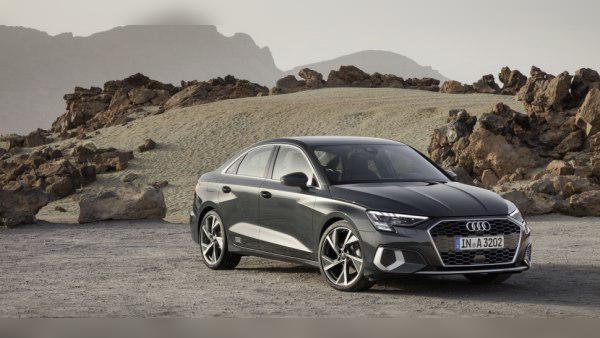
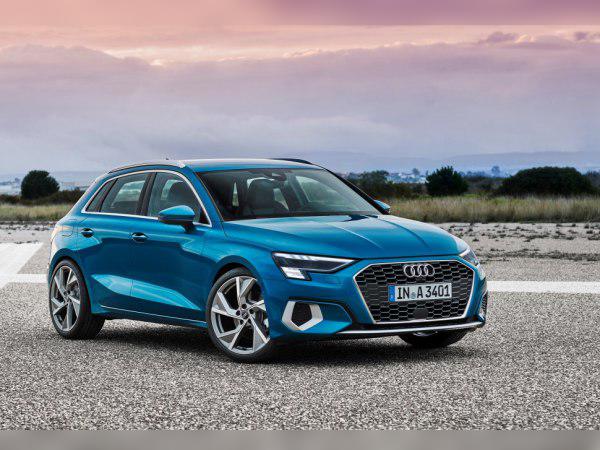

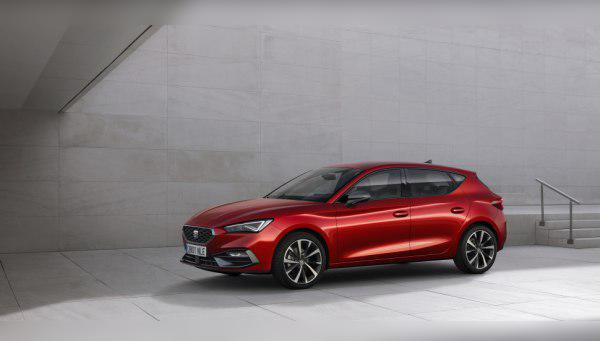
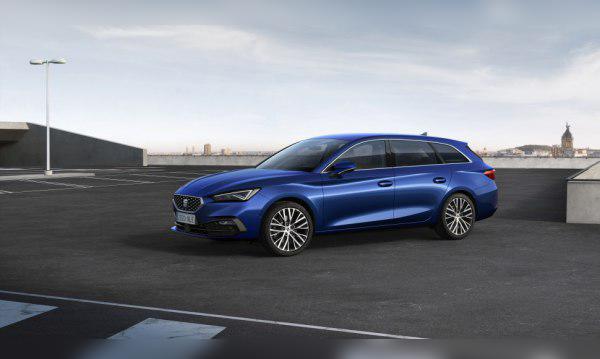
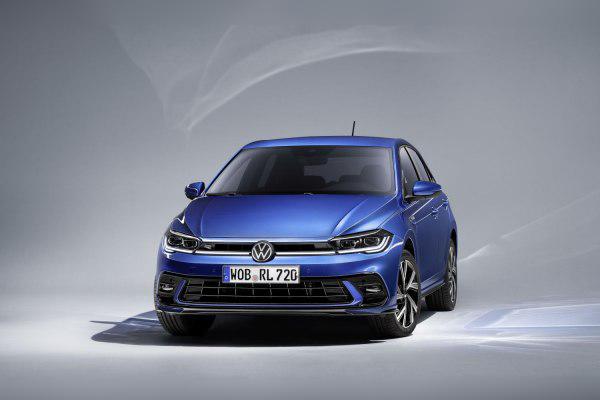
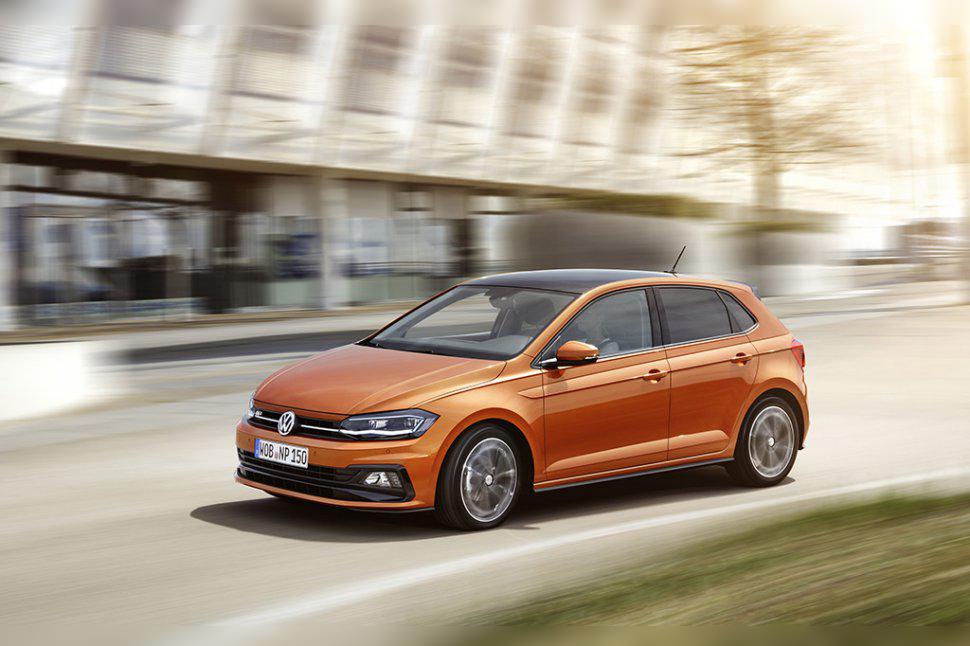
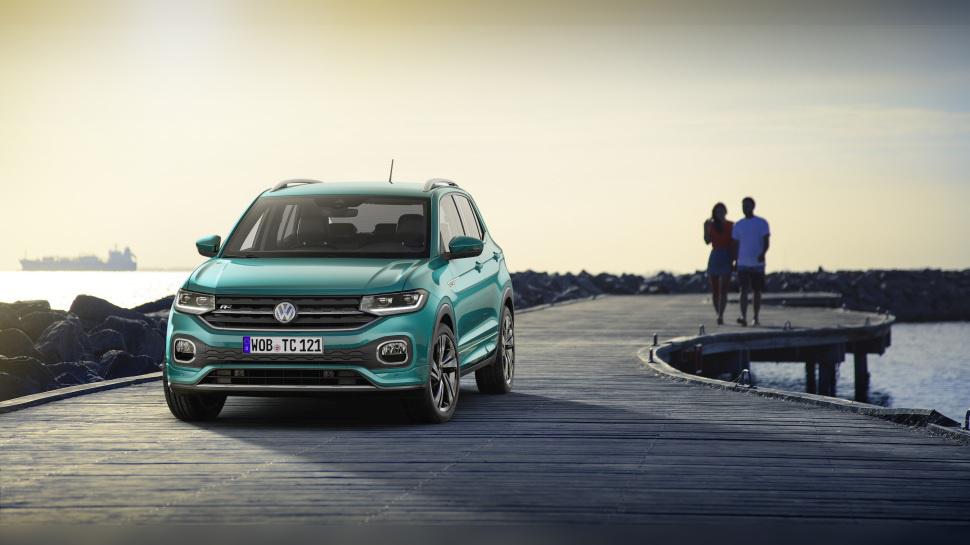
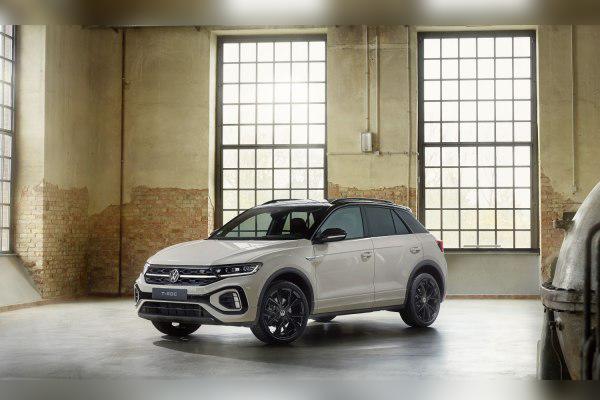
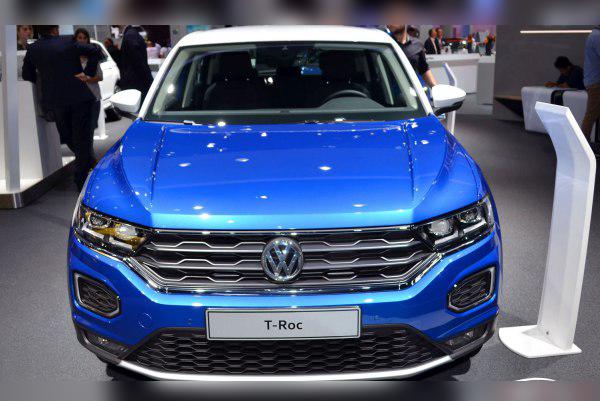
1.0 TSI (DLAA) 110 HP: Experiences, problems, fuel consumption and used car buying guide
Key points (TL;DR)
- Timing drive: This engine uses a timing belt, not a chain, which solved many of the issues of older TSI generations.
- Performance: Although it has only 3 cylinders and 999 cc, thanks to the VTG turbo it delivers 200 Nm of torque, making it surprisingly lively even in Passat/Octavia-sized cars.
- Fuel consumption: Extremely economical; on the open road it can rival diesels, while in the city it is sensitive to driving style.
- Mild Hybrid (MHEV): Versions badged eTSI or e-TEC have a 48V system that reduces fuel consumption, but adds complexity and potentially more expensive electronic repairs.
- Gearbox: Often paired with a DSG gearbox (DQ200) with a dry clutch, which requires attention and a thorough check before purchase.
- Recommendation: An excellent choice for drivers who want a modern petrol engine with low registration costs and spend most of their time in the city and on regional roads.
Contents
Introduction and Models
The engine with the code DLAA belongs to the newer "EVO" generation of Volkswagen EA211 engines. It is a three-cylinder turbo petrol unit that represents the entry point into the world of modern VAG vehicles (Volkswagen, Audi, Seat, Škoda). Unlike its predecessors, this engine was designed to meet strict Euro 6d standards and often comes as a "Mild Hybrid" to further reduce emissions and improve driving smoothness.
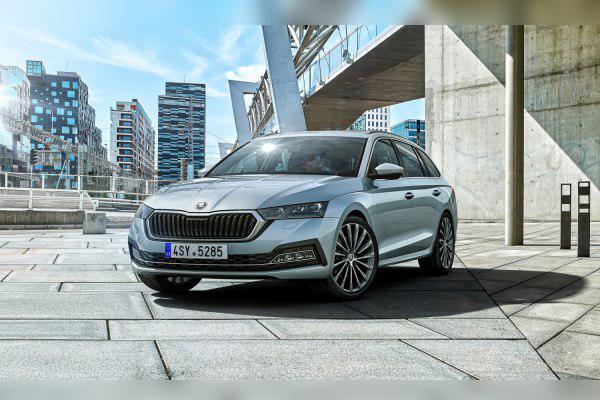
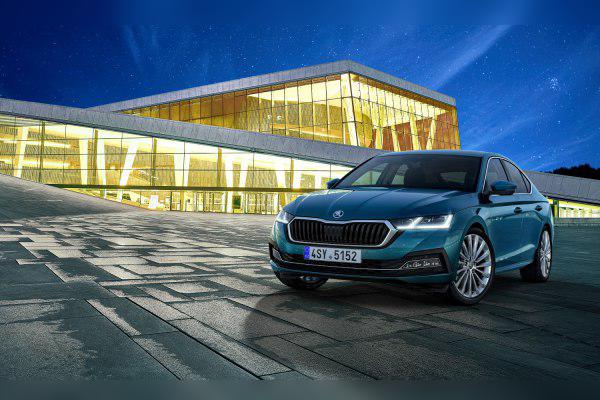
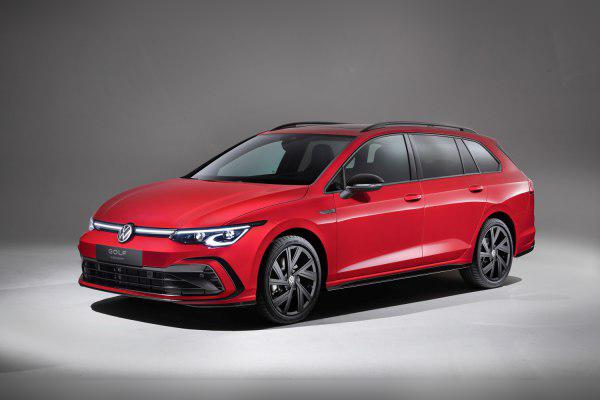
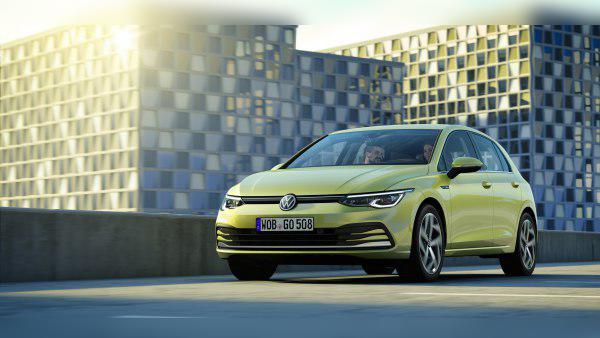
It is important to note that although many drivers are prejudiced against "one‑litre" engines in larger cars such as the Škoda Octavia estate or VW Golf 8 Variant, the 110 HP DLAA is engineered to deliver a driving feel of a significantly larger engine. Its application is wide – from the city Polo to the family Leon Sportstourer.
Technical specifications
| Characteristic | Data |
|---|---|
| Displacement | 999 cc (1.0 L) |
| Configuration | Inline, 3 cylinders |
| Power | 81 kW / 110 HP |
| Torque | 200 Nm at 2000–3000 rpm |
| Engine code | DLAA (EA211 EVO family) |
| Injection type | Direct injection (TSI) |
| Forced induction | Variable-geometry turbocharger (VTG) + intercooler |
Reliability and Maintenance
Timing belt or chain?
This is the most common question due to the poor reputation of old TSI engines. The DLAA engine uses a timing belt. With the EA211 series, Volkswagen abandoned the problematic chains. The belt has proven to be very reliable. Although the manufacturer often states optimistic replacement intervals (sometimes over 200,000 km or even "lifetime" in some regions), real‑world experience suggests that the major service should be done at a maximum of 120,000 to 150,000 km or every 5 to 7 years, whichever comes first. Rubber ages, and a snapped belt leads to catastrophic engine damage.
Most common failures
Although the DLAA is generally reliable, there are some specific issues:
- Carbon buildup: As with any direct‑injection engine, the intake valves are not "washed" by fuel. Over time, carbon deposits form, which can cause rough running and loss of power. Periodic cleaning (decarbonisation) or driving at higher revs is recommended.
- Water pump and thermostat housing: This is a plastic module that is prone to coolant leaks. The symptom is a dropping coolant level in the expansion tank without visible puddles under the car (it evaporates on the hot block).
- GPF/OPF filter: On cars driven exclusively in the city, the gasoline particulate filter can clog. The symptom is a warning light on the dashboard and the car going into "safe mode".
- Electronics (Mild Hybrid): On eTSI/e-TEC models, the 48V system (battery and starter‑generator) can throw error codes, which can sometimes prevent the car from starting.
Oil and service intervals
This engine takes approximately 4.0 litres of engine oil. For DLAA engines (EVO generation), Volkswagen strictly recommends low‑viscosity oil, most commonly 0W-20 with the specification VW 508.00 / 509.00. This thin oil is crucial for the proper operation of the VTG turbo and for reducing friction.
Oil consumption: These engines can consume a small amount of oil, especially if driven aggressively on the motorway. Consumption of up to 0.5 litres per 10,000 km is considered acceptable. If it uses more than 1 litre per service interval, this may indicate an issue with the piston rings or the turbocharger.
Spark plugs
The spark plugs are iridium and of high quality. It is recommended to replace them every 60,000 km or 4 years. Do not postpone replacement, as a bad spark plug can damage the coil (which sits directly on the plug) or even damage the piston in extreme cases.
Specific Parts and Costs
Dual‑mass flywheel
Yes, the 110 HP version of this engine (DLAA) in most cases has a dual‑mass flywheel. This is especially true for models with a DSG gearbox and heavier bodies (Octavia, Leon estate). The 95 HP versions usually have a solid flywheel, but on the 110 HP the dual‑mass flywheel is used to absorb the vibrations of the three‑cylinder engine. Its lifespan is usually around 150,000–200,000 km, depending on driving style. Replacement falls into the "expensive" category (varies by market).
Fuel injection system and injectors
It uses an advanced high‑pressure direct‑injection system (up to 350 bar). The injectors are precise (piezo), but sensitive to poor fuel quality. They are not prone to widespread failures, but if they do fail, replacement is expensive. Symptoms include hesitation under load or difficult starting.
Turbocharger
This is the technical jewel of this engine. The DLAA uses a VTG turbo (Variable‑geometry turbocharger), which is rare on petrol engines (it is usually used on diesels). This allows the engine to pull strongly from very low revs and virtually eliminates turbo lag. Service life is long if quality oil is used and changed regularly, but overhauling or replacing this turbo is very expensive compared to conventional turbochargers.
DPF (GPF), EGR and AdBlue
This engine has a GPF (Gasoline Particulate Filter), which is the petrol equivalent of a DPF. It also has an EGR valve. The GPF rarely clogs permanently, because petrol exhaust gases are hotter and burn off soot more easily, but short trips in winter can cause problems. There is no AdBlue (that is reserved only for diesel engines).
Fuel Consumption and Performance
City driving
Real‑world city consumption is between 6.5 and 8.0 l/100 km. Mild‑hybrid versions (eTSI/e-TEC) are more economical in stop‑and‑go traffic because they shut the engine off before a complete stop and use electric assistance when setting off. In heavy traffic without the hybrid system, consumption can go up to 9 litres.
Is the engine "lazy"?
Absolutely not. With 200 Nm of torque, this engine pulls better than the old naturally aspirated 1.6 petrols. In a Golf or Octavia body, the engine is perfectly adequate for normal driving and even overtaking. The only time the lack of power is noticeable is when the car is fully loaded (5 passengers + luggage) on steep climbs.
Motorway
On the motorway it behaves surprisingly maturely. Thanks to the 6‑speed manual or 7‑speed DSG gearbox, at 130 km/h the engine spins at about 2600–2800 rpm, which is quiet and economical. Fuel consumption at that speed is around 5.5–6.5 l/100 km.
Additional Options and Modifications
LPG conversion
Not recommended and not cost‑effective. Due to direct injection, an expensive system is required (liquid‑phase LPG direct‑injection systems or systems that still use a mixture of petrol and LPG to cool the injectors). The installation cost is high (very expensive), and the payback period is long. You also lose boot space, which on some hybrid models is already reduced.
Remapping (Stage 1)
The engine can be remapped, but caution is advised. Stage 1 maps usually raise power to around 130–140 HP and torque to 240 Nm. However, the small VTG turbo is already heavily loaded from the factory, as are the drivetrain components (clutch). If you decide to do this, have it done only by reputable tuners, but keep in mind that you risk overheating and shortening the turbo’s lifespan.
Gearbox: Manual and DSG
Manual gearbox (6‑speed): Very precise and reliable. The most common "failure" is actually the clutch, which is a wear item. Replacing the clutch kit together with the dual‑mass flywheel is a significant expense.
Automatic gearbox (DSG – DQ200):
With the DLAA engine, the car is almost exclusively fitted with the DQ200, a seven‑speed DSG gearbox with a dry clutch.
- Most common failures: Clutch wear due to city driving and overheating in traffic jams. Failures of the mechatronics unit (the gearbox "brain") are also possible. Symptoms include juddering when setting off, harsh shifts from 1st to 2nd gear, or delayed response.
- Maintenance: Although VW claims that the oil in the DQ200 is "lifetime", experts recommend changing the oil in the gearbox and mechatronics every 60,000–80,000 km to extend the life of the solenoids.
- Clutch replacement: A clutch kit for the DQ200 is not cheap, and replacement requires special tools and calibration.
Buying used and Conclusion
What to check before buying?
- Noise on cold start: Listen for any rattling. Although there is no chain, hydraulic lifters or the turbo actuator can make noise.
- Vibrations: A three‑cylinder naturally vibrates a bit, but if the whole cabin shakes at idle, this points to bad engine mounts or an issue with the dual‑mass flywheel.
- Judder when setting off (for DSG): Release the brake without touching the throttle. The car should move off smoothly. Any shuddering means the clutches are near the end of their life.
- Coolant leaks: Check the coolant level and look for white residue around the thermostat housing (on the right side of the engine when viewed from the front).
Final conclusion
The 1.0 TSI (DLAA) 110 HP is currently one of the best small‑displacement engines on the market. It offers an excellent balance between performance and economy. It is ideal for the average European driver who lives in an urban area but travels out of town at weekends.
If you are choosing between this petrol engine and the 2.0 TDI diesel: go for the 1.0 TSI if you drive less than 20,000–25,000 km per year. Maintenance is cheaper (no AdBlue, less oil, lighter engine puts less strain on the suspension), and performance is more than sufficient for everything except aggressive sporty driving.
Was this content useful to you?
Your opinion helps us to improve the quality of the content.