DGEA Engine
- Engine
- 1395 cm3
- Aspiration
- Turbocharger, Intercooler
- Fuel
- Petrol / electricity
- Fuel injection system
- Direct injection
- Power
- 150 hp
- Torque
- 250 Nm
- Cylinders
- 4
- Valves
- 16, 4 per cylinder
- Cylinders position
- Inline
- Valvetrain
- DOHC
- Oil capacity
- 4 l
- Coolant
- 10 l
- Systems
- Start & Stop System, Particulate filter
# Vehicles powered by this engine
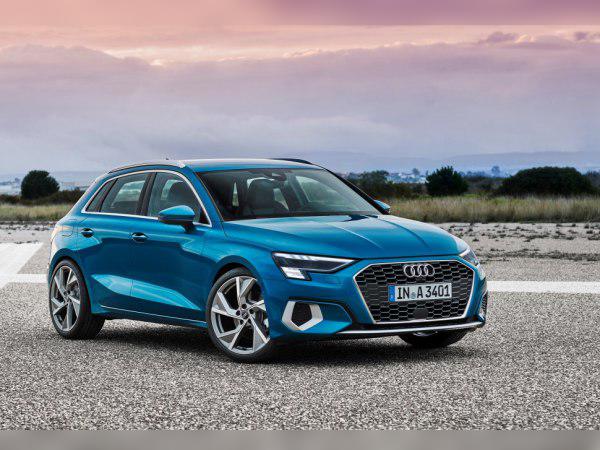
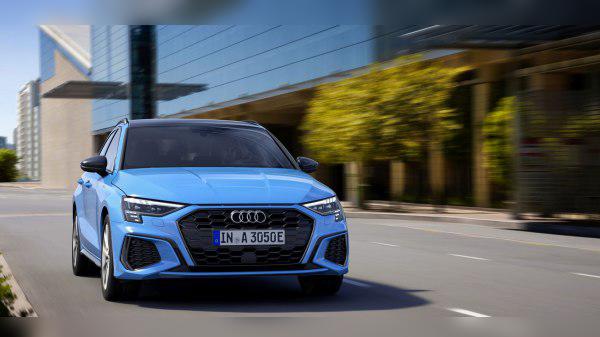
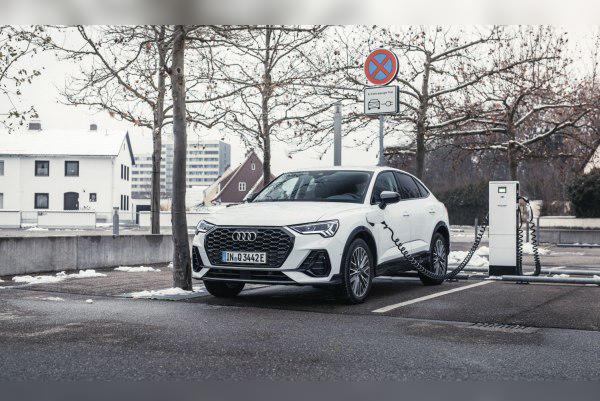
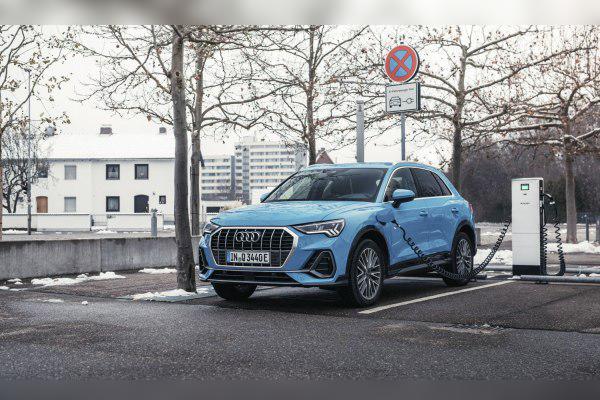
DGEA 1.4 TSI e-Hybrid (PHEV): Experiences, issues, fuel consumption and maintenance
Key points in short (TL;DR)
- Hybrid powertrain: DGEA is the code for the 1.4 TSI engine adapted for VW Group Plug-in Hybrid (PHEV) vehicles. It always comes paired with an electric motor.
- Timing drive: Uses a timing belt, not a chain, which is a big plus for reliability compared to older TSI engines.
- Gearbox: Only comes with the DQ400e (6-speed DSG with wet clutch). Regular gearbox oil changes are critical.
- Fuel consumption: Varies drastically. If you charge it regularly – driving is almost free. If you drive with an empty battery on the motorway, it will consume like a regular petrol engine or slightly more due to the battery weight.
- Biggest downside: Complex cooling system and thermostat, as well as potential issues with gearbox mechatronics if not maintained properly.
- Recommendation: Ideal for those who have a garage/charger and drive up to 50 km per day locally, with occasional longer trips.
Contents
- Introduction and applications
- Technical specifications
- Reliability and maintenance
- Specific parts and costs
- Fuel consumption and performance
- Additional options and modifications
- Gearbox (DSG DQ400e)
- Buying used and conclusion
Introduction and applications
The engine coded DGEA represents the swan song of the legendary 1.4 TSI series (EA211 family), but in a modern, electrified form. While most “regular” models have moved to the newer 1.5 TSI, the Volkswagen Group decided to use the old, proven 1.4 TSI block as the basis for its Plug-in Hybrid (PHEV) models.
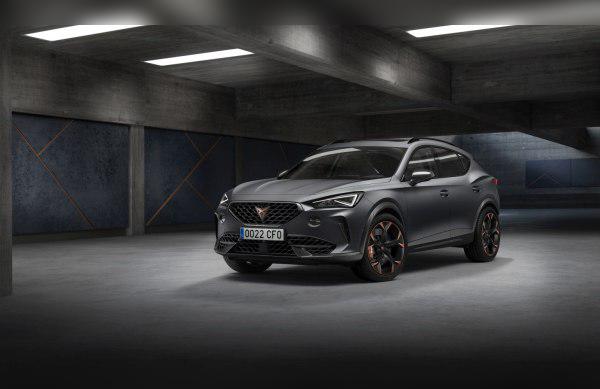
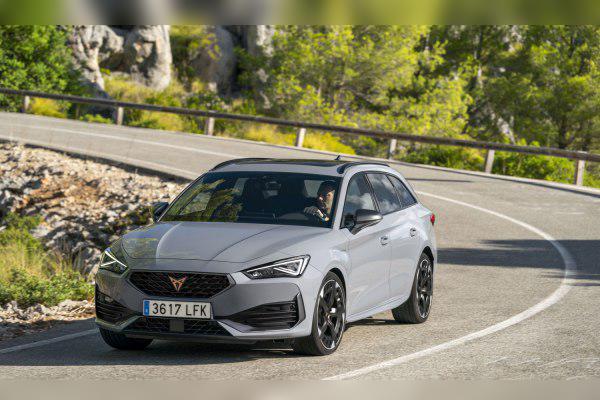
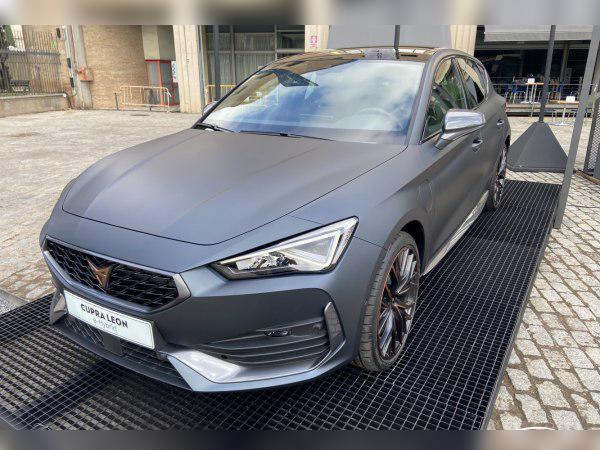
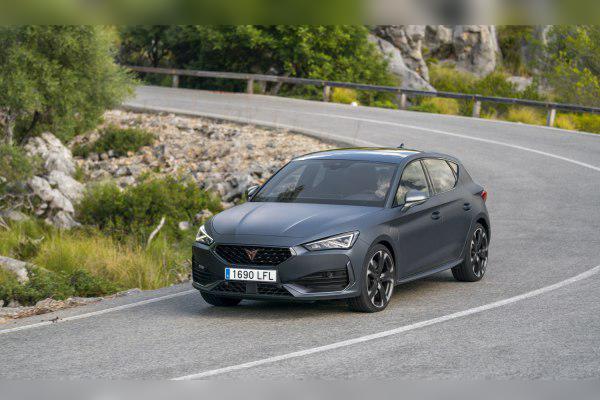
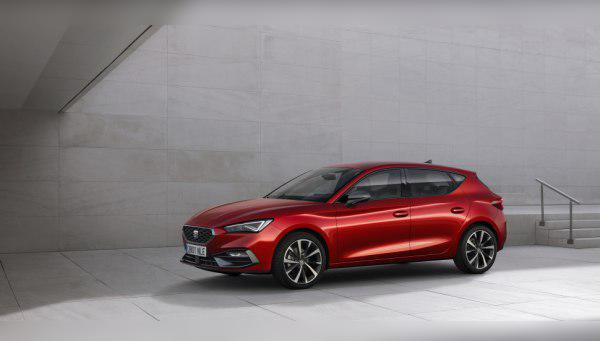
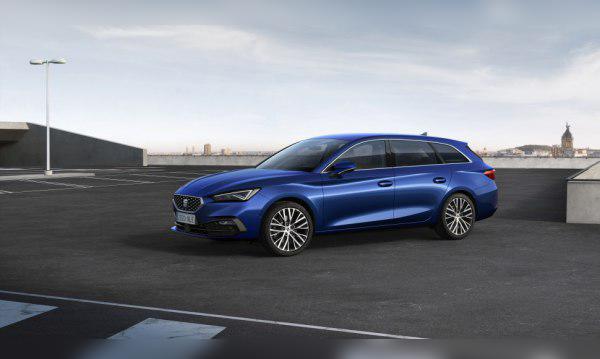
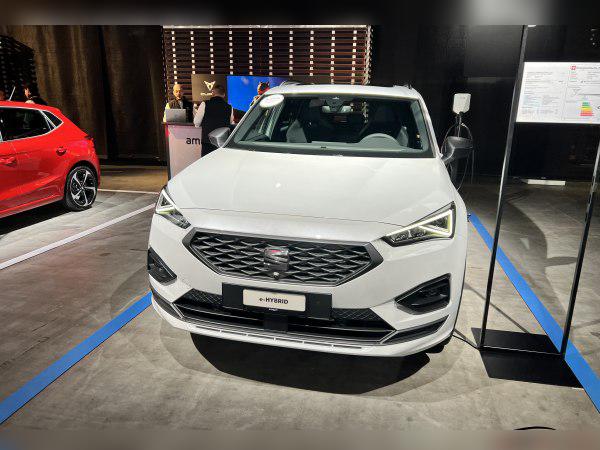
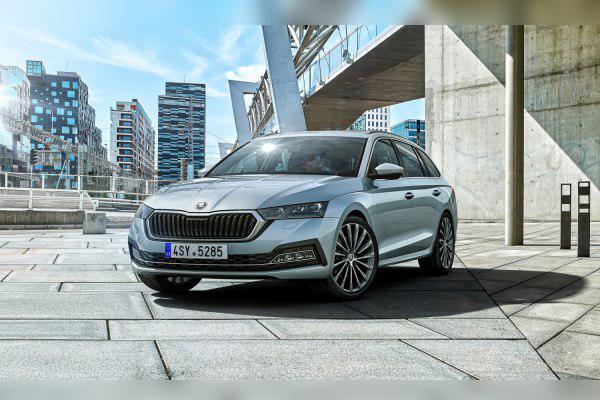
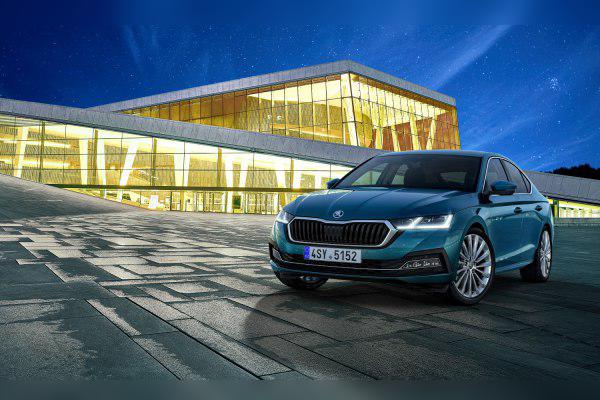
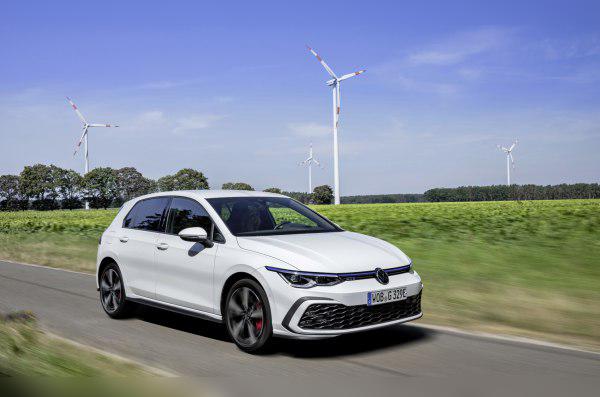
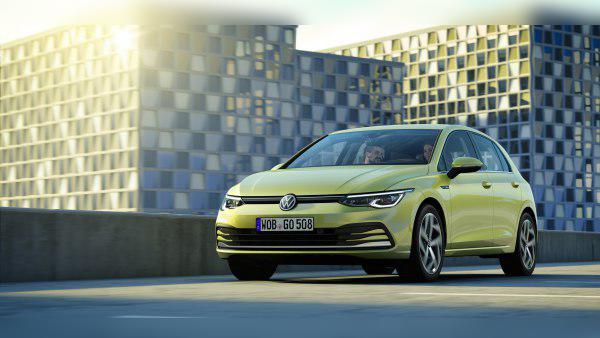
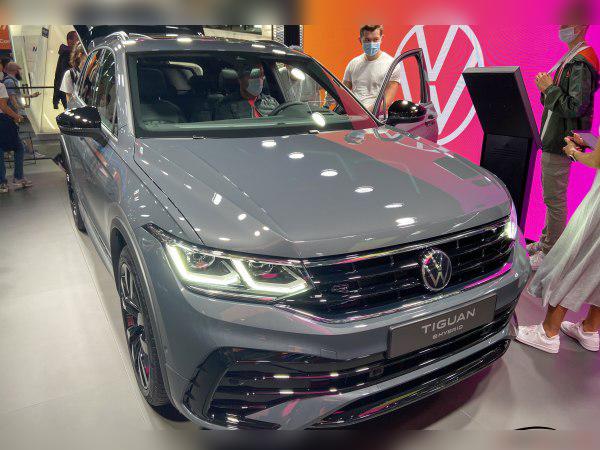
This engine is at the heart of popular models such as the Golf 8 GTE, Škoda Octavia RS iV, Cupra Formentor and many others. Its role is not to power the car on its own, but to work in symbiosis with a powerful electric motor integrated into the gearbox housing. The result is a system that delivers from 204 hp to 245 hp, offering sports-car performance with the ability to drive on electricity in the city.
Technical specifications
| Characteristic | Data |
|---|---|
| Engine displacement | 1395 cc (1.4 litres) |
| Petrol engine power | 110 kW (150 hp) at 5000–6000 rpm |
| Torque (petrol) | 250 Nm at 1550–3500 rpm |
| Total system power (System Output) | 150 kW (204 hp) or 180 kW (245 hp) *Depends on software |
| Engine code | DGEA |
| Charging method | Turbocharger + intercooler + electric motor |
| Injection type | Direct injection (TSI) |
Reliability and maintenance
Timing belt or chain?
This is the most common question, given the poor history of older TSI engines. The DGEA engine (as part of the EA211 family) uses a timing belt. This is excellent news because the system is much more reliable than the old chains that tended to stretch. The belt is robust and quieter in operation.
Most common failures
Although the engine itself is reliable, the hybrid system adds complexity:
- Coolant leaks: The thermostat housing and water pump are often made of plastic and prone to cracking or deforming due to heating and cooling cycles. Hybrids have a very complex cooling system (the engine, battery and inverter are all cooled), so there are many hoses and joints where leaks can occur.
- Carbon buildup: Since this is a direct-injection engine, the valves are not “washed” by fuel. Over time, soot builds up on the intake valves, which can lead to rough running. This is more pronounced on hybrids because the engine often starts and stops while still cold.
- Software issues: “Bugs” in communication between the battery, electric motor and petrol engine are common (the check engine light comes on without a real mechanical fault).
Major and minor service
Major service: The manufacturer often states optimistic intervals of 210,000 km for the timing belt. However, experienced mechanics and real-world practice suggest replacing the belt, tensioners and water pump at 150,000 km to 180,000 km or after 6–7 years of age, whichever comes first.
Oil (Minor service): This engine takes approximately 4.0 litres of oil. The recommended grade is 0W-20 (VW 508.00 standard), which is very thin to save fuel, but many owners switch to 5W-30 (VW 504.00) for better protection, especially if the car is driven hard. Do the minor service at no more than 15,000 km or once a year. Avoid 30,000 km long-life intervals at all costs.
Oil consumption
Unlike the notorious 1.8 and 2.0 TSI engines from the past (EA888 Gen 2), this 1.4 TSI does not have a systemic problem with excessive oil consumption due to bad piston rings. Still, it is normal for the engine to “drink” about 0.5 to 1 litre of oil between services (over 10–15 thousand km), especially if it is often driven on the motorway at high revs.
Spark plugs and injectors
The spark plugs on this engine are replaced every 60,000 km or 4 years. On hybrids this is important because the engine is subjected to many cold starts (when the battery is depleted while driving and the petrol engine suddenly kicks in). The injectors are direct, high-pressure units. They are generally durable, but sensitive to poor fuel quality. Symptoms of failure include jerking under acceleration and increased fuel consumption.
Specific parts (Costs)
Dual-mass flywheel
Yes, this engine has a dual-mass flywheel. It is necessary to dampen vibrations and enable seamless transitions between the electric motor and the petrol engine. Replacement is expensive (depends on the market, but expect a serious bill), but fortunately, the electric motor takes over a large part of the stress when moving off, so flywheels on these hybrids often last longer than on pure diesels.
Turbocharger
The engine uses a single water-cooled turbocharger. It is very reliable and rarely fails before 200,000 km, provided the oil is changed regularly. Symptoms of failure include whining noises, blue smoke and loss of power.
EGR, DPF and GPF
This engine does not have a DPF (because it is petrol), but all models with the DGEA code (Euro 6d standard) have a GPF (Gasoline Particulate Filter), which is the petrol equivalent of a DPF. It also has an EGR valve.
Do they clog up? Much less often than on diesels. Petrol burns cleaner and exhaust gas temperatures are higher, so the GPF regenerates more easily. However, if you drive 100% of the time in hybrid mode on short trips where the petrol engine only runs for a few minutes, clogging is possible.
AdBlue
This engine does NOT have an AdBlue system. That is reserved exclusively for diesel engines. Fewer worries and costs for you.
Fuel consumption and performance
City driving
This is where the DGEA engine shines. With a full battery, petrol consumption is 0 litres (as long as there is charge, usually 40–50 km of real-world range). When the battery is depleted and the system operates as a conventional hybrid (charging through braking), city consumption is around 6 to 7.5 l/100 km. This is an excellent result considering that these cars weigh around 1700 kg because of the batteries.
Is the engine “lazy”?
Absolutely not. The petrol engine alone has 150 hp, but the secret lies in the electric motor, which delivers torque instantly. When you press the accelerator, the car pins you to the seat thanks to electric assistance (e-boost). The driving feel is as if you were driving a much larger 2.0 or 2.5-litre engine.
Motorway and cruising
This is not the natural habitat of plug-in hybrids. At 130 km/h, the electric motor does not help much (except during overtaking). In sixth gear, the engine spins at about 2600–2800 rpm. Fuel consumption then rises to 7 to 8.5 l/100 km, depending on the model (SUVs like the Tiguan consume more than an Octavia). If you often drive long motorway journeys, the 2.0 TDI is still a better choice.
Additional options and modifications
LPG conversion
Not recommended. First, this is a direct-injection engine, which requires an expensive “liquid” LPG system or a system that also uses petrol while running on gas. Second, and most importantly – there is nowhere to put the tank. The spare wheel well is occupied by the high-voltage battery, and the petrol tank has already been relocated. The boot is already smaller on these models, so an LPG tank would take up all remaining space.
Remapping (Stage 1)
It is possible to increase the petrol engine power from 150 hp to around 170–180 hp, which combined with the electric motor results in brutal performance. However, be very careful. The gearbox and hybrid system are designed for a specific torque level. Excessive power increases can lead to battery overheating or clutch slip in the gearbox.
Gearbox
Which gearbox is used?
The DGEA engine always comes with the DSG gearbox coded DQ400e. It is a 6-speed dual-clutch automatic gearbox. It is specific in that it has three clutches (two for the gears and one for decoupling the engine from the electric motor). The electric motor itself is located in the gearbox housing.
Gearbox issues and maintenance
This is a gearbox with a wet clutch (running in oil), which makes it much more durable than dry-clutch DSG gearboxes.
Service: Gearbox oil and filter must be changed every 60,000 km. This is MANDATORY. If you skip the service, you risk mechatronics failure.
Most common failures: The mechatronics unit (the “brain” of the gearbox) can fail, and repairs are (very) expensive. Symptoms include harsh shifts, delayed response or a “Gearbox malfunction” message on the dashboard.
Buying used and conclusion
When buying a used car with the DGEA engine, pay attention to the following:
- Battery condition: Try to find out the battery “State of Health” (SOH) via diagnostics. Battery replacement is economically unviable.
- Drivetrain transitions: Test drive the car while the petrol engine is turning on and off. The transition must be almost imperceptible. Any strong jolt indicates a problem with engine mounts, gearbox or flywheel.
- Cables: Check whether the car comes with both charging cables (household “Schuko” and Type 2 for public chargers). Original cables are expensive.
- Gearbox service history: If there is no proof that the DSG oil was changed at 60k km – walk away from that car.
Conclusion: Who is this engine for?
Cars with the DGEA engine are a fantastic choice for people who live in a house or have a garage with a power socket, and drive up to 40–50 km per day. In that case they drive on electricity, quietly and cheaply, with 245 hp available for weekend trips.
If you live in an apartment without a charger and cover most of your mileage on open roads – skip this engine and buy a conventional 2.0 TDI. A hybrid without charging is just an unnecessarily heavy petrol car.
Was this content useful to you?
Your opinion helps us to improve the quality of the content.