EA888 / CZPB Engine
- Engine
- 1984 cm3
- Aspiration
- Turbocharger, Intercooler
- Fuel
- Petrol (Gasoline)
- Fuel injection system
- Direct injection and Multi-port manifold injection
- Power
- 190 hp
- Torque
- 320 Nm
- Cylinders
- 4
- Valves
- 16, 4 per cylinder
- Cylinders position
- Inline
- Valvetrain
- DOHC
- Oil capacity
- 5.7 l
- Coolant
- 10 l
- Systems
- Start & Stop System
# Vehicles powered by this engine

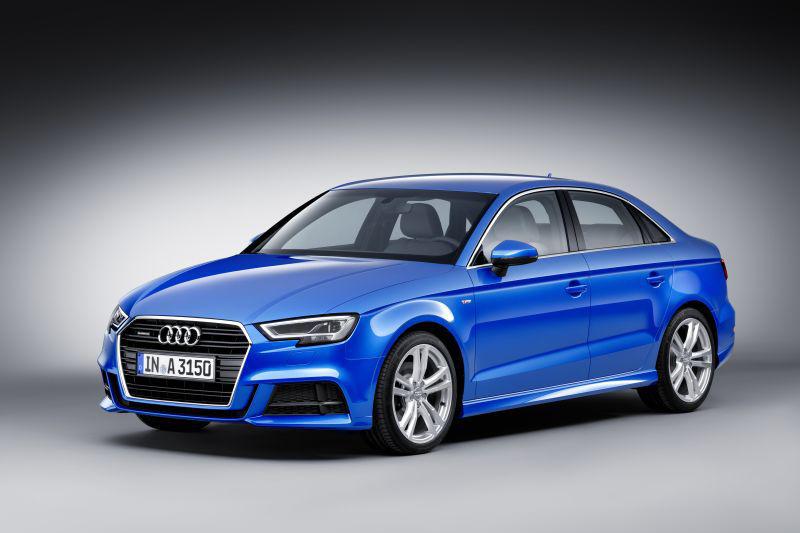
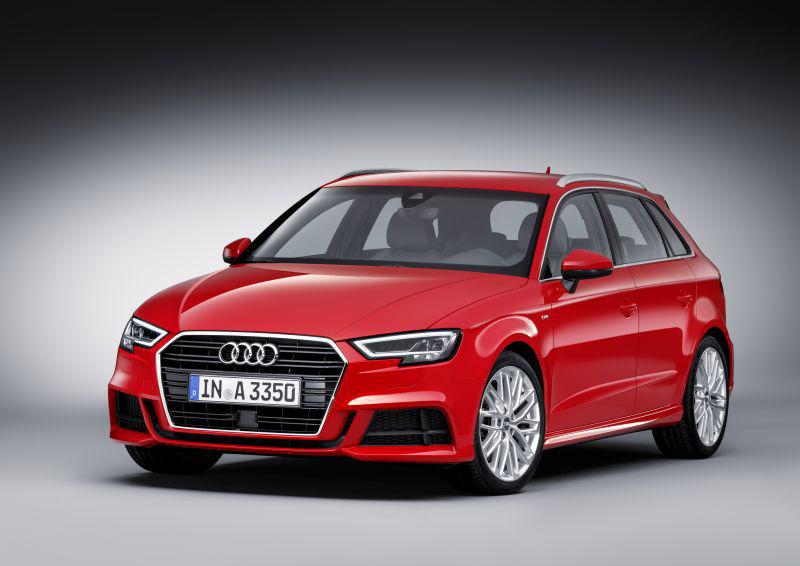
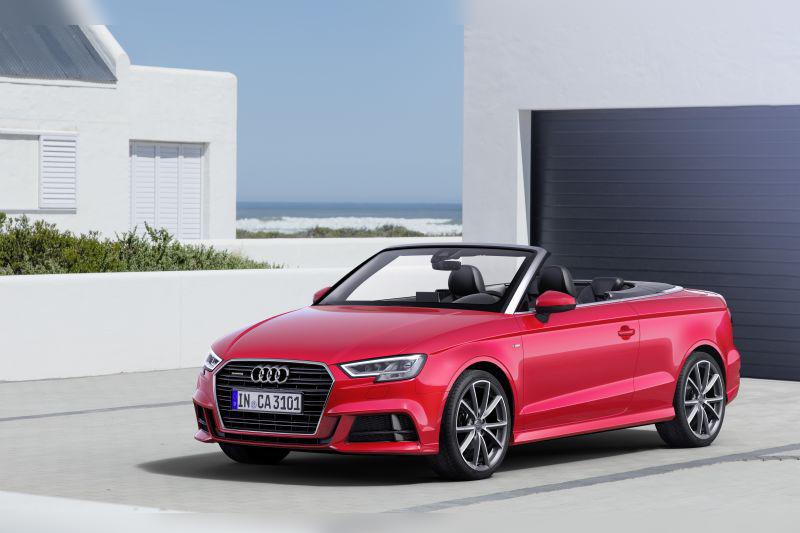
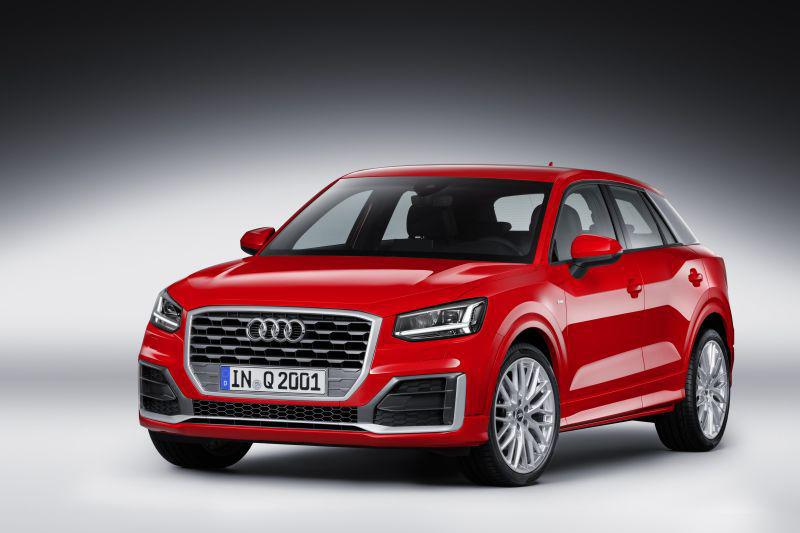

Quick overview: 5 things you must know about the 2.0 TFSI (190 hp)
- Best balance: This is the so‑called "Gen 3B" engine that uses the Budack combustion cycle – it offers the power of a 2.0 engine with fuel consumption comparable to the old 1.8 TSI units.
- Chain, not belt: The engine uses a timing chain which, in this generation, is much more reliable than on older TSI engines, but it is not eternal.
- Achilles’ heel – Thermostat: The most common (and inevitable) failure is the thermostat and water pump housing, which is made of plastic and starts leaking.
- Not a GTI engine: Even though it’s a 2.0‑liter, it’s optimized for efficiency and comfortable driving, not for maximum performance like the engines in the Golf GTI or Audi S3.
- DSG maintenance: Most of these models come with an S tronic/DSG gearbox that requires strictly regular oil changes if you want it to last.
- Recommendation: Yes, buy it. This is one of the best modern petrol engines from the VW Group if you’re looking for a used daily driver.
Contents
- Introduction and characteristics
- Technical specifications
- Reliability, Maintenance and Oil consumption
- Specific components and Injection system
- Fuel consumption and Performance
- Tuning and LPG
- Gearbox and Dual‑mass flywheel
- Buying tips and Conclusion
EA888 Gen 3B: A revolution in efficiency
The engine with the code CZPB (and related codes such as DKZA) belongs to the third generation of the EA888 family, but with one important difference – this is a "Gen 3B" engine. The letter "B" stands for the Budack cycle, a modified version of the Miller cycle. Why does this matter to you as a driver? Because the engineers shortened the intake time at low load, which drastically reduced fuel consumption and emissions, while retaining a high torque of 320 Nm.
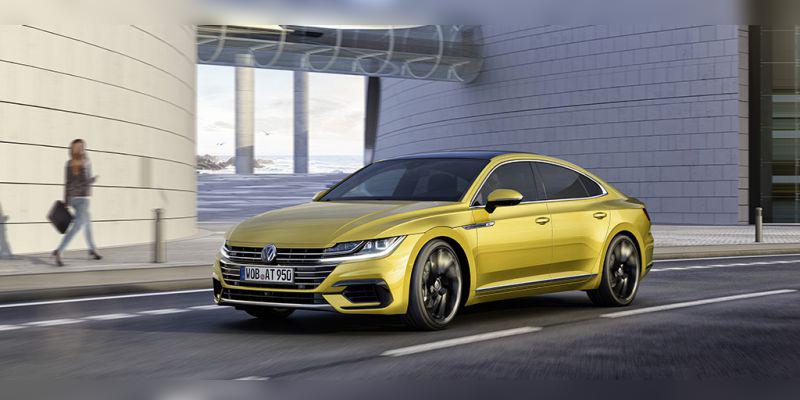
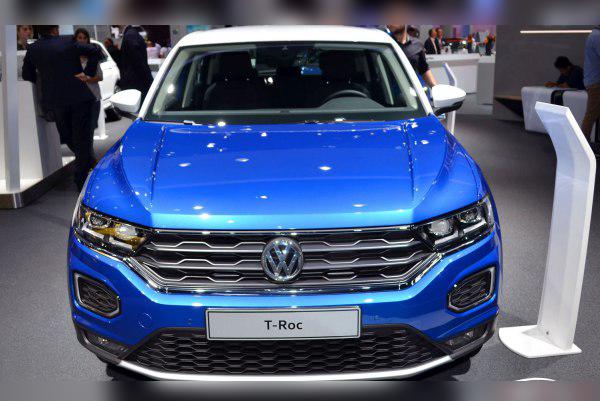
This engine replaced the older 1.8 TFSI units and is installed in a wide range of VW Group vehicles – from the compact Audi A3 and Q2, through family‑oriented models like the T‑Roc, all the way to sedans such as the VW Arteon. Its purpose is not racing, but effortless motorway cruising with enough power in reserve for overtaking.
Technical specifications
| Parameter | Value |
|---|---|
| Engine displacement | 1984 cc (2.0 L) |
| Power | 140 kW (190 hp) @ 4200–6000 rpm |
| Torque | 320 Nm @ 1500–4100 rpm |
| Engine codes | CZPB, DKZA (depending on model year and Euro standard) |
| Injection type | Direct (TSI/FSI) + Port (in some operating modes) |
| Camshaft drive | Chain |
| Turbo | Yes, single turbocharger (IHI IS20 variant, optimized for response) |
Reliability and maintenance: What goes wrong?
Chain or belt?
This engine uses a timing chain. Unlike the notorious earlier generations (Gen 1 and Gen 2 up to 2012), where chain failure was almost routine, Gen 3B engines have a significantly strengthened and revised chain and tensioner system. Still, the chain is not eternal. It’s recommended to check its condition (stretch) via diagnostics after around 150,000 km. If you hear a rattling noise on cold start that lasts longer than 2–3 seconds, that’s a sign you need to visit a workshop urgently.
Most common failures: Water pump and thermostat
The absolute number one issue on this engine is the thermostat and water pump module. It’s made of plastic, which deforms over time due to heat cycles.
Symptoms: First you’ll notice the coolant level slowly dropping in the expansion tank, while there are no puddles under the car (because it evaporates on the hot engine block). Later, the leak becomes visible.
Solution: Replacement of the complete housing. This is not a cheap repair (Parts + Labor: expensive, depends on the market), but it is unavoidable somewhere between 80,000 and 120,000 km.
Oil: Consumption and service intervals
The sump holds approximately 5.7 liters of oil. For these newer engines VW often recommends 0W‑20 (VW 508.00) spec oil, which has a greenish color, for maximum fuel economy. However, many mechanics and enthusiasts switch to 5W‑30 (VW 504.00) for better protection at high temperatures, especially if you live in a warmer climate or drive more aggressively.
Does it burn oil? Gen 3B solved the excessive oil consumption issue caused by poor piston rings that ruined the reputation of older models. Still, consumption of 0.5 to 0.8 liters per 10,000 km is considered completely normal and acceptable for this type of turbo engine. Do minor services at a maximum of 10,000 to 12,000 km (or once a year); forget about "Long Life" 30,000 km intervals if you want the engine to last.
Spark plugs and coils
Spark plugs should be replaced every 60,000 km or 4 years. Don’t wait for the engine to start misfiring, because a bad plug can damage the ignition coil (which is also a wear item on these engines).
Specific components and costs
Turbocharger and injection
The engine uses a single turbocharger that is very responsive. With regular oil changes, the turbo’s lifespan is generally equal to the engine’s lifespan. Issues with the wastegate valve (electronic actuator) can occur, resulting in loss of power or the "Check Engine" light coming on.
The injection system is a combination setup (depending on market and engine code), but it primarily relies on high‑pressure direct injection. Injectors are generally reliable, but sensitive to poor fuel quality. Symptoms of dirty injectors include rough idle.
Emissions: GPF (OPF) filter
Since we’re talking about a 2016‑onwards model, most of these engines, especially those produced after 2018, are equipped with a GPF (Gasoline Particulate Filter), which is the petrol equivalent of a DPF on diesels.
Good news: GPFs are much less prone to clogging than diesel DPFs because exhaust gas temperatures on petrol engines are higher. Passive regeneration happens constantly.
AdBlue: This engine DOES NOT use an AdBlue system. That’s reserved only for diesel engines.
Consumption and performance: Is it "lazy"?
With 190 hp and 320 Nm, this engine is anything but lazy, even in heavier bodies like the VW Arteon or T‑Roc with 4MOTION. Thanks to the turbocharger, maximum torque is available from as low as 1500 rpm, which means the car feels strong as soon as you touch the throttle.
Real‑world fuel consumption:
- City driving: Expect between 8.5 and 10.5 l/100 km. In heavy stop‑and‑go traffic it can go up to 11 liters, which is still very good for a 2.0 petrol.
- Motorway (130 km/h): This is where the Budack cycle shines. Consumption drops to 6.0 to 7.0 l/100 km. At 130 km/h in 7th gear the engine spins at a low 2,000–2,200 rpm, which makes it extremely quiet.
Additional options: LPG and tuning
LPG conversion
Because of direct fuel injection, installing LPG is complicated and expensive (very expensive). It requires a special "Direct Liquid" system or a system that uses a mixture of petrol and LPG (around 20% petrol for injector cooling). General recommendation: if fuel costs are your main concern, buy a 2.0 TDI. LPG conversion on this engine only makes financial sense if you cover very high annual mileage.
Chip tuning (Stage 1)
This engine is a "detuned" version. However, due to its specific B‑cycle operation, it is not tuned the same way as GTI engines. With a Stage 1 remap you can safely get around 220–230 hp and 400–420 Nm.
Warning: Increasing torque puts more stress on the gearbox and clutches. Overdoing it can lead to clutch slip.
Gearbox: Manual vs S tronic (DSG)
With this engine (2.0 TFSI 190) you most often get the S tronic (Audi) / DSG (VW) dual‑clutch automatic gearbox. On 2016/2017 models this is usually the DQ381 (7‑speed with wet clutches), which replaced the older DQ250 (6‑speed).
Gearbox maintenance and failures
- Oil change: Mandatory every 60,000 km (for the older DQ250) or 120,000 km (for the newer DQ381, although many specialists still recommend 60,000 km). Neglecting this leads to mechatronic failure, which is very expensive.
- Dual‑mass flywheel: YES, this engine has a dual‑mass flywheel, regardless of whether the gearbox is manual or automatic. Failure symptoms include metallic knocking at idle that disappears when you rev the engine, or vibrations when switching the engine off. Replacement is costly (depends on the market, but think "expensive").
- Manual gearbox: Rarer in this combination (e.g. Audi A3). The clutch is a wear item, but the gearbox itself is robust.
Buying used and conclusion
Before buying a used car with this engine, make sure you do the following:
- Cold start: Listen to the engine when it’s completely cold. There must be no chain rattle lasting more than a couple of seconds.
- Visual inspection: Look around the water pump area (at the front of the engine block). Any traces of dried pink/reddish coolant are a sign you’re facing a thermostat module replacement soon.
- Test drive: Under light acceleration the gearbox should change gears seamlessly. Any jerks or thumps are a bad sign.
Verdict: The Audi/VW 2.0 TFSI (190 hp) is an excellent choice. It offers the smoothness of a petrol engine, power that is sufficient for 99% of drivers, and surprisingly low fuel consumption on the open road. It’s ideal for those who drive up to 20–25,000 km per year and want a relaxed driving experience, while avoiding diesel due to potential city bans or DPF‑related issues.
Was this content useful to you?
Your opinion helps us to improve the quality of the content.