CRKB, CXXB, DBKA Engine
- Engine
- 1598 cm3
- Aspiration
- Turbocharger, Intercooler
- Fuel
- Diesel
- Fuel injection system
- Diesel Commonrail
- Power
- 110 hp
- Torque
- 250 Nm
- Cylinders
- 4
- Valves
- 16, 4 per cylinder
- Cylinders position
- Inline
- Valvetrain
- DOHC
- Oil capacity
- 4.6 l
- Coolant
- 8.4 l
- Systems
- Particulate filter
# Vehicles powered by this engine

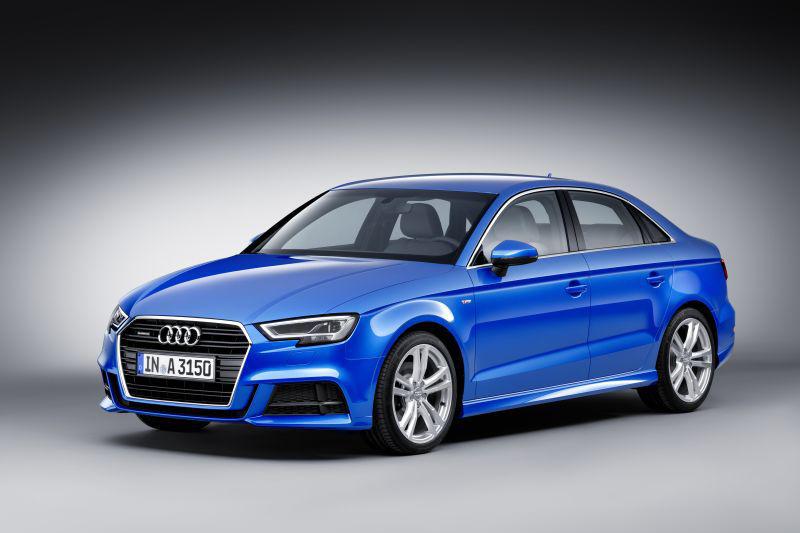
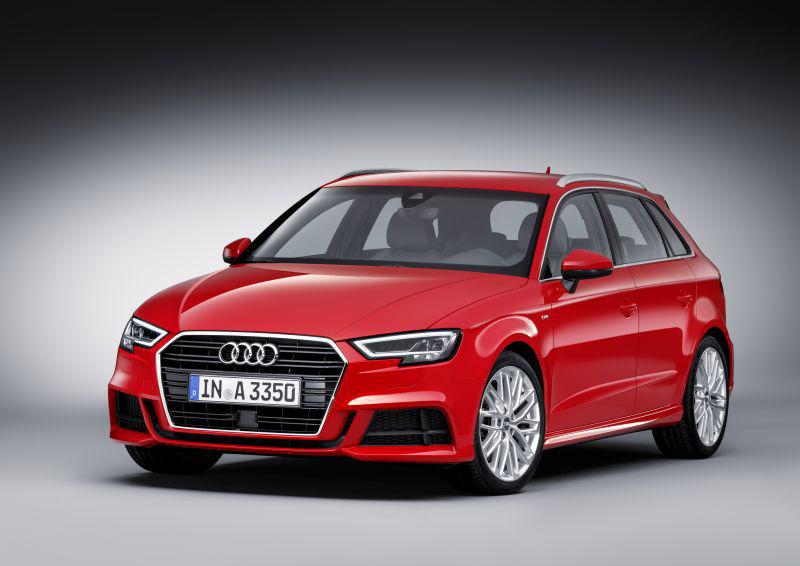
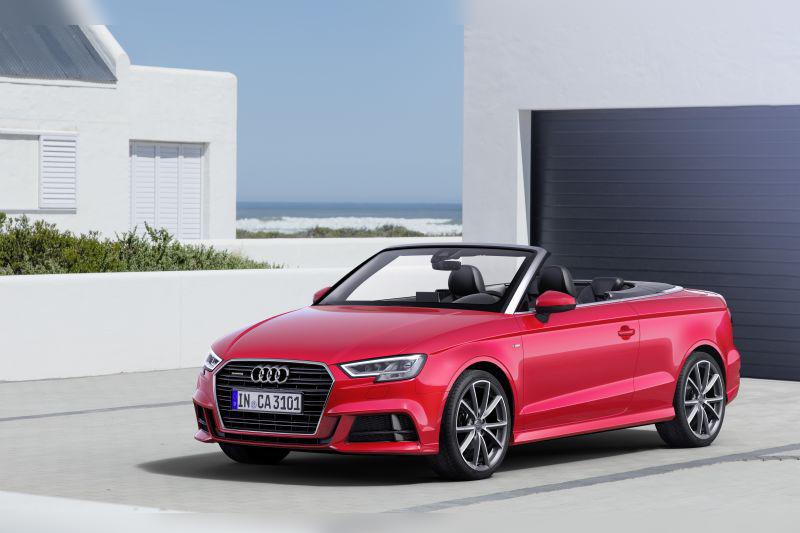
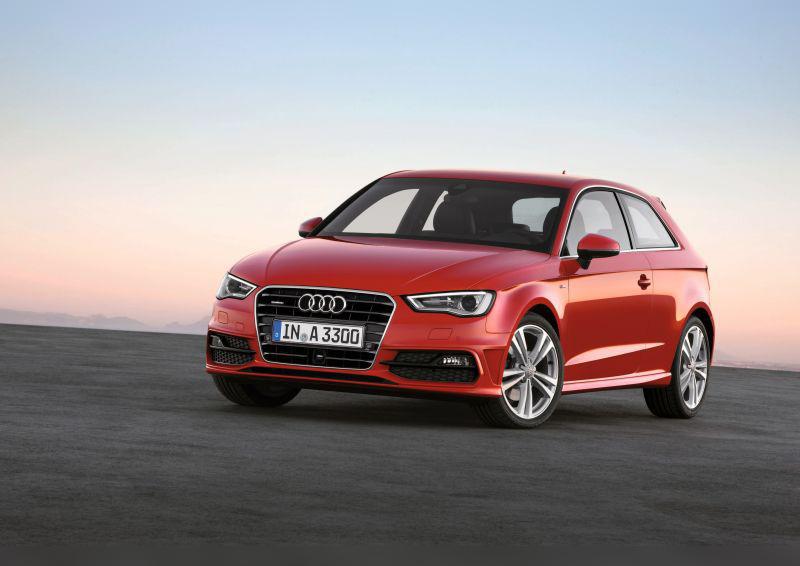
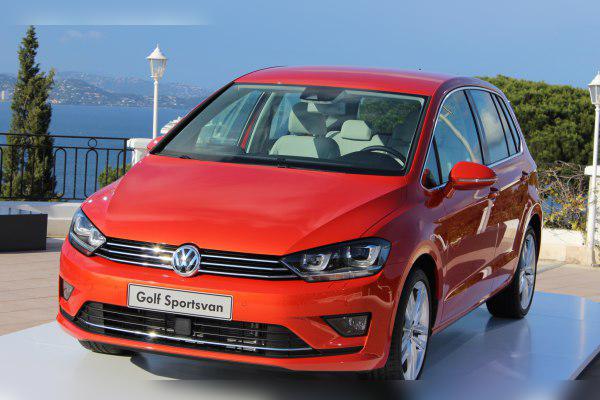
1.6 TDI (110 hp) – EA288: Golden middle ground or ticking time bomb? Real-world experience, failures and maintenance
1. Key points in short (TL;DR)
- Biggest downside: The electric (variable) water pump often gets stuck, which leads to engine overheating. This is a critical weak point.
- Timing drive: Uses a timing belt, not a chain. Replacement interval is long on paper, but it’s recommended to shorten it.
- Gearbox: If you choose an automatic, it’s a 7‑speed DSG (DQ200) with a dry clutch – requires caution and a careful check of the mechatronics.
- Fuel consumption: Extremely economical, a real “lighter”. On the highway it easily goes below 4.5 l/100 km.
- Emissions: Models from 2016 (Euro 6) mostly have an AdBlue system, which can be expensive to repair (heaters, pumps).
- Recommendation: An excellent choice for fleet cars and long-distance driving, but it requires high-quality fuel due to sensitive injectors.
Contents
- Introduction and applications
- Technical specifications
- Reliability and maintenance
- Specific parts and costs
- Fuel consumption and performance
- Gearbox (Manual vs DSG)
- Tuning and modifications
- Buying used and conclusion
Introduction and applications
The 1.6 TDI engine with 110 hp (codes CRKB, CXXB, DBKA) belongs to the newer EA288 family of the Volkswagen Group. This is not just a “chipped” version of the old engine, but a modern diesel heart designed to meet Euro 6 standards and offer better refinement.
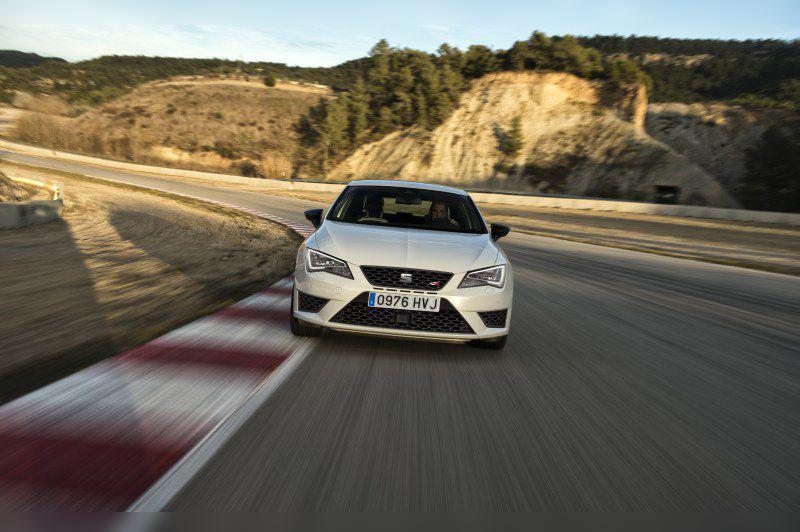
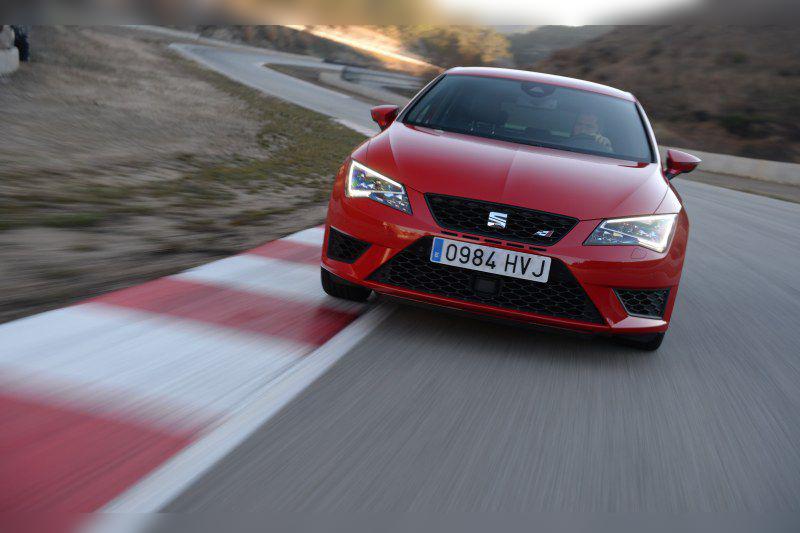
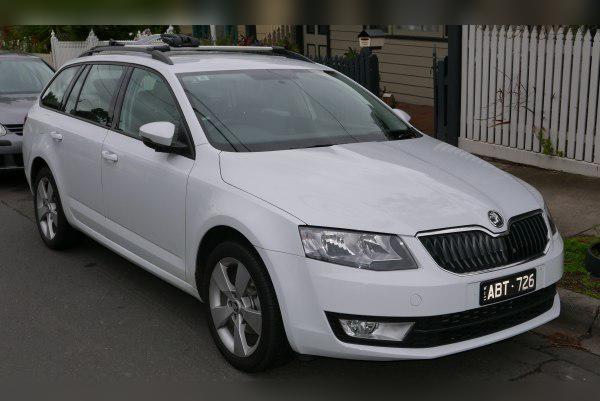
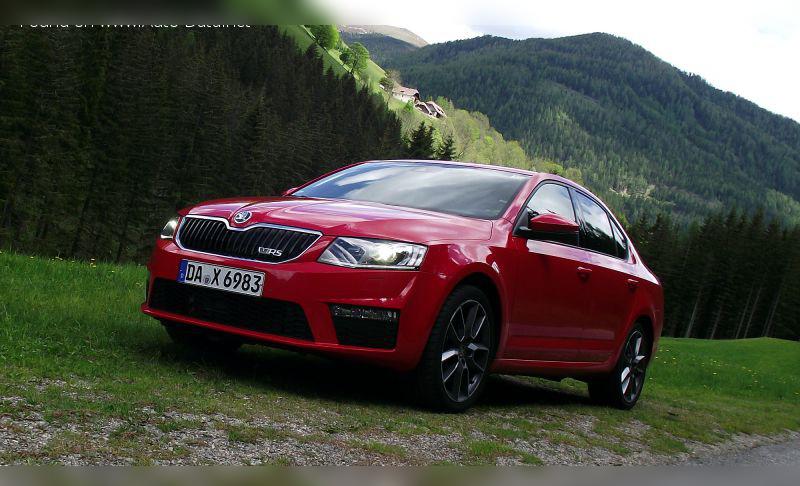
This unit is the de facto standard for fleet buyers in Europe. It is installed in everything from the Audi A3, through the Golf 7, all the way to the family Octavia Combi. Its whole point is balance: enough power so you’re not slow, and low enough fuel consumption that you forget when you last visited a fuel station. However, like every modern diesel, it comes with certain risks of expensive maintenance, which we’ll cover in detail.
Technical specifications
| Feature | Data |
|---|---|
| Displacement | 1598 cc |
| Power | 81 kW (110 hp) |
| Torque | 250 Nm at 1500–3000 rpm |
| Engine codes | CRKB, CXXB, DBKA |
| Injection type | Common Rail (high‑pressure injectors) |
| Charging | Variable geometry turbocharger (VGT) + intercooler |
| Camshaft drive | Timing belt |
Reliability and maintenance
Timing belt or chain?
This engine uses a timing belt. The factory replacement interval is often optimistic (up to 210,000 km for some markets), but real‑world experience says otherwise. Recommendation: Do the major service at a maximum of 160,000 to 180,000 km or 5 to 7 years of age, whichever comes first. A snapped belt leads to total engine failure.
Most common failures
The engine itself is mechanically robust, but the peripherals cause headaches:
- Variable water pump: This is the “Achilles’ heel” of EA288 engines. The pump has a plastic ring that regulates coolant flow for faster warm‑up. That ring often gets stuck, which leads to engine overheating even though the pump is relatively new. Symptom: Temperature climbs above 90°C under load.
- Oil leaks: Often occur at the crankshaft seal or the valve cover.
- EGR cooler: Can leak internally, so the engine loses coolant without any visible traces under the car.
Service intervals and oil
Minor service (oil and filters) should be done every 10,000 to 15,000 km (or once a year). Forget about “Long Life” 30,000 km intervals if you want the engine to last. The engine takes about 4.6 to 4.7 liters of oil (always buy 5 L).
Grade: Only fully synthetic 5W‑30 oil that meets the VW 507.00 specification (because of the DPF filter).
Oil consumption
Unlike older PD engines, new‑generation CR (Common Rail) engines should not consume a significant amount of oil. Consumption up to 0.5 liters per 10,000 km can be considered acceptable, but anything above that points to a problem with the turbocharger or piston rings. If you’re topping up often, something is wrong.
Injectors
The injectors’ lifespan is usually over 200,000–250,000 km with good‑quality fuel. These engines are sensitive to poor diesel. Symptoms of bad injectors are: rough idle (especially on cold start), increased fuel consumption and “clicking” under acceleration.
Specific parts (costs)
Dual‑mass flywheel
Yes, the 110 hp (81 kW) version has a dual‑mass flywheel. Its job is to absorb engine vibrations and protect the gearbox. Its lifespan is around 150,000–200,000 km, depending on driving style (city driving kills it faster).
Cost: Replacing the clutch kit together with the dual‑mass flywheel is a very expensive job (depends on the market, but expect a serious bill).
Turbocharger
The engine has a single turbocharger with variable geometry. The turbo is reliable if the oil is changed regularly and if the engine is not switched off immediately after hard driving. Its lifespan is usually equal to the engine’s, but the actuator (the electronic part) can fail earlier.
DPF, EGR and AdBlue
As a Euro 6 engine, this unit is packed with emissions equipment:
- DPF filter: Typically clogs up if the car is driven exclusively in the city. It needs regeneration on open roads.
- EGR valve: Prone to soot build‑up, which chokes the engine.
- AdBlue (SCR): Models with codes CXXB and DBKA (and most Euro 6 variants in the A3/Octavia after 2015/16) use AdBlue fluid.
Problem: The heater in the AdBlue tank or the pump itself often fail. Repair is very expensive because the whole tank module is often replaced.
Fuel consumption and performance
Real‑world fuel consumption
- City: Expect between 5.5 and 6.5 l/100 km. In heavy winter traffic it can go up to 7.5 l/100 km, but rarely more.
- Motorway (130 km/h): This is where the engine shines. Consumption is around 5.0 to 5.5 l/100 km.
- Country roads: It’s possible to get down to an incredible 3.8 to 4.5 l/100 km with a light right foot.
Is the engine “lazy”?
With 250 Nm of torque, the engine is not lazy for normal use in a Golf, Leon or A3. It pulls linearly. However, in a Škoda Octavia Combi (estate), especially when loaded with passengers and luggage, you can feel the lack of power when overtaking uphill. It’s not a sports engine, but for 90% of drivers it’s more than adequate.
Motorway driving
At 130 km/h the engine is quiet and relaxed.
Revs depend on the gearbox:
- With a 5‑speed manual, the engine spins at about 2,300–2,400 rpm, which is a bit noisier.
- With a 6‑speed manual or 7‑speed DSG, revs are around 2,000–2,100 rpm, which is ideal for cruising.
Additional options and modifications
Chip tuning (Stage 1): This engine responds very well to remapping. It can safely be taken to 135–145 hp and around 300–320 Nm of torque.
Benefits: The car becomes noticeably livelier, overtaking is safer, and fuel consumption in normal driving can even drop slightly. However, this additionally stresses the dual‑mass flywheel and the clutch.
Gearbox: Manual vs DSG
Which gearboxes to expect?
- 5‑speed manual: Most common in standard FWD versions of the Golf and A3. Its downside is the lack of a 6th gear on the motorway (more noise).
- 6‑speed manual: Installed in 4x4 versions (Octavia, Golf), Greenline models and some Audi variants. A much better option.
- 7‑speed DSG (DQ200): Automatic gearbox with a dry clutch.
Most common failures
Manual: Very reliable. Only requires regular oil changes at high mileage (even though the factory calls it “lifetime”).
DSG (DQ200): This is a sensitive point.
Problems: Wear of the clutch pack (after 150k–200k km), mechatronics failure (the gearbox “brain”), which can lead to loss of gears.
Maintenance: Although it’s a “dry” gearbox, it’s recommended to change the oil in the mechatronics and gear section every 60,000 km as a preventive measure, even if it’s not always listed in the official service schedule.
Buying used and conclusion
What to check before buying?
- Cold start: Listen to the engine. Does it run smoothly? If you hear metallic knocking or the revs fluctuate, the injectors are likely the issue.
- Coolant: Check the expansion tank. If the level is below minimum or there are traces of rust/oil, walk away. Check whether the water pump has been replaced.
- DSG test: Start gently uphill without pressing the accelerator. If the car jerks or hesitates, the clutches are near the end of their life.
- Diagnostics: Check DPF saturation and injector status (fuel corrections).
Conclusion
The 1.6 TDI (110 hp) engine is a rational choice. It’s not exciting, but it is technologically modern and extremely frugal. It’s aimed at drivers who cover a lot of kilometres, mostly on open roads.
If you spend most of your time in city “stop‑and‑go” traffic, the DPF and EGR will cause you trouble. In that case, a petrol (TSI) is a better option. But for the average European driver who wants a reliable sedan or hatchback with low fuel costs, this engine is still the king of economy, provided it has been regularly maintained and the water pump issue has been resolved.
Was this content useful to you?
Your opinion helps us to improve the quality of the content.