CZDA, CZEA Engine
- Engine
- 1395 cm3
- Aspiration
- Turbocharger, Intercooler
- Fuel
- Petrol (Gasoline)
- Fuel injection system
- Direct injection
- Power
- 150 hp
- Torque
- 250 Nm
- Cylinders
- 4
- Valves
- 16, 4 per cylinder
- Cylinders position
- Inline
- Valvetrain
- DOHC
- Oil capacity
- 4 l
- Coolant
- 10 l
- Systems
- Start & Stop System, Cylinder deactivation system
# Vehicles powered by this engine

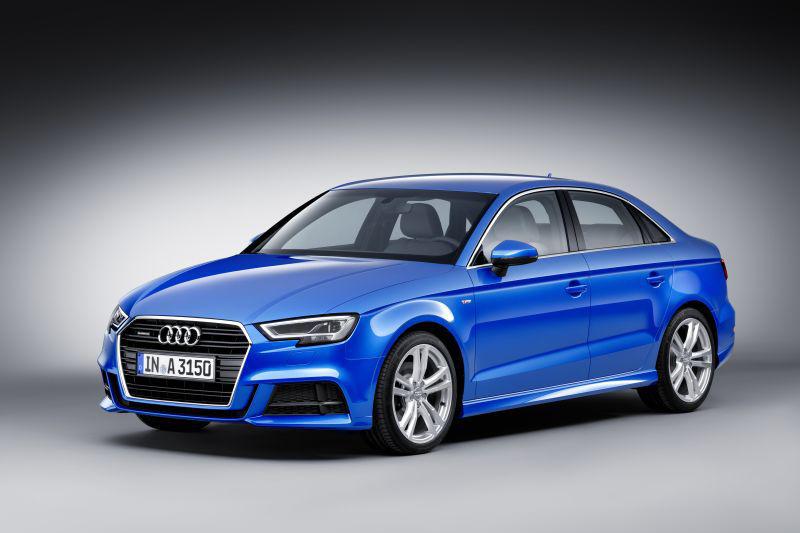
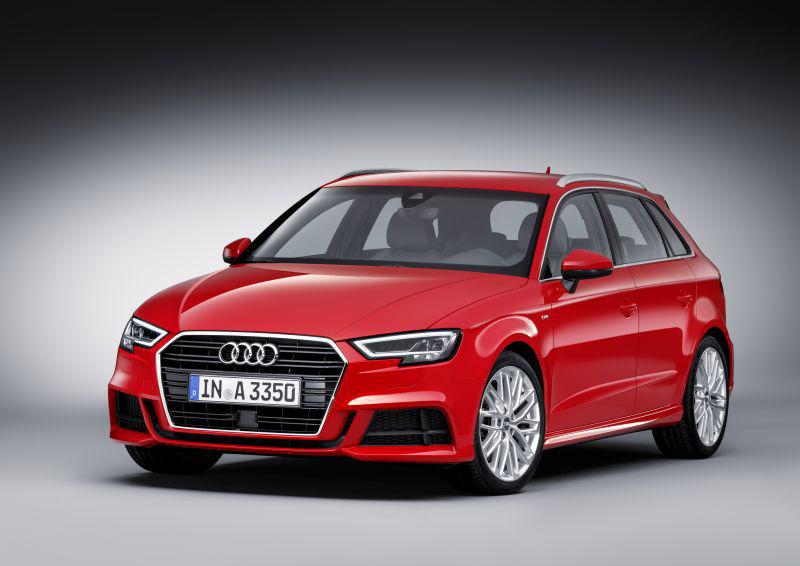
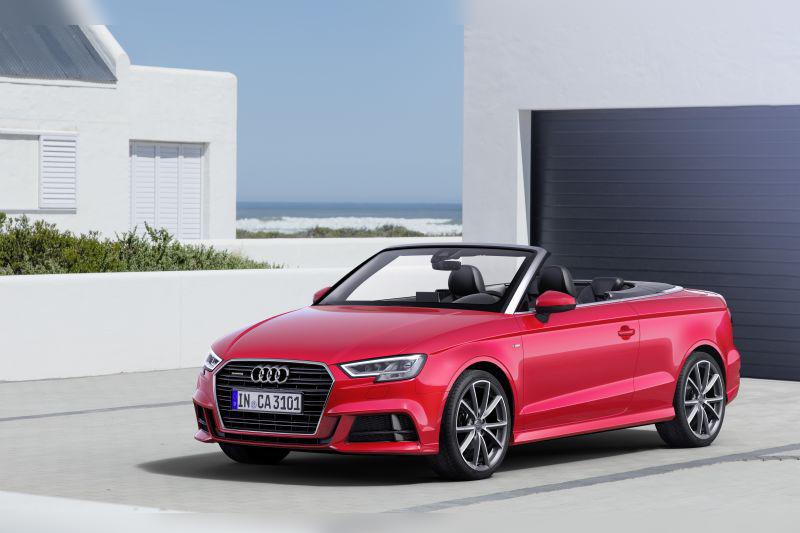
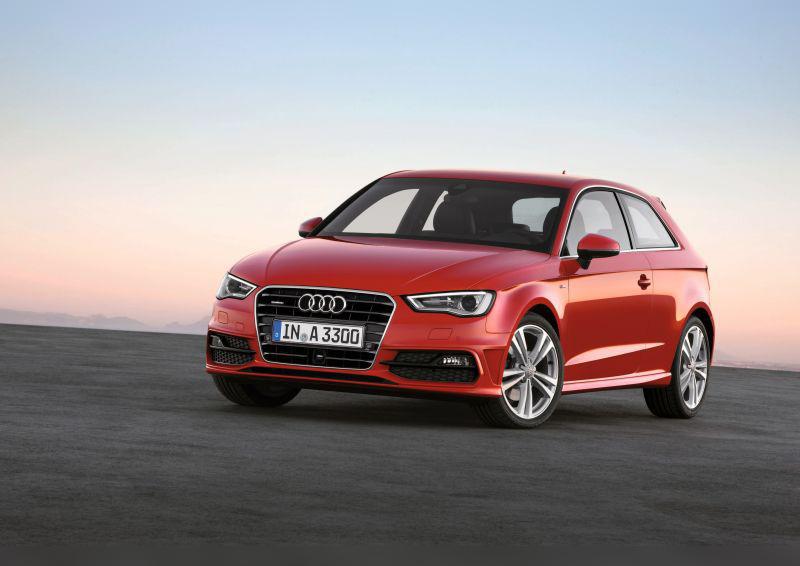
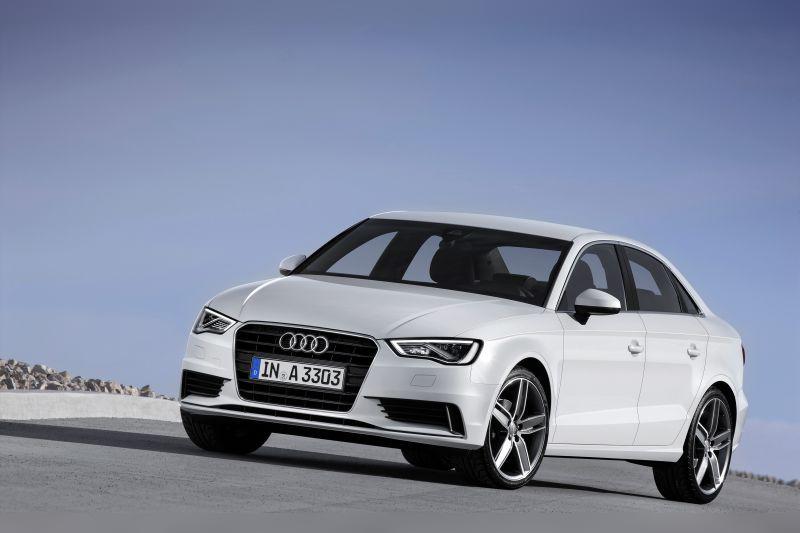
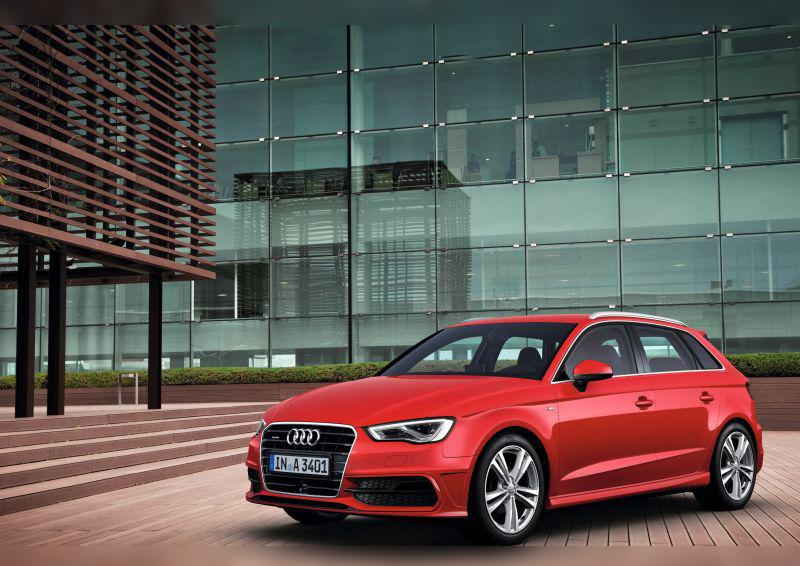
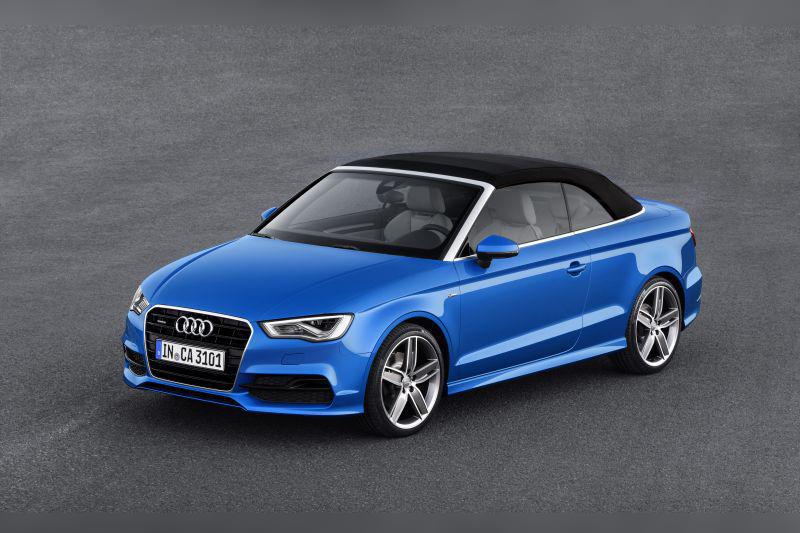
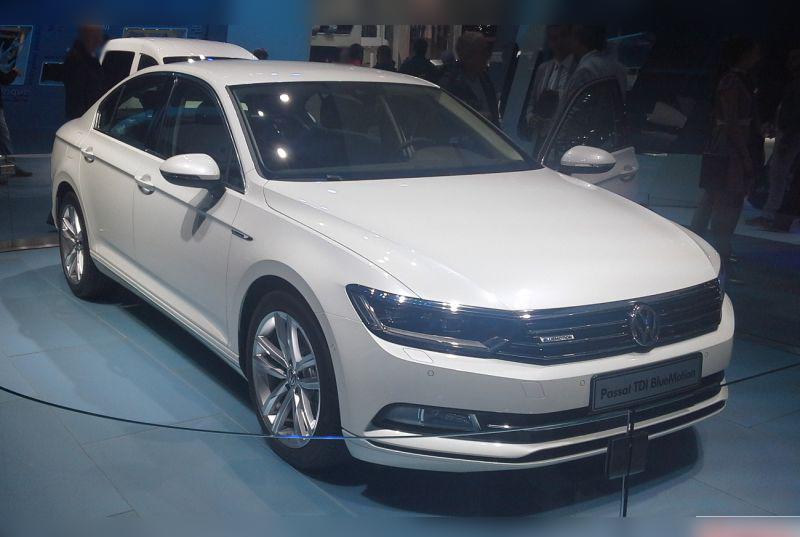
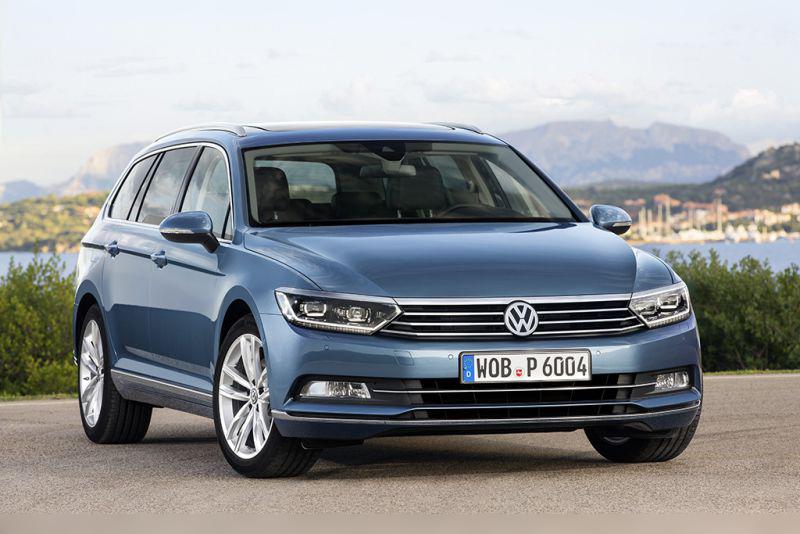

1.4 TSI / TFSI (CZDA, CZEA) 150 HP: Experiences, Problems and Maintenance
Key points (TL;DR)
- Major improvement: This is an EA211 series engine (timing belt), which solved the catastrophic timing chain issues of the previous generation.
- ACT / COD Technology: These engines have a system that deactivates two cylinders under low load to save fuel. The system is more reliable than it sounds.
- Oil consumption: Significantly reduced compared to older TSI engines, but it still requires occasional checking.
- Water pump: The most common weak point – the thermostat housing is plastic and prone to leaking.
- Gearbox: Often paired with the DSG gearbox with a “dry” clutch (DQ200), which requires caution when buying used.
- Recommendation: Excellent balance of power and economy, ideal for the A3, Passat and Tiguan if you don’t drive huge annual mileages.
Contents
- Introduction and applications
- Technical specifications
- Reliability, Maintenance and Failures
- Specific Parts and Costs
- Fuel Consumption and Performance
- Additional Options (LPG and Tuning)
- Gearbox (DSG and Manual)
- Buying Used and Conclusion
Introduction and applications
The 1.4 TSI engine (Volkswagen) or 1.4 TFSI (Audi) with 150 horsepower, under the codes CZDA and CZEA, is the core petrol offering of the VW Group from the mid-2010s. It belongs to the EA211 family. This is crucial because it means this is a completely redesigned unit compared to the notorious EA111 engines that snapped chains and burned oil like fuel.
It was installed in a wide range of vehicles on the MQB platform, from the compact Audi A3, through the Passat B8 sedan, all the way to the Tiguan SUV. The “COD” (Cylinder on Demand) badge on Audi or “ACT” (Active Cylinder Technology) on VW means the same thing – smart cylinder management for lower fuel consumption.
Technical specifications
| Specification | Value |
|---|---|
| Engine displacement | 1395 cc (1.4 litres) |
| Power | 110 kW (150 HP) at 5000–6000 rpm |
| Torque | 250 Nm at 1500–3500 rpm |
| Engine codes | CZDA, CZEA (EA211 family) |
| Injection type | Direct injection (TSI / FSI) |
| Forced induction | Turbocharger with intercooler (water-cooled in the intake manifold) |
| Fuel-saving technology | ACT / COD (Deactivation of cylinders 2 and 3) |
Reliability and Maintenance
Does this engine have a timing belt or a chain?
This is the most important question. The engine has a timing belt. Engineers learned their lesson from the previous generation and went back to a belt. This is great news for owners because the system is quieter and far more reliable. No more fear of the chain skipping on cold starts.
What are the most common failures on this engine?
Although reliable, it’s not flawless:
- Water pump and thermostat housing: This is the “Achilles’ heel” of EA211 engines. The housing is plastic and contains the pump module and two thermostats. Over time, the plastic deforms from heat and coolant starts to leak. If you smell antifreeze or see the level dropping, this is suspect number one.
- Carbon build-up on intake valves: Like every direct-injection engine, fuel does not “wash” the intake valves. Soot builds up over time, which can cause rough idle or a slight loss of power at higher mileage (over 150,000 km).
- ACT actuators: Although rare, the cylinder deactivation mechanism can stick or throw a fault code, requiring replacement of the camshaft actuator. The symptom is a “Check Engine” light and rougher engine operation.
- Turbo wastegate: The turbo actuator rod can develop play, causing rattling when lifting off the throttle or a fault related to boost pressure.
At what mileage should the major service (timing) be done?
The factory recommendation is often over-optimistic (inspection at 240,000 km, with no fixed replacement interval in some regions). However, real-world practice and mechanics’ experience suggest the following: Replace the complete timing set (belt, tensioners, water pump) every 160,000 km up to a maximum of 210,000 km, or every 6 to 8 years in time. Don’t risk running an old belt.
How many litres of oil does this engine take and which grade is recommended?
The sump holds approximately 4.0 to 4.5 litres of oil (depending on whether you change the filter). The recommended grade is usually 5W-30 (VW 504.00 standard) or the newer 0W-20 (VW 508.00) for the latest model years. Check your service book, but you won’t go wrong with a quality 5W-30.
Does it consume oil between services?
Oil consumption is significantly lower than on older 1.4 TSI (EA111) engines. Still, it’s normal for the engine to use 0.5 to 1 litre of oil per 10,000 km, especially if driven aggressively or often on the motorway at high revs. If it uses more than that (e.g. a litre per 2,000 km), that points to an issue with piston rings or the turbo, which is not typical on these engines before 200,000 km.
At what mileage should the spark plugs be replaced?
The spark plugs are iridium or platinum and last a long time. The recommendation is replacement every 60,000 km or 4 years. Don’t wait for the engine to start misfiring, because bad plugs can damage the individual coil packs.
Specific Parts and Costs
Does the engine have a dual-mass flywheel?
Yes. Most models with this engine (both manual and DSG) are equipped with a dual-mass flywheel to reduce vibrations. On DSG models it often manifests as metallic knocking at idle when it’s near the end of its life. Replacement is not cheap (Category: Expensive).
What kind of injection system does it have and are the injectors problematic?
The system is high-pressure direct fuel injection (up to 200 bar). Injectors are generally reliable but sensitive to poor fuel quality. A faulty injector usually leaks (engine oil smells of petrol) or causes rough running on one cylinder. The price of a single injector is moderately high.
Does this engine have a turbocharger and what is its lifespan like?
It has a single turbocharger. The turbo is integrated with the exhaust manifold, which allows it to warm up quickly. It is very durable thanks to efficient water cooling. With regular oil changes, the turbo easily lasts 200,000–250,000 km or more.
Does this model have a DPF filter or an EGR valve?
Petrol engines do not have a DPF, but newer models (from around 2017/2018 onwards, with Euro 6d-TEMP) have a GPF (OPF) filter (Gasoline Particulate Filter). 2016 models (facelift A3 and Passat B8) generally do not have a GPF yet, which is an advantage in terms of maintenance. There is no classic EGR valve like on diesels; exhaust gas recirculation is handled via variable valve timing (VVT), which means – no EGR valve to clog up.
Does this engine use AdBlue?
No. AdBlue is used exclusively on diesel engines. This petrol engine doesn’t require any additional fluids besides fuel, oil and washer/coolant fluids.
Fuel Consumption and Performance
What is the real-world fuel consumption in city driving?
Thanks to the stop-start system and quick warm-up, in city conditions (e.g. traffic jams, traffic lights) you can expect consumption between 7.5 and 9.0 litres per 100 km. In heavier bodies like the Tiguan or Passat, expect values closer to the upper end.
Is this engine “lazy” for the weight of the car?
With 150 HP and 250 Nm (available from just 1500 rpm), this engine is surprisingly lively. In the Audi A3 it feels sporty. In the Passat B8 it is more than adequate for normal and dynamic driving. Even in the Tiguan it moves the body respectably, and you only really feel a lack of torque when the car is fully loaded on steep climbs.
What is it like on the motorway?
It’s an excellent cruiser. At 130 km/h in top gear (6th in the manual or 7th in the DSG), the engine spins at around 2,200–2,400 rpm. This results in a quiet cabin and fuel consumption of about 5.5 to 6.5 litres. In these conditions the “2-cylinder mode” often activates (you’ll see a message on the display), further reducing fuel consumption.
Additional Options and Modifications
Is this engine suitable for LPG conversion?
Conditionally yes, but it’s expensive. Since this is a direct-injection engine, you can’t install a regular sequential LPG system. You need a special direct-injection LPG system that either uses liquid LPG (very expensive) or runs a mix of petrol and LPG (e.g. 80% LPG, 20% petrol) to cool the petrol injectors. Installation is expensive (varies by market, but expect much more than a standard LPG system) and only pays off if you drive more than about 20,000 km per year.
How far can this engine be safely tuned (Stage 1)?
The engine has power reserves. A “Stage 1” remap usually raises power to around 170–180 HP and torque to about 300–320 Nm. However, be careful if you have the DSG gearbox (DQ200), as it is factory-rated for a maximum of 250 Nm. Too much additional torque can quickly destroy the clutch packs in the gearbox.
Gearbox
Which gearboxes are fitted?
- Manual: 6-speed gearbox. Precise and reliable.
- Automatic: 7-speed S tronic / DSG (code DQ200). This is a dual-clutch gearbox with dry clutches.
Common gearbox issues?
Manual: Rarely fails; the only likely issues at high mileage are the dual-mass flywheel or clutch kit.
DSG (DQ200): This is the more sensitive point. Although the mechatronics were improved in 2016 facelift models, clutch packs can still wear out quickly in stop–go city driving. Symptoms include juddering when setting off or hesitation when shifting from 1st to 2nd. Mechatronics repair or clutch pack replacement falls into the category: Very expensive.
Gearbox servicing?
Manual: The factory does not specify oil changes, but it’s wise to replace the oil at around 150,000 km.
DSG (DQ200): The factory calls it “sealed for life” because it’s a dry-clutch gearbox. However, experienced workshops recommend changing the oil in the mechatronics and gear section every 60,000–80,000 km to extend its lifespan.
Buying Used and Conclusion
Before buying a car with the 1.4 TSI CZDA/CZEA engine, pay attention to:
- Cold start: The engine should run smoothly immediately after starting. Rattling is a bad sign (even though there is no chain, you can still hear hydraulic lifters or the turbo actuator).
- Coolant level: Check the expansion tank. If the level is below minimum or you see white traces of dried coolant around the engine, budget for a new water pump.
- Test drive (DSG): Warm the car up and drive slowly in traffic. If the gearbox jerks, knocks or hesitates, walk away from that car.
- ACT system: While driving at a steady speed (e.g. 80 km/h), the display should show “2-cylinder mode” (or similar). The transition should be seamless, without any jerks.
Conclusion
The 1.4 TSI (150 HP) engine from this generation is probably the best used-car choice in this class. It successfully fixes the shortcomings of its predecessors and offers the performance of a 2.0-litre engine with the fuel consumption of a small-displacement unit. If you find a car with a proper service history and a healthy DSG (or manual) gearbox, you’ll get a reliable and enjoyable vehicle.
Was this content useful to you?
Your opinion helps us to improve the quality of the content.