CHZD Engine
- Engine
- 999 cm3
- Aspiration
- Turbocharger, Intercooler
- Fuel
- Petrol (Gasoline)
- Fuel injection system
- Direct injection
- Power
- 115 hp
- Torque
- 200 Nm
- Cylinders
- 3
- Valves
- 12, 4 per cylinder
- Cylinders position
- Inline
- Valvetrain
- DOHC
- Oil capacity
- 4 l
- Coolant
- 8 l
# Vehicles powered by this engine

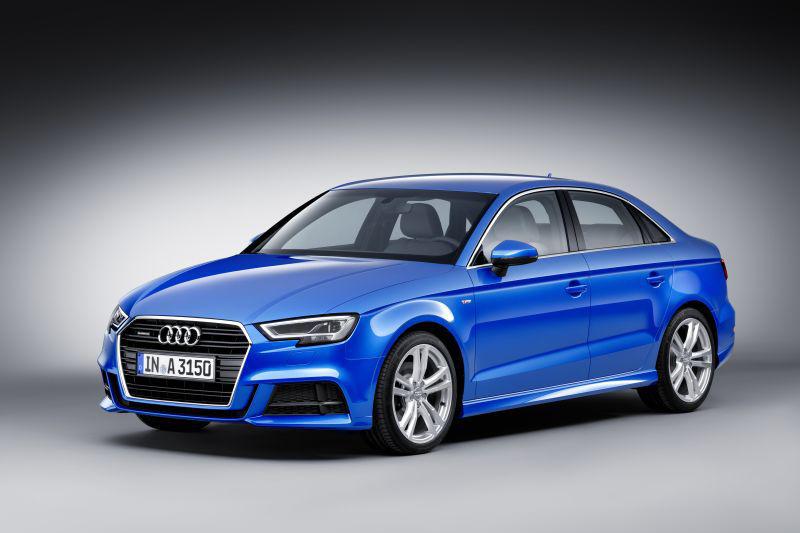


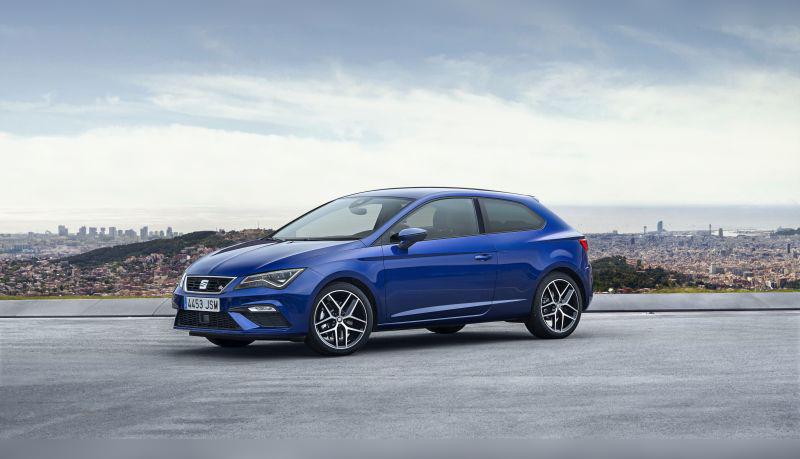
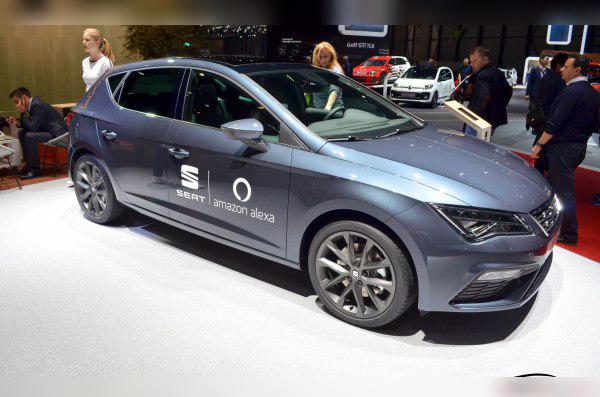
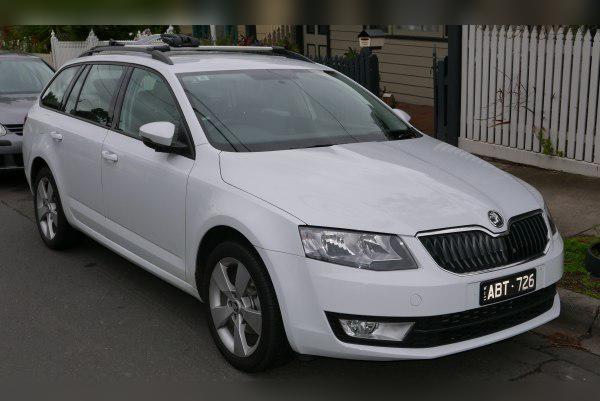

1.0 TSI / TFSI (CHZD) 115 HP – Experiences, problems, fuel consumption and used car buying guide
1. The most important in short (TL;DR)
If you don’t have time to read the whole article, here’s what you need to know about the 1.0 TSI (CHZD) engine before buying:
- Performance above expectations: Although it has only 3 cylinders and 1.0 liter, with 200 Nm of torque it pulls better than the old naturally aspirated 1.6 engines.
- Timing belt drive: Unlike older TSI engines with a chain, this one uses a belt, which is significantly more reliable.
- Dual-mass flywheel: Yes, the 115 HP version mostly comes with a dual-mass flywheel to reduce three-cylinder vibrations.
- Efficiency: Extremely low fuel consumption if driven moderately, but sensitive to a “heavy right foot”.
- Achilles’ heel: The water pump and thermostat housing are the most common failure points.
- Recommendation: An excellent choice for city driving and occasional trips, surprisingly capable even in wagons like the Octavia Combi.
Contents
- Introduction and applications
- Technical specifications
- Reliability and maintenance
- Specific parts and systems
- Fuel consumption and performance
- LPG and tuning
- Gearbox (Manual vs DSG)
- Used car buying tips and conclusion
Introduction and applications
When the CHZD engine (from the EA211 family) appeared around 2016 as a replacement for the 1.2 TSI, many drivers were skeptical. A “coffee grinder” in a sedan like the Audi A3 or a family Škoda Octavia? It sounded like a bad joke.
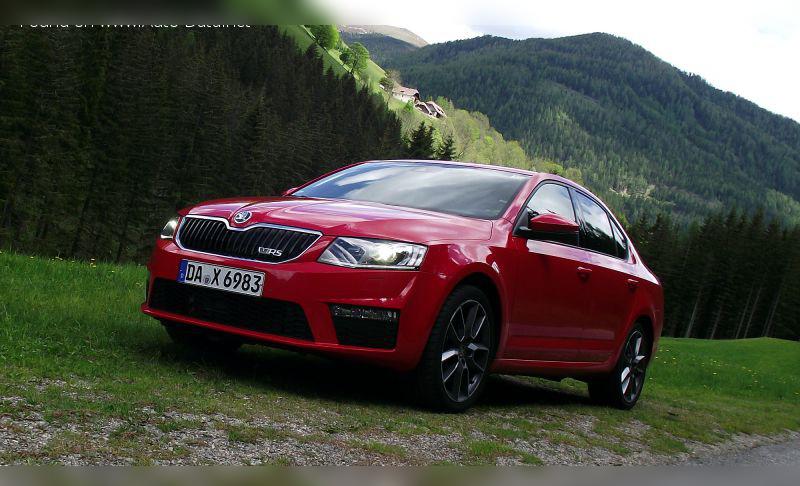
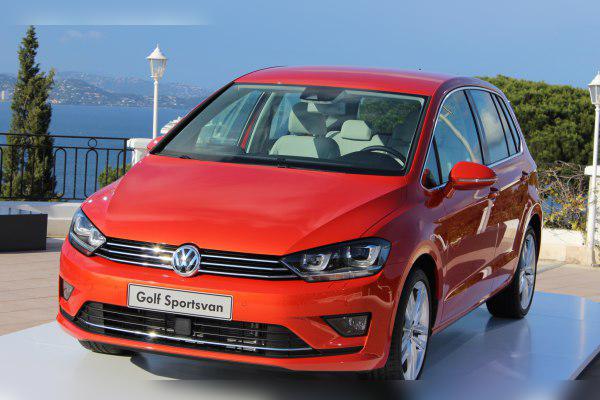
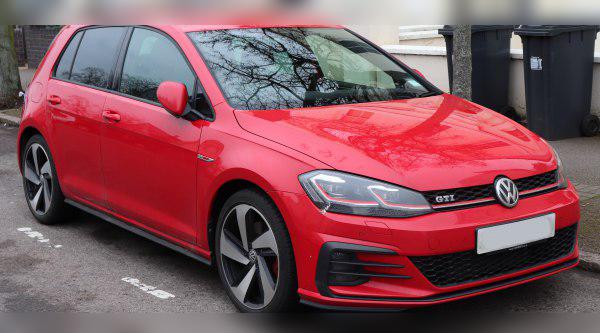
However, this three-cylinder turbo quickly proved the opposite. Installed in a wide range of VAG group vehicles – from the VW Golf VII (including Variant and Sportsvan), through the Seat Leon III, to the Audi A3 (8V) and Škoda Octavia III – this engine became standard for base and even mid-level trim packages. Its whole point is “downsizing” – reducing displacement while maintaining performance using a turbocharger and direct injection, in order to meet strict emission standards.
Technical specifications
| Specification | Data |
|---|---|
| Engine code | CHZD |
| Displacement | 999 cc (1.0 L) |
| Configuration | Inline 3-cylinder |
| Power | 85 kW (115 HP) at 5000–5500 rpm |
| Torque | 200 Nm at 2000–3500 rpm |
| Injection type | Direct injection (TSI / TFSI) |
| Induction | Turbocharger + intercooler |
| Camshaft drive | Timing belt |
Reliability and maintenance
Belt or chain?
Good news for everyone who remembers the horror stories about chain failures on the old 1.2 TSI engines: the 1.0 TSI CHZD uses a timing belt. This system is much quieter and more reliable. The manufacturer often states a “lifetime” interval or inspection at 240,000 km, which is overly optimistic. In practice, it’s best to do the major service between 160,000 km and 180,000 km or after 8–10 years of age, whichever comes first. A complete timing belt kit with water pump is not excessively expensive (depends on the market).
Oil consumption and service intervals
This engine takes approximately 4.0 liters of oil. The recommended grade is usually 0W-20 (VW 508.00) for newer model years for better fuel economy, or the classic 5W-30 (VW 504.00). Check the exact specification in your vehicle’s manual or by VIN.
As for oil consumption, CHZD engines are significantly better than the older EA888 generations. Oil consumption is minimal. Still, with aggressive highway driving, consumption of 0.5 L per 10,000 km is considered completely acceptable. If it uses more than 0.5 L per 1,000 km, that points to a problem with the piston rings or the turbo, but this is rare at lower mileage.
Most common failures
This engine is generally reliable, but it has a few specific issues:
- Water pump and thermostat housing: This is the most common failure. The housing is plastic and over time it cracks or the gasket fails, leading to coolant loss. If you notice the coolant level dropping, this is the first suspect.
- Carbon buildup: Like every direct injection engine, the intake valves are prone to soot deposits because fuel does not wash them. Symptoms are rough idle and a slight loss of power at higher mileage.
- GPF filter (on newer models): Models produced towards the end of the cycle (around 2018/2019) may have a gasoline particulate filter which rarely clogs, but requires the correct low-ash oil.
Spark plugs
The spark plugs are iridium or platinum and should be replaced every 60,000 km or 4 years. Do not postpone this replacement, as worn plugs can damage the ignition coils (one per cylinder).
Specific parts (costs)
Dual-mass flywheel
Yes, the 115 HP (85 kW) version in most cases (especially with 6-speed manuals and DSG models) has a dual-mass flywheel. The reason is simple: three-cylinder engines are naturally not as well balanced as four-cylinders, so a dual-mass flywheel is necessary to absorb vibrations and protect the gearbox. Its lifespan is around 150,000–200,000 km, depending on driving style. Replacing the clutch kit with the flywheel is a very expensive item for this class of vehicle.
Injection system and turbo
The injection system is direct (high pressure). The injectors are generally long-lasting, but sensitive to poor fuel quality. A failing injector manifests as engine “misfiring” and the “Check Engine” light coming on.
The engine uses a small turbocharger with an intercooler (water-cooled in the intake manifold on some versions). The turbo “wakes up” very early and delivers maximum torque from 2,000 rpm. The turbo’s lifespan is usually equal to the engine’s lifespan with regular oil changes, but it’s advisable not to switch the engine off immediately after hard highway driving.
EGR and emissions
This engine doesn’t have the classic problematic EGR valve like diesels, as it uses variable valve timing for internal exhaust gas recirculation. There is no AdBlue (that’s only for diesels). However, check whether your particular car has an OPF/GPF (gasoline particulate filter) – if it does, you must use low-ash oil.
Fuel consumption and performance
Is the engine “sluggish”?
Absolutely not. With 200 Nm of torque, this engine in a Golf 7 or Octavia III pulls surprisingly well. It needs about 10 seconds to reach 100 km/h, which is perfectly acceptable. The driving impression is that the engine feels livelier than the numbers on paper suggest, as long as the car isn’t overloaded with 5 passengers and luggage going uphill – then you do feel the lack of displacement.
Real-world fuel consumption
- City driving: Expect between 6.5 and 8.0 l/100 km, depending on traffic and how heavy your right foot is. The start-stop system helps reduce consumption.
- Country roads: This is where the engine shines. At 80–90 km/h, fuel consumption drops to 4.5–5.0 l/100 km.
- Highway (130 km/h): Consumption is around 6.0–6.5 l/100 km.
Highway and revs
Thanks to the 6-speed manual gearbox or 7-speed DSG, at 130 km/h the engine runs at a comfortable 2,600–2,800 rpm. This means the cabin is quiet and the engine is not under heavy stress when cruising.
Additional options and modifications
LPG installation
Since this is an engine with direct injection, LPG installation is complicated and expensive. It requires a Direct Liquid Injection system or a system that uses a mixture of petrol and LPG (to cool the petrol injectors). Installation is very expensive (over 1,000 EUR, depending on the market), so it only pays off for those who cover very high mileage.
Chip tuning (Stage 1)
The engine is very suitable for remapping. A Stage 1 tune safely raises power to about 130–140 HP and torque to around 240 Nm. However, be careful: higher torque puts additional stress on the dual-mass flywheel and clutch (or DSG gearbox), so the lifespan of those components may be reduced.
Gearbox: Manual vs DSG
With the 1.0 TSI (115 HP) you get two gearbox options:
1. Manual gearbox (6-speed)
Precise and easy to use. Failures of the gearbox itself are rare. The main expense here is the clutch kit and dual-mass flywheel. Gearbox oil change is not officially prescribed, but it’s recommended every 100,000 km for smoother shifting.
2. DSG automatic gearbox (7-speed, DQ200)
This is a gearbox with a dry clutch. Although it offers fantastic shift speed and comfort, the DQ200 is known as a “more delicate” gearbox.
Most common issues:
- Mechatronics unit: It can fail, which is an expensive repair.
- Clutch pack: In city stop-and-go driving, the clutch plates wear out faster. Symptoms are shuddering when taking off or jerks when changing gears.
Changing the oil in the mechatronics and gearbox section is recommended every 60,000 km, even if the manufacturer sometimes claims it’s not necessary.
Used car buying guide and conclusion
When buying a used car with the 1.0 TSI engine (Audi A3, Octavia, Golf, Leon), pay attention to the following:
- Noise at startup: The engine should run smoothly after a few seconds. Three-cylinders have a specific sound, but there should be no metallic knocking.
- Coolant: Check the level in the expansion tank and look for white traces of leakage around the water pump (on the left side of the engine when viewed from the front).
- Vibrations: If the car shakes too much at idle, the dual-mass flywheel or an engine mount may be nearing the end of its life.
- Service history: Check whether the oil has been changed regularly (every 15,000 km at most; avoid 30,000 km “Long Life” intervals on used cars).
Conclusion: The 1.0 TSI (CHZD) with 115 HP is an excellent, modern engine. If you overcome the psychological barrier of “only 1000 cc”, you’ll get an agile car with low registration and fuel costs. It’s ideal for those who drive a mix of city and highway. For towing heavy trailers or constant 160 km/h autobahn runs – look for a 2.0 TDI.
Was this content useful to you?
Your opinion helps us to improve the quality of the content.