DFGA Engine
- Engine
- 1968 cm3
- Aspiration
- Turbocharger, Intercooler
- Fuel
- Diesel
- Fuel injection system
- Diesel Commonrail
- Power
- 150 hp
- Torque
- 340 Nm
- Cylinders
- 4
- Valves
- 16, 4 per cylinder
- Cylinders position
- Inline
- Valvetrain
- DOHC
- Oil capacity
- 4.7 l
- Coolant
- 8 l
- Systems
- Start & Stop System, Particulate filter
# Vehicles powered by this engine
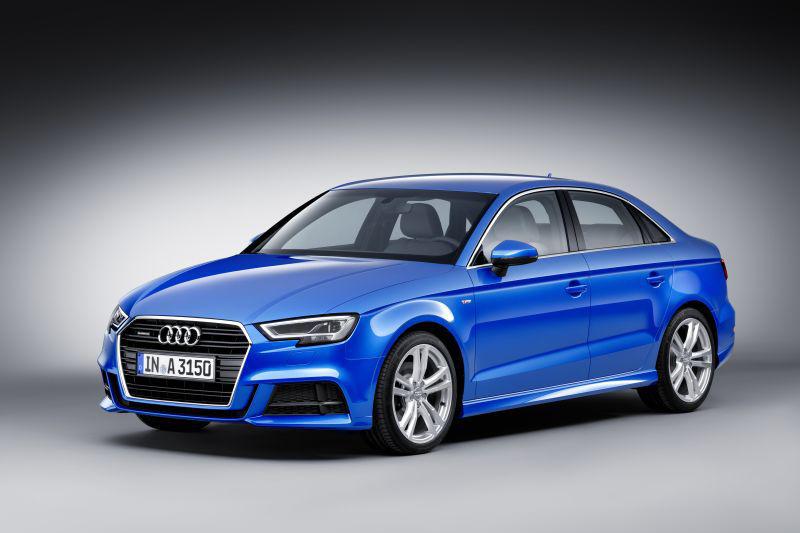
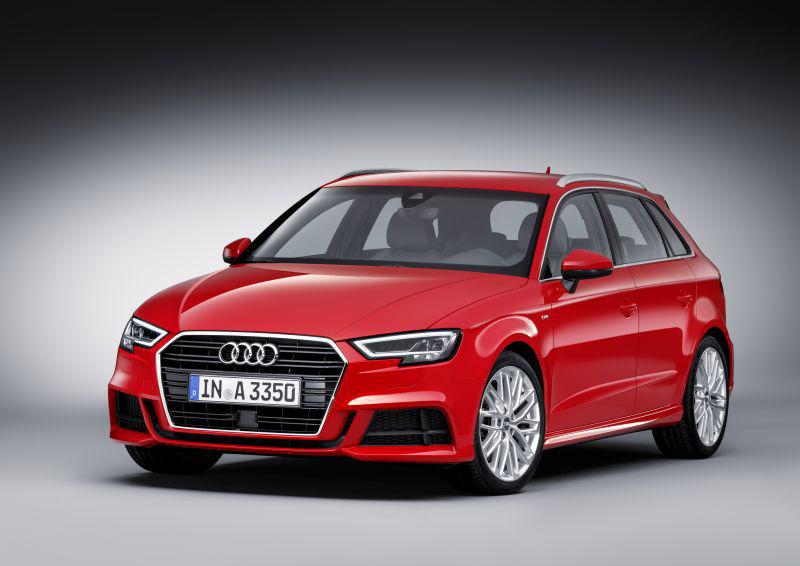
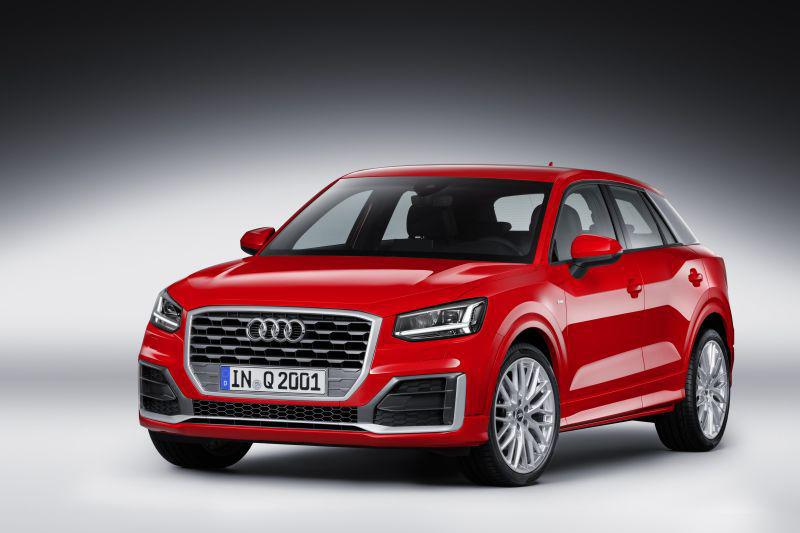
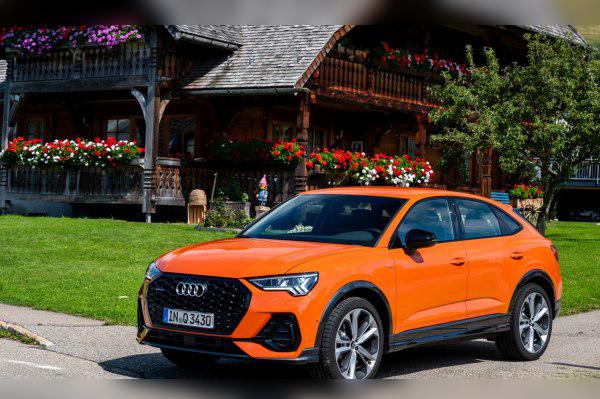
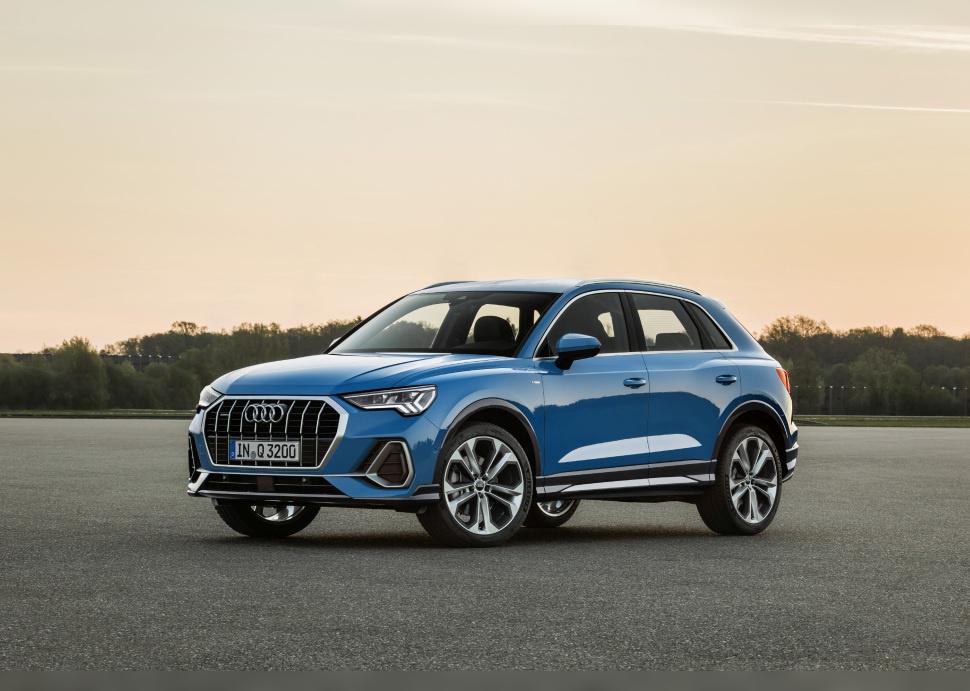
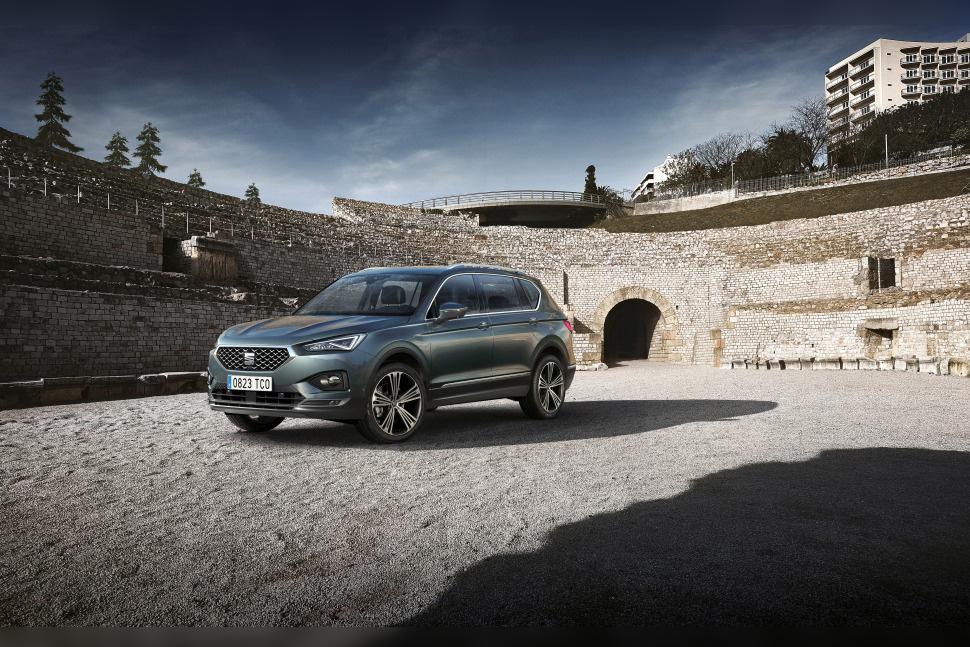
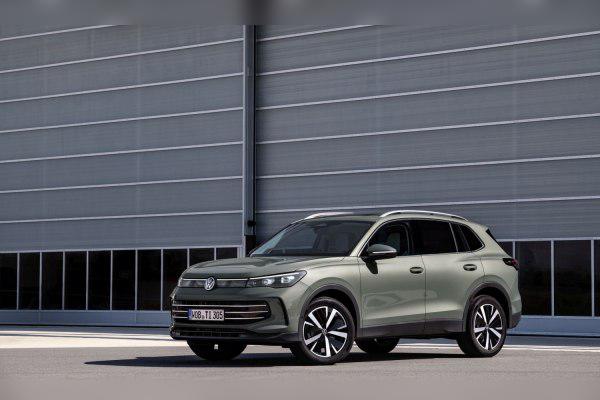
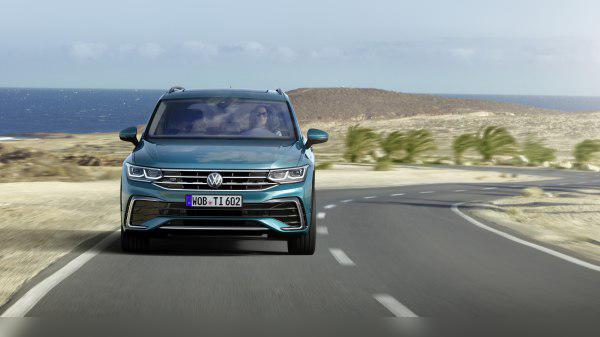
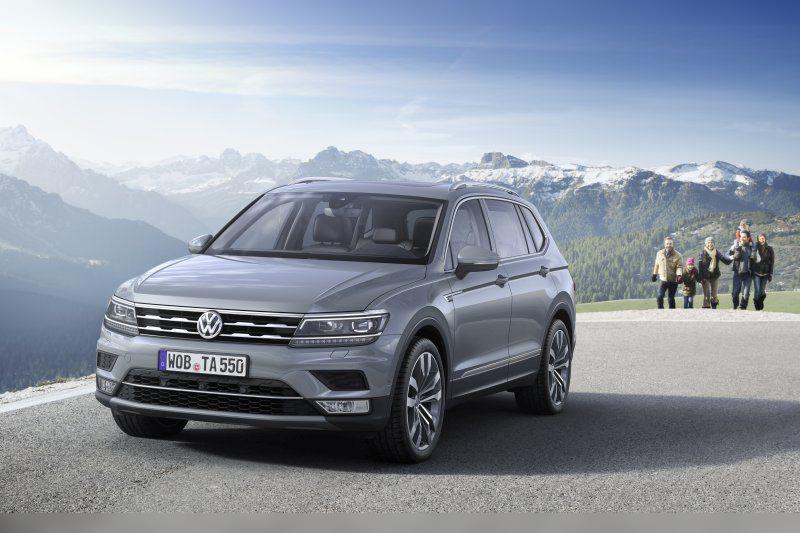
DFGA 2.0 TDI Engine (150 hp): Detailed Analysis, Ownership Experience and Maintenance
1. The most important in short (TL;DR)
- Reliable workhorse: DFGA belongs to the modern EA288 generation of engines from the VW Group and is considered one of the most well-balanced diesels on the market.
- AdBlue system: As a Euro 6 engine, it has an SCR catalyst and AdBlue system, which can be a source of expensive repairs (heaters, pumps, injectors).
- Water pump: One of the few factory weak points – it often starts leaking or seizes before the scheduled timing belt service.
- Ideal for highway driving: In combination with a DSG gearbox, this is a sovereign ruler of the fast lane with low fuel consumption.
- Dual-mass flywheel: A standard wear part that will inevitably need replacement at higher mileage.
- Recommendation: An excellent choice for heavier bodies (Tiguan, Tarraco, Q3), while in the A3 and Q2 it feels very lively.
Contents
- Introduction
- Technical Specifications
- Reliability and Maintenance
- Specific Components (Costs)
- Fuel Consumption and Performance
- Additional Options and Modifications
- Gearbox
- Buying Used and Conclusion
Introduction
The DFGA engine is a modern representative of Volkswagen Group’s two-liter diesel units. It produces 150 hp (110 kW) and represents the “golden middle” in the range – powerful enough to move heavy SUV models like the VW Tiguan and Seat Tarraco, while being more economical and cheaper to register than the stronger 190 or 200 hp versions. It is installed in a wide range of vehicles on the MQB platform, from the compact Audi A3 to the family seven-seater Seat Tarraco. For many drivers in Europe, this is the default choice when looking for a used diesel.
Technical Specifications
| Parameter | Value |
| Engine displacement | 1968 cc (2.0 L) |
| Power | 110 kW / 150 hp |
| Torque | 340 Nm at 1750–3000 rpm |
| Engine code | DFGA (EA288 family) |
| Injection system | Common Rail (Bosch/Continental) |
| Turbocharger | Single, variable geometry (VGT) |
| Emission standard | Euro 6 (with AdBlue) |
Reliability and Maintenance
Timing belt or chain?
The DFGA engine uses a timing belt for the valvetrain. This is good news because the system is quieter and generally more predictable than a chain. The factory replacement interval is optimistically set at 210,000 km, but in practice experienced mechanics strongly recommend doing the “major service” earlier.
Most common issues
Although DFGA is reliable, it has a few specific problems:
- Water pump: This is the most common weak point. The pump has a variable ring that regulates coolant flow (so the engine warms up faster). That ring can seize, which leads to engine overheating, or the pump simply starts leaking. Symptoms are coolant loss or a sudden rise in temperature.
- AdBlue system: Heaters in the AdBlue tank, dosing pumps or the urea injectors themselves tend to fail. Repairs are expensive (often over 500 EUR, depending on the market), and the car will often refuse to start if the system is not working.
- Oil leak at the crankshaft seal: Not a widespread issue, but it does occur at higher mileage.
Timing belt service and oil change
As mentioned, the factory says 210,000 km for the belt. However, if you want peace of mind, do the major service between 150,000 km and 180,000 km or after 5–6 years of age. Make sure to replace the water pump at the same time.
The oil capacity is about 5.5 to 5.7 liters (depending on whether the filter is changed). It is recommended to use only fully synthetic 5W-30 or 0W-30 oil that meets the strict VW 507.00 specification (because of the DPF filter). Do the minor service at a maximum of 15,000 km or once a year, even though the car may request a “Long Life” service at 30,000 km – avoid that if you want longevity.
Oil consumption
Unlike the older PD (Pumpe-Düse) engines, CR engines like DFGA consume significantly less oil. Consumption of 0.5 liters per 10,000 km is considered completely normal and acceptable. If it consumes more than a liter over a service interval, the turbocharger or piston rings should be checked.
Injector longevity
The injectors on this engine are very durable. With good-quality fuel, they easily last 250,000–300,000 km. Symptoms of bad injectors are rough idle (fluctuating revs), increased smoke when accelerating, or difficult starting. Reconditioning is possible, but it is often better to buy new or factory-refurbished ones.
Specific Components (Costs)
Dual-mass flywheel
Yes, the DFGA engine is paired with a dual-mass flywheel, regardless of whether the gearbox is manual or automatic (DSG). With DSG, the flywheel usually lasts longer because the computer smooths out torque shocks. Expect replacement somewhere around 200,000 km. Symptoms are metallic knocking when starting and stopping the engine, as well as vibrations at idle. The price is high (expensive part).
Turbocharger
The engine uses a single variable-geometry turbocharger. It is very reliable. With regular oil changes and proper cooldown after spirited driving, the turbo will last as long as the engine (300,000+ km). The actuator (electronic part) can cause problems, but it can often be replaced separately.
Emissions: DPF, EGR and AdBlue
This is the Achilles’ heel of all modern diesels.
DPF filter: If you drive only in the city (e.g. an Audi Q2 in heavy traffic), the DPF will clog quickly. It needs to be “blown out” on open roads.
EGR valve: Prone to soot build-up. Cleaning helps, but sometimes replacement is necessary.
AdBlue: Yes, this engine has AdBlue. Problems with NOx sensors and urea crystallization are common. There are AdBlue additives that prevent crystallization and they are highly recommended as a preventive measure.
Fuel Consumption and Performance
City driving
Fuel consumption varies greatly depending on the model.
In a lighter Audi A3 or Q2, real-world city consumption is around 6.0–7.0 l/100 km.
In a heavy Seat Tarraco or VW Tiguan Allspace with 4x4, expect between 7.5 and 9.0 l/100 km in traffic jams.
Is the engine “sluggish”?
With 340 Nm of torque, the engine is not sluggish. However, in models like the Tarraco (7 seats) or Tiguan, when fully loaded with passengers, 150 hp is the lower limit for comfortable driving. It’s not a sports engine, but it will pull uphill. In the A3 and Q2, this engine delivers almost sporty performance.
Highway and cruising
This is the natural habitat of the DFGA engine. At 130 km/h in 7th gear (DSG), the engine spins at a low 2,000–2,100 rpm. It is very quiet then, and fuel consumption is around 5.5 to 6.5 liters, depending on the vehicle’s aerodynamics (SUVs consume more). Overtaking is safe, often without the need to downshift.
Additional Options and Modifications
Chip tuning (Stage 1)
The DFGA engine is very suitable for chip tuning. As it is mechanically very similar to the more powerful versions (with differences in the turbo and cooling), a Stage 1 remap safely raises it to about 185–190 hp and 400–420 Nm. This drastically changes the character of the vehicle, especially in heavier SUVs. However, keep in mind that higher torque wears out the dual-mass flywheel and clutches faster.
Gearbox
Types of gearboxes
The DFGA is most commonly paired with:
1. 6-speed manual: Precise, robust.
2. 7-speed DSG (DQ381 or DQ500): In these model years (2016+), with the 2.0 TDI you usually get a “wet” DSG (clutches run in oil). In heavier vehicles (Tarraco 4Drive) you often find the robust DQ500, while in the A3/Q3 the DQ381 is more common.
Failures and maintenance
Manual: Rarely fails. Clutch wear depends on driving style.
DSG (automatic): The most important thing is gearbox oil change. The factory says 60,000 km or 120,000 km (depending on the exact gearbox code), but the recommendation is strictly every 60,000 km. If the oil is not changed, the mechatronics (the gearbox “brain”) will fail, and that repair costs several thousand euros. The clutches are durable and last over 200,000 km with regular maintenance.
Buying Used and Conclusion
What to check before buying?
- Cold start: Listen to the engine when it is cold. There should be no metallic knocking (flywheel) or uneven running (injectors).
- Coolant: Check the coolant reservoir. If the level is below minimum, suspect the water pump or EGR cooler. Also, the coolant must be clean (pink), not brown.
- Diagnostics: Check the DPF filter status (ash load) and injector corrections. Also check for errors related to the AdBlue system.
- Gearbox history: If it’s a DSG, ask for proof of gearbox oil changes every 60k km. Without that, the purchase is risky.
Conclusion: The DFGA 2.0 TDI engine is an excellent choice for the average European driver. It offers a perfect balance between power and economy. Although it has modern emission systems that can be expensive to maintain, its mechanical base is solid. It is ideal for those who cover a lot of kilometers on open roads. For exclusively city driving, a petrol engine is a better option due to DPF issues.
Was this content useful to you?
Your opinion helps us to improve the quality of the content.