EA888 / CJSB Engine
- Engine
- 1798 cm3
- Aspiration
- Turbocharger, Intercooler
- Fuel
- Petrol (Gasoline)
- Fuel injection system
- Direct injection and Multi-port manifold injection
- Power
- 180 hp
- Torque
- 280 Nm
- Cylinders
- 4
- Valves
- 16, 4 per cylinder
- Cylinders position
- Inline
- Valvetrain
- DOHC
- Oil capacity
- 5.2 l
- Coolant
- 7.8 l
- Systems
- Start & Stop System
# Vehicles powered by this engine
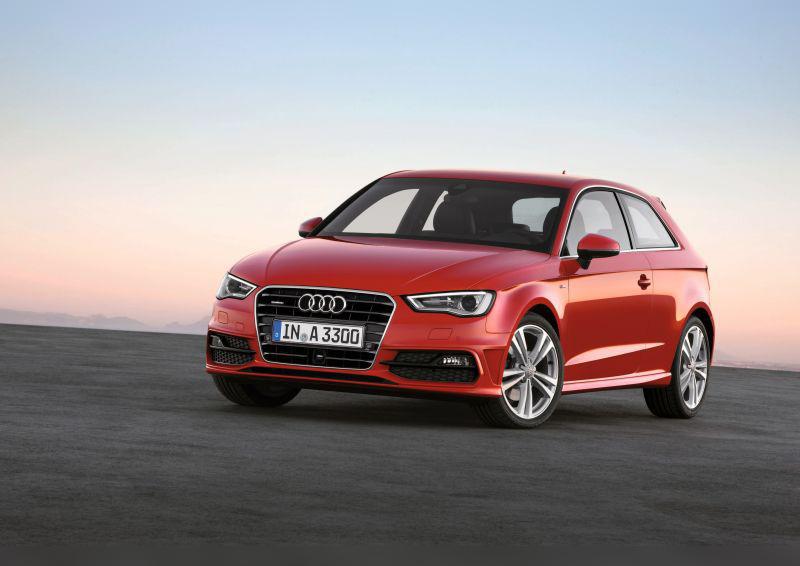
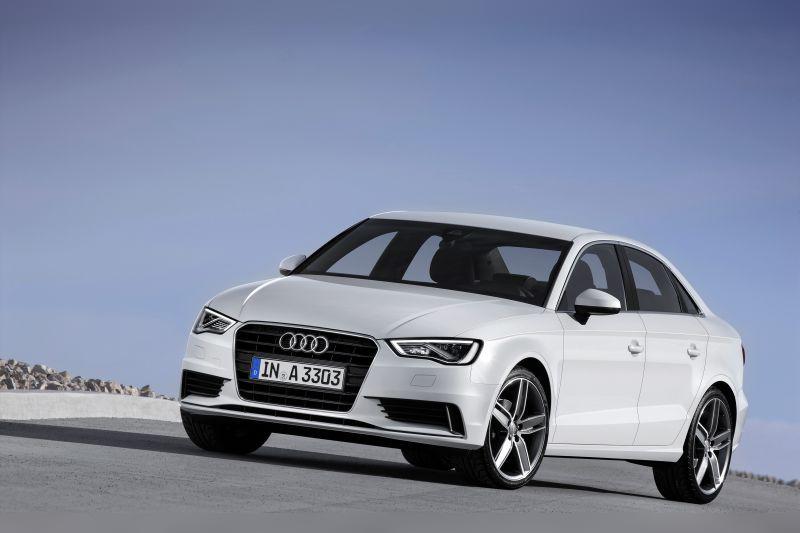
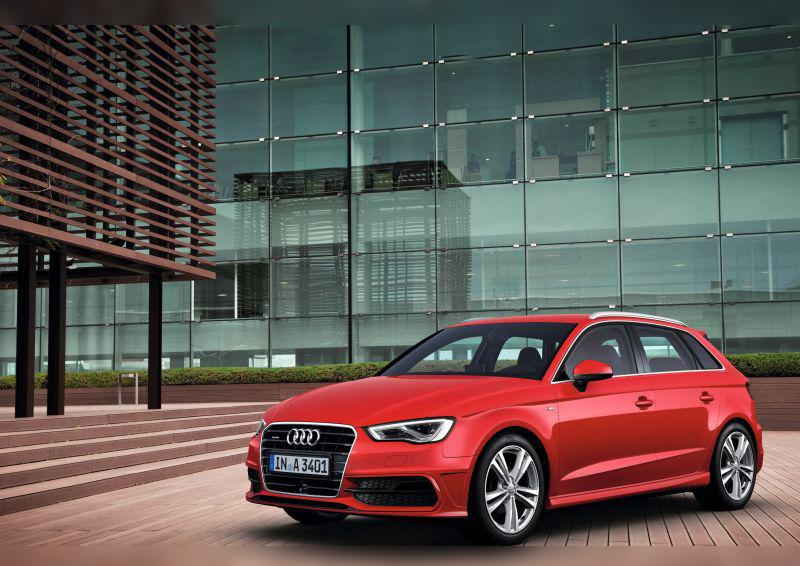
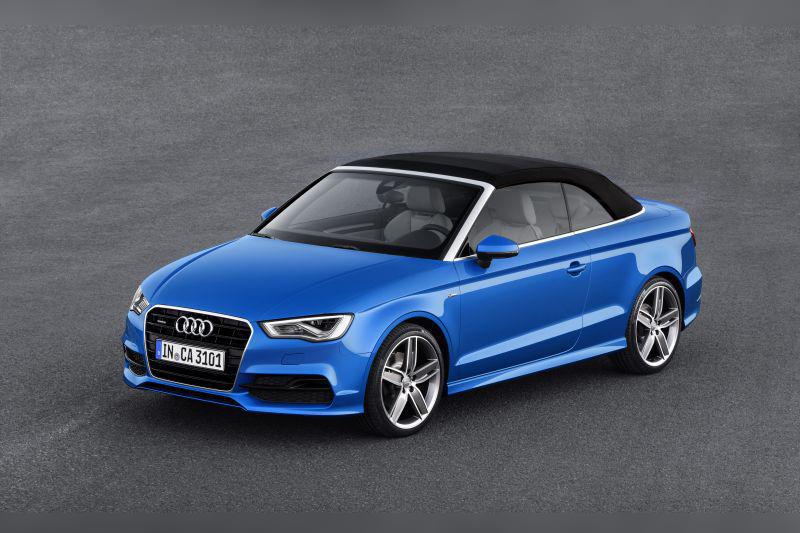
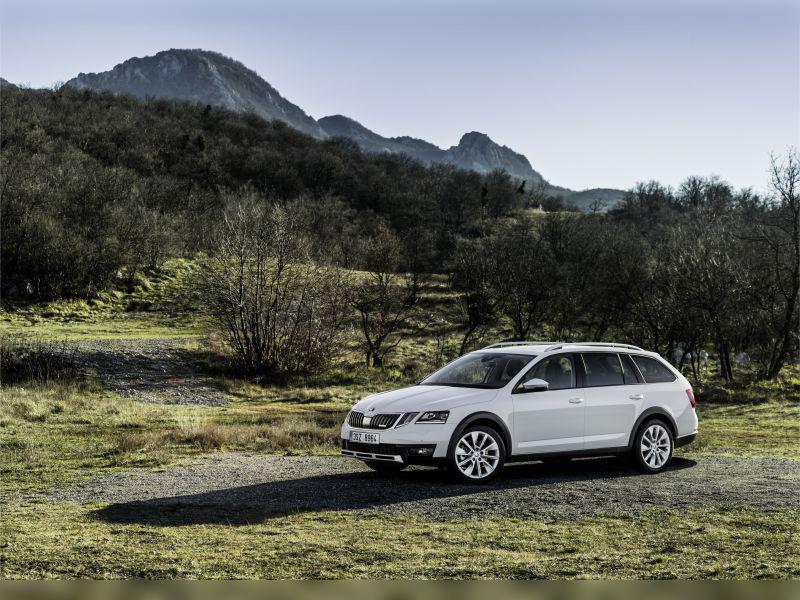
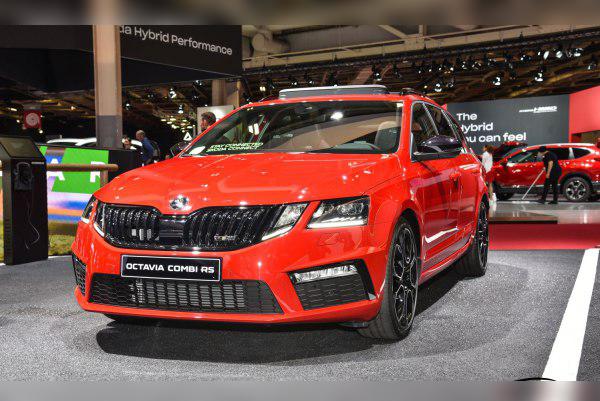
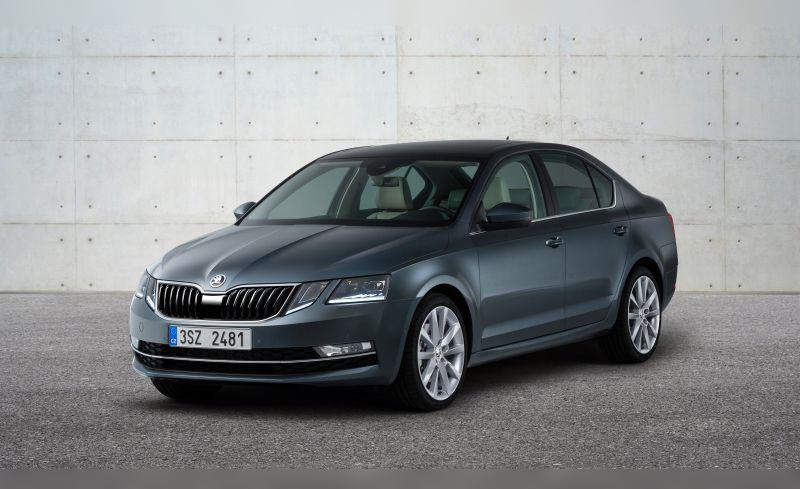
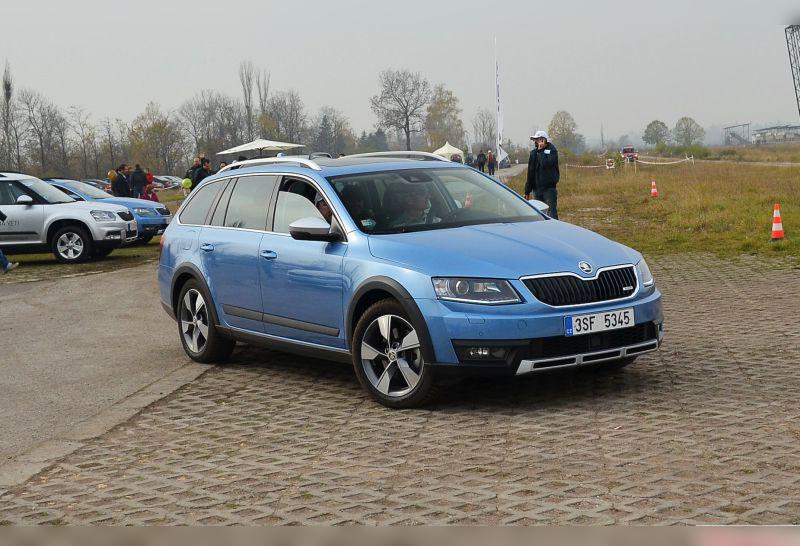
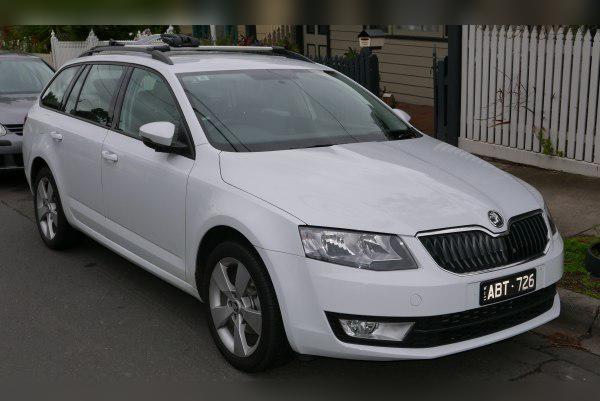
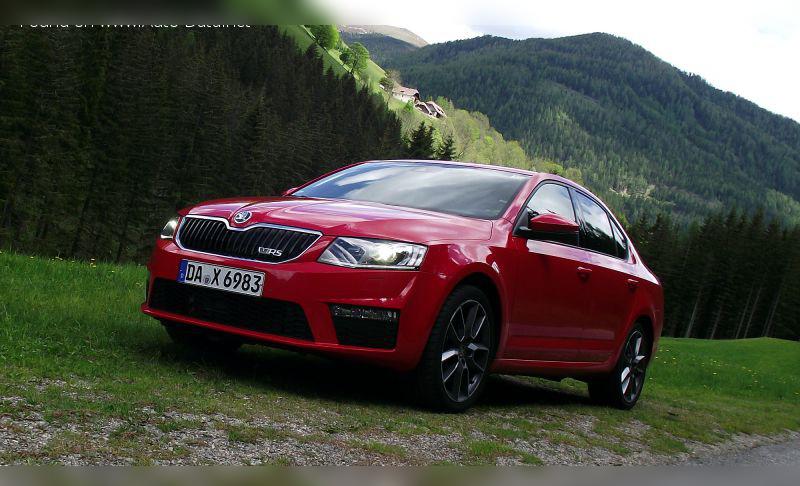

EA888 / CJSB 1.8 TFSI/TSI (180 HP) – Experiences, problems, fuel consumption and used-car buying guide
The engine designated as CJSB belongs to the third generation (Gen 3) of the famous VAG EA888 family. This is a key piece of information because many drivers avoid 1.8 TSI engines due to the bad reputation of the previous generation (which burned oil like fuel). Fortunately, the CJSB is a drastically improved unit. It was installed in the “more powerful” versions of compact cars from the VW group, often combined with all-wheel drive (Quattro / 4Motion / 4x4) and automatic gearboxes.
Key points in short (TL;DR)
- Oil consumption issue solved: Unlike its predecessor (Gen 2), this engine has redesigned pistons and rings, so oil consumption is reduced to a reasonable level.
- Excellent performance: With 180 HP and 280 Nm, this engine offers a sporty feel in bodies such as the Golf, A3 or Octavia.
- Complex injection system: It uses both direct and indirect injection (MPI + FSI), which prevents carbon buildup on the valves.
- Water pump and thermostat: The biggest “weak spot”. The thermostat housing is plastic and complex, and it often cracks and leaks.
- Timing chain: Although the tensioning system has been improved, the chain still needs to be checked, especially after 150,000 km.
- Gearbox: It almost always comes with a DSG gearbox. Maintaining the gearbox is just as important as maintaining the engine.
Contents
- Technical specifications
- Reliability and maintenance
- Specific parts and costs
- Fuel consumption and performance
- Additional options and modifications
- Gearbox and drivetrain
- Buying used and conclusion
Technical specifications
| Parameter | Data |
|---|---|
| Name / Engine code | EA888 Gen 3 / CJSB |
| Displacement | 1798 cc (1.8 liters) |
| Power | 132 kW (180 HP) at 5100–6200 rpm |
| Torque | 280 Nm at 1350–4500 rpm |
| Fuel type | Petrol (Recommended 95 or 98 octane) |
| Charging method | Turbocharger (IHI IS12), intercooler |
| Injection system | Combined: Direct (FSI) + Indirect (MPI) |
| Number of cylinders / valves | 4 / 16 |
Reliability and maintenance
Does this engine have a timing belt or a chain?
The 1.8 TSI (CJSB) engine uses a chain to drive the camshafts. This is the third generation of the chain system. Although the chain-stretch problems (which destroyed engines before 2012) have largely been solved with a better design of the tensioner and the chain itself, this is not a component that lasts “forever”. It is recommended to check chain stretch via diagnostics or visually (through the inspection opening) every 60,000 km after the first 100,000 km. A symptom of a problem is rattling at cold start that lasts longer than 2–3 seconds.
What are the most common failures on this engine?
Although more reliable than its predecessor, the CJSB has its specific issues:
- Thermostat module and water pump: This is the Achilles’ heel of this engine. The housing is made of plastic and is located close to the engine block where temperatures are high. It often deforms and coolant starts leaking. The symptom is loss of coolant without visible traces under the car (because it evaporates on the block) or the smell of coolant in the cabin.
- PCV valve (oil vapor separator): If the membrane tears, the engine starts running rough, the “Check Engine” light comes on, and oil consumption can suddenly increase.
- Camshaft sensors: They sometimes fail, which causes hard starting.
At what mileage is the major service done?
Since the engine has a chain, the classic “major service” (belt replacement) is not done at a fixed interval. However, the auxiliary (serpentine) belt kit (the ribbed belt that drives the alternator and A/C) with tensioners should be replaced at around 100,000–120,000 km. The chain is replaced strictly when needed (when it can be heard or diagnostics shows stretch), which in practice usually happens between 150,000 km and 200,000 km, although some units cover more without intervention.
How many liters of oil does this engine take and which grade is recommended?
The engine holds approximately 5.7 liters of engine oil (with filter). Due to variable sump capacity on different models, always buy 6 liters. The recommended grade is usually 5W-30 or 0W-30 that meets the strict VW standards VW 504.00 / 507.00. Some newer workshops may recommend 0W-20 (VW 508.00), but for used cars with higher mileage, 5W-30 is a safer choice for engine protection.
Does it consume oil between services?
Unlike the notorious second generation, CJSB engines have a changed design of piston rings and should not have extreme oil consumption. Still, like any turbo engine, it is normal to consume a certain amount. Consumption of 0.5 to 1 liter per 10,000 km is considered completely acceptable and normal. If it consumes more than that (e.g. a liter every 2–3 thousand km), this points to a problem with the turbo or PCV valve, and less often with the rings.
At what mileage should the spark plugs be replaced?
Spark plugs should be replaced every 60,000 km. It is recommended to use high-quality iridium or platinum spark plugs (NGK or Bosch recommended for this engine type). Due to direct injection and turbocharging, the plugs are under high thermal load. Ignoring replacement can lead to coil failure (which are also wear items).
Specific parts (Costs)
Does the engine have a dual-mass flywheel?
Yes. All models mentioned in your query (A3, Octavia, Golf Alltrack) with this engine and DSG gearbox are equipped with a dual-mass flywheel. Its role is to dampen engine vibrations before they are transmitted to the gearbox. On DSG models, a faulty flywheel can be heard as metallic knocking at idle (especially near the left wheel) that disappears or changes sound when you apply throttle.
What kind of injection system does it have and are the injectors problematic?
This is one of the best features of the EA888 Gen 3 engines. It uses a combined injection system. It has 4 injectors for direct injection (into the cylinder) and 4 injectors for indirect injection (into the intake manifold).
Advantage: The indirect injectors wash the intake valves with petrol, which solves the carbon buildup problem that plagues most modern petrol engines. The injectors are generally reliable, but replacing the direct injectors is an expensive job. They are not prone to frequent failures.
Does the engine have a turbocharger and what is its lifespan?
The engine uses a single IHI IS12 turbocharger. This is a smaller turbo designed for quick response (no “turbo lag”). Its lifespan is long and it often lasts as long as the engine itself with proper maintenance (regular oil changes and letting the engine cool down before switching off). Failures are mainly related to the electronic actuator (wastegate), which can be replaced separately, or to play in the shaft if the car has been driven with poor-quality oil.
Does it have a DPF filter or an EGR valve?
Since this is a petrol engine, it does not have a DPF filter (like diesels do), but models produced after 2018/2019 may have a GPF (Gasoline Particulate Filter). However, most of the models from your list (2013–2018) only have a standard catalytic converter. The engine has an exhaust gas recirculation system (EGR functionality), but in this generation it is implemented via variable valve timing (internal EGR), so there is no classic EGR valve that clogs and sticks like on older vehicles.
Does this engine use AdBlue?
No. AdBlue is used exclusively on diesel engines to reduce NOx emissions. This petrol engine does not require any additional fluids apart from petrol, oil and coolant.
Fuel consumption and performance
What is the real fuel consumption in city driving?
You have to be realistic – this is a 180 HP engine, often paired with all-wheel drive (4x4/Quattro), which adds weight and friction. In heavy city traffic, real-world consumption is between 10 and 12 liters per 100 km. In lighter city conditions it can drop to 8.5 l/100 km, but going below that is difficult.
Is this engine “lazy” for the weight of the car?
Absolutely not. With 280 Nm of torque available from as low as 1350 rpm, this engine pulls very strongly. In models such as the Octavia Scout or Golf Alltrack, the 0–100 km/h time is usually under 8 seconds. The driving feel is much more agile than with a 2.0 TDI of similar power because the petrol engine is lighter at the front of the car.
How does the engine behave on the motorway?
This is the natural habitat of this engine. At 130 km/h, thanks to the long gear ratios of the DSG gearbox (usually 6th gear on the DQ250), the engine spins at a comfortable 2400–2600 rpm. This results in a quiet cabin and fuel consumption on the open road that drops to 7 to 8 liters. Overtaking is easy and does not require drastic downshifts.
Additional options and modifications
Is this engine suitable for LPG conversion?
Technically it is possible, but it is economically questionable and complicated. Due to direct fuel injection into the cylinders, a special (and expensive) sequential system is required that either injects liquid LPG directly through the petrol injectors, or a system that uses a mixture (e.g. 80% LPG, 20% petrol) to cool the petrol injectors. The installation cost is high (often over 1000 EUR, depending on the market), so it only pays off for those who drive very high mileages.
How far can this engine be safely “chipped” (Stage 1)?
The EA888 Gen 3 is every tuner’s dream. The engine has huge potential. A safe “Stage 1” (software only, no mechanical changes) raises power from 180 HP to approximately 220–240 HP, and torque jumps to 350–370 Nm. The engine can handle this power without issues, but keep in mind that higher torque puts more stress on the gearbox and turbo.
Gearbox
Which gearboxes are used?
With the 1.8 TSI (180 HP) and 4x4 drive (which is the case for all models on your list), the standard is a DSG dual-clutch automatic gearbox. Specifically, it is the DQ250 model (6 speeds, wet clutches). This is important because the DQ250 is much more robust and reliable than the notorious “dry” DQ200 gearbox (7 speeds) that was used in lower-powered front-wheel-drive versions.
Most common failures and gearbox maintenance?
The DQ250 is a very reliable gearbox if maintained properly.
Maintenance: Oil and filter changes in the gearbox are MANDATORY every 60,000 km. If this is skipped, the mechatronics (the gearbox brain) will fail.
Failures: The most common failure is the mechatronics (symptoms: harsh shifts, jerks, dropping out of gear) or worn clutch packs at high mileage.
Cost: Repairing the mechatronics or replacing the clutches is an expensive job (depending on the market, but it falls into the “very expensive” category).
What is the cost of clutch replacement (clutch kit)?
On DSG gearboxes you do not replace the clutch like on a manual. The “clutch pack” is replaced. This is a complex procedure. The dual-mass flywheel is usually replaced at the same time. The price of the complete service (flywheel + clutch pack + labor) can be a significant hit to the budget, often reaching 10–15% of the value of the used vehicle.
Buying used and conclusion
When buying a used car with this engine, make sure to do the following:
- Cold start: Insist that the engine is completely cold. Listen carefully during the first 3–5 seconds. If you hear loud metallic rattling or grinding, the chain needs to be replaced.
- Check for leaks: Remove the plastic engine cover and use a flashlight to illuminate the area under the intake manifold (at the front of the engine). If you see pink/red traces (dried coolant), the thermostat housing is leaking.
- Test drive (gearbox): The gearbox must shift smoothly, both up and down. Start slowly uphill without using the throttle – the car must not shudder or jerk.
- Check the exhaust: A sooty exhaust is normal, but greasy black deposits indicate oil consumption.
Conclusion
The EA888 Gen 3 (CJSB) is a fantastic engine that has been unfairly overlooked because of the mistakes of its predecessors. It is ideal for drivers who want GTI-level performance but in a discreet “family” package (Octavia Combi or Golf Alltrack). It offers an excellent balance between power and refinement.
It is not for those who want the absolute cheapest possible maintenance (in that case the 2.0 TDI is a better choice due to simpler resale and parts), but for enthusiasts who enjoy driving a petrol engine and are willing to regularly maintain the DSG gearbox and cooling system – this is a highly recommended option.
Was this content useful to you?
Your opinion helps us to improve the quality of the content.