EA888 / CJSA Engine
- Engine
- 1798 cm3
- Aspiration
- Turbocharger, Intercooler
- Fuel
- Petrol (Gasoline)
- Fuel injection system
- Direct injection and Multi-port manifold injection
- Power
- 180 hp @ 5100 rpm
- Torque
- 250 Nm
- Cylinders
- 4
- Valves
- 16, 4 per cylinder
- Cylinders position
- Inline
- Valvetrain
- DOHC
- Oil capacity
- 5.2 l
- Coolant
- 10 l
- Systems
- Start & Stop System
# Vehicles powered by this engine
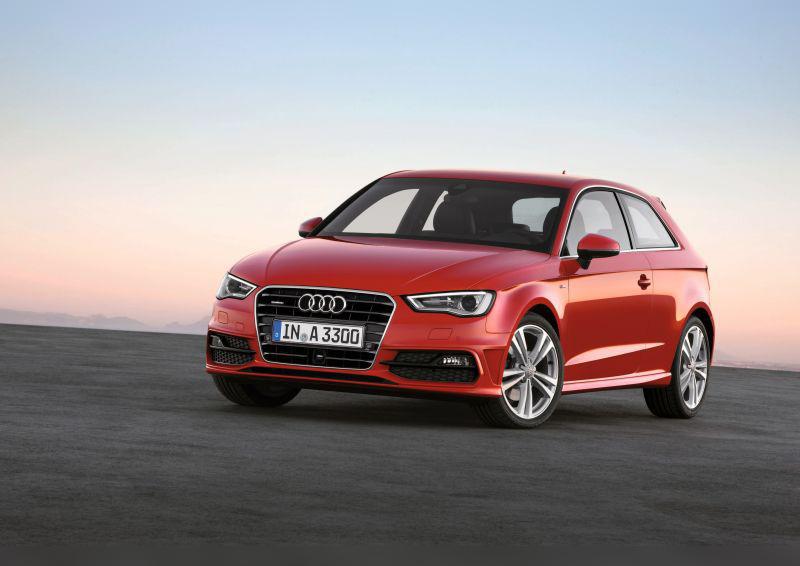
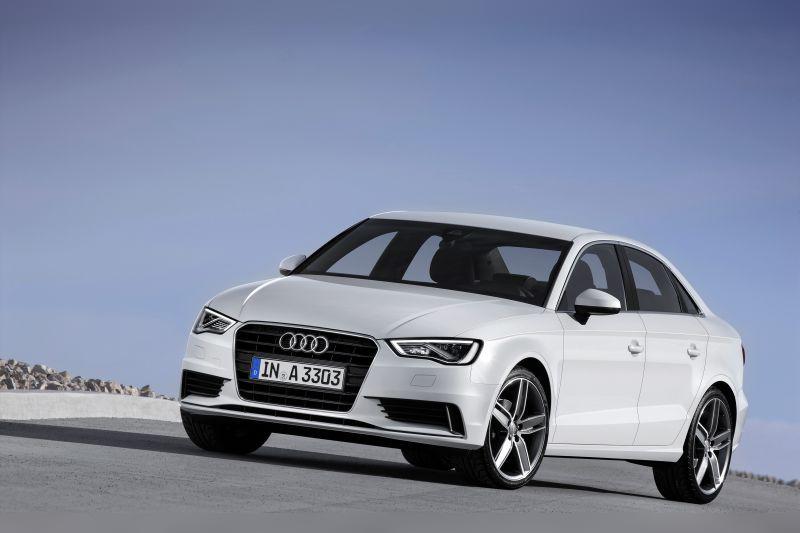
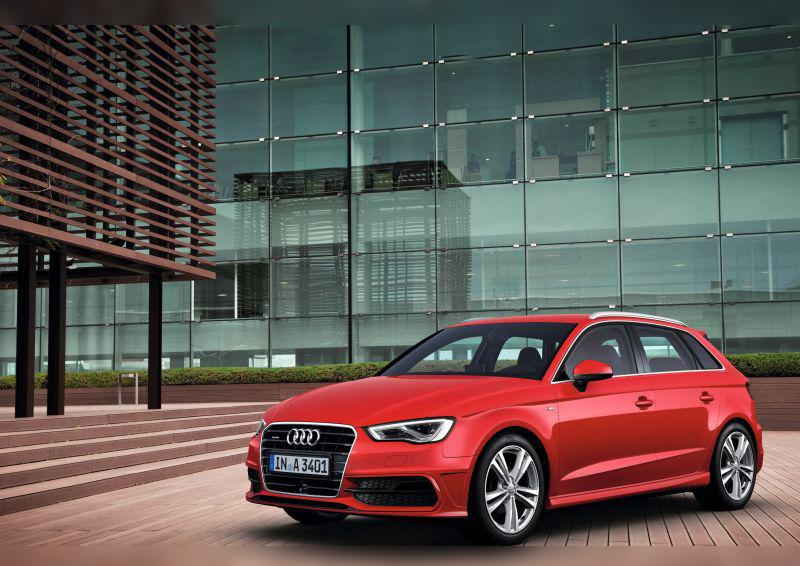
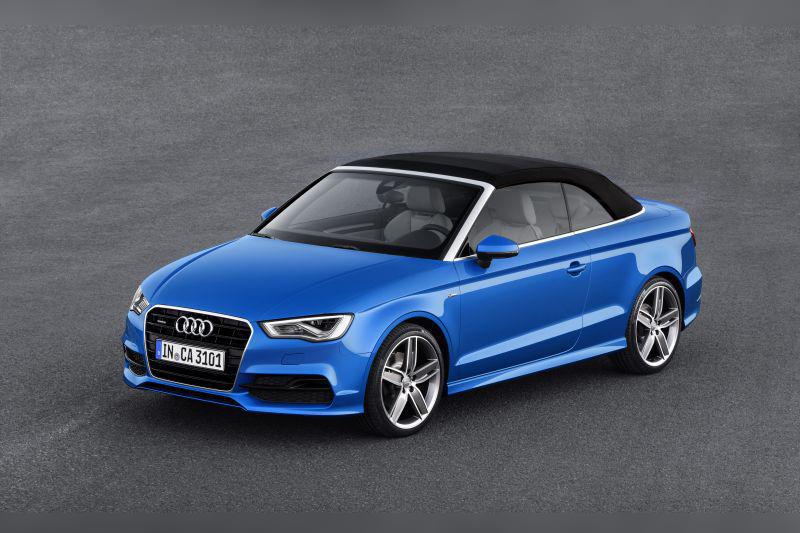
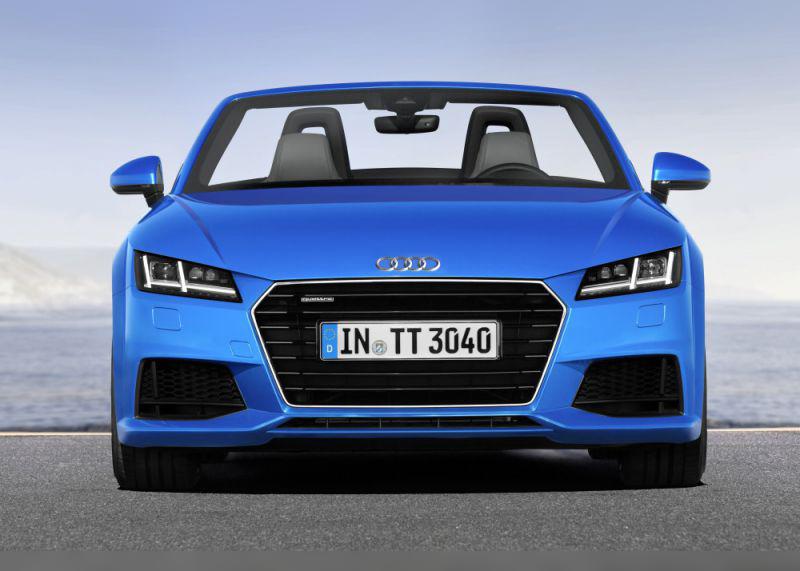
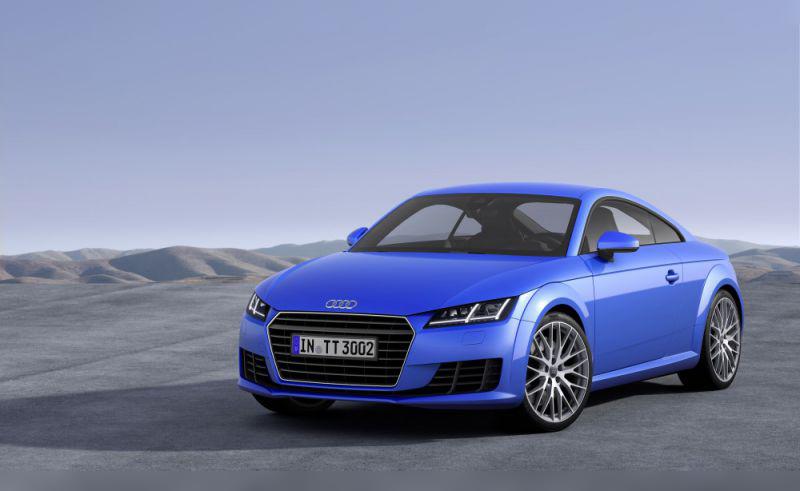

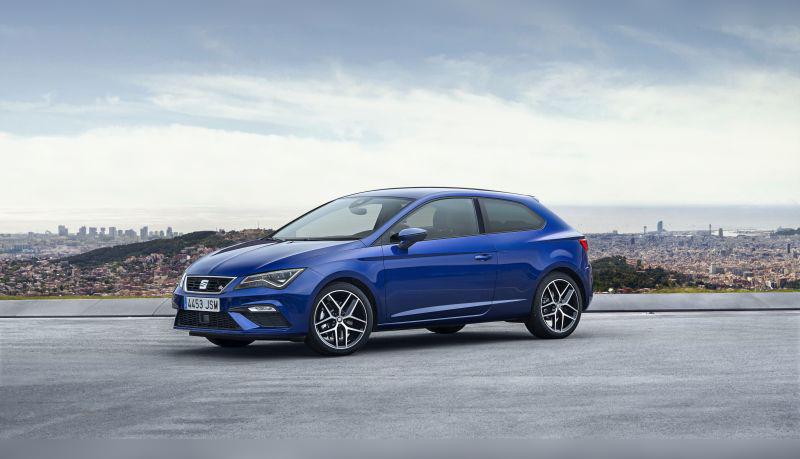
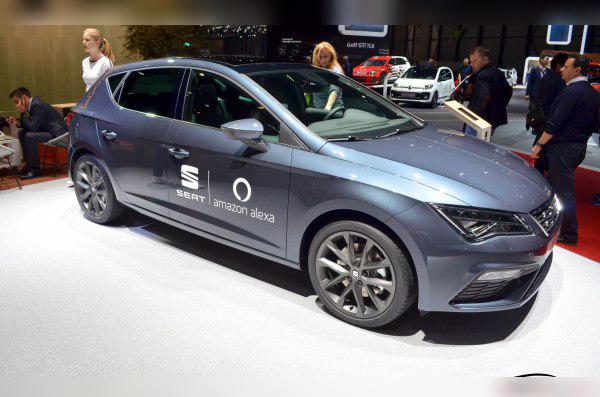
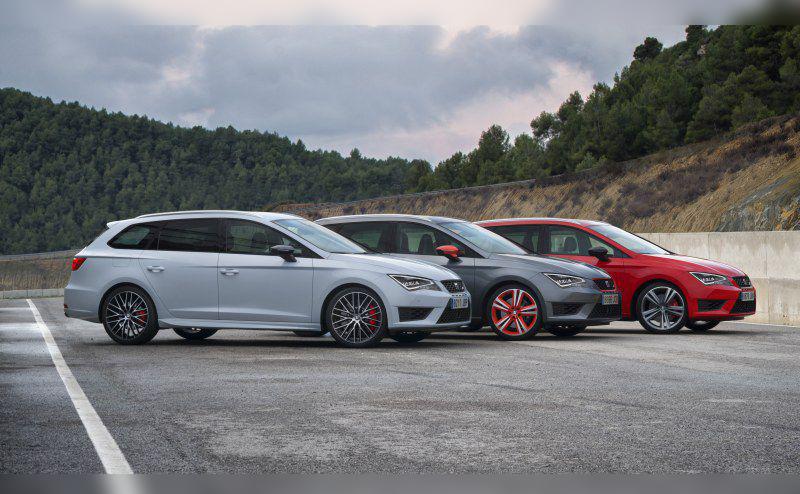
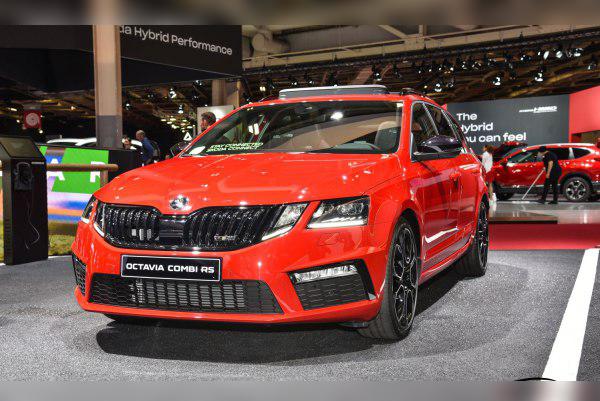
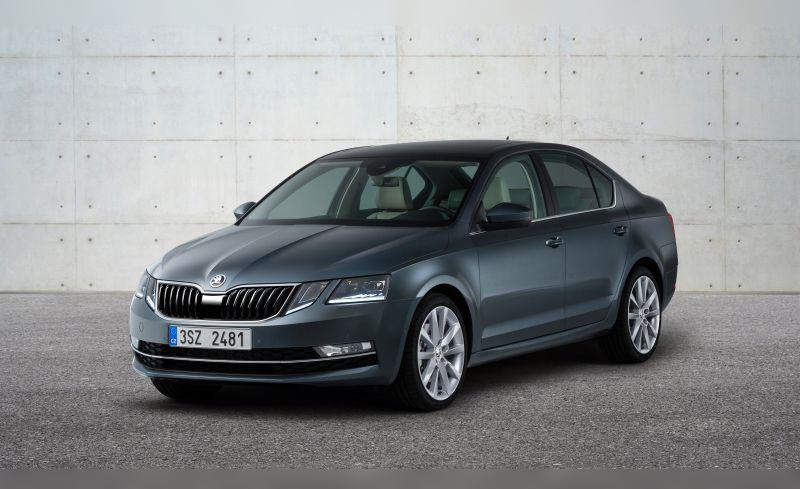
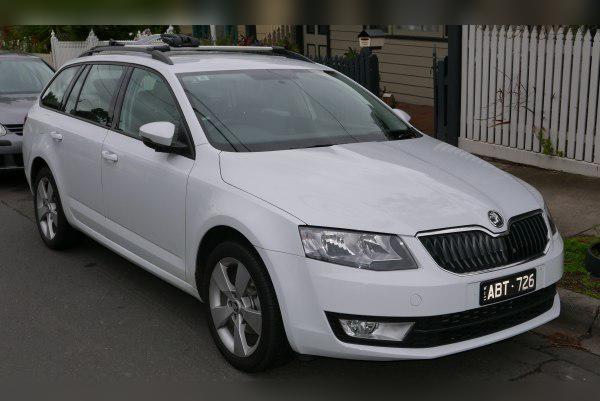
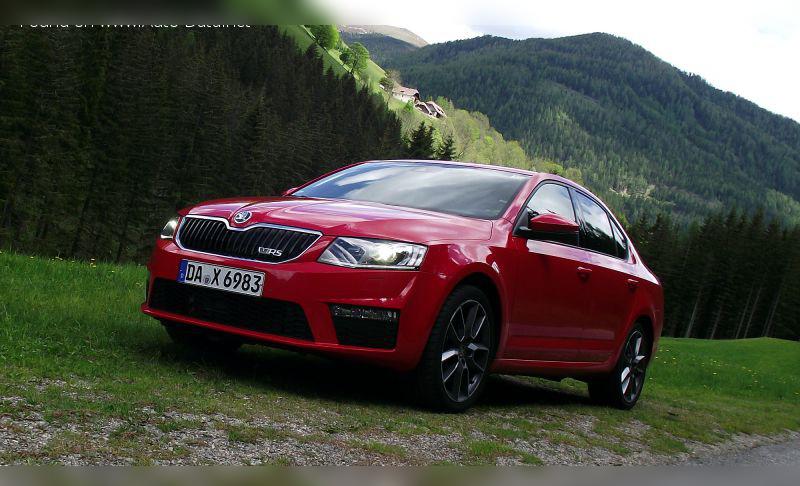
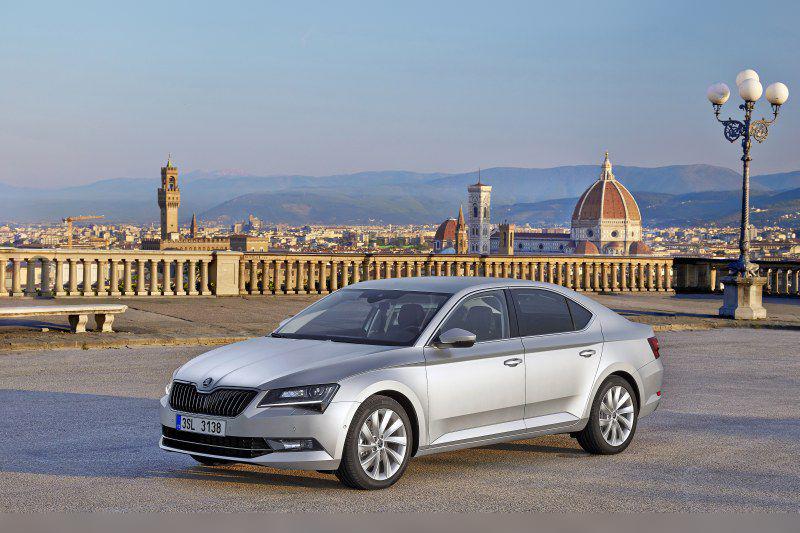
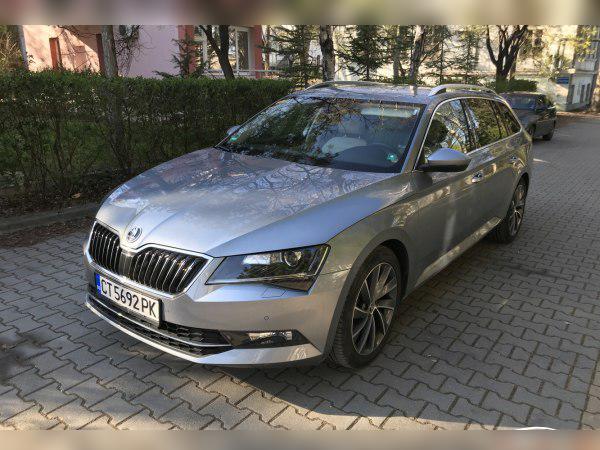
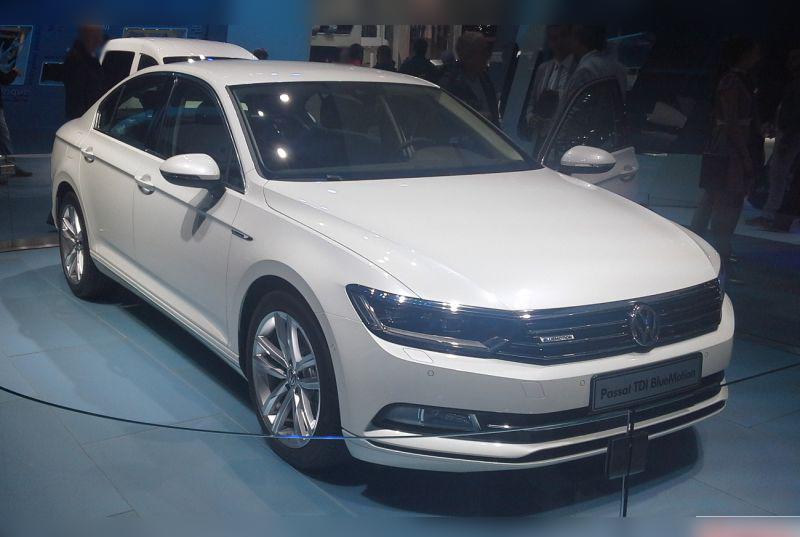
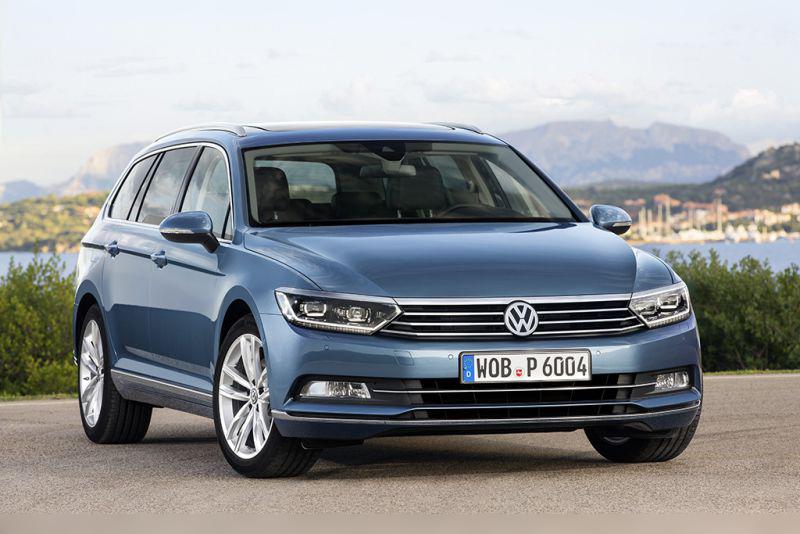
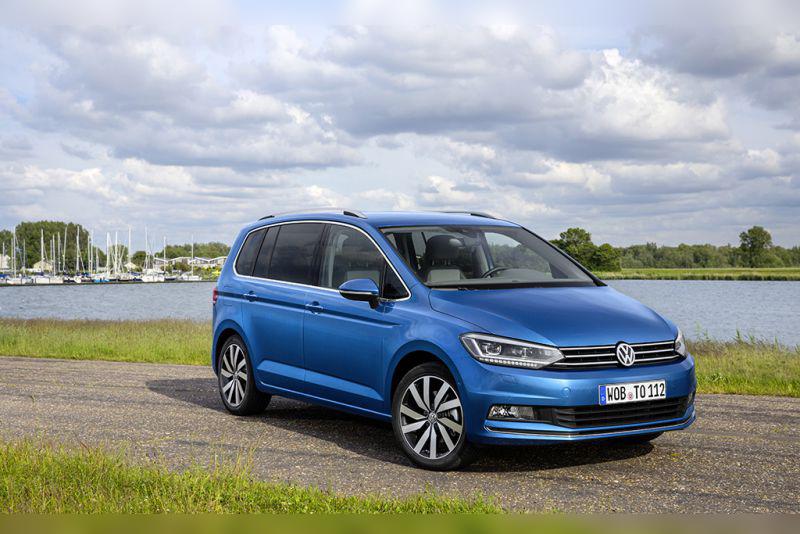
1.8 TSI / TFSI (EA888 Gen 3) CJSA – Experiences, issues, fuel consumption and maintenance
If you’re looking for the “golden middle” in the Volkswagen Group world – an engine that’s stronger than the economical 1.4 TSI, yet cheaper to maintain and register than the sporty 2.0 TSI – you’re probably looking at the 1.8 TSI (TFSI in Audi) with the CJSA code. This is a third-generation unit of the renowned (and sometimes infamous) EA888 series.
Unlike its predecessor (Gen 2), which was notorious for excessive oil consumption, this engine brings drastic improvements, a sophisticated injection system and excellent performance. Still, it’s not without flaws, and most of them revolve around the cooling system and the gearboxes it’s paired with.
Key points in short (TL;DR)
- Oil issue solved: This is a Gen 3 engine, which means the problematic piston rings from the past were replaced and the engine should not consume oil in large quantities.
- Dual injection: It has both direct and indirect injection, which means the intake valves don’t get dirty (no carbon buildup).
- Water pump and thermostat: The weakest point of the engine. The thermostat housing is plastic and often cracks or leaks.
- DSG gearbox (DQ200): Torque is deliberately limited to 250 Nm in order to protect the 7-speed “dry” DSG gearbox, which is more sensitive than the engine itself.
- Easy to drive: The engine is very flexible, quiet and offers performance that’s on the edge of sporty.
- Recommendation: An excellent choice for drivers who want a petrol engine with diesel-like power, but without DPF issues and noise.
Contents
- Technical Specifications
- Reliability and Maintenance
- Specific Parts and Costs
- Fuel Consumption and Performance
- Additional Options and Modifications
- Gearbox (Manual and DSG)
- Conclusion and Buying Tips
Technical Specifications
| Parameter | Value |
| Engine displacement | 1798 cc |
| Power | 132 kW / 180 hp |
| Torque | 250 Nm (available from just 1250 rpm) |
| Engine code | EA888 Gen 3 (CJSA, CJSB – 4x4 version) |
| Injection type | Combined: FSI (Direct) + MPI (Indirect) |
| Charging method | Turbocharger (IHI IS12) with intercooler |
Reliability and Maintenance
Timing chain or belt?
The 1.8 TSI (CJSA) engine uses a timing chain. This is an improved version of the chain and tensioner compared to older engines where chain jumping (“catastrophic failure”) was common. Although the system is much more reliable, the chain is not eternal. It’s recommended to check its condition (“stretch”) via diagnostics or visually (through the inspection opening on the cover) after 150,000 km.
Most common failures
As an experienced editor, I have to draw your attention to a few specific issues that follow this engine:
- Thermostat and water pump module: This is the “Achilles’ heel” of this engine. The housing is made of plastic, which deforms over time due to heating and cooling cycles. Symptoms include loss of coolant without visible traces under the car (until it becomes critical) or engine overheating. Replacement is expensive because the part is complex (depends on the market, but expect a serious cost).
- Camshaft solenoid valves: They can fail, which leads to rough idle.
- PCV valve (oil separator): If the membrane in this valve tears, the engine may start consuming oil, whistling while running, or turning on the “Check Engine” light due to incorrect mixture.
Service intervals and oil
There is no major service in the classic sense (belt replacement) because of the chain, but the auxiliary (serpentine) belt and tensioner should be replaced at around 100,000 – 120,000 km. If you hear chain rattling on cold start for longer than 2–3 seconds, that’s a sign to urgently check the chain regardless of mileage.
Oil: The engine takes approximately 5.7 liters of oil (check exactly by VIN, as oil pans can differ on 4x4 models). The recommended grade is usually 5W-30 (VW 504.00/507.00 standard), although newer service bulletins for some markets also allow 0W-20. My advice: stick to 5W-30 and change it every 10,000 to 15,000 km at most, or once a year. Forget about “Long Life” 30,000 km intervals if you want the engine to last.
Oil consumption
Does it consume oil? Yes, but within normal limits. Unlike the notorious 2008–2012 series, this engine has redesigned pistons and rings. Consumption of 0.5 to 1 liter per 10,000 km is perfectly acceptable and does not indicate a fault. If it consumes a liter per 1,000 km, you have a problem (usually the PCV valve or turbo, more rarely the rings).
Spark plugs
On turbo petrol engines with direct injection, spark plugs are under heavy load. It’s recommended to replace them every 60,000 km. Use only NGK or Bosch plugs specified for this engine (iridium/platinum).
Specific Parts (Costs)
Dual-mass flywheel: Yes, this engine has a dual-mass flywheel, regardless of whether it’s paired with a manual or DSG gearbox. Its lifespan is usually between 150,000 and 200,000 km, depending on driving style. Symptoms of failure are knocking when switching off the engine and vibrations at idle. Replacement is expensive (depends on the market).
Injection system: This is one of the strong sides of this engine. It uses an MPI+FSI system (8 injectors in total – 4 direct, 4 in the intake manifold). It was introduced for emissions reasons, but the side effect is excellent: the petrol flowing through the intake manifold “washes” the valves, so this engine does not suffer from carbon buildup that chokes typical direct-injection engines. Injectors are generally very reliable.
Turbocharger: It uses an IHI IS12 turbocharger (smaller than on the 2.0 TSI). It’s very responsive (spools from low revs) and generally reliable. Service life is usually over 200,000 km with regular oil changes. Its biggest enemy is shutting off a hot engine immediately after fast driving.
EGR and DPF (GPF): Petrol engines don’t have a DPF filter like diesels, but newer models (usually after 2018) can have a GPF (Gasoline Particulate Filter). Fortunately, engines with the CJSA code are mostly Euro 6b and do not have a GPF filter, which is a big advantage (fewer parts to fail). They also don’t have a typical problematic EGR valve; exhaust gas recirculation is handled via “smart” variable valve timing (VVT).
Fuel Consumption and Performance
City driving: Don’t expect miracles. This is a powerful turbo petrol engine. Real-world consumption in heavy stop-and-go traffic is between 9 and 11 liters per 100 km. In lighter city conditions it can drop to around 8.5 l/100 km.
Highway: This is where the engine shines. Thanks to the high torque and the 7-speed gearbox (or 6-speed manual), at 130 km/h it runs at a low 2,400 – 2,600 rpm. Highway consumption is between 6.5 and 7.5 liters, which is fantastic for 180 hp.
Is it “lazy”? Absolutely not. With 180 horsepower and, more importantly, 250 Nm available almost from idle (1250 rpm), this engine makes models such as the Octavia, Leon and even Passat very agile. 0–100 km/h acceleration is often under 8 seconds.
Additional Options and Modifications
LPG installation: Technically possible, but economically questionable. Due to direct injection, a special system is required (“Direct Liquid Max” or a system that uses both petrol and LPG at the same time to cool the petrol injectors). Such systems are very expensive (often over 1000 EUR), so they only pay off after very high mileage.
Chip tuning (Stage 1): The engine is “detuned” from the factory. The same block in other versions runs at higher power levels. A Stage 1 remap easily raises power to 220–230 hp and around 350 Nm.
WARNING: If you have an automatic gearbox (DSG), be careful. The DQ200 gearbox is factory-limited to 250 Nm. Tuning the engine without adapting (or strengthening) the gearbox will quickly lead to clutch slip and mechatronics failure.
Gearbox
With the 1.8 TSI (CJSA) you most commonly get two options:
- Manual gearbox (6-speed): Precise, reliable, cheap to maintain. You only need regular replacement of the clutch kit and dual-mass flywheel when worn. Change the gearbox oil preventively every 80,000 – 100,000 km.
- Automatic DSG gearbox (7-speed, code DQ200): This is a gearbox with “dry” clutches.
- Failures: This is the most sensitive assembly in the whole car. Failures of the mechatronics (hydraulic control unit) and premature clutch wear are common, especially if the car is driven a lot in city traffic.
- Maintenance: The factory says the oil is “filled for life”, but real-world experience says otherwise. It’s recommended to change the oil in the gearbox section and the hydraulic oil in the mechatronics every 60,000 km to extend its life.
- Symptoms of problems: Jerking when taking off, hesitation when shifting, metallic noises when driving over speed bumps (fork rattle – somewhat normal for a dry DSG, but should be checked).
Note: Models with all-wheel drive (Quattro/4Drive) usually use the more durable “wet” DSG (DQ250) with 6 speeds, which is much more robust.
Buying Used and Conclusion
Before buying a car with the 1.8 TSI engine, make sure to do the following:
- Listen to a cold start: Rattling for more than a couple of seconds means a chain problem.
- Inspect the water pump: Look under the intake manifold for traces of reddish coolant (dried deposits).
- Test the DSG: The gearbox must shift smoothly. Any knocking, especially when shifting from 1st to 2nd gear or when reversing, can easily mean a cost of 500 to 1000+ EUR.
Conclusion:
The 1.8 TSI CJSA engine is a fantastic engineering compromise. It offers power that will put a smile on your face, with fuel consumption that won’t bankrupt the owner on the open road. It has solved the main issues of older generations (oil consumption). Its biggest enemy is not the engine itself, but the DQ200 DSG gearbox in front-wheel-drive versions. If you find a car with a manual gearbox or a well-maintained DSG, this is probably the best all-round petrol engine you can buy in this class.
Was this content useful to you?
Your opinion helps us to improve the quality of the content.