CLHA Engine
- Engine
- 1598 cm3
- Aspiration
- Turbocharger, Intercooler
- Fuel
- Diesel
- Fuel injection system
- Diesel Commonrail
- Power
- 105 hp
- Torque
- 250 Nm
- Cylinders
- 4
- Valves
- 16, 4 per cylinder
- Cylinders position
- Inline
- Valvetrain
- DOHC
- Oil capacity
- 4.7 l
- Coolant
- 8.4 l
- Systems
- Start & Stop System, Particulate filter
# Vehicles powered by this engine
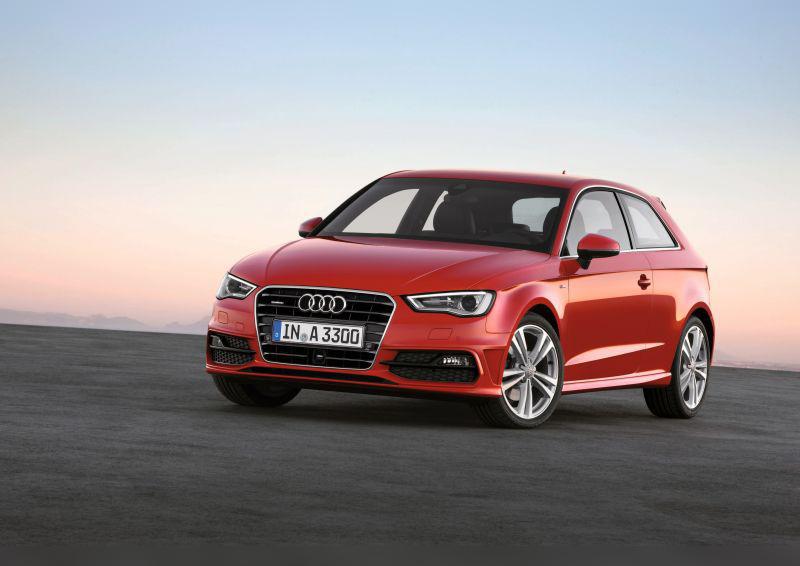
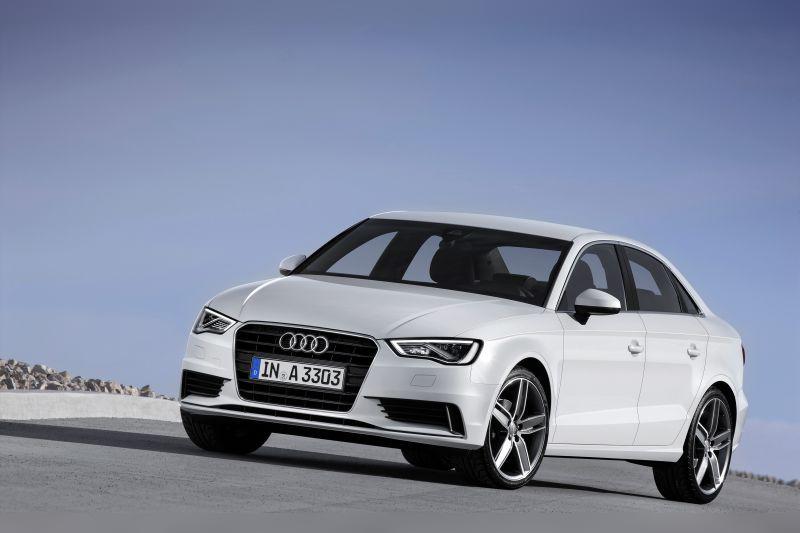
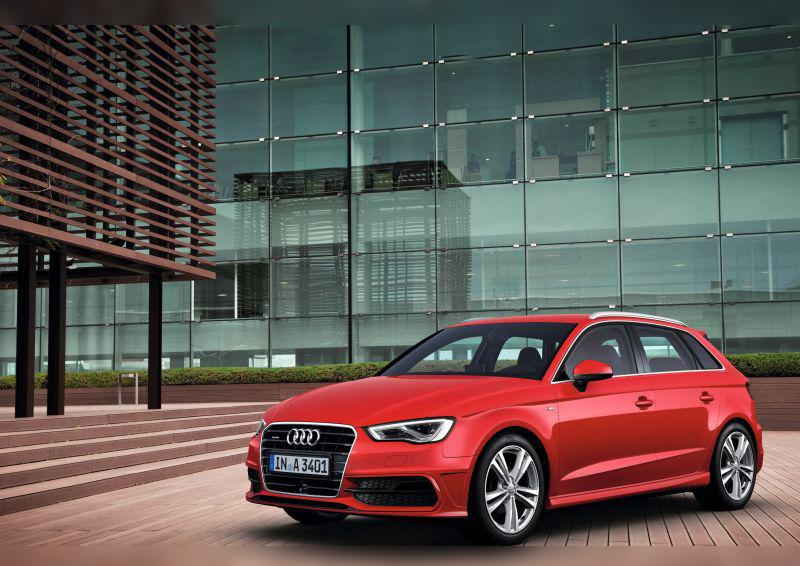

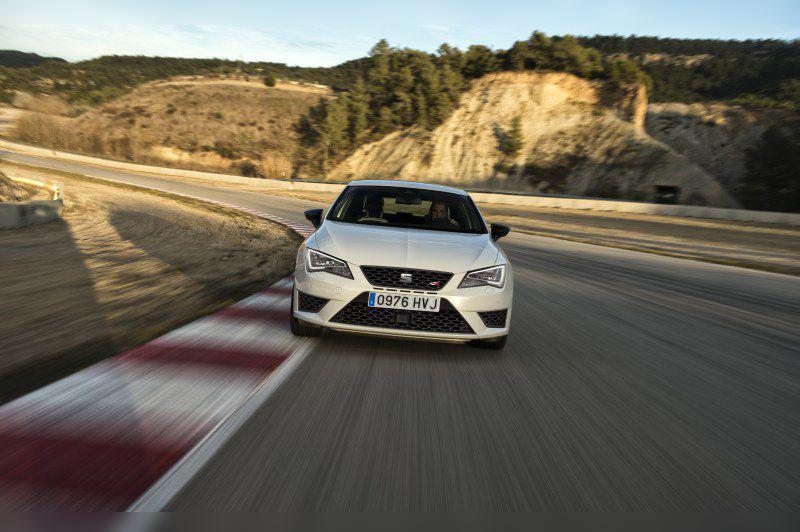
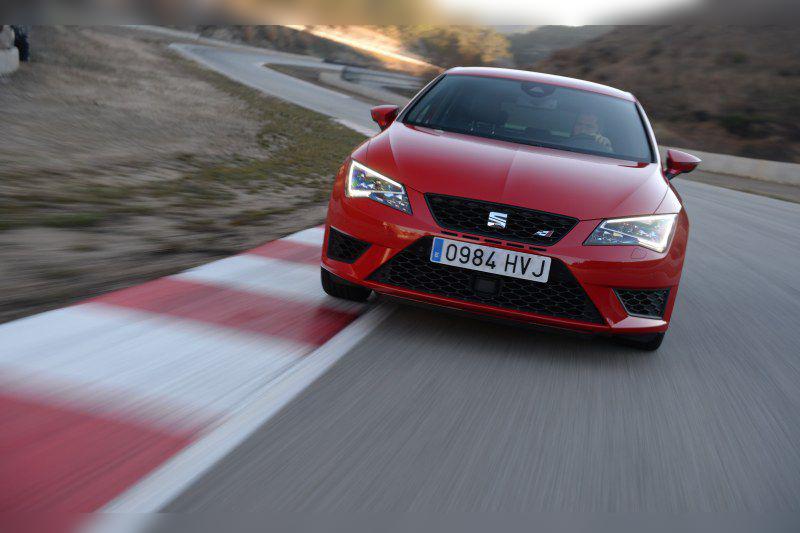
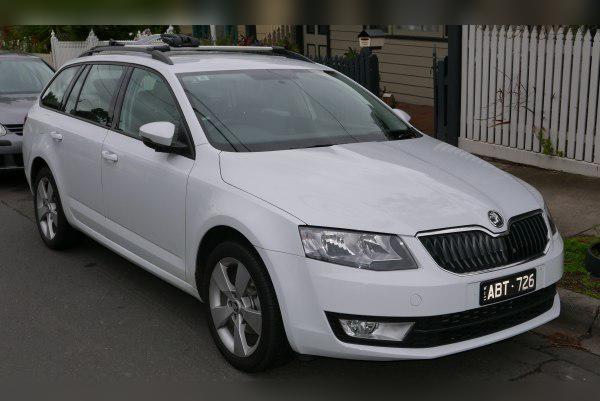
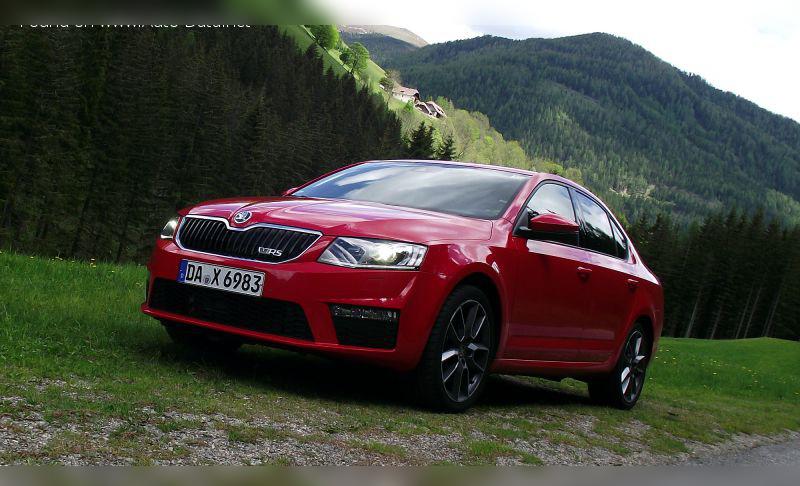
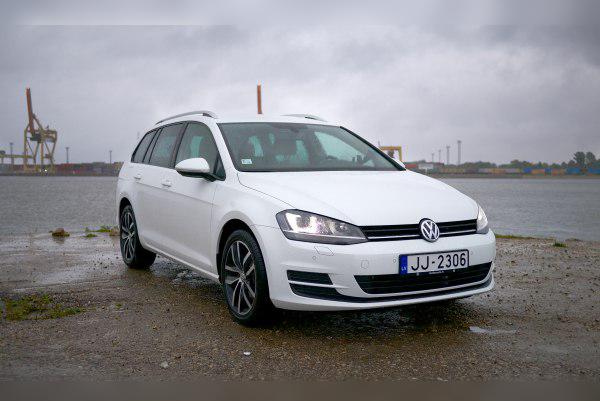
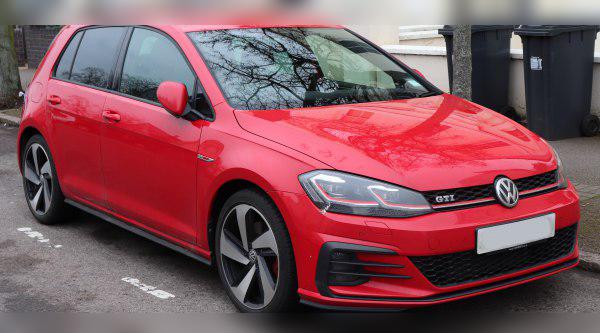
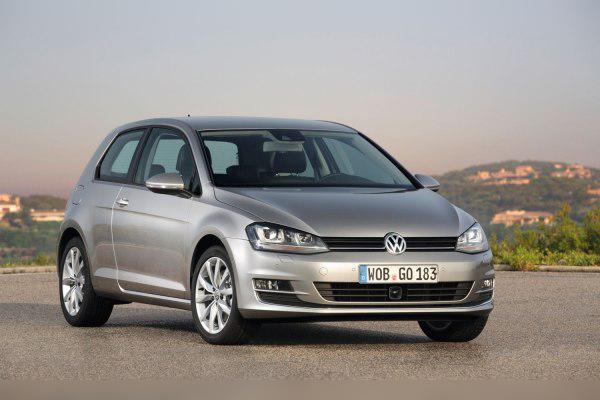
1.6 TDI (CLHA) 105 HP Engine: Experiences, Problems, Fuel Consumption and Maintenance
The engine with the code CLHA is one of the most popular power units from the Volkswagen Group in the era of the “MQB platform”. It was installed in millions of Golf Mk7, Octavia Mk3 and Audi A3 (8V) models. This engine belongs to the EA288 family, which came as a replacement for the older (and problematic) EA189 series.
If you’re looking at a used car with this engine, you’re looking at the “golden middle ground” – it’s not the fastest, but it’s a champion in fuel economy. Still, like every modern diesel, it carries certain risks you need to be aware of before buying.
1. In short, the most important (TL;DR)
- Economy: Extremely low fuel consumption, realistically around 5.0–5.5 l/100 km combined.
- Major service: The interval is long (210,000 km), but it’s recommended to do it earlier because of the water pump.
- Main weakness: Water pump. It often seizes or starts leaking prematurely, which can lead to overheating.
- Gearbox: Comes with a 5-speed manual (reliable) or a 7-speed DSG (DQ200 – sensitive “dry” gearbox).
- Reliability: Better than its predecessor (1.6 TDI CAYC), injectors are more durable.
- AdBlue: Most CLHA versions do not have an AdBlue system (they use LNT/DPF), which lowers maintenance costs.
- Recommendation: An excellent choice for drivers who cover a lot of highway mileage.
Contents
- Technical Specifications
- Reliability and Maintenance
- Specific Components (Costs)
- Fuel Consumption and Performance
- Additional Options and Modifications
- Gearbox and Drivetrain
- Buying Used and Conclusion
Technical Specifications
| Parameter | Value |
|---|---|
| Engine code | CLHA (EA288 family) |
| Displacement | 1598 cc (1.6 litres) |
| Power | 77 kW (105 HP) at 3000–4000 rpm |
| Torque | 250 Nm at 1500–2750 rpm |
| Fuel type | Diesel (Common Rail) |
| Induction | Turbocharger (VGT) + intercooler |
| Number of cylinders / valves | 4 cylinders / 16 valves |
Reliability and Maintenance
Does this engine have a timing belt or a chain?
The 1.6 TDI CLHA engine uses a timing belt. This is good news because the system is generally quieter and cheaper to replace compared to the complex chains on some other engines from the group. However, there is also a small “wet” belt that drives the oil pump (the so‑called oil pump belt), located inside the oil pan. It is designed to last as long as the engine, but in case of major failures or very high mileage (300k+ km), it should also be checked.
What are the most common failures on this engine?
Although the CLHA is more reliable than older versions, it has its specific weak points:
- Water pump (variable): This is problem number one. The pump has a movable ring (shroud) that regulates coolant flow to warm up the engine faster. This ring often gets stuck, which leads to engine overheating even at low mileage (sometimes before 100,000 km). Symptoms are fluctuating temperature or loss of coolant.
- Oil leak at the crankshaft seal: It’s not uncommon to see oil at the junction between the engine and gearbox.
- Exhaust gas pressure sensors: They can give false readings, which triggers the “Check Engine” light.
At what mileage should the major service be done?
The factory recommendation for timing belt replacement is extremely optimistic – 210,000 km. However, experienced mechanics and real‑world practice say otherwise. Due to issues with the water pump and rollers, it is recommended to do the major service between 160,000 km and 180,000 km, or after 5 to 7 years of age, whichever comes first. The risk of a snapped belt is not worth waiting for the factory limit.
How many litres of oil does this engine take and which grade is recommended?
The engine takes approximately 4.6 to 4.8 litres of engine oil (always buy 5 litres). You must use oil that meets the VW 507.00 specification. The most common grade is 5W‑30. Using oil without this specification can permanently damage the DPF filter.
Does it consume oil between services?
This engine is generally not known as a big oil consumer. If the engine is in good condition, consumption of 0.5 to 0.8 litres per 10,000 km is considered completely acceptable and normal. If it consumes more than 1 litre per service interval, this may indicate a problem with the turbocharger or piston rings, although this is rarer on the EA288 series than on older PD engines.
How long do the injectors last and how reliable are they?
Unlike the notorious Siemens/Continental piezo injectors on older 1.6 TDI engines, the CLHA mostly uses Bosch solenoid injectors. They are far more reliable, cheaper to refurbish and less sensitive to fuel quality. With good fuel, their lifespan easily exceeds 200,000–250,000 km. Symptoms of bad injectors are rough idle (“hammering”) and increased fuel consumption.
Specific Components (Costs)
Does the engine have a dual‑mass flywheel?
Yes. Almost all models with the CLHA engine (Golf 7, Octavia A7) are equipped with a dual‑mass flywheel, especially because the Start/Stop system requires a more robust setup to dampen vibrations during frequent starts. Replacing the clutch kit together with the dual‑mass flywheel is a significant expense (medium to high, depending on the market).
Does the engine have a turbocharger and what is its lifespan?
It has a single variable‑geometry turbocharger (VGT). On some variants, the turbo is integrated with the exhaust manifold. It is very durable with regular oil changes. Failures are usually related to the actuator (vacuum or electronic) that controls the geometry, rather than the mechanical part of the turbo itself. With proper maintenance, its lifespan is usually equal to the life of the engine.
Does it have a DPF filter and an EGR valve?
Yes, it has both. On EA288 engines, the DPF and EGR are combined into one compact module located right behind the engine (close to the turbo) to reach operating temperature faster.
The problem: Although it heats up faster (which is good for regeneration), if it becomes clogged or fails, replacing the entire module is very expensive. The EGR valve tends to clog with soot if the car is driven exclusively in city traffic.
Does this engine have AdBlue?
Most CLHA engines (Euro 5 or early Euro 6) DO NOT have an AdBlue system. They meet emissions standards using LNT (Lean NOx Trap) technology and EGR. This is a big advantage for the owner because there is no need to worry about the urea pump, AdBlue fluid heaters or refilling. However, always check by VIN, because later models (especially larger cars like the Passat or Superb with similar engines) may have SCR (AdBlue).
Fuel Consumption and Performance
What is the real fuel consumption in city driving?
In the city (stop‑and‑go, heavy traffic), real consumption is between 5.5 and 6.5 l/100 km. The Start/Stop system helps reduce consumption, but many drivers switch it off. In winter, until the engine warms up, consumption can temporarily go up to 7 litres, but overall this is a very economical engine.
Is this engine “lazy” for the weight of the car?
With 250 Nm of torque available from just 1500 rpm, the engine feels lively in city driving. For the Golf, Leon or A3 body, the power is perfectly adequate for the average driver. However, in estate versions (Octavia Combi, Golf Variant) when loaded with 4 passengers and luggage, the lack of power will be noticeable on uphill sections and during overtaking. It’s not “lazy” in the sense that it can’t pull, but it does require planning your overtakes.
What is the engine like on the motorway?
This depends on the gearbox. Versions with a 5‑speed are somewhat noisier at 130 km/h because the engine runs at higher revs (around 2,500 rpm). Versions with the 7‑speed DSG are more comfortable. Fuel consumption on the open road at 130 km/h is extremely low, often below 5.0 l/100 km. Cruising is comfortable, but in‑gear acceleration from 120 to 150 km/h takes longer.
Additional Options and Modifications
How far can this engine be safely tuned (Stage 1)?
The 1.6 TDI CLHA is software‑detuned and has plenty of reserve. A safe Stage 1 remap raises power to about 135–145 HP and torque to about 300–320 Nm.
Warning: If you have a 5‑speed manual gearbox (MQ250), it can handle this power well. If you have a DSG gearbox (DQ200), be careful with increasing torque, because the clutches in that gearbox are sensitive to anything above 250–280 Nm. Overdoing the remap on a DSG significantly shortens clutch life.
Gearbox
Which manual and automatic gearboxes are fitted?
- Manual: Most commonly a 5‑speed gearbox (MQ250 series). Robust and precise. Some 4x4 versions (Golf, Octavia) come with a 6‑speed manual gearbox.
- Automatic: 7‑speed DSG with dry clutches (code DQ200).
What are the most common gearbox failures?
- Manual: Very reliable. Rare issues with bearings or synchros, usually caused by poor driving style. Costs are mostly limited to replacing the clutch kit and dual‑mass flywheel.
- DSG (DQ200): This is the weaker point. It has “dry” clutches that wear out faster in city stop‑and‑go driving. The most common failure is the mechatronic unit (control unit), which can fail, as well as a slipping clutch pack. Mechatronic repairs are expensive. It is recommended to change the oil in the gearbox (even though the manufacturer calls it “lifetime”) every 60,000 km (both in the mechatronic unit and in the gearset).
At what mileage should the gearbox be serviced?
For the manual gearbox, an oil change is not officially prescribed, but it is recommended every 100,000 km for smoother shifting. For the DSG gearbox, even though it is a “dry” type, it is advisable to check and, if necessary, replace the hydraulic fluid every 60,000–80,000 km to extend solenoid life.
Buying Used and Conclusion
Before buying a car with the CLHA engine, pay attention to the following:
- Engine temperature: Test‑drive the car until it warms up. The gauge must sit firmly at 90°C. If it drops on downhill sections or goes above 90°C under load, the water pump needs replacing.
- Noise when switching off: If you hear a metallic knock (“clack”) when you switch off the engine, the dual‑mass flywheel is near the end of its life.
- DSG test: If it’s an automatic, release the brake on level ground – the car should start moving immediately without jerking. Any hesitation or jerk between 1st and 2nd gear is a sign of worn clutches or a failing mechatronic unit.
- Exhaust: The exhaust tip should be clean. If there is black soot on the edges, the DPF has probably been removed or is damaged (cracked).
Final conclusion
The 1.6 TDI CLHA engine is one of the most sensible choices for the average European driver. It offers an excellent balance between maintenance costs and performance. It is significantly better than the old 1.6 TDI engines. If you drive more than 15,000 km per year, this engine will save you a lot of money on fuel. The ideal combination is a manual gearbox in a hatchback body (Golf/A3/Leon). Avoid cars with a dubious service history, because these engines do not forgive poor maintenance.
Was this content useful to you?
Your opinion helps us to improve the quality of the content.