CMBA Engine
- Engine
- 1390 cm3
- Aspiration
- Turbocharger, Intercooler
- Fuel
- Petrol (Gasoline)
- Fuel injection system
- Direct injection
- Power
- 122 hp @ 5000 rpm
- Torque
- 200 Nm
- Cylinders
- 4
- Valves
- 16, 4 per cylinder
- Cylinders position
- Inline
- Valvetrain
- DOHC
- Oil capacity
- 4 l
- Coolant
- 8 l
- Systems
- Start & Stop System
# Vehicles powered by this engine
1.4 TSI/TFSI Engine (CMBA) – Experiences, Problems, Fuel Consumption and Buying Used
Key points (TL;DR)
- Major improvement: This is an engine from the EA211 family, which means it uses a timing belt instead of the problematic chain that plagued older 1.4 TSI engines.
- Performance: With 122 hp and 200 Nm, this is probably the “sweet spot” for the Golf VII and Audi A3 – enough power for overtaking, yet economical.
- Weak point: The thermostat housing and water pump are made of plastic and prone to coolant leaks.
- Gearbox: If you choose an automatic, it’s a 7-speed DSG (DQ200) with dry clutches, which requires caution and a thorough mechatronics check.
- Direct injection: Great for fuel economy, but complex and expensive if you want to install an LPG system.
- Conclusion: One of the best small turbo petrol engines of its generation, provided the cooling system is in good condition.
Contents
Introduction and engine applications
The engine designated CMBA represents a turning point for the Volkswagen Group in the compact petrol class. It belongs to the EA211 engine series, which debuted with the Golf 7 and Audi A3 (8V). Its main task was to fix the bad reputation of its predecessors (EA111), which suffered from severe timing chain stretch issues and piston failures.
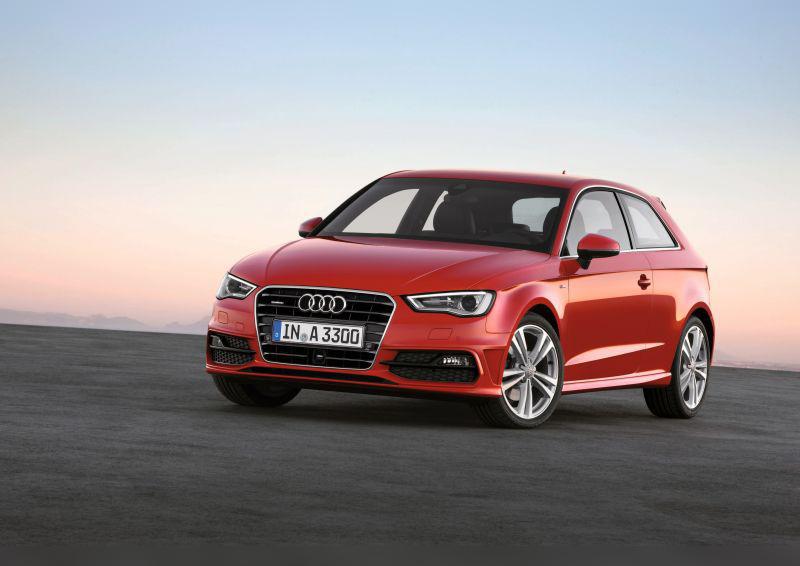
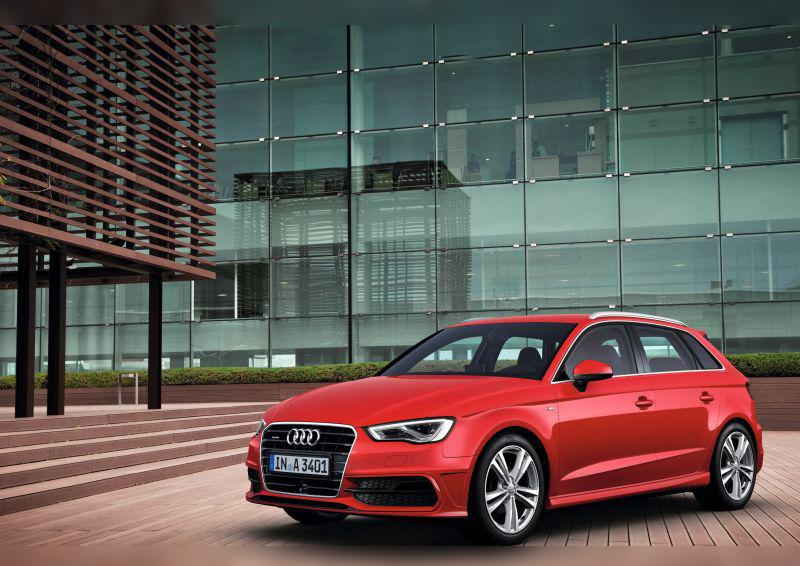
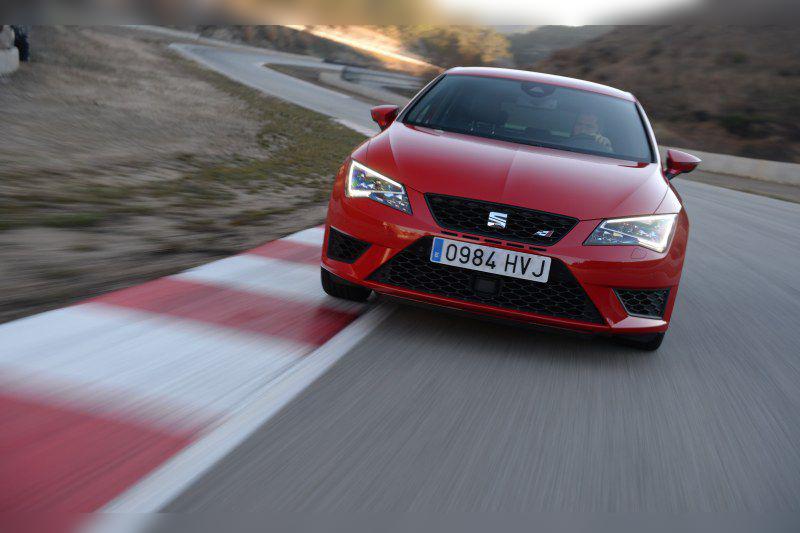
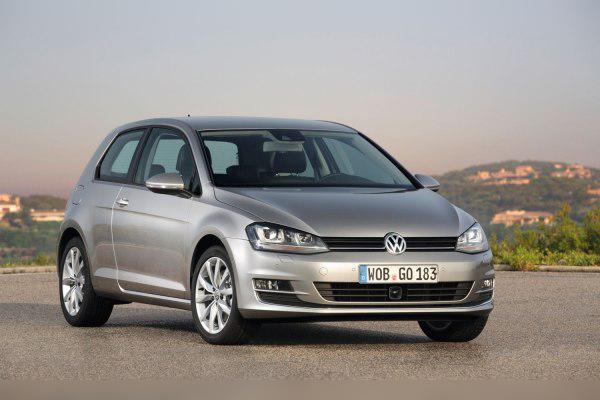
This 1.4 TSI (or TFSI in Audi models) is lighter, more compact and designed to be more robust. It was installed in popular C-segment models such as the VW Golf VII, Audi A3 and Seat Leon III, mostly between 2012 and 2014, before it was replaced by newer variants with cylinder deactivation (ACT) or Euro 6 compliant versions.
Technical specifications
| Parameter | Value |
|---|---|
| Engine code | CMBA |
| Displacement | 1390 cc (1.4 litres) |
| Power | 90 kW (122 hp) at 5000–6000 rpm |
| Torque | 200 Nm at 1400–4000 rpm |
| Configuration | Inline 4-cylinder, 16 valves |
| Injection system | Direct injection (TSI / TFSI) |
| Forced induction | Turbocharger + intercooler (water–air) |
| Camshaft drive | Timing belt |
| Emission standard | Euro 5 |
Reliability and maintenance
Timing belt: The end of the chain nightmare
The most important information for potential buyers: The CMBA engine uses a timing belt. Volkswagen learned its lesson with the previous generation and went back to a more reliable solution. According to factory data, the replacement interval is very long (often quoted as 210,000 km), but experienced mechanics recommend doing the major service (replacement of belt, tensioner and water pump) no later than at 160,000 to 180,000 km or after 7 to 8 years of age, whichever comes first. Rubber ages regardless of mileage.
Most common failures
Although more reliable than its predecessor, the CMBA is not without flaws:
- Water pump and thermostat housing: This is the most common issue. The component is made of plastic and located on the side of the engine (driven by a small toothed belt on the opposite side of the camshaft). The plastic cracks due to heat cycles, which leads to coolant loss. Symptoms include a puddle under the car or a drop in the coolant level in the expansion tank.
- Wastegate actuator (lever) on the turbocharger: It can stick, which triggers the “Check Engine” light and causes a loss of power (EPC fault). A rattling noise is often heard when lifting off the throttle.
- Carbon buildup: As with all direct-injection engines, the intake valves get dirty over time because fuel does not wash them. This can cause rough idle at higher mileages.
Oil and spark plugs
The engine takes approximately 4.0 litres of oil (including the filter). It is recommended to use fully synthetic 5W-30 oil that meets the VW 504.00 specification. The fixed oil change interval is 15,000 km or one year, and it should be strictly observed.
As for oil consumption, EA211 engines are dramatically better than the old EA111 units. Consumption of 0.5 to 1 litre per 10,000 km is considered acceptable, especially with a more spirited driving style. If it consumes more than that, the piston rings or valve stem seals should be checked, but this is not a widespread issue with CMBA engines.
Spark plugs should be replaced every 60,000 km. Be sure to use iridium or platinum plugs recommended by the manufacturer (e.g. NGK or Bosch), as proper ignition is crucial for piston health in turbocharged direct-injection engines.
Specific components (costs)
Dual-mass flywheel
Yes, in most applications (Golf VII, Audi A3) this engine uses a dual-mass flywheel, especially in combination with the DSG gearbox. It is also common with manual gearboxes, as it helps reduce vibrations and improve comfort. Its typical lifespan is around 150,000–200,000 km. Failure symptoms include a metallic knocking noise when switching the engine off or vibrations in the clutch pedal. Replacement cost falls into the expensive category (depends on the market).
Turbocharger and injection
The engine uses a single turbocharger integrated into the exhaust manifold. The turbo’s service life is generally long and often matches that of the engine itself, provided oil changes are done regularly. The most sensitive part, as mentioned, is the electronic actuator.
The injection system is high-pressure direct injection. The injectors are precise and generally durable, but sensitive to poor fuel quality. A faulty injector manifests as jerking while driving or engine misfiring. They are difficult to refurbish and are usually replaced.
Emissions equipment (DPF, EGR, AdBlue)
Since this is a petrol engine, there is no DPF filter or AdBlue fluid. However, it does have a catalytic converter. Unlike diesels, it does not use a conventional EGR valve that constantly clogs with soot the way it does on TDI engines, because it relies on variable valve timing for internal exhaust gas recirculation. Still, the catalytic converter can fail if the engine burns oil or if the spark plugs are in poor condition.
Fuel consumption and performance
Fuel consumption is one of the CMBA engine’s strongest assets.
- City driving: Realistically, expect between 7.0 and 8.5 l/100 km, depending on traffic and how heavy your right foot is. The start–stop system helps reduce this figure.
- Country roads: It is possible to bring consumption down to 5.0–5.5 l/100 km with smooth driving.
- Motorway (130 km/h): Consumption is around 6.5 l/100 km. At this speed in top gear, the engine spins at about 2,600–2,800 rpm, which makes it quiet and comfortable for long journeys.
Is the engine “lazy”? No. With 200 Nm of torque available from just 1400 rpm, the car pulls linearly and confidently. For the Golf or A3 body (which are lighter on this platform), 122 hp is more than enough for the average driver, and even for a more dynamic driving style.
Additional options and modifications
LPG conversion
Installing LPG on the 1.4 TSI CMBA engine is possible, but complex and expensive. Due to direct injection, a regular sequential system cannot be used. You need a system that either injects liquid gas directly through the petrol injectors (very expensive) or a system that injects gas into the intake manifold but at the same time uses a certain percentage of petrol (around 10–15%) to cool the petrol injectors. The cost-effectiveness of such a conversion is questionable unless you cover very high annual mileage.
Remapping (Stage 1)
This engine has good potential to be “unlocked”. A Stage 1 remap can safely raise power to about 145–150 hp and torque to 240–250 Nm. The engine can mechanically handle this well, but keep in mind that higher torque wears the clutch faster (especially with DSG gearboxes) and shortens turbo life if the car is driven hard while the engine is still cold.
Gearbox
Two types of gearboxes are paired with the CMBA engine:
- 6-speed manual gearbox: Very precise and reliable. Maintenance comes down to replacing the clutch kit when worn and changing the gearbox oil (recommended every 100,000 km, even though the factory claims it is “lifetime”).
- 7-speed DSG (DQ200): This is a gearbox with dry clutches. Although it offers lightning-fast shifts and low fuel consumption, it is less reliable than the manual.
DSG (DQ200) problems
The DQ200 is known for overheating in heavy city traffic (stop–go driving), which leads to premature clutch wear. The mechatronics unit (the “brain” of the gearbox) is also prone to failure. Symptoms include shuddering when setting off, hesitation when changing gears or complete loss of drive. Mechatronics repair is very expensive (depends on the market).
The DSG gearbox uses two types of oil: one for the gearbox itself (gears) and another for the mechatronics. It is recommended to have both checked and replaced at specialised workshops. Although VW often does not specify a strict interval for the dry-clutch DSG, in practice, changing the oil every 60,000 km extends its lifespan.
Buying used and conclusion
Before buying a car with the 1.4 TSI (CMBA) engine, pay attention to:
- Noises on cold start: Even though it has a belt, the engine should run smoothly. Any knocking may indicate an issue with the camshaft phaser or hydraulic lifters.
- Signs of coolant leaks: Check the left side of the engine (viewed from the front), where the thermostat housing is located. White or pink residue is a sign of leakage.
- DSG test drive: The car should start moving smoothly as soon as you release the brake. Any shuddering or thump is a sign that the clutches or mechatronics are nearing the end of their life.
- Diagnostics: Check for fault codes related to the “turbocharger wastegate actuator”.
Final verdict: The 1.4 TSI CMBA engine is an excellent choice for drivers who want a modern petrol engine. It has solved most of the issues of older generations (no chain!), it is quiet, refined and economical. If you can choose, a manual gearbox is the safer option for a used car that is 10+ years old, unless the DSG comes with a crystal-clear service history.
Was this content useful to you?
Your opinion helps us to improve the quality of the content.