CJZA Engine
- Engine
- 1197 cm3
- Aspiration
- Turbocharger, Intercooler
- Fuel
- Petrol (Gasoline)
- Fuel injection system
- Direct injection
- Power
- 105 hp @ 5000 rpm
- Torque
- 175 Nm
- Cylinders
- 4
- Valves
- 8, 2 per cylinder
- Cylinders position
- Inline
- Valvetrain
- SOHC
- Oil capacity
- 4 l
- Coolant
- 8.9 l
- Systems
- Start & Stop System
# Vehicles powered by this engine
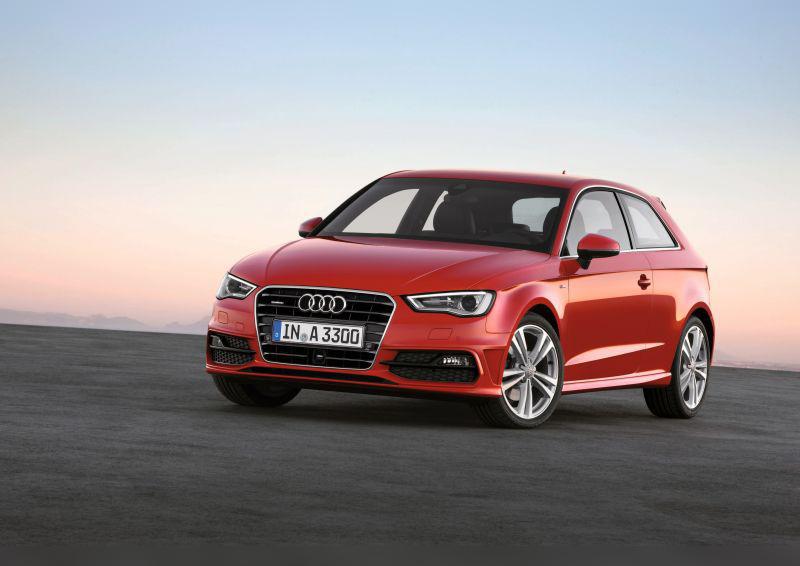
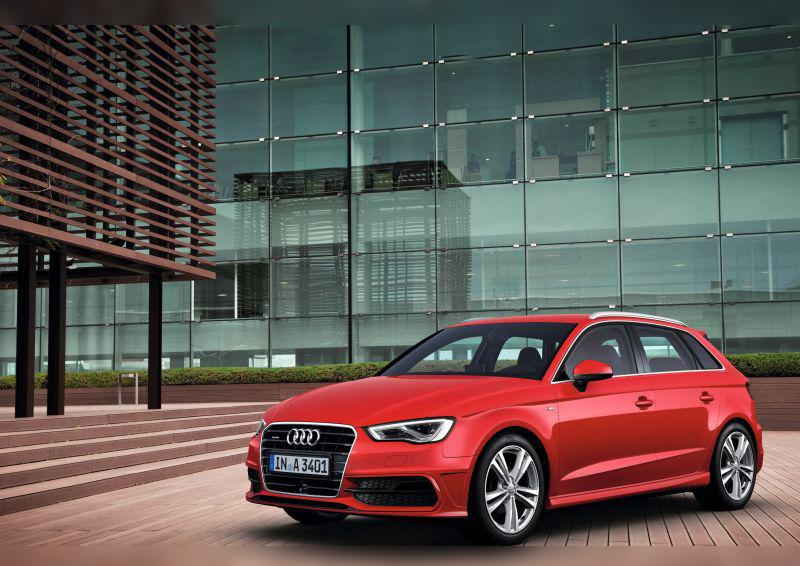
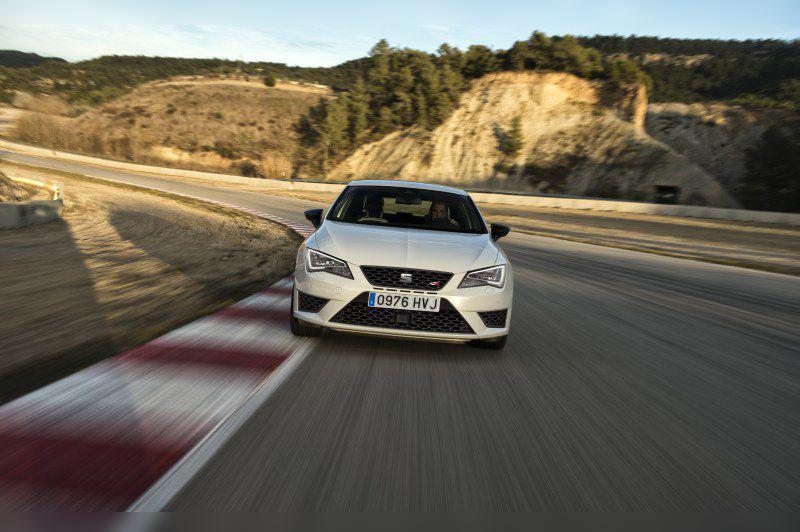
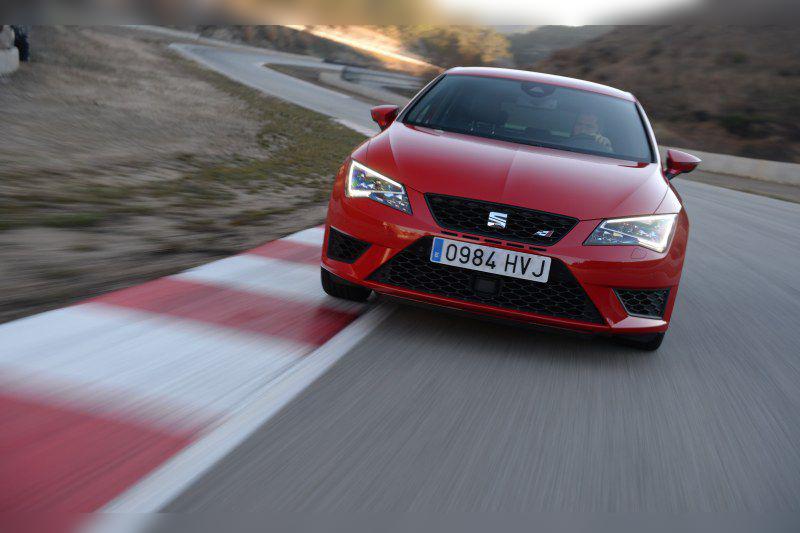
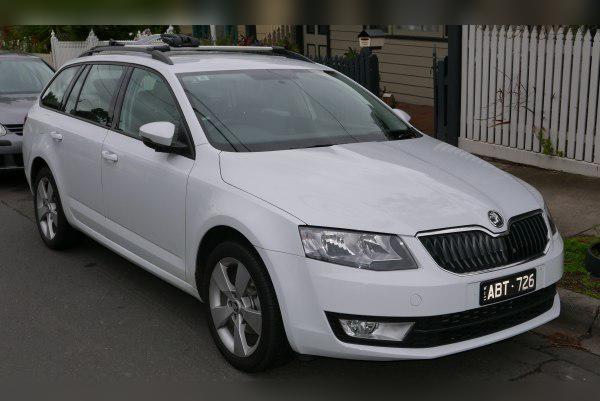
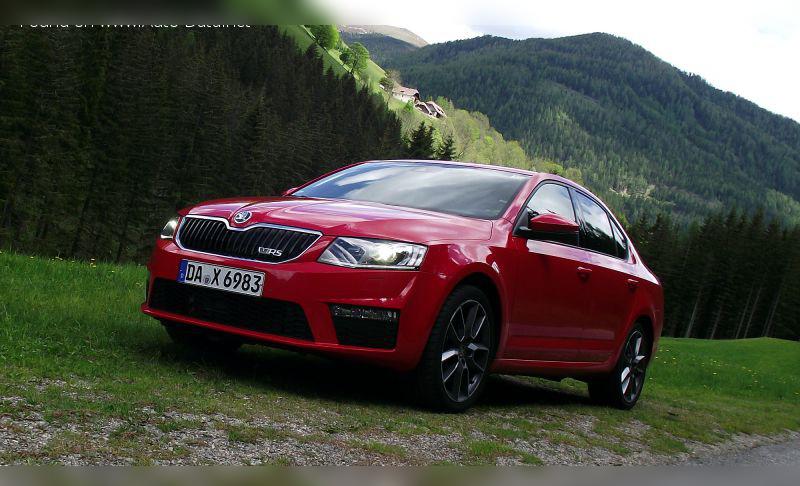
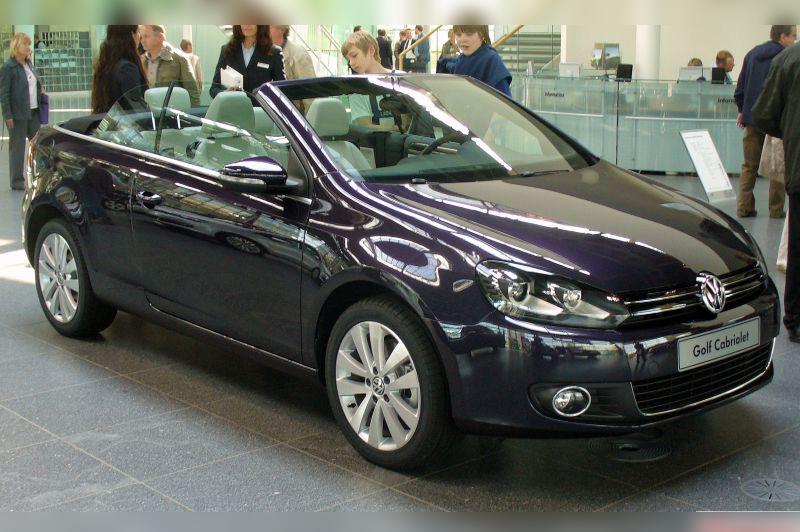
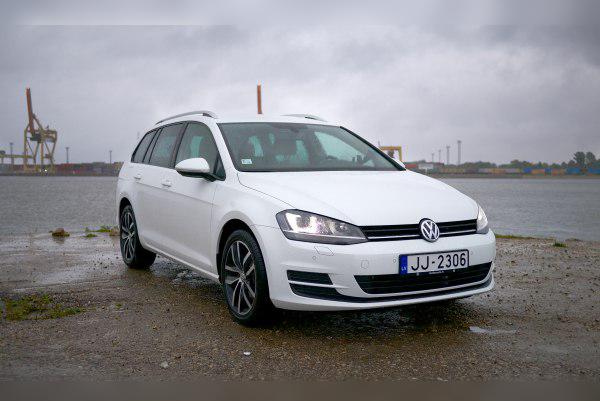
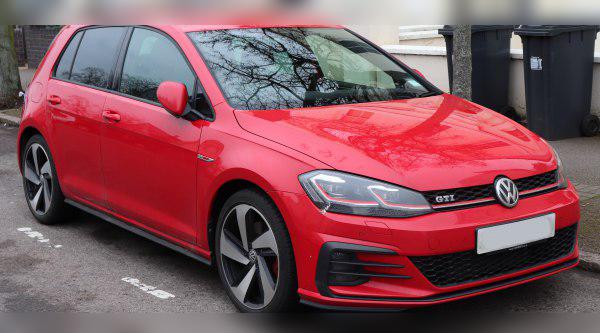
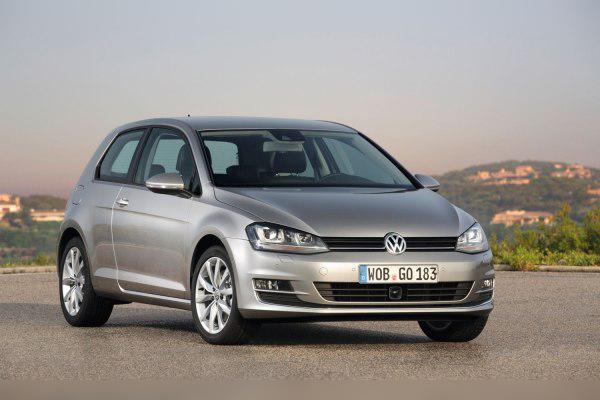
1.2 TSI (CJZA) 105 HP – Experiences, problems, fuel consumption and buying used
Key points (TL;DR)
If you don’t have time to read everything, here’s the essence about the 1.2 TSI (CJZA) engine:
- Big improvement: This is an engine from the EA211 series with a timing belt, which means it does NOT have the timing chain issues of the older 1.2 TSI engines from the Golf 6 era.
- Fuel consumption: Extremely economical petrol engine, often comparable to diesels on open roads.
- Gearbox: Manual gearboxes are reliable. Be cautious with the DSG (DQ200) automatic – it’s a “dry” 7‑speed unit and can be expensive to repair.
- Performance: More than adequate for a Golf 7 or Leon, but it can struggle in a fully loaded Škoda Octavia estate.
- Maintenance: Generally affordable, but sensitive to fuel quality and regular spark plug replacement.
- LPG: Not cost‑effective to install (direct injection requires expensive systems).
Contents
- Introduction and applications
- Technical specifications
- Reliability and maintenance
- Specific parts and costs
- Fuel consumption and performance
- Additional options and modifications
- Gearbox (manual and DSG)
- Buying used and conclusion
Introduction: Why is the CJZA an important engine?
The engine with the code CJZA represents a turning point within the Volkswagen Group. It was installed in vehicles on the MQB platform (Golf 7, Audi A3 8V, Seat Leon III, Škoda Octavia III) from 2012 to 2015 (before the switch to Euro 6 standards and the CYVB code).
Why does this matter? Because the previous versions of the 1.2 TSI engine (EA111 generation with a chain) had a bad reputation due to timing chain failures and high oil consumption. CJZA belongs to the new EA211 generation, which was designed from scratch, is lighter, uses a timing belt and has solved most of the “childhood diseases” of its predecessor. This is the engine that restored buyers’ trust in small turbo petrol units.
Technical specifications
| Specification | Data |
|---|---|
| Displacement | 1197 cc |
| Power | 77 kW (105 HP) at 4500–5500 rpm |
| Torque | 175 Nm at 1400–4000 rpm |
| Engine code | CJZA (EA211 family) |
| Injection type | Direct injection (TSI/TFSI) |
| Induction | Turbocharger + intercooler |
| Cylinders/Valves | 4 cylinders / 16 valves |
Reliability and maintenance
Timing belt or chain?
This is the most common question and the answer is clear: The CJZA engine has a timing belt. Volkswagen learned its lesson with the older engines and in this generation switched to a belt, which has proven to be a much quieter and more reliable solution. No more fear of chain “rattling” on cold start that plagued Golf 6 owners.
Most common issues
Although more reliable than its predecessor, the CJZA is not without flaws:
- Turbocharger actuator (wastegate): The electronic actuator that regulates boost pressure can seize. Symptoms include loss of power and the “Check Engine” light (EPC fault). It often has to be replaced as a complete unit, although repair kits do exist.
- Coolant loss: The thermostat housing and water pump are made of plastic and can crack or start leaking at the seals, which leads to coolant loss.
- Carbon build‑up: Due to direct injection, the intake valves are not “washed” by fuel. Over time (after 100–150,000 km), carbon deposits can form, choking the engine, causing rough idle and loss of power. The solution is mechanical cleaning (“walnut blasting” or chemical treatment).
Major service (timing belt)
The factory recommendation for timing belt inspection is often optimistic (at 210,000 km), but in practice, and according to experienced mechanics, the major service should be done between 150,000 km and 180,000 km or after 8 to 10 years of age, whichever comes first. A timing belt kit with water pump is not excessively expensive (mid‑range price level).
Oil and service intervals
This engine takes approximately 4.0 litres of oil. The recommended grade is 5W‑30 (VW 504.00/507.00 standard). Do the oil service strictly every 10,000 to 15,000 km or once a year.
Does it burn oil? Unlike the old TSI engines that drank oil like fuel, the CJZA is much better here. Consumption of around 0.5 litres per 10,000 km is perfectly acceptable and normal. If it uses more than a litre over a service interval, the turbo or piston rings should be checked, but this is not a widespread issue with this engine code.
Spark plugs and coils
Spark plugs should be replaced every 60,000 km (or 4 years). Don’t skimp on them – use iridium or platinum plugs according to factory specification (NGK or Bosch). If the car starts to “jerk” under acceleration, the problem is often a spark plug or one of the ignition coils (each cylinder has its own coil).
Specific parts (costs)
Dual‑mass flywheel
Good news for owners of models with a manual gearbox: Most models with the 1.2 TSI (105 HP) engine do not have a dual‑mass flywheel, but use a conventional solid flywheel instead. This significantly reduces the cost of clutch replacement. However, in models with a DSG gearbox the situation is different and depends on the specific damper/flywheel setup used to reduce vibrations before the gearbox.
Fuel injection system and injectors
The engine uses high‑pressure piezo‑electric injectors (direct injection). The injectors are generally durable, but sensitive to poor fuel quality. Failure of a single injector can be costly (price depends on the market), but it does not happen often. Symptoms include fuel leaking into the crankcase (oil level rises and smells of petrol) or rough running.
Turbocharger
The engine has a small low‑pressure turbocharger that provides torque at low revs. Its lifespan is long, often over 200,000 km with regular oil changes. The weakest point is the aforementioned electronic actuator, not the turbo itself.
EGR, DPF and AdBlue
This is a petrol engine, so:
- No DPF filter. (Post‑2018 models have a GPF, but the CJZA does not.)
- No AdBlue system.
- EGR valve: This engine does not have a classic, troublesome EGR valve like diesels. It uses variable valve timing (VVT) to achieve an internal exhaust gas recirculation effect within the cylinder itself. So that’s one less thing to worry about.
Fuel consumption and performance
Real‑world fuel consumption
- City driving: Expect between 7.0 and 8.5 l/100 km, depending on traffic and how heavy your right foot is. The Start/Stop system helps in traffic jams, but many drivers switch it off.
- Open road: This is where the engine shines. At 80–90 km/h, fuel consumption drops to 4.5–5.5 l/100 km.
- Motorway: At 130 km/h, consumption is around 6.0–6.5 l/100 km.
Is the engine “lazy”?
With 105 HP and 175 Nm available from just 1400 rpm, the engine is surprisingly lively in a Golf 7, Leon or A3 (hatchback). It feels nippy around town. However, in a Škoda Octavia Combi (estate), if you load it up with 4 passengers and luggage, you will notice the lack of power on hills and when overtaking. For an average family driver it is more than sufficient, but don’t expect sports‑car performance.
Motorway driving
Thanks to the gearbox (often 6 speeds for manuals or 7 for DSG), at 130 km/h the engine “cruises” at around 2800 to 3000 rpm. The cabin is quiet and the engine is not stressed.
Additional options and modifications
LPG conversion
Since this is an engine with direct injection, an LPG conversion is complicated and expensive (very expensive). A special system is required that either injects liquid gas or uses a petrol‑LPG mixture (to cool the petrol injectors). Due to the engine’s low petrol consumption, fitting LPG to a 1.2 TSI is of questionable economic benefit unless you cover very high mileages (over 30–40,000 km per year).
Remap (Stage 1)
This engine has potential. A safe Stage 1 remap can raise power to around 125–130 HP and torque to about 210–220 Nm. This significantly changes the character of the car, especially in mid‑range acceleration. However, keep in mind that the increased torque puts additional stress on the clutch (or DSG gearbox), so only do this if the car is in perfect mechanical condition.
Gearbox (manual and DSG)
Types of gearboxes
With the CJZA engine you get:
- Manual: Most commonly a 6‑speed (sometimes 5‑speed in the very basic versions). The series designation is usually MQ200.
- Automatic: 7‑speed DSG dual‑clutch gearbox. Model code is DQ200.
Issues and maintenance
Manual gearbox: Very reliable. Failures are rare. Oil change in the gearbox is not specified by the manufacturer (“lifetime”), but it is strongly recommended to change it every 100,000 km for smoother shifting and to protect the bearings.
DSG (DQ200): This is a “dry” DSG gearbox (the clutches are not oil‑bathed). Be careful! This gearbox is known for its sensitivity.
Failures: Most commonly the mechatronics unit (the gearbox brain) fails, or the clutch pack wears out relatively quickly if the car is driven a lot in stop‑and‑go city traffic. Repairing the mechatronics or replacing the clutch pack falls into the category of very expensive (depends on the market, but often exceeds 600–1000 EUR).
Maintenance: Although it is “dry”, it still has oil in the gear section and in the mechatronics. It is recommended to check and change these fluids every 60,000–80,000 km, even if the manufacturer sometimes claims otherwise.
Buying used and conclusion
What to check before buying?
- Cold start: Listen to the engine when it’s cold. It should run smoothly. If you hear loud rattling, it may be an issue with the cam phaser or hydraulic lifters (even though there is no chain, the noise can indicate poor maintenance).
- Coolant leaks: Check the left side of the engine (near the belt) for pink residue (antifreeze) on the thermostat housing.
- Test drive (DSG): If it’s an automatic, the car should start moving as soon as you release the brake, without jerking. Gear changes should be seamless. Any banging or hesitation is a sign of an expensive fault.
- Turbo: Under hard acceleration there should be no siren‑like whine, and the car should pull smoothly without “flat spots” in acceleration.
Conclusion
The 1.2 TSI (CJZA) engine is an excellent choice for drivers who spend most of their time in the city and on main roads. It is ideal for a VW Golf 7 or Seat Leon. It offers a balance between low fuel consumption and decent performance, with dramatically better reliability than the older TSI engines.
Recommendation: Look for a car with a manual gearbox for peace of mind and lower maintenance costs. If you are buying a DSG, be sure to keep a financial reserve for potential gearbox servicing.
Was this content useful to you?
Your opinion helps us to improve the quality of the content.