CBZB Engine
- Engine
- 1197 cm3
- Aspiration
- Turbocharger, Intercooler
- Fuel
- Petrol (Gasoline)
- Fuel injection system
- Direct injection
- Power
- 105 hp @ 5000 rpm
- Torque
- 175 Nm @ 1550 rpm
- Cylinders
- 4
- Valves
- 16, 4 per cylinder
- Cylinders position
- Inline
- Valvetrain
- SOHC
- Oil capacity
- 3.6 l
- Coolant
- 5.6 l
- Systems
- Start & Stop System
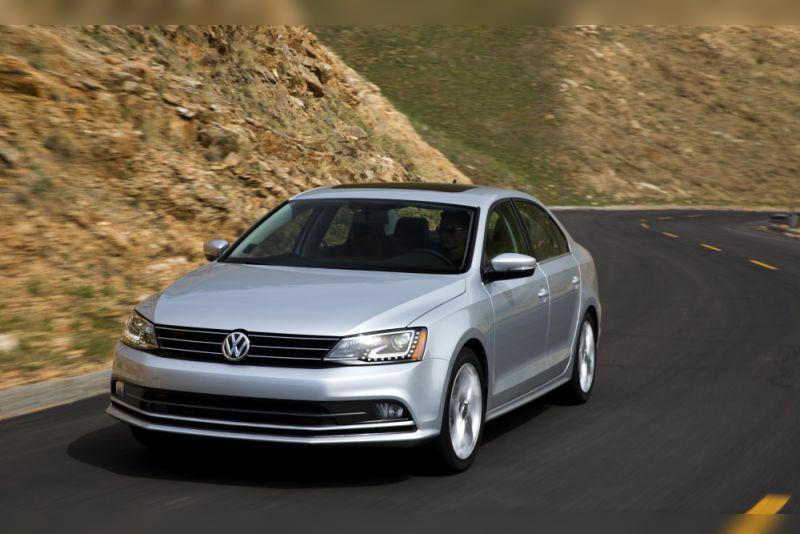
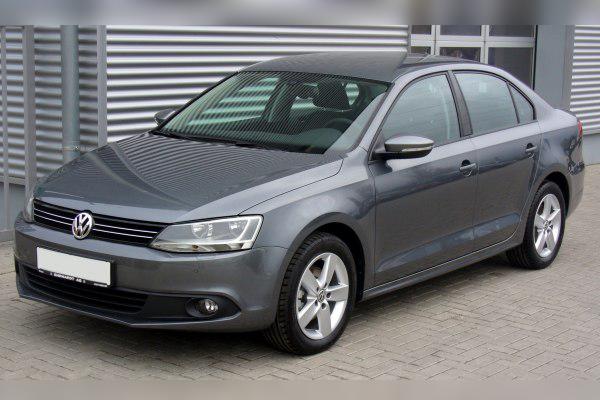
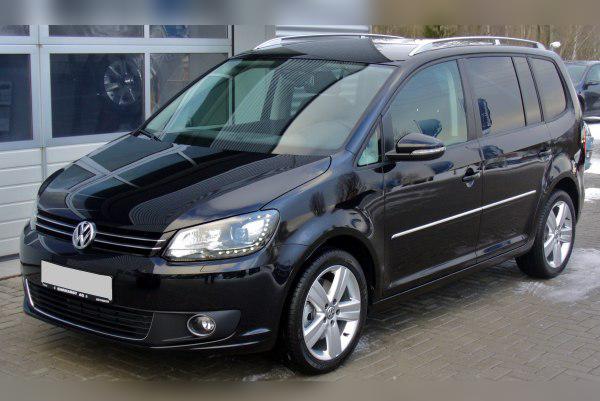
# Vehicles powered by this engine
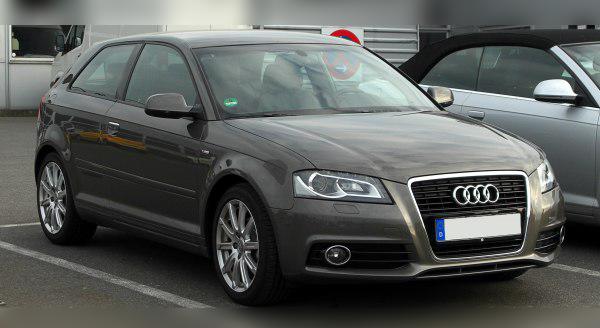
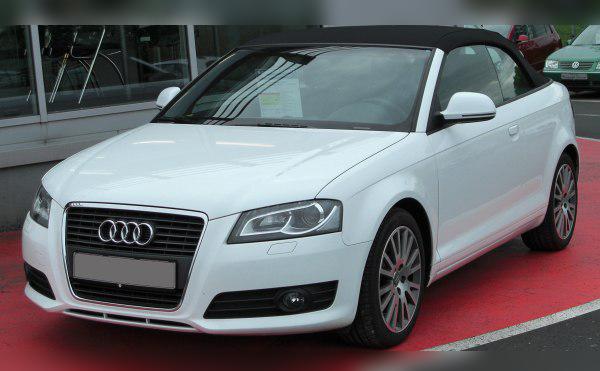
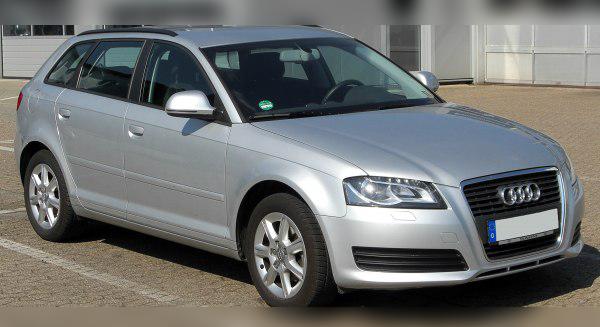
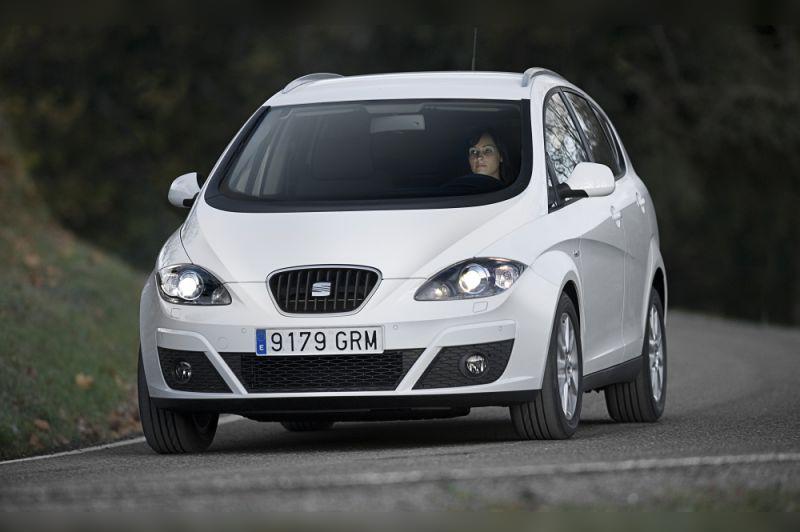

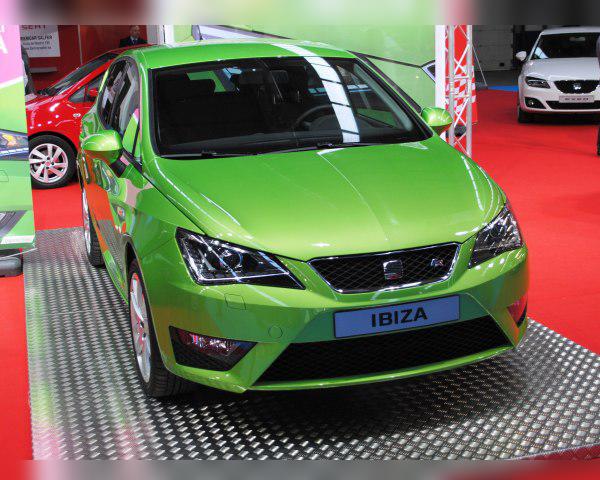
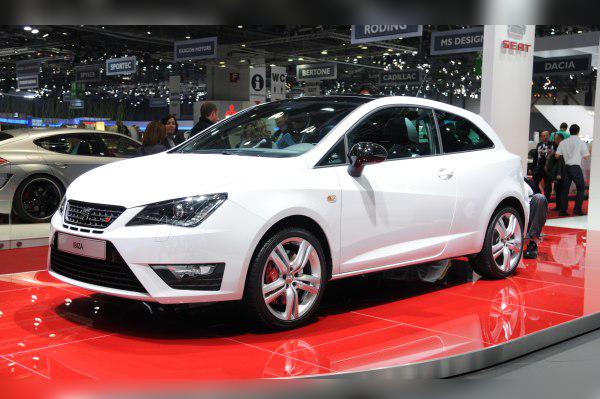

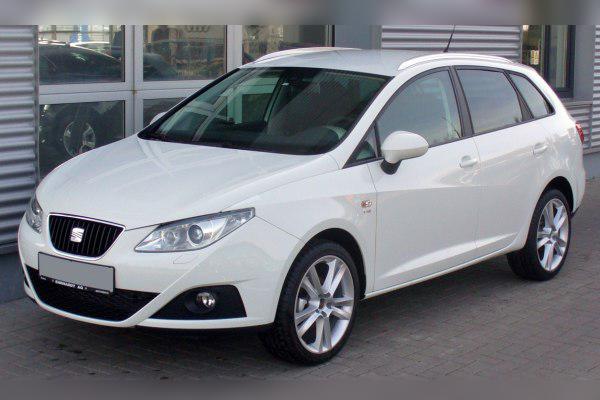
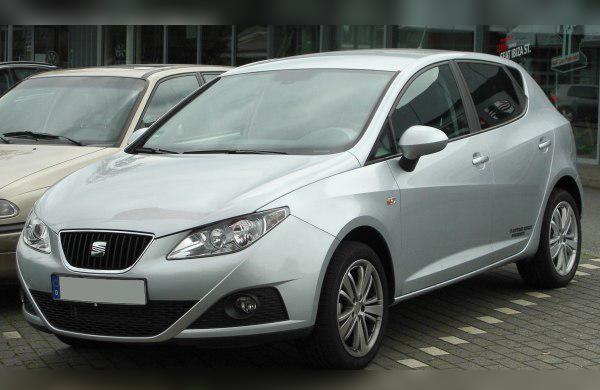
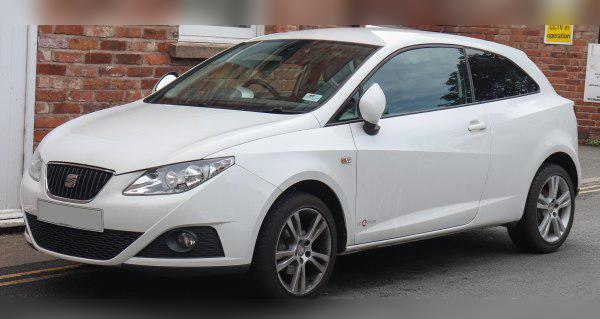
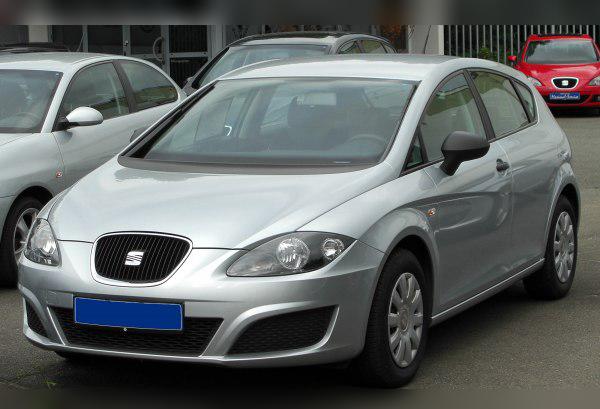
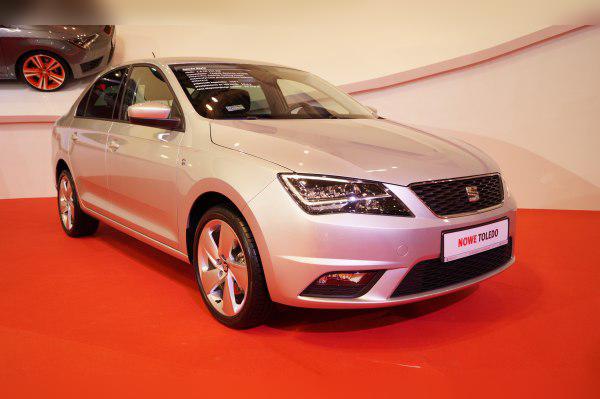
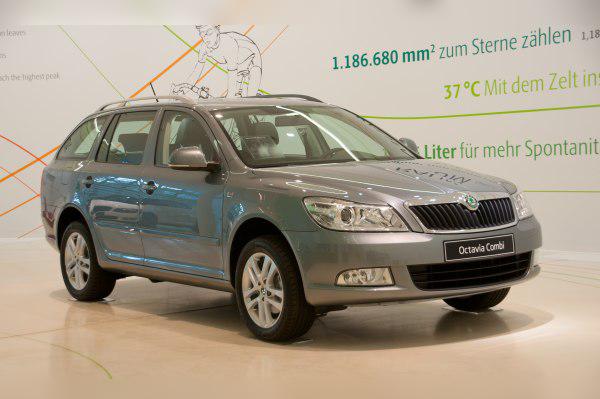
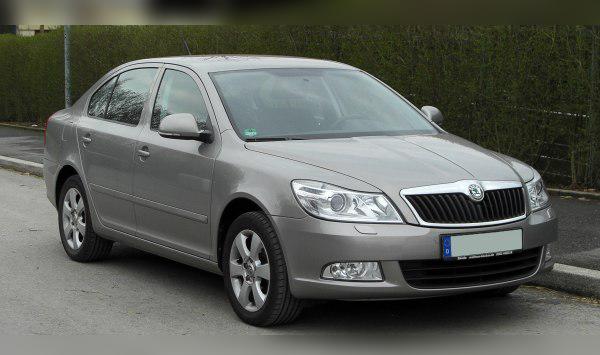
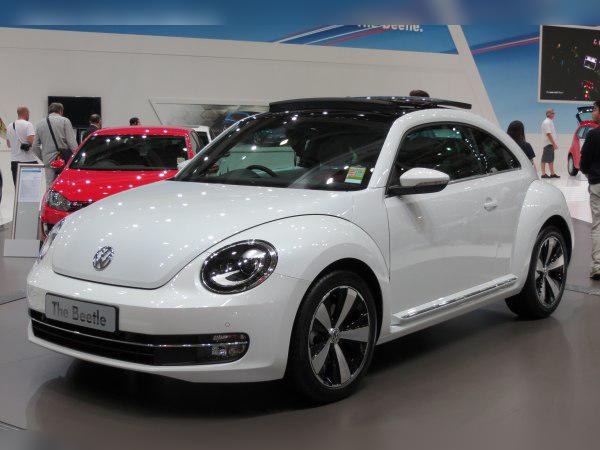
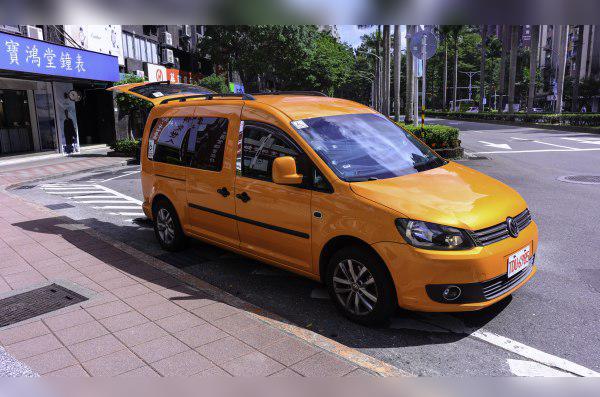
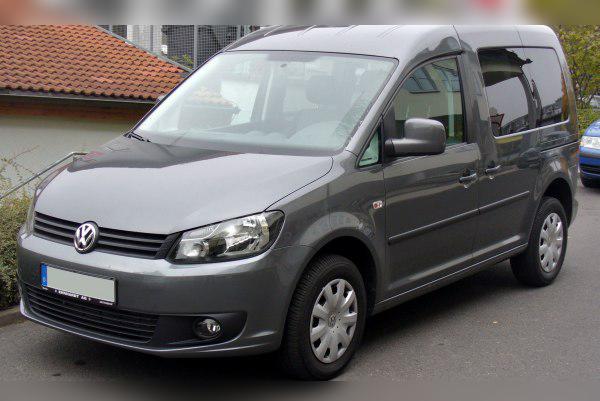
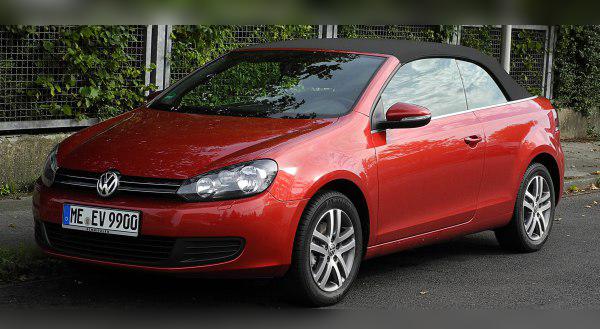
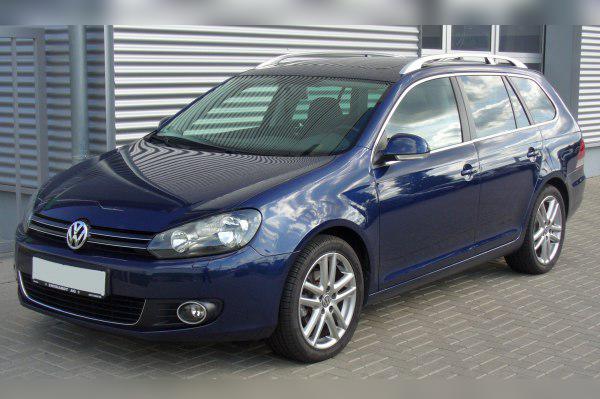
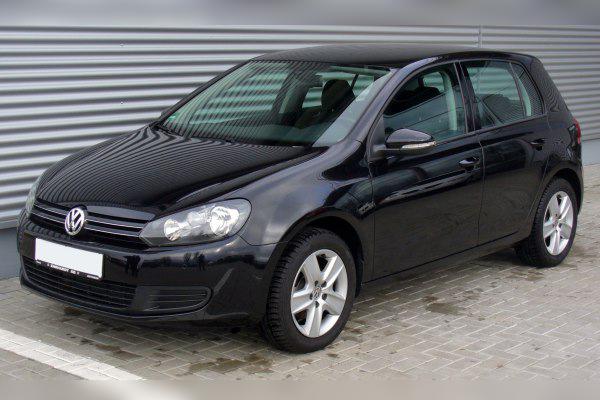
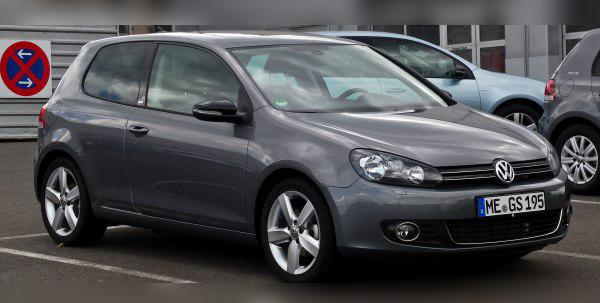
1.2 TSI (CBZB) 105 HP – Experiences, Chain Problems, Fuel Consumption and Buying Tips
The engine with the code CBZB represents a turning point in the VAG group (Volkswagen, Audi, Škoda, Seat). This is a unit from the EA111 family, which brought “downsizing” into mass use – small displacement with a turbocharger to replace the old naturally aspirated 1.6 engines. Although it offers excellent performance for its size, this engine struggles with a reputation related to its timing system.
In short, the most important points (TL;DR)
- Problematic chain: The biggest downside of this engine. Chain stretching and a poor tensioner can lead to catastrophic failure.
- Turbo actuator: The electronic valve on the turbo often sticks, which leads to power loss.
- Ignition leads: Sensitive to heat and moisture, they often cause engine misfires.
- Direct injection: Excellent throttle response, but makes LPG conversion more complex and expensive.
- Oil consumption: Increased oil consumption appears on higher‑mileage examples.
- Recommendation: Buy only if the chain has already been replaced with the newer revision, or plan for that expense right away.
Contents
- Technical Specifications
- Reliability and Maintenance
- Specific Parts (Costs)
- Fuel Consumption and Performance
- Additional Options and Modifications
- Gearbox and Drivetrain
- Buying Used and Conclusion
Technical Specifications
| Parameter | Value |
|---|---|
| Name/Engine code | CBZB (EA111 family) |
| Displacement | 1197 cc (1.2 litres) |
| Power | 77 kW (105 HP) |
| Torque | 175 Nm at 1550–4100 rpm |
| Fuel type | Petrol (Gasoline) |
| Induction | Turbocharger + Intercooler |
| Injection | Direct injection (TSI/TFSI) |
| Construction | 4 cylinders, 8 valves, SOHC |
Reliability and Maintenance
Does this engine have a timing belt or a chain?
The CBZB engine uses a timing chain. This is also the most critical point of this engine. The factory chain on early models (2009–2011) was prone to stretching even at low mileage (sometimes even below 60,000 km). The problem lies in the chain link design and the hydraulic tensioner that loses pressure. The symptom is a metallic rattling at cold start that lasts a few seconds. If ignored, the chain can jump a tooth, which leads to piston‑to‑valve contact (engine failure). The VAG group later released a revised chain kit that is more durable.
What are the most common failures on this engine?
Besides the chain, owners most often encounter:
- Ignition leads (Coils/Leads): High‑voltage leads, especially on cylinder no. 3, run close to hot components and are prone to insulation breakdown. The result is rough running and a “Check Engine” light.
- Oil consumption: Due to stuck oil control rings or issues with the PCV valve (oil vapour separator).
- Carbon build‑up (Soot): As with any direct‑injection engine, the valves are not “washed” by fuel, so carbon deposits build up on the intake valves, which gradually chokes the engine.
At what mileage should the major service be done?
On this engine, “major service” means replacing the timing chain kit. Although the manufacturer initially claimed the chain was “maintenance‑free”, real‑world experience proved otherwise. Preventive replacement of the chain, guides and tensioner is recommended every 100,000 to 120,000 km, or as soon as you hear the first rattling noise at start‑up. The auxiliary (serpentine) belt and water pump should also be inspected and replaced at a similar interval.
How many litres of oil does this engine take and which grade is recommended?
The sump holds approximately 3.6 to 3.9 litres of oil (with filter). Only fully synthetic oil of grade 5W-30 or 5W-40 that meets strict VW standards is recommended (specification VW 504.00 / 507.00 or VW 502.00 for fixed intervals).
Does it consume oil between services and what amount is considered normal?
Yes, CBZB engines are prone to oil consumption. Consumption of up to 0.5 litres per 1,000 km is considered “normal” by factory (often overly generous) tolerances, but in practice a healthy engine should not use more than 0.5 to 1 litre per 10,000 km. If it uses more than that, the problem is usually the piston rings or the turbocharger. Regular oil level checks are mandatory.
At what mileage should the spark plugs be replaced?
Spark plugs should be replaced every 60,000 km or 4 years. However, given the sensitivity of coils and leads on this engine, experienced mechanics recommend shortening the interval to 30,000 – 40,000 km. Use only iridium or platinum spark plugs recommended for TSI engines.
Specific Parts (Costs)
Does this engine have a dual‑mass flywheel?
Good news for owners of versions with a manual gearbox: the 105 HP CBZB engine in most cases (Golf VI, Octavia, Leon) comes with a solid (single‑mass) flywheel. This significantly reduces the cost of clutch kit replacement.
Note: Versions with a DSG gearbox have a specific flywheel adapted to the automatic transmission, which is more expensive.
What type of injection system does it have and are the injectors problematic?
The system is direct injection (fuel is injected directly into the cylinder at high pressure). The injectors are generally reliable, but very sensitive to poor fuel quality. Injector failure manifests as leaking (which can “wash” oil off the cylinder walls) or clogging. The price of a single injector is high (it depends on the market, but it is among the more expensive parts).
Does this engine have a turbocharger and what is its lifespan?
It has a small single turbocharger (IHI or similar). The lifespan of the turbo itself is solid (over 200,000 km with regular oil changes), but the electronic actuator (wastegate valve) is a common weak point. The actuator shaft can seize or the electronics can fail. Symptom: the car loses power, goes into “safe mode” and the EPC light comes on. There is a repair kit (shim) that solves the sticking problem, which is cheaper than replacing the entire turbo.
Does this model have a DPF filter or an EGR valve?
Being a petrol engine, it does not have a DPF filter (GPF filters appeared only on much newer TSI engines). It does have an EGR valve, but it gets much less dirty than on diesels and rarely causes problems before 150,000+ km.
Does this engine use AdBlue?
No, this engine does not use AdBlue fluid. That is reserved exclusively for newer diesel engines.
Fuel Consumption and Performance
What is the real‑world fuel consumption in city driving?
Although the factory promises low figures, reality is a bit different. In heavy city traffic, the CBZB uses between 7.5 and 9 litres per 100 km, depending on how heavy your right foot is and on the car model (a heavier Touran will use more than an Ibiza).
Is this engine “lazy” for the weight of the body it is fitted in?
Thanks to 175 Nm of torque available from just 1550 rpm, the engine is surprisingly lively in B and C segment models (Polo, Ibiza, Golf, A3). It doesn’t feel like a small 1.2 engine. However, in larger vehicles such as VW Touran, Caddy Maxi or Škoda Octavia Combi, when fully loaded with passengers and luggage, the lack of displacement is noticeable on climbs and during overtaking.
What is it like on the motorway and at what rpm does it cruise at 130 km/h?
At 130 km/h the engine runs at about 2,800 to 3,000 rpm (in 6th gear with the manual gearbox or 7th with DSG). The drive is quiet and comfortable. However, motorway fuel consumption rises sharply if you drive over 130 km/h, because the small turbo works under load to maintain speed. Expect around 6.5 - 7.5 litres per 100 km on the open road at those speeds.
Additional Options and Modifications
Is this engine suitable for LPG (autogas) conversion?
Conditionally – yes, but it is expensive. Due to direct injection, a regular sequential system cannot be installed. You need a system designed for TSI/FSI engines that either uses “split‑fuel” (for example 80% LPG and 20% petrol to cool the injectors) or a liquid‑injection LPG system (which uses the petrol injectors). Installation is very expensive (often twice the price of a conventional system) and the cost‑effectiveness is questionable unless you cover very high mileage.
How far can this engine be safely “chipped” (Stage 1)?
The 1.2 TSI has potential. A Stage 1 remap can raise power from 105 HP to about 125-130 HP, and torque to about 210-215 Nm. This significantly improves in‑gear acceleration. However, keep in mind that higher boost pressure puts additional stress on the already sensitive chain and turbo. It is recommended only on fully healthy engines with a new chain kit.
Gearbox
Which gearboxes are fitted?
With the CBZB engine you most commonly get:
- Manual gearbox: 5 or 6 speeds (precise and light to operate).
- Automatic gearbox: 7‑speed DSG (code DQ200) with dry clutches.
Most common gearbox failures?
Manual: Very reliable. Bearing failures occur rarely, and mostly at high mileage.
DSG (DQ200): This gearbox is notorious for problems. The most common failure is the mechatronics unit (control unit) which fails, as well as premature clutch wear (because they are dry clutches). Repairs are very expensive (depending on the market, but in the “very expensive” category).
Cost of clutch replacement (Manual)?
Since the manual gearbox generally uses a solid flywheel, replacement of the clutch kit (pressure plate, disc, release bearing) is affordable and falls into the category of regular maintenance that is “not expensive”.
At what mileage does the gearbox need servicing?
- Manual: The manufacturer says the oil is “lifetime”, but it is recommended to replace it every 80,000 - 100,000 km.
- DSG (DQ200): Although it is a “dry” gearbox, there is oil in the mechatronics and gearsets. Inspection and possible replacement at 60,000 km is recommended, although the procedure is specific.
Buying Used and Conclusion
What should you check before buying?
- Cold start: Insist that the engine is completely cold. Start it and listen. If you hear metallic “grinding” or rattling for longer than 2–3 seconds, the chain needs replacing.
- Idle: The engine should run smoothly. Vibrations or jerking indicate problems with leads, spark plugs or valves (carbon build‑up).
- Turbo: Check that the car accelerates smoothly without “hesitation”. If the EPC light comes on under hard acceleration, the turbo actuator is problematic.
- Service history: Proof of chain replacement is the biggest plus when buying this engine.
Conclusion
The 1.2 TSI (CBZB) engine is a technically advanced unit that offers a great balance of performance and running costs. It is ideal for city driving in a Golf‑ or A3‑sized body.
However, it requires a meticulous owner. This is not a “fill it up and forget it” engine. If you buy an example with a replaced chain (revised version) and change the oil regularly, it will serve you very well. If you buy a neglected example, you risk expensive repairs to the chain, turbo and potentially the DSG gearbox. The manual gearbox is a far safer (and cheaper) option.
Was this content useful to you?
Your opinion helps us to improve the quality of the content.