EA188 / BMM Engine
- Engine
- 1968 cm3
- Aspiration
- Turbocharger, Intercooler
- Fuel
- Diesel
- Fuel injection system
- Pump-nozzle (Unit Injector)
- Power
- 140 hp @ 4000 rpm
- Torque
- 320 Nm @ 1800 rpm
- Cylinders
- 4
- Valves
- 8, 2 per cylinder
- Cylinders position
- Inline
- Valvetrain
- SOHC
- Oil capacity
- 4.3 l
- Coolant
- 8 l
- Systems
- Particulate filter
# Vehicles powered by this engine
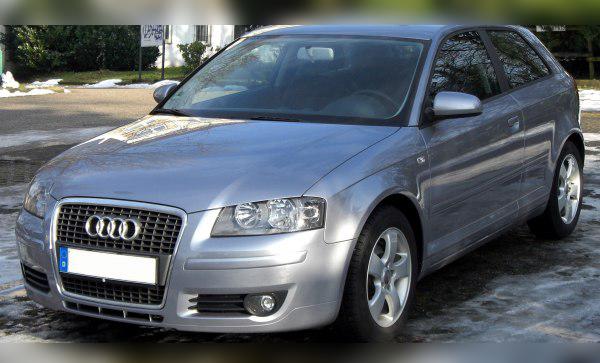
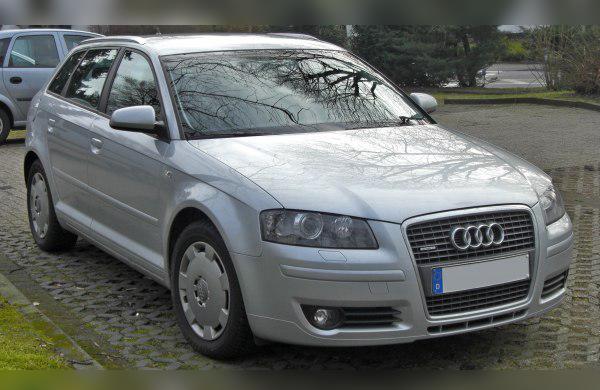



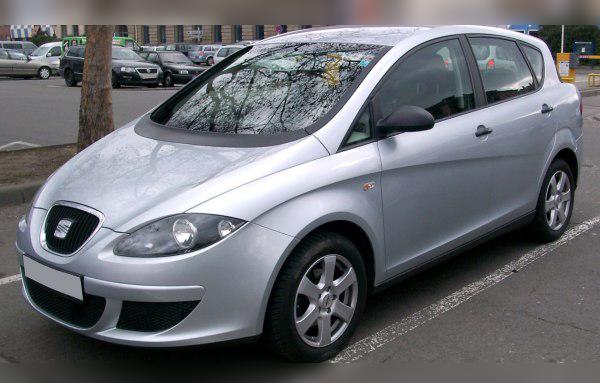
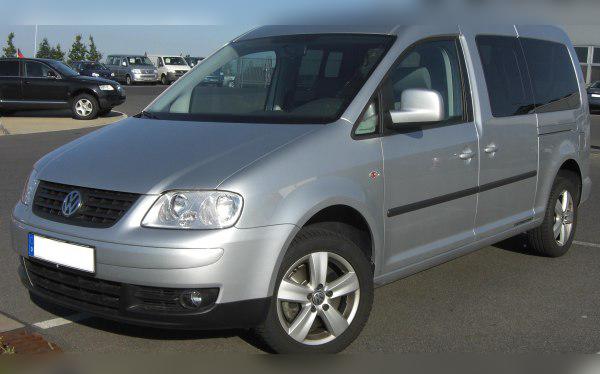
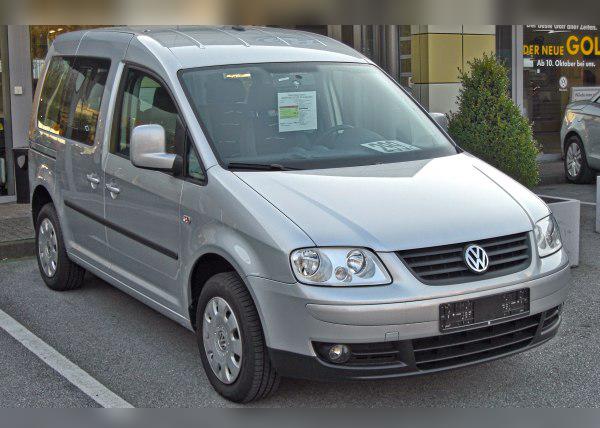
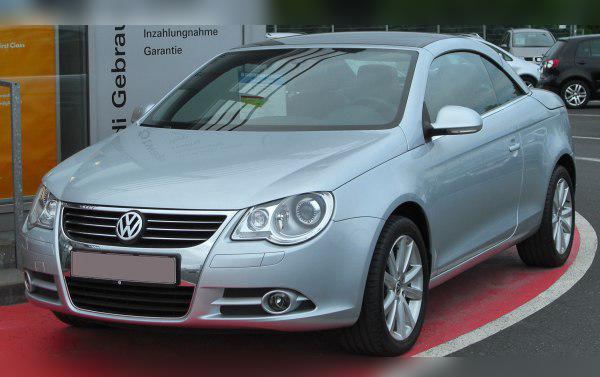
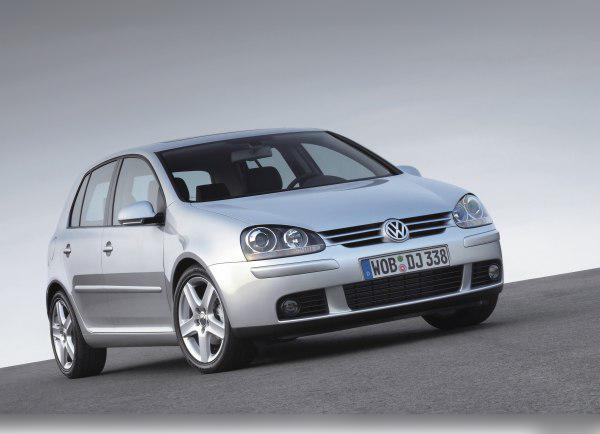


2.0 TDI (BMM) 140 HP – Experiences, Problems and Maintenance: The “Good” 2.0 TDI from the VW Group?
When someone mentions the 2.0 TDI engine from the “Golf 5” or Audi A3 (8P) era, most enthusiasts immediately frown, thinking about cracked cylinder heads. However, here we make a crucial distinction. The engine we’re talking about today carries the code BMM. It’s the version with 8 valves (8V), a single camshaft and a factory-fitted DPF filter.
Why is this important? Because the BMM engine, mechanically speaking, is an “upgraded” and modernized legendary 1.9 TDI, and not that problematic 16V (BKD) engine that caused so many owners headaches. Although it’s not flawless, BMM is considered one of the most reliable 2.0 TDI units with the Pumpe-Düse (unit injector) system before the switch to Common Rail. It was installed in a wide range of vehicles, from the family-oriented Touran to the sporty Leon.
Key points in short (TL;DR)
- Biggest advantage: 8-valve cylinder head that does not crack (unlike the 16V BKD version).
- Injectors: Uses more reliable Bosch solenoid injectors, not the problematic Siemens piezo injectors.
- Emissions: Comes with a factory DPF filter which can cause issues in city driving.
- Critical point: Oil pump drive (hex shaft) can round off at higher mileage – must be checked.
- Oil consumption: Tends to use some oil, which is standard for PD engines.
- Recommendation: An excellent choice for those who want the power of a 2.0 engine with robustness similar to 1.9 TDI units.
Contents
- Technical Specifications
- Reliability and Maintenance
- Specific Parts (Costs)
- Fuel Consumption and Performance
- Additional Options and Modifications
- Gearbox (Manual and DSG)
- Buying Used and Conclusion
Technical Specifications
| Specification | Data |
|---|---|
| Engine displacement | 1968 cc (2.0 L) |
| Power | 103 kW (140 HP) |
| Torque | 320 Nm at 1750–2500 rpm |
| Engine code | BMM (EA188 series) |
| Valve configuration | 8 valves (SOHC) – Single camshaft |
| Injection system | Pumpe-Düse (PD – unit injector) |
| Turbocharger | Garrett VGT (Variable geometry) |
Reliability and Maintenance
Timing belt or chain?
The BMM engine uses a timing belt. This is good news because the system is simple and predictable. The factory interval for replacement (major service) is set at 120,000 to 150,000 km, but considering the age of these cars, it’s recommended to shorten this interval to 90,000–100,000 km or a maximum of 5 years. A snapped belt leads to catastrophic engine failure (piston-to-valve contact), so regular replacement is essential.
Most common failures
Although more reliable than its 16-valve relatives, the BMM has its own quirks:
- Camshaft: Since this is an 8V engine, the camshaft is heavily loaded because it drives both the valves and the unit injectors. If the wrong oil is used, the lobes can wear out as early as 200,000 km. Symptoms include a dull engine sound and loss of power.
- Oil pump (hex shaft): Although less common than on some 2.0 TDI engines in the Passat B6, the BMM can also suffer from the hex shaft that drives the oil pump rounding off and slipping. When that happens, the engine loses oil pressure; the turbo is usually the first to fail, followed by crankshaft bearings. Preventive replacement of this shaft is a small investment that can save the engine.
- Tandem pump: It can start leaking fuel into the oil or externally.
Oil: Quantity and Consumption
The engine takes approximately 3.8 to 4.3 liters of oil (depending on the size of the filter and oil pan on the specific model). Due to the DPF and PD system, it is MANDATORY to use oil that meets the VW 507.00 specification (5W-30 grade). Using oil without this specification will destroy the DPF and damage the camshaft.
Oil consumption is characteristic of PD engines. Consumption of 0.5 to 0.8 liters per 10,000 km is considered completely normal. If it uses more than a liter over a service interval, the turbo or injector seals should be checked.
Injectors
This is where the BMM shines. Unlike the 170 HP engines (code BMN) which use sensitive Siemens piezo injectors, the BMM uses classic Bosch solenoid injectors. They are extremely robust, more tolerant of lower-quality fuel and often last over 300,000 km without overhaul. The most common issue is not the injector itself, but the seals (O-rings) around the injectors which fail, allowing fuel to enter the oil or causing pressure loss. Replacing the seals and bolts solves the problem.
Specific Parts (Costs)
Dual-mass flywheel: Yes, this engine always comes with a dual-mass flywheel (DMF), whether the gearbox is manual or DSG. Due to the high torque (320 Nm) delivered suddenly (the typical “PD punch”), the flywheel is under stress. Symptoms of failure include rattling when switching the engine off, vibrations at idle and clunks when changing gears. Replacement cost falls into the “expensive” category (varies by market).
Turbocharger: It uses a single variable-geometry turbocharger. Service life is long (over 200,000 km) with regular oil changes. The main enemy is city driving (lugging the engine), which leads to soot buildup that blocks the vanes. The symptom is so-called “limp mode” (safety mode) where the engine suddenly loses power during overtaking above 3000 rpm. Often, a thorough turbo cleaning is all that’s needed.
DPF and EGR: BMM engines are among the first 2.0 TDI units that commonly came with a DPF. Due to the age of the vehicles, the DPF is often at the end of its service life or clogged from city driving. The EGR valve is also prone to fouling. Symptoms include frequent regenerations (elevated idle speed, radiator fans running) and warning lights on the dashboard. Cleaning is possible, but if the substrate is melted, replacement is required.
AdBlue: This engine does not have an AdBlue system. That’s one less maintenance concern, as there are no urea heaters or pumps that can fail.
Fuel Consumption and Performance
City driving: Real-world consumption in the city ranges between 7.0 and 9.0 l/100 km. If you drive a heavier car (e.g. VW Touran or Caddy Maxi) with a DSG gearbox in heavy traffic, expect up to 9.5 liters. The engine is not as economical in town as the old 1.9 TDI because of DPF regenerations.
Highway and cruising: This is where the engine feels at home. At 130 km/h in 6th gear, the engine spins at a comfortable 2200 to 2400 rpm (depending on the gearbox). Highway consumption drops to 5.0 to 6.0 l/100 km. The engine is very flexible and overtaking is easy without frequent downshifts.
Is the engine sluggish? Absolutely not. With 320 Nm of torque available from just 1750 rpm, the BMM pulls hard. Subjectively, it feels stronger than the numbers suggest, precisely because of the sudden surge of power typical of the Pumpe-Düse technology.
Additional Options and Modifications
Remap (Stage 1): The BMM responds very well to remapping. A safe Stage 1 tune raises power to around 170 HP and torque to about 380–390 Nm.
Warning: Before remapping, check the condition of the clutch and flywheel. The extra torque will drastically shorten the life of an already worn dual-mass flywheel. Also, pay attention to the DPF – a bad map can quickly clog the filter.
Gearbox: Manual and DSG
Two types of 6-speed gearboxes were paired with the BMM engine:
- 6-speed manual: Very precise and durable. Failures are rare and mostly limited to the clutch kit and flywheel. The gearbox oil is theoretically “lifetime fill”, but it’s recommended to replace it every 150,000 km.
- DSG (DQ250): This is a dual-clutch automatic gearbox with wet clutches. It shifts very quickly and offers excellent comfort.
Maintenance: It requires oil and filter changes strictly every 60,000 km. If this is neglected, the mechatronics unit (the “brain” of the gearbox) fails, and repairs are very expensive (varies by market). Symptoms include jerking when taking off or a delay when engaging R or D.
Buying Used and Conclusion
If you’re buying a used car with this engine, here’s a short checklist:
- Cold start: The engine should start immediately. If it cranks for a long time, injector seals or the tandem pump may be at fault.
- Idle: Once warm, it should not shake the cabin. Vibrations point to a bad flywheel or injectors that are out of balance.
- Sound: Listen for a dull tapping noise from the air filter box (a sign of a worn camshaft).
- Oil: Open the oil filler cap. If there is white sludge (“mayonnaise”), walk away – this can mean coolant mixing with oil (oil cooler or cylinder head issue, although this is rarer on the 8V).
Conclusion:
The 2.0 TDI BMM engine is probably the best choice if you’re looking for a VW Group vehicle produced between 2005 and 2008/9. It offers the performance of a modern 2.0 diesel while retaining a simpler 8-valve cylinder head design similar to the indestructible 1.9 TDI. Maintenance is not the cheapest due to the DPF and dual-mass flywheel, but with regular servicing and quality oil, this engine can easily cover 400,000+ kilometers.
Was this content useful to you?
Your opinion helps us to improve the quality of the content.