BGU, BSE, BSF Engine
- Engine
- 1595 cm3
- Aspiration
- Naturally aspirated engine
- Fuel
- Petrol (Gasoline)
- Fuel injection system
- Multi-port manifold injection
- Power
- 102 hp @ 5600 rpm
- Torque
- 148 Nm @ 3800 rpm
- Cylinders
- 4
- Valves
- 8, 2 per cylinder
- Cylinders position
- Inline
- Valvetrain
- OHC
- Oil capacity
- 4.5 l
- Coolant
- 8 l
# Vehicles powered by this engine
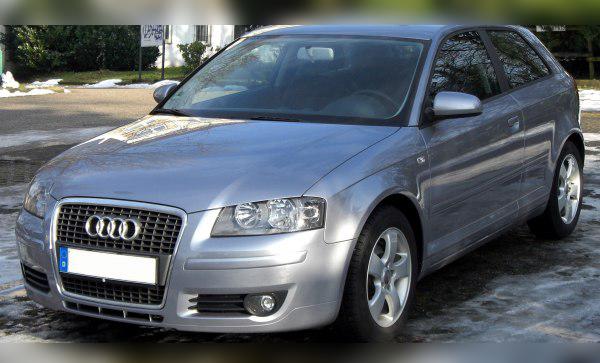
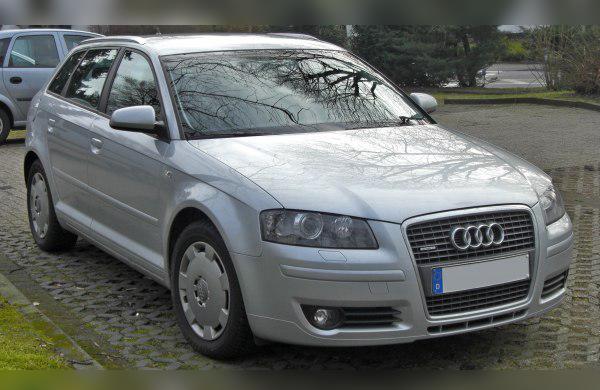
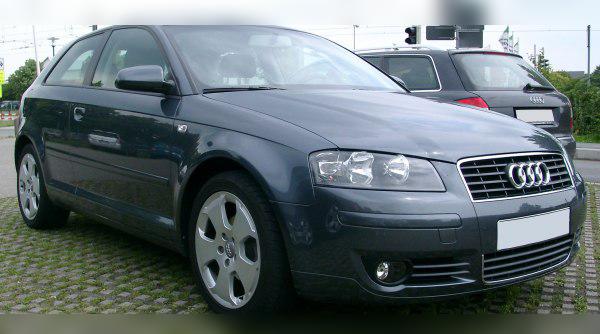
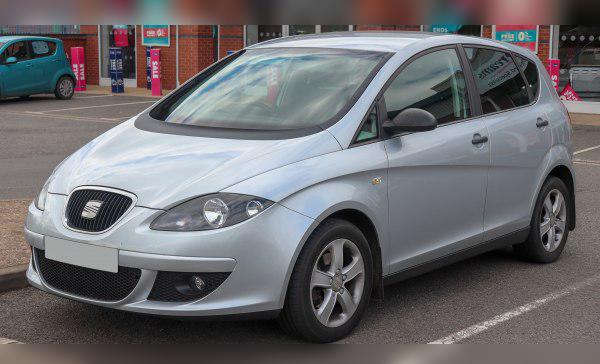
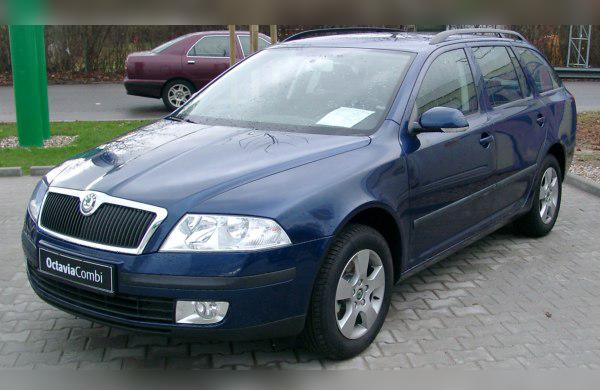
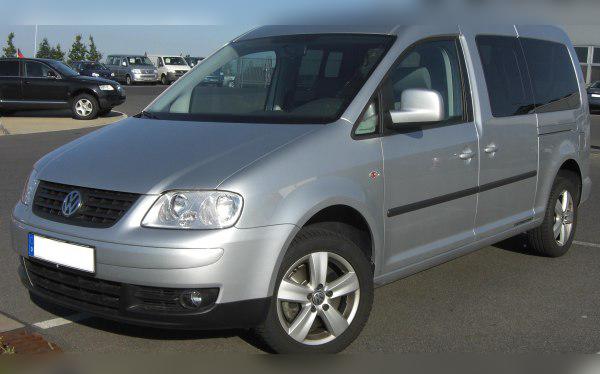
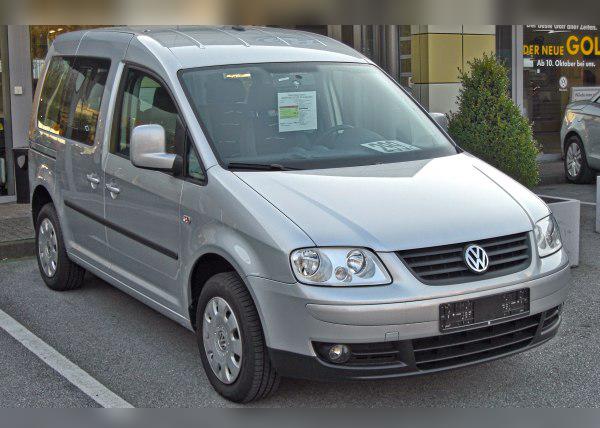
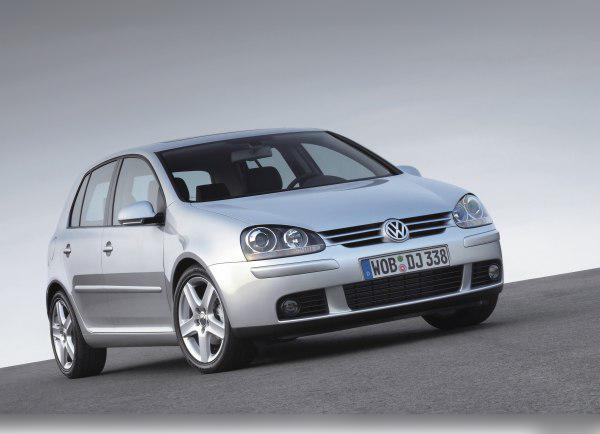
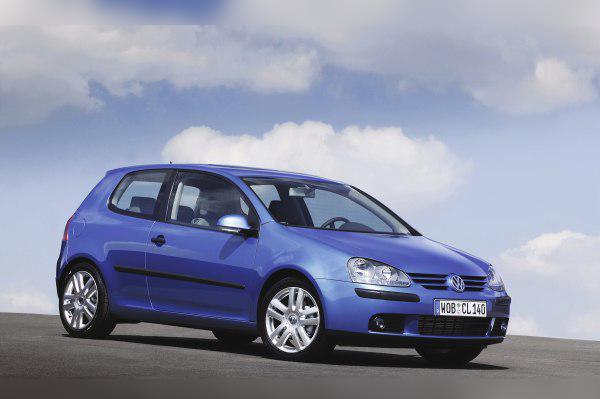
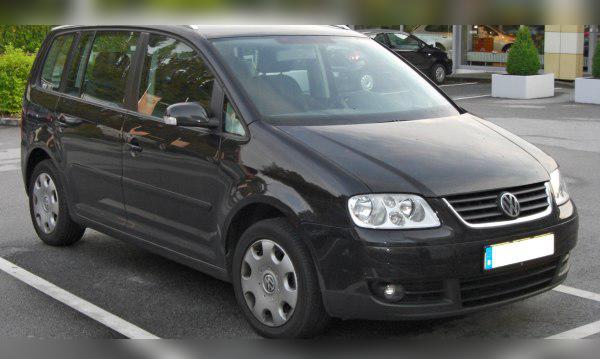
1.6 MPI (BGU, BSE, BSF) – Experiences, issues, fuel consumption and buying used
Key points (TL;DR)
If you don’t have time to read the whole article, here’s what you need to know about this legendary engine:
- Indestructible: This is one of the last “old-school” Volkswagen engines. Simple design means extreme reliability.
- Ideal for LPG: Thanks to indirect injection, this is a perfect candidate for LPG installation, which drastically reduces running costs.
- Performance: Let’s be honest – the engine is “lazy”. With 102 hp and low torque, it requires patience, especially in heavier bodies (Touran, Octavia Combi).
- Fuel consumption: By today’s standards, it drinks a lot. In the city it easily goes over 9–10 liters of petrol.
- Cheap maintenance: No turbo, no dual-mass flywheel (in most cases), no DPF, no expensive injectors. Parts are available everywhere.
- Oil consumption: On older, high‑mileage examples, oil consumption is common (piston rings or valve stem seals).
Contents
- Introduction and engine applications
- Technical specifications
- Reliability and maintenance
- Specific parts (costs and failures)
- Fuel consumption and performance
- Additional options (LPG and tuning)
- Gearbox: manual and automatic
- Buying used and conclusion
Introduction
The 1.6 MPI engine with 102 horsepower (codes BGU, BSE, BSF) represents the “swan song” of simple naturally aspirated technology from the Volkswagen Group. It was installed in a huge number of models, from the Audi A3 and Golf Mk5 all the way to family Caddys and Tourans.
Why is this engine important? Because it is the complete opposite of modern TSI engines. It has no direct injection, no turbocharger and no complicated electronics that give used‑car owners headaches. If you want a car to take you from point A to point B with minimal service costs, and you’re not chasing sporty performance, this is probably the best petrol engine of that era.
Technical specifications
| Parameter | Data |
|---|---|
| Engine displacement | 1595 cc (1.6 liters) |
| Power | 75 kW (102 hp) at 5600 rpm |
| Torque | 148 Nm at 3800 rpm |
| Engine codes | BGU, BSE, BSF (CCSA, CMXA in some variants) |
| Injection type | MPI (Multi Point Injection) – indirect |
| Induction | Naturally aspirated (no turbo) |
| Number of valves | 8 valves (SOHC – single camshaft) |
Reliability and maintenance
Timing belt or chain?
This engine uses a timing belt to drive the camshaft. That’s good news because the system is simple and quiet. The replacement interval (major service) is usually recommended every 90,000 to 120,000 km or every 5 years, whichever comes first. It’s advisable not to wait until the last moment, because if the belt snaps, pistons and valves will collide, which means catastrophic engine damage.
Most common failures
Although the engine is robust, age takes its toll. Here’s what most often causes problems:
- Coil packs and leads: Symptoms include rough idle, jerking under acceleration and the “Check Engine” light. Moisture often causes arcing on the leads.
- Lambda sensor (O2 sensor): A common failure that affects the air‑fuel mixture, leading to increased fuel consumption.
- Secondary air system: The pump that helps the catalytic converter warm up faster can become noisy or fail, but this doesn’t drastically affect drivability (mainly emissions).
- Intake manifold O‑rings: With age, the rubber hardens, the engine draws unmetered air and idles roughly.
Oil: capacity, grade and consumption
The engine takes approximately 4.5 liters of oil. The recommended grade is usually 5W‑40 (VW 502.00 standard), although many owners of high‑mileage engines switch to 10W‑40.
Does it burn oil? Yes, this is a downside of this engine at higher mileage. Consumption of 0.5 liters per 1,000 km is considered “acceptable” by the (rather loose) factory standards, but in practice it indicates a problem. The main culprits are usually valve stem seals that have hardened or oil control rings that are stuck. If the engine uses a liter of oil every 2,000–3,000 km, it’s time for a refresh (a so‑called partial overhaul).
Spark plugs
Spark plugs are replaced every 60,000 km. Since access to the plugs (especially the middle ones under the intake manifold) is a bit tricky on some models, mechanics sometimes charge a bit more labor for this job than on average cars.
Specific parts (costs)
Injection system and injectors
The engine uses a classic MPI system with low‑pressure electronic injectors. The injectors are extremely durable and rarely fail. They are not as sensitive to poor fuel quality as FSI or TSI injectors. If a problem does occur, ultrasonic cleaning usually solves it. The price of new injectors is not high (depends on the market).
Dual‑mass flywheel and clutch
Good news: combined with a manual gearbox, this engine in 99% of cases has a solid flywheel and a conventional clutch. This means clutch kit replacement is much cheaper than on diesels (TDI), which almost always have a dual‑mass flywheel. If you have an automatic gearbox, it’s a different story (see the gearbox section).
Turbo, DPF, EGR, AdBlue
This is where the biggest advantage of the 1.6 MPI lies:
- Turbocharger: None. No turbo rebuilds, no oil leaks from the turbo.
- DPF filter: None. No clogging in city driving.
- AdBlue: Not present.
- EGR valve: Present on most variants (BSE/BSF are Euro 4). It can get clogged with soot, which triggers the check engine light. Cleaning is often enough, and replacement is not overly expensive (market‑dependent).
Fuel consumption and performance
Is the engine “lazy”?
To be direct – yes. With 148 Nm of torque available only at 3800 rpm, this engine needs a heavy right foot to get moving. In a light body such as a three‑door Golf 5 it’s tolerable, but in a Škoda Octavia Combi, VW Touran or Caddy, overtaking on open roads requires serious planning and dropping down a gear or two.
Real‑world fuel consumption
Don’t expect low fuel consumption just because the engine is weak.
- City driving: Expect between 9 and 11 liters per 100 km. In winter and heavy traffic, this can go up to 12 l.
- Country roads: If you cruise at 80–90 km/h, you can get it down to 6.5–7 liters.
- Motorway (130 km/h): This is where the engine suffers. Due to short gearing, at 130 km/h the engine spins at about 4,000 rpm (in 5th gear). That means noise and consumption of around 8 to 9 liters.
Additional options and modifications
LPG conversion
Is it suitable? Absolutely. This is probably the best engine of that generation for LPG conversion. It has a metal intake manifold (in most versions), hydraulic lifters and simple electronics. A sequential LPG system works perfectly, doesn’t cause issues and drastically reduces running costs. The tank is usually fitted in place of the spare wheel.
Remapping (Stage 1)
On naturally aspirated petrol engines, remapping is basically throwing money away. The gain is in the range of 3 to 5 hp, which you won’t feel in real driving. The only thing you might get is a sharper throttle response (by remapping the electronic throttle), but that doesn’t increase actual power. You’re better off investing that money in quality tyres or a full major service.
Gearbox
Variants
This engine came with:
- 5‑speed manual gearbox: The most common option.
- 6‑speed Tiptronic (Aisin): A conventional automatic with a torque converter (fitted to Golf 5, Audi A3 8P).
- DSG (7‑speed): Later fitted to some models (e.g. Golf 6, newer Caddy with the 1.6 engine), but with this specific 102 hp engine the most common is the classic automatic or the older 6‑speed DSG, depending on year and model.
Gearbox issues and maintenance
- Manual: Very reliable, but a known issue on VW Group cars from this period is the gear selector linkage. The shift can become “vague” or rubbery. Gearbox oil is officially “fill for life”, but it’s strongly recommended to change it every 100,000 km (around 2 liters of 75W‑90) for smoother shifting in winter. Clutch replacement costs are low.
- Automatic (Tiptronic): Very comfortable and reliable if maintained, but it further hurts performance and increases fuel consumption by 1–2 liters. Mandatory oil and filter change every 60,000 km. If the oil is not changed, the valve body (mechatronics) can fail, which is a very expensive repair (market‑dependent, but often over 1000 EUR).
Buying used and conclusion
When buying a car with the 1.6 MPI engine, pay attention to the following:
- Cold start: The engine should start immediately and idle smoothly. Rough idle often points to coil packs, leads or a dirty throttle body.
- Blue smoke and exhaust: Once the engine is warm, rev it hard. Blue smoke is a sure sign the engine is burning oil (rings/valve stem seals). Your finger inside the exhaust should come out greyish or black with soot, but not oily.
- Oil filler cap: Open the oil filler cap. If you see “mayonnaise” (white emulsion), it can mean the car is only driven on short trips (condensation), but it can also indicate coolant mixing with oil (head gasket).
- Fluid leaks: Check the plastic coolant flanges on the side of the engine; they often crack with age and coolant leaks from there.
Final verdict
This engine is aimed at drivers who value peace of mind more than acceleration. It’s ideal for city driving, beginners, or as a family car with an LPG system fitted to save money. It’s not for racing, not for uphill overtakes with a full boot, but it will always get you home. If you find a well‑maintained example that doesn’t burn excessive oil, go for it – engines like this are no longer being made.
Was this content useful to you?
Your opinion helps us to improve the quality of the content.