EA188 / BKD Engine
- Engine
- 1968 cm3
- Aspiration
- Turbocharger, Intercooler
- Fuel
- Diesel
- Fuel injection system
- Pump-nozzle (Unit Injector)
- Power
- 140 hp @ 4000 rpm
- Torque
- 320 Nm @ 1750 rpm
- Cylinders
- 4
- Valves
- 16, 4 per cylinder
- Cylinders position
- Inline
- Valvetrain
- DOHC
- Oil capacity
- 3.8 l
- Coolant
- 8 l
# Vehicles powered by this engine
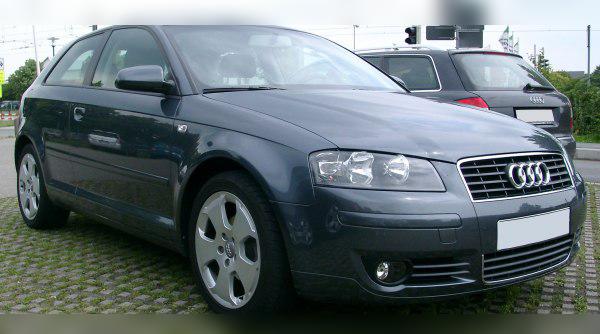
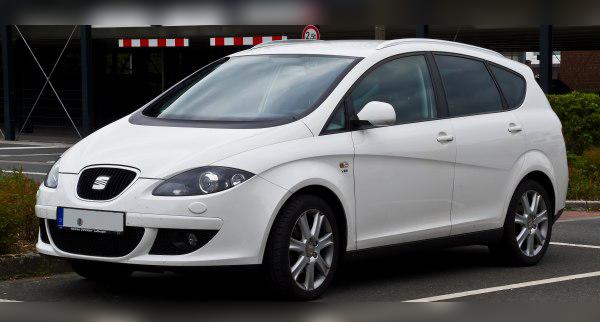
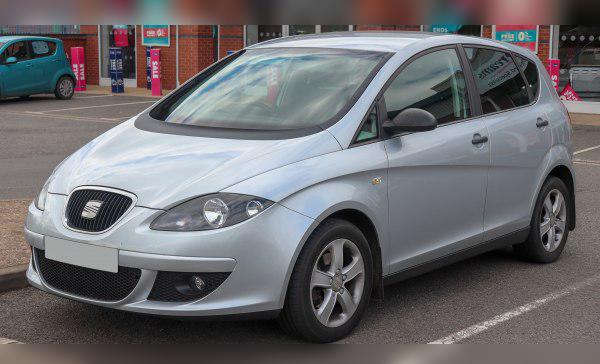
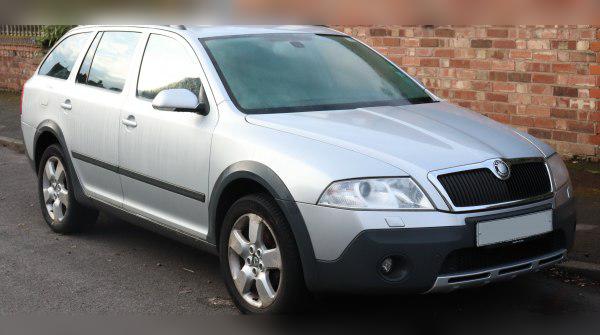
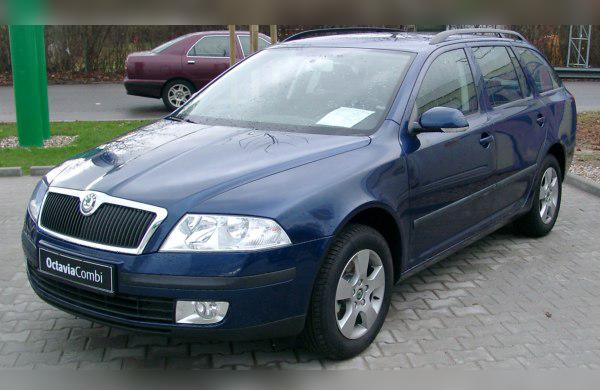
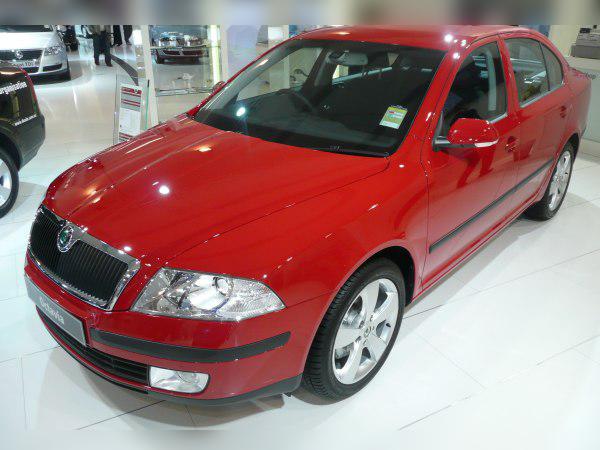
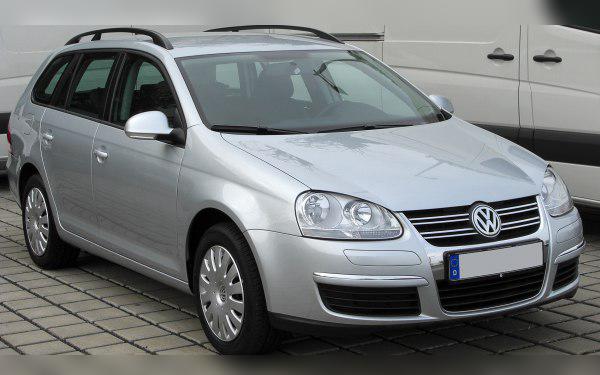
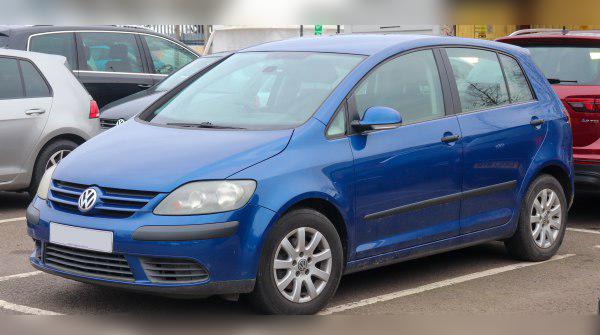
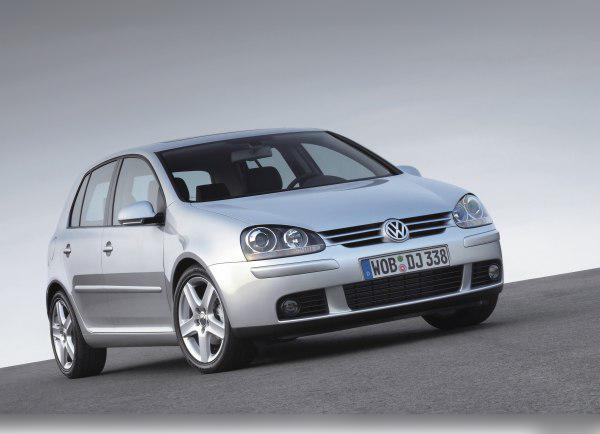
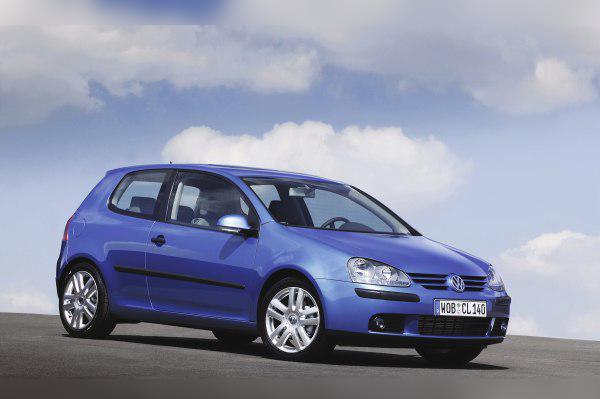
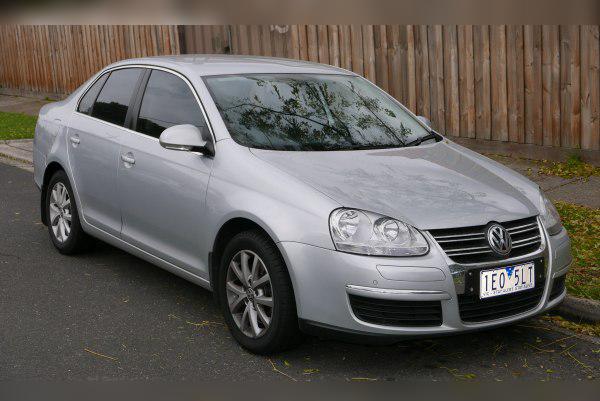
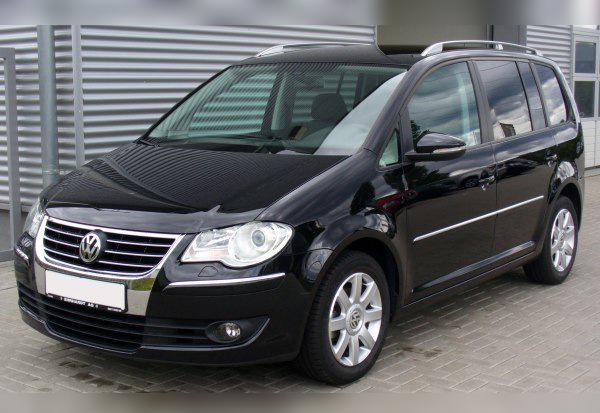
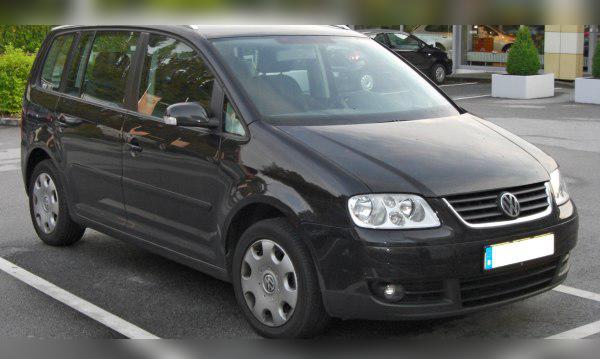
2.0 TDI (EA188 / BKD): Experiences, problems, fuel consumption and what to check before buying
If you’re looking for a used car from the VW Group produced between 2003 and 2010, there’s a good chance you’re looking at this exact engine. The 2.0 TDI with the BKD code is the direct successor to the legendary 1.9 TDI, but it also brought completely new technology – 16 valves and two camshafts while retaining the "Pumpe-Düse" (PD) injection system.
This engine is known for two things: fantastic performance for its power (that famous "kick in the back") and, unfortunately, the notorious problem of cylinder head cracking in early series. In this article we’ll go straight through everything you need to know to avoid expensive repairs.
Key points (TL;DR)
- Performance: Explosive throttle response, feels stronger than the rated 140 hp.
- Biggest concern: Cylinder head cracking (coolant loss) on early production runs.
- DPF filter: Most BKD engines do not have a DPF filter from factory, which is a huge plus for a used car.
- Oil pump: Unlike the Passat (B6) and Audi A4, the BKD engine does not have the problematic balance shafts that destroy the oil pump.
- Fuel consumption: Extremely economical on the highway, moderate in the city.
- Recommendation: Look for engines with a cylinder head code ending in "C" or with a later production date (after 2007).
Contents
- Technical specifications
- Reliability and maintenance
- Specific parts and costs
- Fuel consumption and performance
- Additional options and modifications
- Gearbox (manual and DSG)
- Buying used and conclusion
Technical specifications
| Parameter | Data |
|---|---|
| Engine displacement | 1968 cc |
| Power | 103 kW (140 hp) |
| Torque | 320 Nm at 1750–2500 rpm |
| Engine code | BKD (EA188 family) |
| Injection system | Pumpe-Düse (PD) - unit injector system |
| Valve configuration | DOHC, 16 valves (4 per cylinder) |
| Charging | Variable-geometry turbocharger (VNT) + intercooler |
Reliability and maintenance
The BKD engine is mechanically robust, but it has a few Achilles’ heels you need to be aware of. Its reputation has been shaken by cylinder head issues, but if that problem is solved (or not present), this engine can cover hundreds of thousands of kilometers.
Timing belt or chain?
This engine uses a timing belt. This is a key maintenance item. If the belt snaps, the pistons and valves collide, which means catastrophic engine failure.
Failures and symptoms
The most common and most expensive problem is cylinder head cracking between the valves. Symptoms include:
- Coolant loss without visible leaks under the car.
- Hard cold start in the morning (white smoke on startup).
- High pressure in coolant hoses ("hard hoses").
This problem is most pronounced on heads with a part number ending in the letter A, less so on B, while heads marked C (installed later or as replacements) have this issue resolved.
Another common problem is the throttle body (intake flap), which can get stuck due to oil entering the electronics, causing rough engine shutdown and a "Check Engine" light.
Major service
The factory recommendation was often 120,000 km or 150,000 km, but real-world experience shows otherwise. For peace of mind, it’s recommended to replace the timing belt, tensioners and water pump every 90,000 to 100,000 km or every 5 years, whichever comes first.
Oil: quantity and consumption
The BKD engine takes approximately 3.8 to 4.3 liters of oil (depending on the filter and oil pan size on a specific model). Always use oil that meets the VW 505.01 specification (for PD engines without DPF) or VW 507.00 (universal for newer TDIs).
As for oil consumption, PD engines are known to "like to drink". Consumption of 0.5 to 0.8 liters per 10,000 km is considered completely normal. If it uses more than 1 liter per 2–3 thousand kilometers, that points to a problem with the turbo or piston rings.
Injectors (unit injectors)
The injection system uses Bosch electromagnetic or piezo injectors (depending on the year). They are generally very durable and can last over 300,000 km with good-quality fuel. However, the frequent issue is not the injector itself, but the injector wiring harness that runs through the cylinder head and is submerged in oil. Symptoms include jerking while driving or the engine running on 3 cylinders. Replacing the harness is not particularly expensive.
Specific parts (costs)
Dual-mass flywheel
Yes, it has a dual-mass flywheel. Given the high torque (320 Nm) delivered suddenly, the flywheel is under heavy stress. Its lifespan is usually between 150,000 and 200,000 km, but aggressive city driving can destroy it earlier. Symptoms include rattling at idle that disappears when you press the clutch, and vibrations when switching the engine off. Replacement cost (clutch kit + flywheel) is high (expensive for this vehicle class).
Turbocharger
The engine has a single turbocharger (Garrett or KKK). Service life is long if the car is properly maintained and not switched off immediately after fast driving. A common problem is sooted-up variable geometry (due to city driving), which causes the car to go into "safe mode" (loss of power) at higher speeds. Cleaning the turbo is a cheaper solution, while a full rebuild is more expensive.
DPF and EGR
This is good news for many: Most BKD engines (especially up to 2006/2007) do NOT have a DPF filter from factory. This significantly reduces maintenance costs because there are no regenerations, clogging or expensive sensors. Still, always check by VIN, as some later models for Western markets could have a factory or retrofitted DPF.
The EGR valve is present and prone to clogging with soot, which causes smoke and poorer throttle response. It’s often solved by cleaning or software deactivation (where legal).
AdBlue
This engine does not have an AdBlue system. SCR catalyst technology with urea came much later with Euro 6 standards.
Fuel consumption and performance
City driving
In heavy city traffic, real-world fuel consumption is between 7.0 and 9.0 l/100 km. If you have a heavy right foot, it can go up to 10 liters, but that’s rare.
Is the engine sluggish?
Absolutely not. The BKD is considered one of the liveliest diesels of its generation. Thanks to the Pumpe-Düse system, power delivery is sudden and brutal. In bodies such as the Golf 5 or Audi A3, the car behaves like a small sports car. Even in heavier vehicles like the VW Touran or Škoda Octavia Scout 4x4, there is more than enough power for overtaking.
Highway
This is the natural habitat of this engine. With a 6-speed gearbox, at 130 km/h the engine spins at around 2,200 to 2,400 rpm (depending on the gearbox). Fuel consumption then is between 5.5 and 6.5 l/100 km. The engine has enough power reserve to accelerate from 120 to 160 km/h without needing to downshift.
Additional options and modifications
Since this is a diesel, LPG conversion is not a standard option (although dual-fuel diesel–gas systems exist, they are not cost-effective for passenger cars of this class). We’ll focus on tuning.
Remapping (Stage 1)
The BKD engine is extremely suitable for chiptuning. The stock components (turbo, injectors) can handle significantly more than 140 hp.
- Stage 1 (software only): Power can safely be raised to 170–180 hp and about 380–400 Nm.
After remapping, the car becomes seriously quick, but keep in mind that the higher torque puts additional stress on the dual-mass flywheel and clutch. If the flywheel is already worn, remapping will finish it off very quickly.
Gearbox
Two types of gearboxes come with the BKD engine:
1. Manual gearbox (6-speed)
Very precise and reliable. There are no specific systemic failures. The gearbox oil is theoretically "lifetime", but it’s recommended to change it every 150,000–200,000 km. The main expense here is the already mentioned clutch kit with dual-mass flywheel. Replacement cost: (expensive, depends on market and brand of parts).
2. Automatic gearbox (DSG - DQ250)
This is a 6-speed DSG gearbox with a wet clutch. That means the clutch packs are immersed in oil.
- Maintenance: Mandatory oil and filter change in the gearbox every 60,000 km. You must not skip this!
- Failures: The most common problem is the mechatronic unit (the gearbox "brain"), which can fail and cause jerking when setting off or inability to engage gears. Repair is very expensive. Also, the flywheel on DSG gearboxes is specific and also fails (you can hear metallic knocking at idle).
Buying used and conclusion
Buying a car with a BKD engine is a "double-edged sword", but if you know what to look for, you can end up with an excellent deal.
What to check before buying?
- Cold start: Insist that the car is completely cold. If it struggles to start, emits white smoke or runs unevenly for the first few seconds – suspect the cylinder head or injectors.
- Test drive: Warm the car up, then rev it hard. If the temperature suddenly spikes or it pushes coolant out of the expansion tank – the cylinder head is cracked.
- Noise at idle: Listen for metallic knocking or changes in sound when you press and release the clutch (sign of a bad flywheel).
- Turbo lag/hesitation: If the car "stutters" when accelerating around 2000 rpm, the turbo’s variable geometry is probably dirty.
Conclusion
The EA188 / BKD engine is aimed at drivers who want a strong and fun diesel without the complications that come with newer engines (DPF, AdBlue, high-pressure common-rail pumps). Although it carries the risk of cylinder head cracking (which on most surviving examples has likely already been fixed), it offers better driving dynamics than the old 1.9 TDI and is significantly simpler than newer 2.0 TDI engines.
Ideal purchase: A 2007/2008 example (or newer in Seat/Škoda models) with a manual gearbox, where the risk of head cracking is minimal.
Was this content useful to you?
Your opinion helps us to improve the quality of the content.