EA888 / CYRB Engine
- Engine
- 1984 cm3
- Aspiration
- Turbocharger, Intercooler
- Fuel
- Petrol (Gasoline)
- Fuel injection system
- Direct injection and Multi-port manifold injection
- Power
- 252 hp
- Torque
- 370 Nm
- Cylinders
- 4
- Valves
- 16, 4 per cylinder
- Cylinders position
- Inline
- Valvetrain
- DOHC
- Oil capacity
- 5.2 l
- Coolant
- 8.4 l
- Systems
- Start & Stop System
# Vehicles powered by this engine

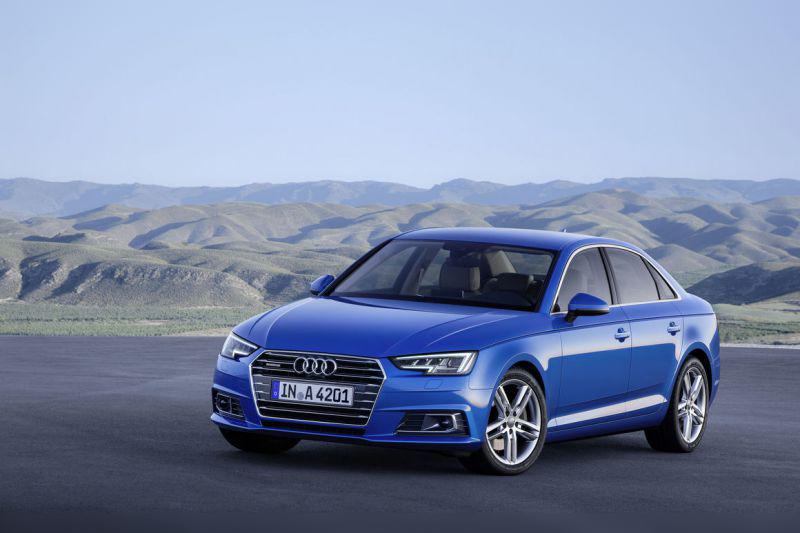
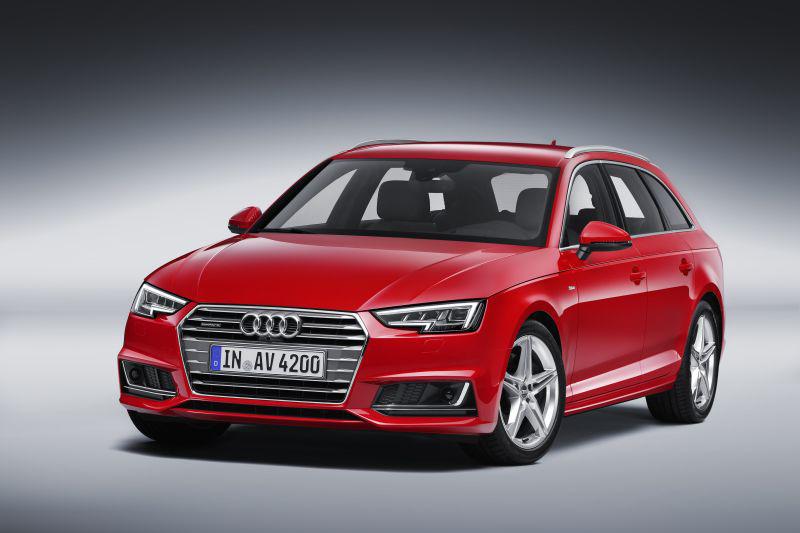

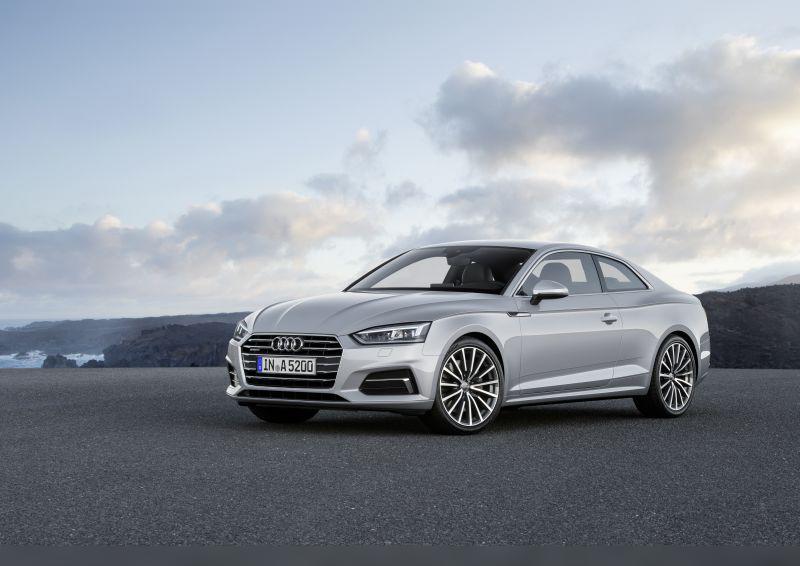
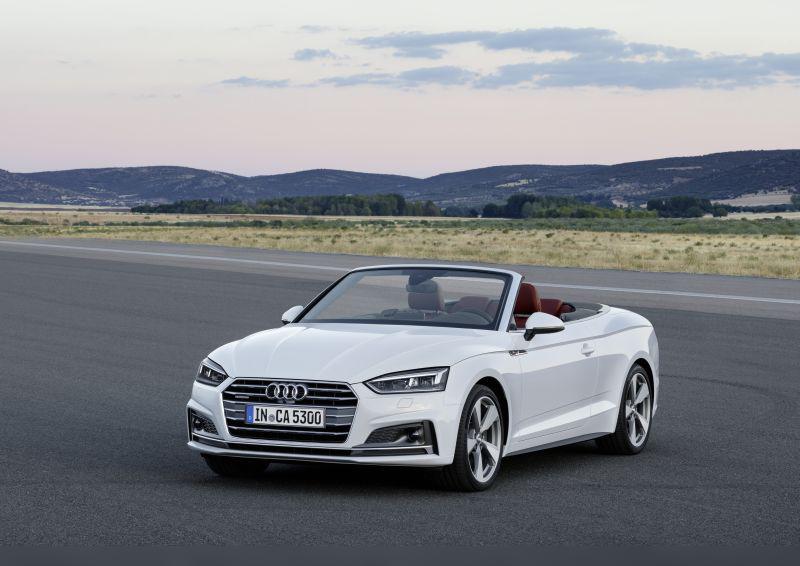
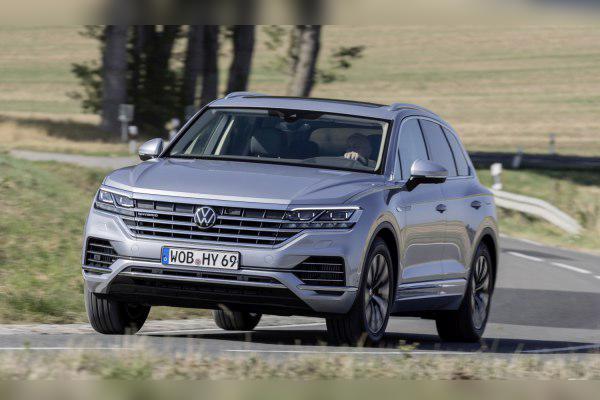
2.0 TFSI (EA888 Gen 3 / CYRB): Experiences, Problems and Maintenance
Key points in short (TL;DR)
- Performance: With 252 hp and 370 Nm, this is one of the most potent 2.0 engines in its class – it offers an excellent balance of power and fuel consumption.
- Biggest downside: The thermostat module and water pump are the Achilles’ heel. Coolant leaks are a very common issue.
- Oil consumption: Significantly improved compared to older EA888 generations (Gen 2), but it still tends to “drink” a bit of oil under aggressive driving.
- Gearbox: It is mostly paired with the S tronic (DL382) gearbox. Regular gearbox oil changes every 60,000 km are critical for longevity.
- Drivetrain: Versions with the “quattro ultra” badge have a specific all-wheel-drive system that physically disconnects to save fuel – check the condition of the differential clutch.
- Recommendation: An excellent choice for those who want performance close to S models, but with maintenance costs of a standard four‑cylinder.
Contents
- Technical Specifications
- Reliability and Maintenance (Chain, Oil, Service)
- Specific Parts and Costs
- Fuel Consumption and Performance
- Gearbox (S tronic) and Drivetrain
- Tuning and LPG
- Buying Used and Conclusion
Technical Specifications
| Characteristic | Data |
|---|---|
| Engine code | EA888 Gen 3 (CYRB) |
| Displacement | 1984 cc |
| Power | 185 kW (252 hp) |
| Torque | 370 Nm at 1600–4500 rpm |
| Injection type | Combined (Direct FSI + MPI in some versions) |
| Charging | Turbocharger (IHI IS20) + intercooler |
| Camshaft drive | Chain |
Reliability and Maintenance
Chain or belt?
The CYRB engine belongs to the third generation EA888 and uses a timing chain. Unlike the notorious second generation (where chains snapped before 100,000 km), the system here is significantly improved. The chain is more robust and the tensioners have been redesigned.
However, the chain is not eternal. Although there is no strict replacement interval, it is recommended to check the condition of the chain via diagnostics (degree of stretch) or visually (number of teeth showing on the tensioner) after around 150,000 km. A typical symptom is a characteristic rattling noise on cold start that lasts longer than 2–3 seconds.
Most common failures
This is a fairly reliable engine if maintained properly, but it does have a few weak points:
- Thermostat module and water pump: This is failure number one. The housing is made of plastic that deforms over time due to heat cycles, which leads to coolant leaks. If you smell coolant around the car or the coolant level is dropping, this is the most likely cause. Replacement is expensive (depends on the market) because of poor access and the price of the OEM part.
- PCV valve (crankcase ventilation/oil separator): When the membrane in this valve tears, the engine starts to run roughly, you may hear a whistling sound, and oil consumption increases. This is not an expensive repair, but it can scare the owner.
- Oil leaks: The plastic oil pan is prone to damage and leaks at the gasket.
Service intervals and oil
Minor service should be done at a maximum of 10,000 to 15,000 km or once a year. Factory “Long Life” intervals of 30,000 km are murder for this engine, especially in city driving.
- Oil capacity: The engine takes approximately 5.2 liters.
- Viscosity: 0W-20 (VW 508.00 specification) is recommended for newer model years for efficiency, but many experts and owners switch to 5W-30 (VW 504.00) for better protection at higher temperatures, especially if the car is driven more aggressively.
- Oil consumption: Does it use oil? Yes, but within normal limits. Unlike older models that used 1L per 1000 km due to poor piston rings, the CYRB engine is “tightened up”. Still, consumption of around 0.5L per 3,000–5,000 km is considered acceptable and does not necessarily indicate a fault, but rather the nature of a turbocharged engine.
Spark plugs and injectors
Since this is a petrol engine, spark plugs are replaced every 60,000 km. If the car is tuned (Stage 1), this interval should be shortened to 30,000–40,000 km.
Specific Parts (Costs)
Dual‑mass flywheel
Yes, this engine combined with the S tronic gearbox does have a dual‑mass flywheel. Its lifespan depends on driving style, but it usually lasts over 200,000 km. Symptoms of failure are metallic knocks when switching the engine off or vibrations at idle. Replacement is a costly investment.
Turbocharger and injection
The engine uses a single IHI IS20 turbocharger. It has proven to be very durable, provided that the engine is not switched off immediately after hard driving and that the oil is changed regularly. Turbo failures are rare before 200,000 km.
Injection system: In Europe, the EA888 Gen 3 often uses a combination of direct (FSI) and port (MPI) injection. This is a great solution because the MPI injectors wash the valves and prevent carbon buildup, which was a big problem on engines with direct injection only. Injectors are generally reliable, but if the high‑pressure fuel pump fails, the cost is high.
Emissions equipment (GPF, EGR, AdBlue)
This engine does not use AdBlue (that’s for diesels). However, newer models (usually from 2018 onwards, depending on the market and Euro standard) may have a GPF (Gasoline Particulate Filter). The GPF rarely clogs because exhaust gas temperatures on petrol engines are much higher than on diesels, so passive regeneration happens constantly. There is no classic EGR valve that causes issues like on diesels, because exhaust gas recirculation is handled by variable valve timing and lift (AVS system).
Fuel Consumption and Performance
City driving and motorway
Don’t expect miracles from 252 hp in a heavy body (A4, A5, and especially Touareg).
- City: Real‑world consumption is between 10 and 13 l/100 km. In heavy stop‑and‑go traffic, it can easily reach 14 liters.
- Motorway: This is where the engine shines. Thanks to the 7th gear and high torque, at 130 km/h the engine spins at a low ~2,000 rpm. Consumption is around 7.0–8.5 l/100 km.
Is the engine “lazy”?
Absolutely not. With 252 hp and 370 Nm available from just 1600 rpm, this engine moves the Audi A4/A5 with remarkable ease. 0–100 km/h takes under 6 seconds (for the A4 quattro), which is on par with sports cars from a few years ago. Even in the heavier Touareg, the engine is adequate, although there you will feel the lack of torque compared to a V6 diesel when towing.
Additional Options and Modifications
LPG
Installing LPG is possible, but it is expensive and complicated. Due to direct injection, you need a system that either injects liquid gas directly through the petrol injectors (very expensive) or a system that uses a mixture of petrol and gas (a certain amount of petrol is necessary to cool the injectors). Considering the complexity of the engine and potential electronic issues, LPG installation is not recommended unless you cover extremely high mileages.
Chip tuning (Stage 1)
This engine is a dream for tuners. The EA888 Gen 3 has huge potential.
- Stage 1: With a software remap only, power can be safely raised to 300–310 hp, and torque to over 440 Nm. The engine can handle this without mechanical changes, provided it has been regularly maintained.
Gearbox: S tronic (DL382)
This engine is most commonly paired with the 7‑speed S tronic gearbox (Audi’s name for DSG), with the code DL382. This is a dual‑clutch gearbox with wet clutches.
Maintenance and failures
- Service: Gearbox oil and filter must be changed every 60,000 km. This is a red line you must not cross. Skipping services leads to clutch overheating and mechatronic failure.
- Failures: The most common issues are related to the mechatronics unit (the “brain” of the gearbox) and clutch wear if the car is launched aggressively from a standstill (Launch Control). Symptoms are jerking when setting off or a delay when engaging R (reverse).
- Manual gearbox: It is very rare with this engine (most are automatics), but if you find one, check the condition of the clutch because 370 Nm is not a small amount.
Note on Quattro Ultra: Models with the “Ultra” badge do not have a permanent Torsen AWD system, but a setup with two clutches that disconnect the propshaft and rear differential. This system also requires oil changes in its two separate sections (front transfer case and rear differential).
Buying Used and Conclusion
Before buying a used car with the 2.0 TFSI (252 hp) engine, pay attention to:
- Signs of coolant leaks: Look under the intake manifold; that’s where the thermostat tends to leak.
- Timing chain noise: Listen to the engine on a cold start. Any rattling noise is a red flag.
- Gearbox history: Has the S tronic oil been changed on time? If there is no proof, that’s a major risk.
Conclusion: The 252 hp EA888 Gen 3 engine is a fantastic piece of engineering. It offers performance that will satisfy 90% of drivers, with refined operation and acceptable fuel consumption on the open road. If you are prepared to proactively sort out the water pump/thermostat module and regularly maintain the S tronic gearbox, this is probably the best petrol engine in its class. It is aimed at drivers who want to enjoy driving, not just get from point A to point B, and who are willing to pay a bit more for proper maintenance.
Was this content useful to you?
Your opinion helps us to improve the quality of the content.