EA888 / CVLA Engine
- Engine
- 1984 cm3
- Aspiration
- Turbocharger, Intercooler
- Fuel
- Petrol / CNG
- Fuel injection system
- Direct injection and Multi-port manifold injection
- Power
- 170 hp
- Torque
- 270 Nm
- Cylinders
- 4
- Valves
- 16, 4 per cylinder
- Cylinders position
- Inline
- Valvetrain
- DOHC
- Oil capacity
- 5.2 l
- Systems
- Start & Stop System
# Vehicles powered by this engine
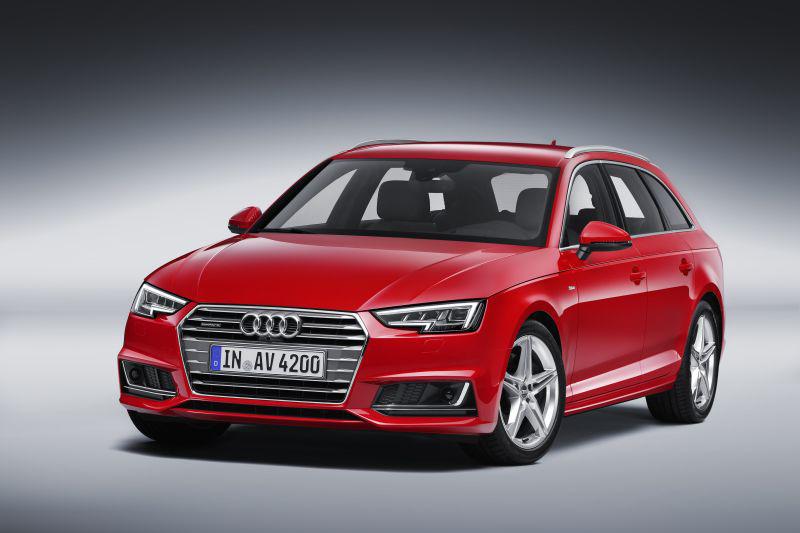

Audi 2.0 TFSI g-tron (EA888 CVLA) experiences, issues, fuel consumption and used car buying guide
Key points in short (TL;DR)
- Factory CNG (Methane): This is not an aftermarket conversion. The engine is optimized for methane, which means drastically cheaper running costs compared to petrol or diesel, provided you have access to filling stations.
- EA888 Gen 3b “B-cycle”: The engine uses an advanced combustion cycle (similar to the Miller cycle) for high efficiency. It is much more reliable than the older 2.0 TFSI engines that suffered from oil consumption issues.
- Reduced boot space and petrol tank: Due to the gas cylinders, the boot is smaller, and the petrol tank on some models is reduced to only 7 litres (later versions) or 25 litres (earlier ones), which limits range if CNG is not available.
- Specific maintenance: It requires more frequent spark plug changes and strict checks of the gas system. Parts related to the CNG system are expensive.
- Not a racer: Although it has 170 hp, the weight of the cylinders is noticeable. This is a motorway cruiser, not a sports car.
- Timing chain: The engine uses a timing chain which is significantly improved on this generation.
Contents
- Introduction and Models
- Technical Specifications
- Reliability and Maintenance
- Specific Parts and Costs
- Fuel Consumption and Performance
- Additional Options and Modifications
- Gearbox and Drivetrain
- Buying Used and Conclusion
Introduction: Audi g-tron technology
The engine with code CVLA belongs to the well-known EA888 family (Generation 3b), but it is specific because it carries the g-tron designation. This means it is factory-designed to run on compressed natural gas (CNG/Methane), with petrol as a backup fuel. It was primarily installed in the Audi A4 (B9) and Audi A5 (F5).
Unlike aftermarket conversions, here the pistons and valves are reinforced to withstand the higher combustion temperatures of gas, and the turbocharger is calibrated specifically for this type of fuel. This is an ideal choice for drivers who cover high mileages and want a more environmentally friendly vehicle without switching to diesel.
Technical specifications
| Characteristic | Data |
|---|---|
| Engine code | EA888 Gen 3b / CVLA |
| Displacement | 1984 cc (2.0 L) |
| Power | 125 kW (170 hp) at 4450–6000 rpm |
| Torque | 270 Nm at 1650–4400 rpm |
| Fuel type | CNG (Methane) / Petrol |
| Injection system | Direct injection (TFSI) + MPI (for gas) |
| Charging | Turbocharger, intercooler |
| Camshaft drive | Chain |
Reliability and Maintenance
Does this engine have a timing belt or a chain?
The EA888 CVLA engine uses a timing chain. In this generation (Gen 3), Audi has solved most of the chain stretching and tensioner issues that plagued older models. However, the chain is not “lifetime”. It is recommended to check the chain condition via diagnostics (camshaft/crankshaft phase angle) after 150,000 km, and any rattling noise on cold start must not be ignored.
What are the most common failures on this engine?
Although it is more reliable than its predecessors, the g-tron has its specific weak points:
- Thermostat and water pump housing: As with all EA888 engines, the thermostat module is made of plastic which eventually cracks, causing coolant leaks. This is a common failure around 100,000 km.
- Gas pressure regulator: This is a g-tron-specific part. Symptoms include difficulty switching to gas or refusal to run on gas even though the cylinders are full. Replacement can be expensive (depends on the market).
- Corrosion of gas cylinders: Although the cylinders are made of composite materials (CFRP/GFRP) to save weight and improve safety, valves and fittings can corrode in regions where roads are heavily salted.
- Carbon buildup: Even though running on methane produces less soot, the engine still uses direct petrol injection in certain operating modes, which can lead to deposits on the intake valves over time.
At what mileage is the “major service” done?
Since the engine has a chain, there is no classic “major service” at a fixed interval as with a belt. However, the serpentine belt and its tensioners are usually replaced between 120,000 km and 150,000 km. The timing chain is replaced only if necessary (if noise is present or diagnostics show it is stretched).
How many litres of oil does this engine take and which grade is recommended?
The engine takes approximately 5.2 to 5.7 litres of oil (depending on whether the filter is changed; always check the dipstick). The recommended grade is usually 0W-20 (VW 508 00) for maximum B-cycle efficiency, but in certain climate conditions or for fixed service intervals 5W-30 (VW 504 00) can be used. Always check the sticker in the engine bay or the owner’s manual.
Does it consume oil between services?
Gen 3b engines are dramatically better in this regard than the notorious Gen 2 engines. Oil consumption is reduced to a minimum. Still, it is normal for the engine to use 0.5 to 1 litre of oil per 10,000 km if driven aggressively or exclusively in city traffic. Anything above that requires inspection (PCV valve or turbo). In the manual, Audi states a tolerance of up to 0.5 L/1000 km, which is more of a “legal safeguard”, but in practice a healthy engine should not consume that much.
At what mileage should the spark plugs be replaced?
This is critical for the g-tron! Because methane combustion is harder to ignite, spark plugs wear out faster. It is recommended to replace them every 30,000 to 45,000 km (or every 2–3 years). Use only spark plugs specified for this engine code (usually laser, iridium type).
Specific Parts (Costs)
Does the engine have a dual-mass flywheel?
Yes. Regardless of whether it is paired with a manual gearbox or an S tronic automatic, this engine uses a dual-mass flywheel. Its typical lifespan is around 200,000 km, but city driving can wear it out earlier.
What kind of injection system does it have and are the injectors problematic?
The system is complex. There is one set of injectors for petrol (direct injection) and one set for gas (in the intake manifold). The petrol injectors are reliable, but they can clog if the car is driven 99% of the time on methane and the petrol in the tank “ages”. It is recommended to drive on petrol occasionally (e.g. once a month) to flush the system.
Does this engine have a turbocharger and what is its lifespan?
It has a single turbocharger. Its lifespan is generally long and follows the life of the engine if oil changes are done regularly. It is important not to switch the engine off immediately after fast motorway driving (let it idle for 1–2 minutes).
Does this model have a DPF filter or an EGR valve?
It does not have a DPF (that’s for diesels), but newer models (usually from 2018 onwards) have a GPF (OPF) petrol particulate filter. It rarely clogs because exhaust gas temperatures on petrol engines are higher. There is an EGR valve, but it is not as problematic as on diesels because methane combustion produces very little soot.
Does this engine use AdBlue?
No, this engine does not use AdBlue fluid. That is reserved exclusively for diesel engines.
Fuel Consumption and Performance
What is the real-world fuel consumption in city driving?
On methane: Expect consumption of around 5.0–6.0 kg of CNG per 100 km in the city.
On petrol: If you drive on petrol in the city, consumption will be around 8.5–10.0 l/100 km. Keep in mind that the car is heavy (around 1600+ kg due to the cylinders).
Is this engine “lazy” for the weight of the body?
With 270 Nm of torque available from just 1650 rpm, the car feels lively in city driving. However, on open roads when overtaking at higher speeds, the extra weight of the gas cylinders can be felt. It is not sluggish, but performance is “adequate” rather than sporty. The 0–100 km/h time is about 8.4 seconds, which is perfectly acceptable.
How does the engine behave on the motorway and at what rpm does it cruise at 130 km/h?
This is where the g-tron really shines. At 130 km/h in 7th gear (S tronic), the engine spins at a low ~2200 rpm. It is very quiet and refined. Motorway consumption can drop to 3.8–4.5 kg/100 km of methane, which makes long-distance driving extremely cheap.
Additional Options and Modifications
Is this engine suitable for LPG (autogas) conversion?
Absolutely not, and it makes no sense. This car already has factory CNG (methane). Installing an LPG (propane–butane) system on top of the existing setup would be a technical nightmare, impossible to certify and completely unnecessary.
How much power can this engine safely gain from a remap (Stage 1)?
Even though this is a turbo engine, remapping is not recommended for g-tron versions.
The reason: Methane combustion temperatures are higher than with petrol. The factory map is carefully balanced not to melt pistons or valves. Increasing power (Stage 1 could theoretically reach around 200 hp) drastically raises the thermal load on components that are already under stress due to the nature of CNG fuel. The risk of failure is too high compared to the gain.
Gearbox
Which manual and automatic gearboxes are fitted?
- Manual: 6-speed gearbox, relatively rare on these models.
- Automatic: 7-speed S tronic (code DL382). This is a dual-clutch gearbox.
What are the most common gearbox issues and maintenance requirements?
Manual gearbox: Very robust, failures are rare and usually limited to clutch and flywheel replacement.
S tronic (DL382): This is a modern version with “wet” clutches, much more reliable than the old DQ200/DL501 units. However, it requires oil and filter changes every 60,000 km. If this is neglected, the mechatronics unit (gearbox computer and valves) and clutch packs can fail. Mechatronics repair is very expensive (depends on the market, but expect a serious bill).
The cost of replacing the dual-mass flywheel is also significant and often comes together with clutch service.
Buying Used and Conclusion
Before buying a used Audi g-tron model, pay attention to:
- Condition of the gas cylinders: A visual inspection from underneath (on a lift) is mandatory. If there is corrosion on the valves or cylinder protection, in some countries you will not pass the technical inspection.
- Gearbox service history: If it is an S tronic, proof of oil changes at 60k/120k/180k km is crucial.
- Operation on both fuels: The car must switch smoothly from petrol to gas and back. Any jerking or refusal to switch indicates a faulty pressure regulator or injectors.
- Coolant leaks: Check around the intake manifold for traces of coolant (thermostat housing failure).
Final conclusion
The Audi A4/A5 g-tron with the 170 hp engine is an excellent choice for drivers who have a CNG station nearby and cover more than 20,000 km per year. Comfort is top-notch, and the cost per kilometre is lower than with a diesel. However, if you live in an area without CNG stations, this car does not make sense due to the small petrol tank (especially on newer model years where the tank is only 7 litres). Reliability is solid, but when something on the CNG system fails, repairs are not cheap.
Was this content useful to you?
Your opinion helps us to improve the quality of the content.