L15B7 Engine
- Engine
- 1498 cm3
- Aspiration
- Turbocharger, Intercooler
- Fuel
- Petrol (Gasoline)
- Fuel injection system
- Direct injection
- Power
- 192 hp @ 5500 rpm
- Torque
- 260 Nm
- Cylinders
- 4
- Valves
- 16, 4 per cylinder
- Cylinders position
- Inline
- Max engine speed
- 6500 rpm
- Valvetrain
- DOHC, VTEC
- Oil capacity
- 3.5 l
- Coolant
- 5.9 l
- Systems
- Start & Stop System
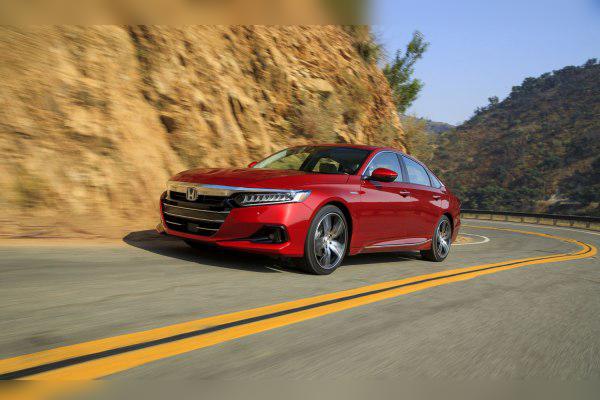
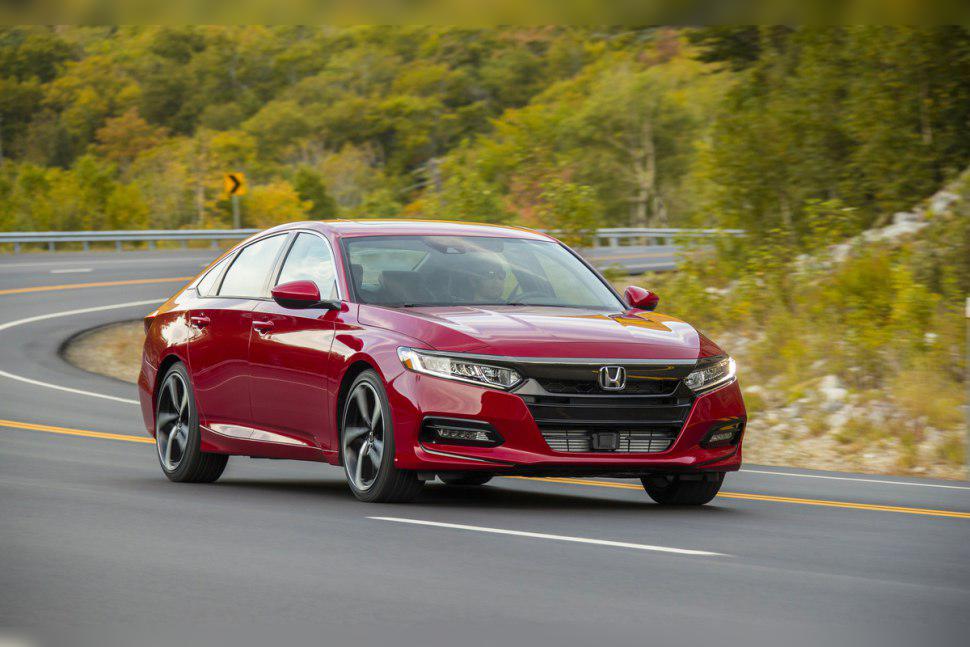
# Vehicles powered by this engine
In short (TL;DR)
- L15B7 (1.5 VTEC Turbo) is a modern, powerful engine that offers excellent performance for its displacement, but requires meticulous maintenance.
- Biggest issue: Fuel mixing with engine oil (Oil Dilution), especially in cold climates and with short city drives.
- Timing drive: Uses a chain instead of a belt, which is generally reliable with regular oil changes.
- Transmission: Most commonly paired with a CVT. Although it is one of the better CVTs on the market, it requires special oil to be changed every 40,000 - 50,000 km.
- Injection: Direct injection means potential carbon buildup on intake valves at higher mileage.
- Recommendation: An excellent choice for those who want the performance of a 2.4 naturally aspirated engine with lower fuel consumption, provided they are not “allergic” to checking oil level and doing regular services.
Contents
Introduction: Honda L15B7 – The Legend’s Successor
For years, Honda was synonymous with high-revving naturally aspirated engines, but with the arrival of the 10th generation Accord (and the Civic before it), the rules of the game changed. The L15B7 is a 1.5-liter four-cylinder turbo engine that came as a replacement for the famous but low-end “lazy” 2.4 naturally aspirated engine (K24).
This engine is not just a “downsized version”. It represents Honda’s answer to the global downsizing trend, offering high torque from low revs, which makes it extremely drivable in everyday conditions. It is primarily installed in the Honda Accord X, but variations of this block can also be found in CR-V and Civic models. Although it offers great performance, its reputation has been slightly shaken by oil dilution issues, which we will cover in detail.
Technical Specifications
| Specification | Data |
|---|---|
| Engine code | L15B7 |
| Displacement | 1498 cc (1.5 L) |
| Power | 143 kW (192 hp) @ 5500 rpm |
| Torque | 260 Nm @ 1600-5000 rpm |
| Fuel type | Petrol (Unleaded) |
| Injection system | Direct injection (GDI) |
| Turbo / NA | Turbo (Single Scroll, MHI TD03) |
| Valvetrain | 16V, DOHC, VTEC (on the exhaust side) |
Reliability and Maintenance: Workshop Experience
Timing system: Chain or belt?
The L15B7 engine uses a timing chain to drive the camshafts. Honda’s chains are traditionally reliable and are designed to last the “lifetime” of the engine, which in practice usually means over 200,000 or 250,000 km, provided that the oil is changed regularly. There is no need for preventive replacement as with a timing belt, unless you notice a characteristic rattling noise on cold start, which indicates chain stretch or an issue with the hydraulic tensioner.
Most common issues and the “Oil Dilution” problem
The “elephant in the room” with this engine is the issue known as Oil Dilution (oil being diluted by fuel).
Symptoms: The oil level on the dipstick rises above the maximum mark and the oil has a strong smell of petrol.
Cause: Due to its high efficiency, the engine warms up slowly. Direct injection sprays fuel at high pressure directly into the cylinder. While the engine is cold, part of the fuel condenses on the cylinder walls and runs past the rings into the sump, mixing with the oil. This degrades the oil’s properties and can lead to wear of the crankshaft and camshaft bearings.
Solution: Honda has released software updates (ECU updates) that help the engine warm up faster. As an owner, you should avoid short trips where the engine does not reach operating temperature and change the oil more frequently.
Another common issue is head gasket failure on engines that are heavily driven or tuned, because the block is of “open-deck” design, which means the cylinders are not fully supported at the top of the block to improve cooling, but this reduces rigidity under high pressures.
Service intervals and oil
A minor service is recommended every 10,000 km to 12,000 km, or once a year. Due to the oil dilution problem, a strong recommendation for this engine is to shorten the interval to around 8,000 km if you mostly drive in the city.
- Oil capacity: The engine takes about 3.5 to 3.7 liters of oil (with filter).
- Viscosity: The manufacturer strictly recommends 0W-20 fully synthetic oil. This thin oil is crucial for the operation of the turbocharger and the VTC actuator.
- Oil consumption: The L15B7 should not consume oil to the extent that it requires topping up between services. If the level rises, you have a fuel-in-oil problem. If the level drops drastically (e.g. 1L per 2000 km), this points to an issue with the turbo or piston rings. Consumption up to 0.5L per 10,000 km is acceptable.
Spark plugs
Since this is a turbocharged petrol engine with direct injection, the spark plugs are under higher stress. The factory interval is often 100,000 km, but in practice iridium spark plugs should be replaced every 60,000 to 80,000 km to protect the ignition coils and ensure optimal combustion.
Specific Parts and Costs
Dual-mass flywheel
The answer here depends on the transmission.
CVT models: Do not have a classic dual-mass flywheel like manuals. They use a so-called “flexplate” or a flywheel with a vibration damper, which is significantly cheaper and fails less often.
Manual transmissions (Sport trim): Have a dual-mass flywheel (DMF). Replacement is expensive (depends on the market, but expect a serious cost), yet it usually lasts over 150,000 km.
Injection system and injectors
It uses direct injection (GDI). The injectors are generally reliable but sensitive to poor fuel quality. The main “side effect” of this system is carbon buildup on the intake valves, because they are not washed by fuel (as in MPi engines).
Symptoms: Rough idle, loss of power. Cleaning the intake valves (with walnut blasting or chemicals) is recommended at around 100,000 km.
Turbocharger
The engine has a single turbocharger (Mitsubishi TD03) with an electronic wastegate. The turbo is small (low inertia) for quick response. Its lifespan is long, often as long as the engine itself, provided you use quality oil and do not switch the engine off immediately after hard driving on the motorway. It is not known as a weak point.
DPF, GPF and EGR
Being a petrol engine, it does not have a DPF. However, models for the European market (from around 2018/2019 onwards) are equipped with a GPF filter (Gasoline Particulate Filter) to meet Euro 6d standards. GPFs rarely clog because exhaust gas temperatures on petrol engines are higher, which facilitates passive regeneration.
The EGR valve is present and can get clogged with soot, but this is not as widespread as on diesels.
AdBlue: This engine DOES NOT use an AdBlue system (that is reserved for diesels).
Fuel Consumption and Performance
Is a 1.5 engine “too small” for the Accord?
Absolutely NOT. With 192 hp and 260 Nm of torque available from just 1600 rpm, this engine moves the Accord’s body with ease. 0–100 km/h takes around 7.5–8 seconds, which is quicker than most competitors with 2.0 naturally aspirated engines. You do get that “pushed into the seat” feeling.
Real-world fuel consumption
- City driving: Expect between 8.5 and 10.5 l/100 km. This heavily depends on traffic and driving style. In winter, due to slow warm-up, consumption can be even higher.
- Country roads / B-roads: This is where the engine shines. Consumption drops to around 5.5 – 6.5 l/100 km.
- Motorway (130 km/h): Thanks to the CVT keeping revs low, the engine spins at about 2200–2400 rpm. Consumption is around 6.5 – 7.5 l/100 km.
Additional Options and Modifications
LPG conversion
Since the engine has direct injection, LPG conversion is complicated and expensive (depending on the market, it falls into the “very expensive” category). You need a system that either uses liquid LPG directly through the petrol injectors, or a system that injects a mixture of petrol and gas (to cool the petrol injectors).
Verdict: Due to the complexity, installation cost and potential cylinder head issues, LPG is not recommended unless you cover very high mileage (over 30–40k km per year).
Remapping (Stage 1)
This engine has huge tuning potential. A Stage 1 map (using tools such as KTuner or Hondata) can safely raise power to about 210–220 hp and torque to over 300 Nm.
Caution: If you have a CVT, be moderate with torque increase at low revs, as the CVT belt can slip. The manual gearbox can handle more, but the clutch will wear out faster.
Transmission: Which one to choose?
With the 1.5 Turbo engine in the Accord X, there are two options:
- CVT (Continuously Variable Transmission): This is the most common option. Honda’s CVT is one of the best on the market. It does not feel like a “scooter” – it simulates gear changes under heavier throttle to avoid that monotonous vacuum-cleaner sound.
- Failures: Generally reliable, but sensitive to poor maintenance. If you hear whining or feel jerking, that is a bad sign.
- Maintenance: Oil changes are CRITICAL. It must be changed every 40,000 – 50,000 km. You must use Honda HCF-2 oil only. Do not use universal CVT oils!
- 6-speed manual (Sport trim only): Rare on the market.
- Failures: A very robust gearbox. The main cost is the clutch kit and dual-mass flywheel.
- Maintenance: Gearbox oil change at around 80,000 – 100,000 km (Honda MTF).
Buying Used and Conclusion
What to check before buying?
- Dipstick (MANDATORY): Pull the dipstick out. If the oil level is above the maximum mark and the oil smells like pure petrol, the engine suffers from a serious oil dilution problem.
- Cold start: Listen to the engine at first start. Rattling for 2–3 seconds may indicate an issue with the VTC actuator or the timing chain.
- CVT behavior: Shift into D and R. There should be no delay longer than one second and no clunks. While driving, revs should be stable at a constant speed.
- Warning lights on the dash: If all lights are on (the so-called “Christmas tree” effect – ABS, VSA, Check Engine), with Honda this often does not mean that all electronics have failed, but rather an issue with injectors or a weak battery confusing the sensors.
Conclusion
The Honda Accord with the L15B7 engine is a fantastic car that offers an excellent compromise between power and efficiency. The engine is lively, technologically advanced and delivers driving pleasure that very few 1.5-liter engines can match.
Who is it for? Drivers who want a reliable sedan and are willing to accept a slightly stricter maintenance regime. It is not for those who want to “fill up and drive” without opening the hood for a year. If you mostly drive short city trips (up to 5 km), it might be better to look for the Hybrid version (2.0) to avoid fuel-in-oil issues. For everyone else – highly recommended.
Was this content useful to you?
Your opinion helps us to improve the quality of the content.