J35Y Engine
- Engine
- 3471 cm3
- Aspiration
- Naturally aspirated engine
- Fuel
- Petrol (Gasoline)
- Fuel injection system
- Multi-port manifold injection
- Power
- 282 hp @ 6200 rpm
- Torque
- 340 Nm @ 5300 rpm
- Cylinders
- 6
- Valves
- 24, 4 per cylinder
- Cylinders position
- V-engine
- Max engine speed
- 6800 rpm
- Valvetrain
- DOHC, i-VTEC
- Oil capacity
- 4.3 l
- Coolant
- 6.5 l
# Vehicles powered by this engine
Honda J35Y 3.5 V6: Experiences, Issues, Fuel Consumption and Buying Used
Key points in short (TL;DR)
- Powertrain: Old-school naturally aspirated V6 with huge power reserves and instant throttle response.
- Major service: Uses a timing belt, not a chain. Replacement is mandatory and not cheap (around 100,000–120,000 km).
- VCM system: The cylinder deactivation system saves fuel but can cause vibrations and increased oil consumption on older units.
- Transmissions: Excellent 6-speed automatic or (rare) 6-speed manual. Both are very reliable with regular maintenance.
- Fuel consumption: Surprisingly low on the highway for this displacement, predictably high in city driving.
- Recommendation: An ideal engine for those who want sports-car performance in a discreet sedan or coupe, combined with legendary Honda reliability.
Contents
- Technical Specifications
- Reliability and Maintenance
- Specific Components and Systems
- Fuel Consumption and Performance
- Additional Options and Modifications (LPG/Tuning)
- Transmission: Automatic and Manual
- Used-Buying Tips and Conclusion
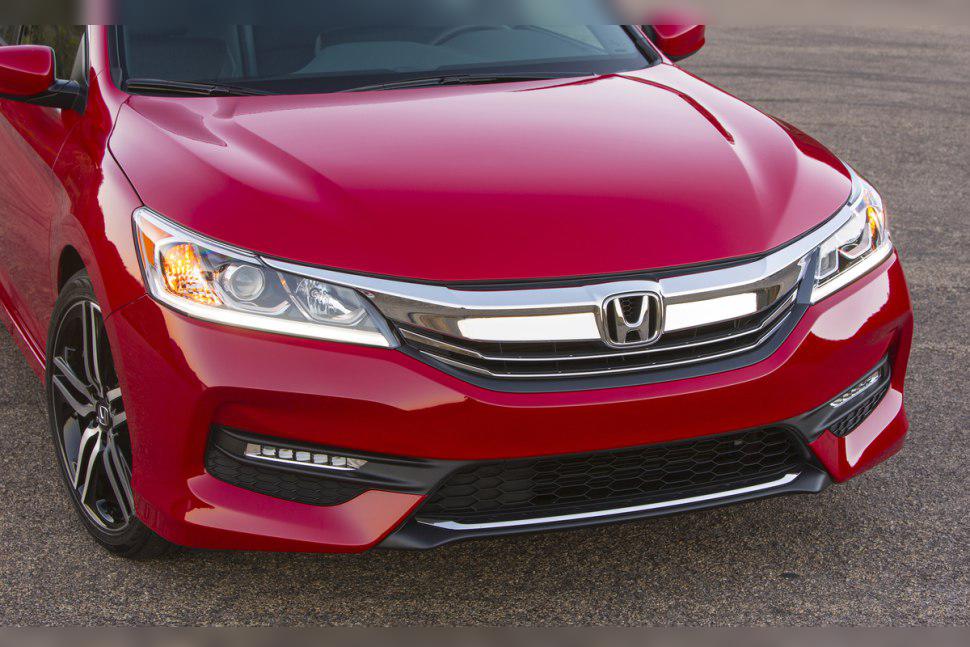
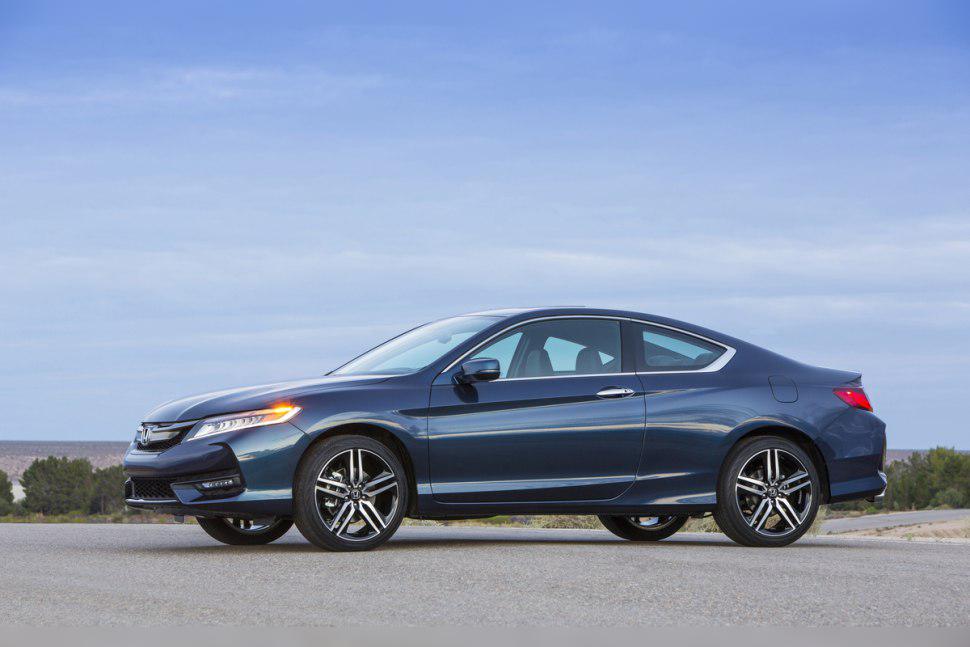
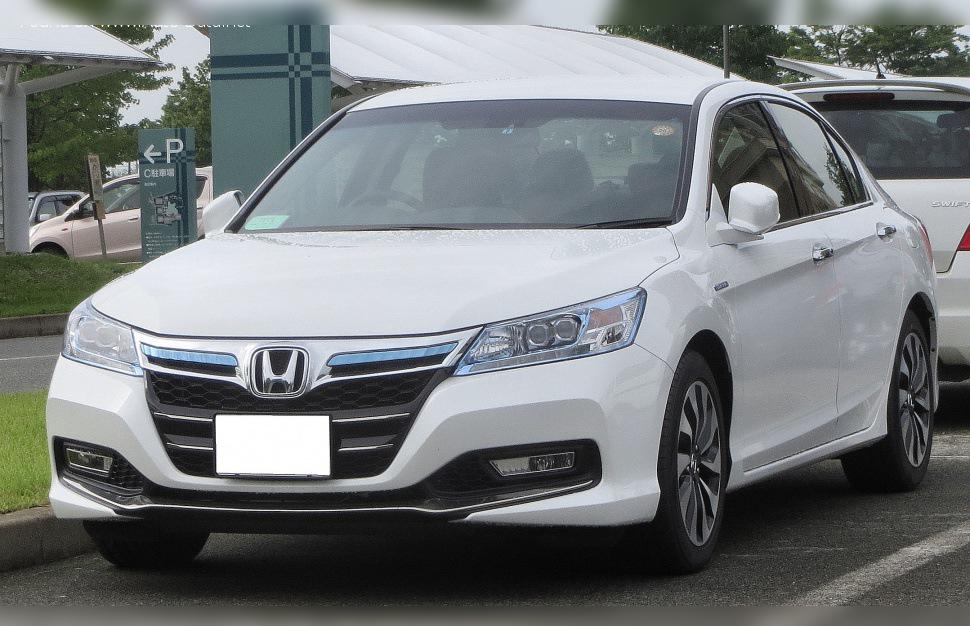
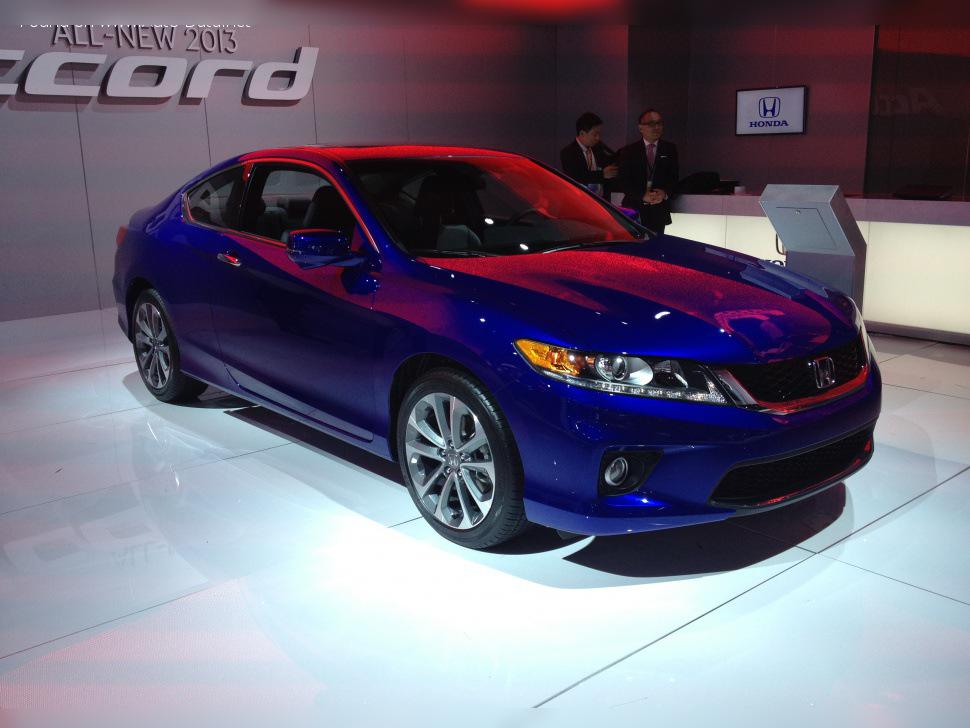
The Honda J35Y engine family represents the peak of evolution of the famous J-series V6 units. Installed in the ninth generation Honda Accord (2013–2017), this engine is one of the last representatives of “big” naturally aspirated engines before the mass shift to small turbo units. With its 3.5 liters of displacement and Earth Dreams technology, it offers a fantastic balance between raw power and refinement. This is not a simple engine for going to the grocery store; this is a powerplant that turns the Accord into a serious cruiser capable of embarrassing many more expensive brands on the highway.
Technical Specifications
| Specification | Data |
|---|---|
| Displacement | 3471 cc (3.5 L) |
| Configuration | V6, SOHC, i-VTEC |
| Power | 207–210 kW (282 hp) |
| Torque | 340–342 Nm |
| Engine codes | J35Y1, J35Y2 (most common in Accord IX) |
| Injection type | Multi-Point (Port Injection) / Direct Injection (depending on market and sub-variant) |
| Induction | Naturally aspirated |
Reliability and Maintenance
Honda’s J-series is considered one of the most reliable V6 configurations in the world, but that doesn’t mean it’s flawless or tolerant of neglect. This is a sophisticated machine that requires quality maintenance.
Timing belt or chain?
This is the key question for every buyer. The J35Y engine uses a timing belt, not a chain. This is the traditional solution for Honda’s V6 engines.
Replacement interval: It is recommended to replace it every 100,000 to 120,000 km or every 7 years, whichever comes first. During the major service, the belt tensioner, water pump and coolant must also be replaced. A snapped belt leads to catastrophic engine damage (pistons and valves colliding).
Most common faults and issues (VCM system)
The biggest technical peculiarity, and sometimes weakness of this engine (especially with the automatic), is VCM (Variable Cylinder Management). This system shuts down 2 or 3 cylinders during light-load driving to save fuel.
- Vibrations and engine mounts: Running on 3 cylinders creates vibrations that the active engine mounts try to dampen. Because of this, the active engine mounts wear out faster than on regular cars and are quite expensive to replace.
- Oil consumption and fouled spark plugs: On earlier versions of the J-series, and more rarely on the J35Y, the VCM system can cause oil to slip past the rings into the combustion chamber when the cylinders are deactivated. This leads to fouling of the spark plugs on those specific cylinders. The symptom is occasional “misfiring” or the “Check Engine” light coming on.
- Oil leaks: Pay attention to the VTEC spool valve gaskets, which can leak directly onto the alternator and potentially destroy it.
Oil and Spark Plugs
This engine takes about 4.3 to 4.5 liters of oil (with filter). Honda strictly recommends 0W-20 for optimal VCM operation and fuel economy. Some owners in warmer climates switch to 5W-30 for better protection under heavy loads, but 0W-20 is the factory standard.
Oil consumption: Due to the VCM system, consumption of up to 0.5–0.8 liters per 10,000 km can be considered acceptable. If it uses more than a liter per 5,000 km, the piston rings or PCV valve should be checked. Many owners install a “VCM Muzzler” (a device that disables the VCM system) to eliminate oil consumption and vibrations, sacrificing about 0.5 l of fuel per 100 km.
Spark plugs: Only iridium spark plugs (NGK or Denso) should be used. Replacement interval is 100,000 km. Do not experiment with cheap copper plugs on this engine.
Specific Components and Systems
Since this is a large petrol engine, many people fear expensive components typical of diesels. Fortunately, the J35Y is mechanically simpler in many respects.
- Dual-mass flywheel:
- Automatic transmission: No dual-mass flywheel. It uses a classic torque converter and a flexplate, which is inexpensive and rarely fails.
- Manual transmission (Coupe 6MT): Uses a dual-mass flywheel. Replacing it together with the clutch kit falls into the expensive category (depending on market), but this system is extremely robust and often lasts over 200,000 km.
- Fuel injection system: Most Accord J35Y variants use advanced Multi-Point (Port) injection, not direct injection (as on some Acura models). This is great news because there are no issues with carbon buildup on intake valves, and the injectors are durable and cheaper to replace/clean.
- Turbo and DPF: The engine has no turbocharger, no intercooler, no DPF filter, no AdBlue system. That’s thousands of euros saved on potential failures compared to modern diesels or small turbo petrol engines.
- Catalytic converters: The engine has catalytic converters that can be expensive if they fail (usually due to poor fuel or ignition issues), but they are not a common problem area with regular maintenance.
Fuel Consumption and Performance
When you buy a 3.5-liter V6, fuel consumption is something you simply have to accept, but the J35Y can be pleasantly surprising.
City driving: Here physics does its thing. In heavy traffic and stop‑and‑go driving, real-world consumption is between 12 and 15 liters per 100 km. In winter and on short trips it can go even higher. The engine is not “lazy”; on the contrary, throttle response is instant and the car “takes off” as soon as you touch the pedal.
Open road and highway: This is where the J35Y shines. Thanks to the VCM system (which deactivates cylinders while cruising) and long gear ratios, highway consumption at 130 km/h can drop to an impressive 7 to 8.5 liters per 100 km. At 130 km/h the engine spins at very low rpm (often around 2,000–2,200 rpm), making the drive extremely quiet and relaxed.
Performance: With 282 hp and 340 Nm, an Accord with this engine accelerates from 0–100 km/h in about 6 seconds (less for the manual coupe). Power delivery is linear, and the sound at high revs (when VTEC kicks in) is addictive. Overtaking becomes a routine that requires no effort.
Additional Options and Modifications
Can LPG be installed?
YES, and it’s an excellent option. Since most Accord variants with this engine use port injection, LPG installation is relatively straightforward and the engine handles it very well. However, a high-quality, fast system and an experienced installer are required because of the VCM system (transitions from 6 to 3 cylinders must be seamless on LPG as well) and the high engine output (a high-capacity vaporizer is needed).
Chip Tuning (Stage 1)
Since this is a naturally aspirated engine, classic “chip tuning” does not bring dramatic gains as with turbo engines. You can expect an increase of 10–15 hp and slightly better throttle response, but in practice this is barely noticeable. The best modification for this engine is not increasing power, but a “VCM Muzzler” or software deactivation of VCM, giving you a car that always runs on all 6 cylinders – the drive is smoother and the engine more durable.
Transmission: Automatic and Manual
The Honda Accord IX with the V6 engine came with two transmission options, depending on body style (Sedan or Coupe):
6-speed Automatic (6AT)
This is the standard transmission for the sedan and most coupes. It is a classic hydraulic automatic (not CVT, not DCT).
Reliability: Very reliable, but requires regular fluid changes. Honda automatics are sensitive to old fluid.
Maintenance: Transmission fluid (Honda ATF DW‑1) should be changed every 40,000 to 60,000 km. The recommended method is “drain and fill”, not machine flushing under pressure. If maintained properly, this transmission can cover huge mileages without issues.
6-speed Manual (6MT)
Available only in the Coupe version. This is a treat for enthusiasts. The shift throws are short and precise.
Maintenance: Change the gearbox oil (Honda MTF) every 60,000–80,000 km. The clutch is a wear item, and replacement costs (due to the dual-mass flywheel) fall into the “expensive” category, but it is done rarely.
Buying Used and Conclusion
Before buying a Honda Accord with the J35Y engine, pay attention to the following:
- Noise on cold start: Listen for any “rattling” from the timing belt area. This may indicate a failing hydraulic belt tensioner.
- Vibrations while driving: While driving at a constant speed (e.g. 80 km/h), check for strange vibrations when the “ECO” light comes on (indicating that VCM is active). Excessive vibrations point to bad engine mounts.
- Transmission: The automatic must shift smoothly, without jolts, both when cold and warm. Check the color of the fluid on the transmission dipstick – it should be reddish, not black or brown.
- Major service history: If the car is close to 100–120,000 km and the major service has not been done, this is a serious expense (parts + labor) that awaits you immediately. Factor this into the price (very expensive).
Conclusion: The Honda J35Y in the 9th generation Accord is a gem of the automotive industry. It is intended for drivers who value power, sound and reliability, and are willing to pay somewhat higher registration and city fuel costs. In return, you get an engine that, with proper maintenance (oil and major service), can easily exceed 500,000 km without being opened. If you find a good example, especially a Coupe with a manual gearbox, you are buying a future classic.
Was this content useful to you?
Your opinion helps us to improve the quality of the content.