N22B2 Engine
- Engine
- 2199 cm3
- Aspiration
- Turbocharger, Intercooler
- Fuel
- Diesel
- Fuel injection system
- Diesel Commonrail
- Power
- 180 hp @ 4000 rpm
- Torque
- 380 Nm @ 2000 rpm
- Cylinders
- 4
- Valves
- 16, 4 per cylinder
- Cylinders position
- Inline
- Oil capacity
- 5.5 l
- Coolant
- 6.9 l
- Systems
- Particulate filter
# Vehicles powered by this engine
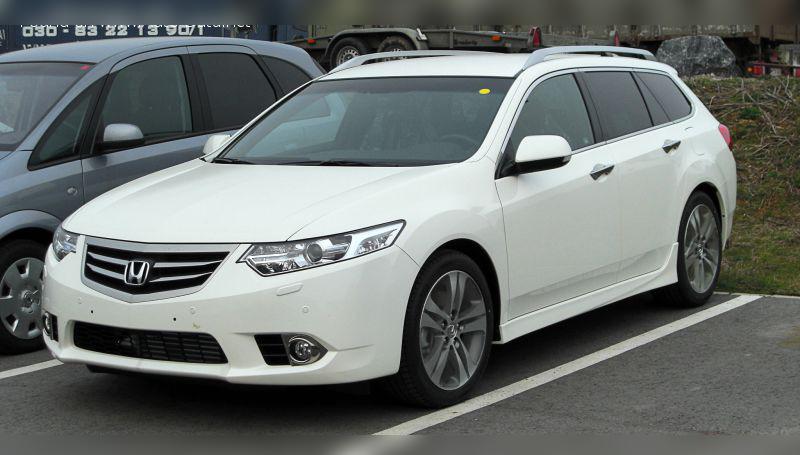
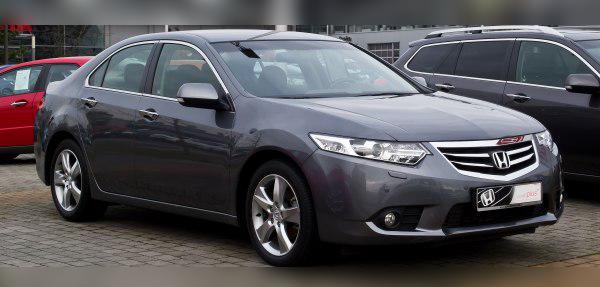
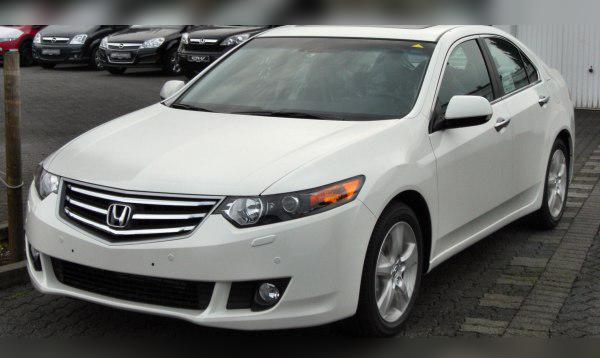
Honda N22B2 2.2 i-DTEC Type S (180 HP): Experiences, problems, fuel consumption and used car buying guide
Key points (TL;DR)
- Performance: One of the best diesel engines of its generation. With 180 HP and 380 Nm, it offers a sporty feel in the heavy Accord body.
- Timing drive: Uses a timing chain, which is generally reliable, but requires inspection at higher mileages.
- DPF filter: Very sensitive to pure city driving. Interrupted regenerations lead to fuel mixing with engine oil.
- Injection system: Uses advanced Piezo injectors which are precise but expensive to replace and difficult to refurbish.
- Dual-mass flywheel: A wear item, as with any powerful diesel. It endures a high torque load.
- Recommendation: Ideal for highway and open-road driving. Best avoided if you spend 90% of your time in city traffic.
Contents
- Introduction and Models
- Technical Specifications
- Reliability, Maintenance and Failures
- Specific Parts and Costs
- Fuel Consumption and Performance
- Gearbox and Drivetrain
- Tuning and Modifications
- Used Car Buying Tips and Conclusion
Introduction and Models
Honda resisted diesel engines for a long time, but when they made the i-CTDi and later the i-DTEC, they did it in a way that was engineering-wise superior. The engine we are talking about today, code N22B2, represents the top of the range for the eighth-generation Honda Accord (facelift models from 2011 onwards). This is not the standard 2.2 diesel with 150 HP; this is the Type S version, boosted to 180 horsepower.
This engine is specific because it brought a larger intercooler, a modified turbo and a different map in order to extract the maximum from the 2.2 block while retaining Honda’s characteristic refinement. It was installed exclusively in higher trim levels of the Accord (Sedan and Tourer/Wagon), making these models highly desirable on the used car market.
Technical Specifications
| Specification | Data |
|---|---|
| Engine code | N22B2 |
| Displacement | 2199 ccm (2.2 l) |
| Power | 132 kW (180 HP) |
| Torque | 380 Nm at 2000-2750 rpm |
| Fuel type | Diesel |
| Injection | Common Rail (Piezo injectors) |
| Charging | Variable geometry turbocharger + intercooler |
| Number of cylinders/valves | 4 / 16 (DOHC) |
Reliability and Maintenance
Timing system: Chain or belt?
The N22B2 engine uses a timing chain. Honda did a good job here and the chain is generally robust. Unlike some German competitors from that period, chain breakage is extremely rare. However, “lifetime” does not mean forever. At mileages over 250,000 km, the chain can stretch. The symptom is a characteristic rattling (metallic noise) on cold start that does not disappear after a few seconds. If you hear it, replacement is mandatory and not cheap (depends on the market, but it is among the more expensive jobs).
Oil: The engine’s bloodstream and DPF issues
This engine takes a fairly large amount of oil – between 5.5 and 5.9 liters when changing with the filter. The recommended grade is strictly 0W-30. It is very important to use oil that meets the standards for engines with a DPF filter (ACEA C2/C3).
Does it consume oil? A healthy N22B2 should not consume a significant amount of oil between services (up to 0.5 liters per 10,000 km is acceptable). However, with this engine a more common problem is rising oil level. This happens when DPF regeneration is often interrupted (by switching the engine off). The unburnt fuel that is injected to raise exhaust temperature then runs down the cylinders into the sump and dilutes the oil. If you notice the oil level rising, this is an alarm for an urgent oil change and a DPF system check.
Injectors
This model uses sophisticated Piezo injectors. They allow more precise injection and quieter engine operation, but are more sensitive to poor fuel quality. Their service life is usually over 200,000 km with good fuel. The problem is that Piezo injectors are difficult or almost impossible to refurbish successfully. When they fail, they usually need to be replaced with new or factory-refurbished units, which is very expensive (depends on the market, but often over 300–400 EUR per piece).
Most common failures
Besides the DPF and injectors, owners report issues with:
- EGR valve: It clogs up with soot, which leads to loss of power and the “Check Engine” light.
- EGR pipe: It can sometimes crack, which you will notice as exhaust fumes smell in the cabin.
- Crankshaft pulley: The rubber part can fail, causing vibrations and noise.
Minor and major service
An oil and filters service is recommended every 10,000 to 12,000 km (or once a year), definitely not every 20,000 km if you want a long life for the DPF and chain. A “major service” in the classic sense (as with a timing belt) does not exist, but at around 100,000–120,000 km the auxiliary belt (serpentine belt), tensioners and water pump should be inspected.
Specific Parts (Costs)
Dual-mass flywheel
Yes, this engine has a dual-mass flywheel (DMF). Considering the torque of 380 Nm, it is under heavy stress. Symptoms of failure are knocking when starting/stopping the engine and vibrations in the clutch pedal. The cost of replacing the clutch kit with the flywheel is high (depends on the market, but expect a serious expense).
Turbocharger
The engine has a single variable geometry turbocharger. The turbo is generally reliable and rarely fails before 250,000 km with regular maintenance. The Type S has a specific turbo compared to the lower-powered models, so used parts can be harder to find.
DPF and AdBlue
The model has a DPF filter, which is standard for Euro 5. As mentioned, it is sensitive to city driving. You need to regularly take the car on open roads so that it can be passively cleaned.
Good news: This engine (Honda Accord VIII Type S) does not have an AdBlue system. It meets Euro 5 standards without the need for urea, which means fewer sensors, heaters and pumps that can fail.
Fuel Consumption and Performance
Real-world fuel consumption
Don’t expect miracles. This is a heavy car with a powerful engine.
- City driving: Expect between 8.0 and 9.5 l/100km. In heavy winter traffic, it can go up to 10 liters.
- Open road (rural roads): This is where the engine shines. Consumption drops to 5.0–6.0 l/100km.
- Motorway: At 130 km/h, consumption is around 6.5 l/100km.
Is the engine “lazy”?
Absolutely not. With 180 HP, this engine handles the mass of the Accord (around 1600 kg) perfectly. In-gear acceleration is fantastic thanks to 380 Nm of torque. Overtaking is safe and quick, without the need for frequent downshifts.
Motorway cruising
The engine is designed for this. In 6th gear, at 130 km/h, the engine runs at about 2200–2300 rpm (depending on tyre size). The cabin is quiet, and the engine has enough power in reserve to accelerate to 160 km/h effortlessly.
Additional Options and Modifications
Chip tuning (Stage 1)
The N22B2 is an excellent base for remapping, as it is already strengthened from the factory compared to the 150 HP version. A safe Stage 1 can raise power to about 210–220 HP and torque to over 440 Nm. However, keep in mind that this will drastically shorten the lifespan of the dual-mass flywheel and clutch, which are already close to their limits from the factory. Also, higher boost pressure can speed up DPF clogging if the map is not done properly.
Gearbox
Types of gearboxes
The N22B2 (Type S) engine most commonly comes with a 6-speed manual gearbox. There was a 5-speed automatic option in some markets for the 2.2 engines, but the Type S is essentially a driver’s car and the manual gearbox is the dominant choice here.
Problems and maintenance
The manual gearbox is precise, with short throws, typical for Honda (a “click-clack” feel). The gearbox itself is virtually indestructible, but the clutch is a weak point. With more aggressive driving, the stock clutch can start to slip relatively early. The oil in the manual gearbox (Honda MTF-3) should be changed every 60,000 to 80,000 km. Although the manufacturer says it is “fill for life”, in practice fresh oil preserves the synchros and makes shifting easier in winter.
Used Car Buying and Conclusion
Before buying an Accord with this engine, make sure you do the following:
- Listen to a cold start: If you hear chain rattling for longer than 2–3 seconds, walk away or negotiate the price to cover chain replacement.
- Check the clutch: Put it in 4th or 5th gear at around 2000 rpm and floor the throttle. If the revs jump but the speed does not rise proportionally, the clutch is slipping.
- DPF diagnostics: Check the level of DPF saturation and when the last regeneration was performed.
- Oil level: Pull out the dipstick. If the oil level is above the maximum mark and the oil smells of diesel, the engine has regeneration-related issues.
Conclusion: The Honda Accord 2.2 i-DTEC Type S (N22B2) is a fantastic car for those who regularly drive longer distances. It offers a blend of Japanese precision, sporty suspension and a strong diesel engine. It is not the cheapest to maintain (parts are more expensive than for VW or Peugeot), but in return it offers driving feel and reliability (if maintained properly) that few competitors in its class can match. If you drive 90% in the city, buy a petrol. If you mostly drive on open roads – this is one of the best choices.
Was this content useful to you?
Your opinion helps us to improve the quality of the content.