N22B1 Engine
- Engine
- 2199 cm3
- Aspiration
- Turbocharger, Intercooler
- Fuel
- Diesel
- Fuel injection system
- Diesel Commonrail
- Power
- 150 hp @ 4000 rpm
- Torque
- 350 Nm @ 2000 rpm
- Cylinders
- 4
- Valves
- 16, 4 per cylinder
- Cylinders position
- Inline
- Valvetrain
- DOHC
- Oil capacity
- 5.5 l
- Coolant
- 6.9 l
- Systems
- Particulate filter
# Vehicles powered by this engine
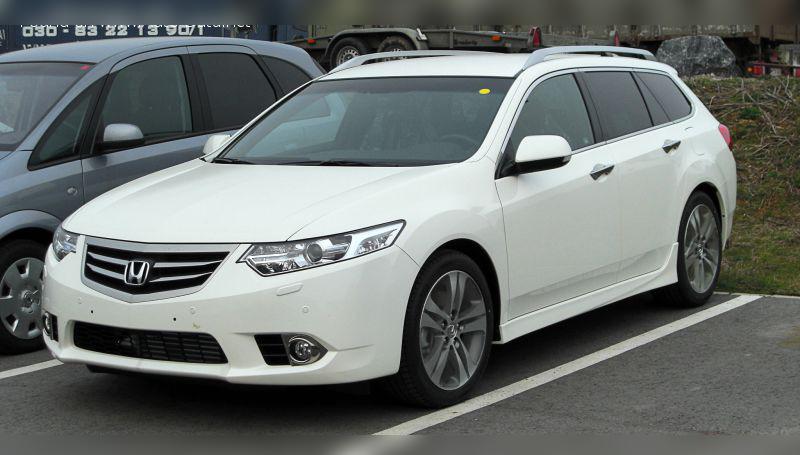
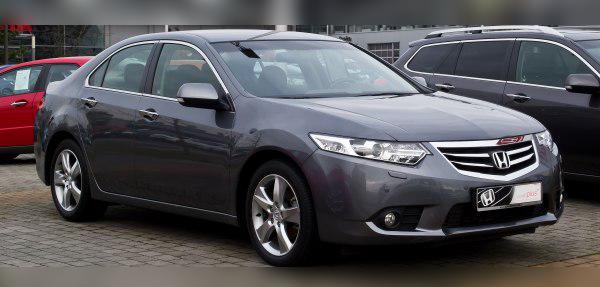

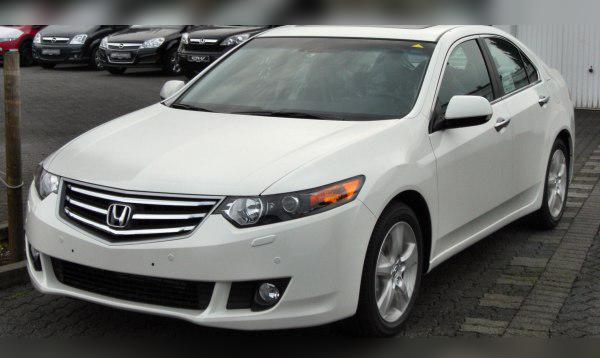
Honda 2.2 i-DTEC (N22B1) – Experiences, problems, fuel consumption and buying used
Key points (TL;DR)
- Reliability: Extremely robust engine, successor to the legendary i-CTDi, but with more complex eco-systems.
- Biggest downside: The DPF filter is sensitive to frequent city driving. Regenerations are frequent.
- Timing drive: Uses a timing chain which is generally durable, but requires high-quality oil.
- Costs: Parts are more expensive than for European competitors (e.g. VW or PSA), especially injectors and the dual-mass flywheel. (Depends on the market.)
- Driving: Extremely refined operation, quiet on the highway, with enough power for the heavy Accord body.
- Recommendation: Ideal for open road use. If you drive 90% in the city, this engine is not for you.
Contents
- Introduction and Models
- Technical Specifications
- Reliability and Maintenance
- Specific Parts and Costs
- Fuel Consumption and Performance
- Additional Options and Modifications
- Gearbox: Manual vs Automatic
- Buying used and Conclusion
Introduction and Models
Honda entered the world of diesel engines late, but when they did it with the i-CTDi engine, they impressed everyone. Its successor, which we are writing about today, carries the code N22B1 and the marketing name i-DTEC. This engine debuted in 2008 and is particularly popular in the facelift versions of the Honda Accord VIII generation (from 2011 onwards).
Unlike its predecessor, the N22B1 was designed to meet stricter Euro 5 standards. This means it is mechanically similar, but “choked” by more advanced exhaust after-treatment systems, piezo injectors and different management. It was installed primarily in the Accord sedan and wagon (Tourer), where it had to cope with a fairly heavy vehicle.
Technical Specifications
| Parameter | Data |
|---|---|
| Engine displacement | 2199 cc (2.2 L) |
| Power | 110 kW (150 hp) at 4000 rpm |
| Torque | 350 Nm at 2000–2500 rpm |
| Engine code | N22B1 |
| Injection type | Common Rail (piezo injectors) |
| Charging | Variable-geometry turbocharger (VGT) + intercooler |
| Timing drive | Chain |
Reliability and Maintenance
Does this engine have a timing belt or a chain?
The N22B1 engine uses a timing chain. This is great news for owners because, unlike some German competitors from that period (e.g. BMW N47), Honda’s chain is very durable and rarely snaps. However, it is not eternal. If you hear rattling on cold start or a metallic scraping sound, it’s a sign that the tensioners or the chain itself are worn. Still, on regularly maintained examples, the chain easily goes beyond 300,000 km.
What are the most common failures on this engine?
Although the mechanical part is “indestructible”, the peripherals can cause problems:
- DPF filter: The most common headache. The system is sensitive and if regeneration is interrupted several times in a row (by switching the car off), the warning light comes on and the car can go into safe mode.
- EGR valve: It gets stuck due to soot, which causes jerking and loss of power.
- Fuel rail pressure sensor: Can cause issues with uneven running.
- Cracked exhaust manifold: Although this was a trademark problem of the previous i-CTDi engine, it also happens on the i-DTEC, albeit less often. You will notice the smell of exhaust gases in the cabin.
Service intervals and oil
An oil service is recommended every 10,000 to 12,000 km (or once a year), even if the manufacturer states longer intervals. This is crucial for the lifespan of the chain and turbo. A “major service” in the classic sense (timing belt replacement) does not exist, but at around 100,000–120,000 km you should check and replace the auxiliary (serpentine) belt with rollers and tensioners, as well as the water pump if it shows signs of weakness.
The engine takes between 5.5 and 5.9 liters of oil (depending on whether you change only the oil or also the filter, and how much you manage to drain). It is mandatory to use 0W-30 or 5W-30 oil with a specification that supports the DPF filter (ACEA C2/C3 – Low SAPS). Using the wrong oil will quickly clog the DPF.
Oil consumption
A healthy N22B1 engine should not consume noticeable amounts of oil between services. If the oil level is dropping, check the turbo or for leaks. However, a more common issue with this engine is a rising oil level. This happens due to failed DPF regenerations, when unburned diesel ends up in the sump and dilutes the oil. If you notice that the oil level is above the maximum, this is alarming – the oil is degraded and must be changed immediately.
Injectors
This engine uses sophisticated piezoelectric injectors. They allow precise injection and quiet operation, but are sensitive to poor fuel quality. Their lifespan is usually over 200,000 km, but when they fail, refurbishment is often difficult or impossible, so you have to buy new or factory-refurbished ones, which is very expensive (depends on the market, but expect a serious hit to your wallet).
Specific Parts (Costs)
Dual-mass flywheel and clutch
Yes, this engine (in the version with a manual gearbox) has a dual-mass flywheel. Due to the high torque (350 Nm), the flywheel is under heavy load. Symptoms of failure are knocking when starting/stopping the engine and vibrations in the clutch pedal. A clutch kit with flywheel is expensive and falls into the “very expensive” category compared to average parts.
Turbocharger
The engine uses a single variable-geometry turbocharger. The turbo is generally long-lasting and rarely fails before 250,000 km, provided the engine is serviced regularly and allowed to cool down after hard driving. Symptoms of problems are whistling (“siren” noise) or loss of power (limp mode) if the geometry gets stuck due to soot.
DPF, EGR and AdBlue
Accord VIII models with this engine have a DPF filter and an EGR valve. As mentioned, the DPF is the “Achilles’ heel” if the car is driven only in the city. Symptoms are frequent warning lights and increased fuel consumption.
AdBlue: This engine in the Accord VIII generation (Euro 5 standard) does not have an AdBlue system. That’s one less thing to worry about (no urea pump, tank heaters, etc.), as emissions are handled solely via the DPF and catalytic converter.
Fuel Consumption and Performance
Real-world fuel consumption
The Honda Accord is a heavy car (over 1600 kg).
- City driving: Expect between 7.5 and 9.0 l/100 km. With the automatic gearbox, this figure can easily reach 10 liters in heavy traffic.
- Open road (rural/secondary roads): This is where the engine shines, using around 5.0–5.5 l/100 km.
- Motorway (130 km/h): Consumption is around 6.0–6.5 l/100 km.
Is the engine “lazy”?
With 150 hp and 350 Nm, the engine is not lazy, but it’s not explosively sporty either. Power is delivered linearly (similar to a petrol engine), without the sudden “kick in the back” that some TDI engines have. There is more than enough power for overtaking, even when the car is fully loaded. You can feel the weight of the body, but the engine handles it with dignity.
Motorway driving
This is the natural habitat of the Honda Accord 2.2 i-DTEC. At 130 km/h in 6th gear, the engine spins at a low 2200–2400 rpm. The cabin is quiet and the engine feels unstressed, making it an ideal cruiser for long journeys.
Additional Options and Modifications
Remapping (Stage 1)
The N22B1 engine has power reserves. A safe Stage 1 remap can raise power to about 180–190 hp and torque to 400–420 Nm.
Warning: Although the engine can handle this increase, the clutch and dual-mass flywheel will wear out much faster, especially if you often use full throttle from low revs. On automatics, the gearbox tolerates the increased torque better, but you should still be moderate.
Gearbox: Manual and Automatic
Which gearboxes are fitted?
- Manual gearbox (6-speed): A typical Honda gearbox – precise, with short throws, a real pleasure to use.
- Automatic gearbox (5-speed): A conventional automatic with a torque converter.
Gearbox issues and maintenance
Manual: Mechanically very reliable. The main expense is the clutch kit. The gearbox oil (Honda MTF-3) should be changed every 60,000–80,000 km to preserve shift precision.
Automatic: This 5-speed automatic is very reliable and robust, but technologically older. It is a bit slower to react and increases fuel consumption by about 1 liter compared to the manual. It is not as problematic as DSG or CVT gearboxes from other manufacturers.
Automatic maintenance: Oil changes are mandatory. They are recommended every 60,000 km. Use only Honda ATF-Z1 or the newer ATF-DW1 oil. Neglecting oil changes leads to jerks when shifting.
Buying used and Conclusion
Before buying a used Honda Accord with this engine, pay attention to:
- Chain noise: Listen to the engine at the first cold start. Any rattling is a sign of an expensive chain replacement.
- DPF history: If possible, use diagnostics to check DPF saturation and when the last regeneration was performed.
- Clutch (for manuals): Shift into a higher gear at low speed and apply throttle. If revs rise but speed doesn’t – the clutch is slipping.
- Steering rack: Check for play or knocking in the steering, which is a known weak point of this Accord generation.
Conclusion: The Honda Accord 2.2 i-DTEC is a car for drivers who value engineering precision and comfort, and who spend most of their time on the open road. The N22B1 is one of the most refined diesels of its time. If you accept somewhat higher parts prices and potential DPF issues (if you drive mainly in the city), you will get an extremely reliable and comfortable cruiser that drives better than most of its competitors.
Was this content useful to you?
Your opinion helps us to improve the quality of the content.