J35Z2 Engine
- Engine
- 3471 cm3
- Aspiration
- Naturally aspirated engine
- Fuel
- Petrol (Gasoline)
- Fuel injection system
- Multi-port manifold injection
- Power
- 268 hp @ 6200 rpm
- Torque
- 339 Nm @ 5000 rpm
- Cylinders
- 6
- Valves
- 24, 4 per cylinder
- Cylinders position
- V-engine
- Valvetrain
- DOHC
- Oil capacity
- 4.3 l
- Coolant
- 6.6 l
# Vehicles powered by this engine
Honda J35Z2 3.5 V6 VTEC – Experiences, problems, fuel consumption and buying tips
Key points in short (TL;DR)
- Powerful and refined: A classic naturally aspirated V6 with a great sound and linear power delivery. A true cruiser.
- VCM system (A double-edged sword): The cylinder deactivation system saves fuel, but is the main cause of oil consumption and vibrations that destroy engine mounts.
- Timing belt service is mandatory: The engine uses a timing belt, not a chain. A snapped belt leads to catastrophic engine failure.
- Transmission: Comes exclusively with an automatic gearbox which is reliable, but slower compared to modern standards.
- Fuel consumption: High in the city (expect double-digit numbers), but surprisingly economical on the highway thanks to cylinder deactivation.
- Maintenance: Generally reliable Honda engineering, but it requires quality oil and regular valve adjustment.
Contents
- Introduction and applications
- Technical specifications
- Reliability and maintenance
- Specific parts and fuel injection system
- Fuel consumption and performance
- Additional options (LPG) and tuning
- Transmission and drivetrain
- Conclusion and buying advice
Introduction and applications
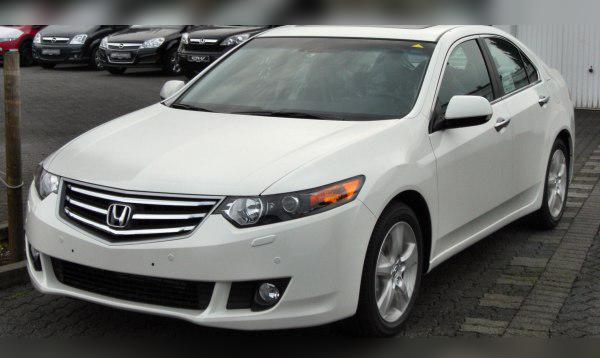
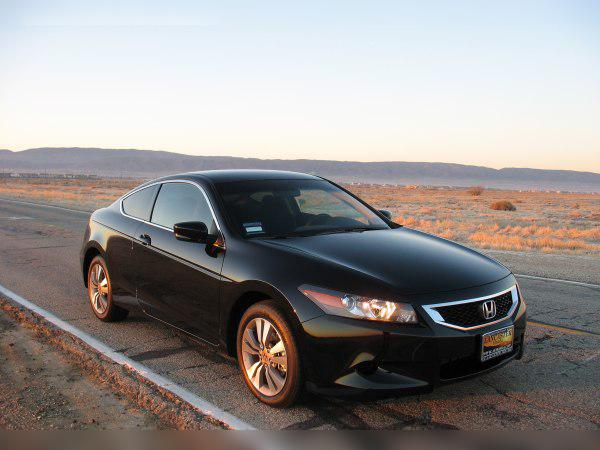
The engine designated as J35Z2 belongs to Honda’s legendary J-series of V6 engines. This is a power unit that goes against the “downsizing” trend – large displacement, no turbo, pure power. It was primarily installed in the eighth generation Honda Accord (the US body style, which was also sold in certain European and Eastern markets), as well as in the Coupe version.
This engine is specific because it features VCM (Variable Cylinder Management) technology, which allows it to run on 3, 4 or all 6 cylinders, depending on load, in order to save fuel. Although technologically impressive, this system is the source of certain controversies that we will cover in detail below.
Technical specifications
| Parameter | Value |
|---|---|
| Engine code | J35Z2 |
| Displacement | 3471 cc (3.5 L) |
| Configuration | V6 (SOHC VTEC) |
| Power | 197 kW (268 hp) @ 6200 rpm |
| Torque | 339 Nm @ 5000 rpm |
| Induction | Naturally aspirated |
| Fuel injection | PGM-FI (multi-point indirect) |
| Timing drive | Timing belt |
Reliability and maintenance
Timing belt or chain?
The J35Z2 engine uses a timing belt to drive the camshaft. This is crucial information for every owner. The belt is not “lifetime” like a chain (theoretically), and if it snaps, the pistons and valves will collide, which means complete engine failure (interference engine).
Major service
It is recommended to perform a major service every 100,000 to 120,000 km or every 7 years, whichever comes first. When replacing the belt, you must also replace the tensioner (the hydraulic tensioner often fails), water pump and accessory belt. The cost is moderate (depends on the market), but it is an investment that guarantees peace of mind.
Most common faults and issues (VCM system)
The biggest enemy of this engine is exactly what makes it economical – the VCM system. When the engine deactivates cylinders to save fuel:
- The combustion chamber in the deactivated cylinders cools slightly, which can cause the piston rings not to seal perfectly. The result is oil passing into the combustion chamber.
- When the cylinders are reactivated, that oil burns and fouls the spark plugs (so-called fouling), which leads to misfire errors.
- The vibrations caused by running on 3 or 4 cylinders are significant. Honda uses active engine mounts to cancel them out. These mounts wear out quickly due to constant operation and are very expensive to replace.
- Oil leak at the spool valve: The VTEC/VCM solenoids (located above the alternator) have rubber seals that harden and fail over the years. If oil leaks directly onto the alternator, it will destroy it.
Oil: Capacity and consumption
This engine takes approximately 4.3 to 4.5 liters of oil (with filter). The recommended viscosity is 0W-20 or 5W-20. Honda insists on thinner oil because of the narrow oil passages and proper operation of the VTEC/VCM system.
Does it burn oil? Yes, the J35Z2 is known for oil consumption, primarily due to the aforementioned VCM system. Consumption of 0.5 to 1 liter per 5,000 km is not unusual on higher-mileage used cars. Owners must regularly check the dipstick.
Spark plugs and injectors
Since this is a petrol engine, spark plugs are crucial. It uses iridium spark plugs (e.g. NGK Laser Iridium). The factory interval is around 100,000 km, but due to VCM issues, it is recommended to check them at 50,000 - 60,000 km, especially on the rear cylinder bank (cylinders 1–3), which is often deactivated. The injectors are conventional petrol injectors and are very durable.
Specific parts (Costs)
Dual-mass flywheel and clutch
Since the J35Z2 is paired with an automatic transmission in 99% of cases, this engine does not have a dual-mass flywheel. Instead, it uses a torque converter, which is a long-lasting component and does not require regular replacement like a flywheel.
Fuel injection system, turbo, DPF, EGR
- Fuel injection: Indirect injection (MPI/PFI). This is good news because, unlike direct injection, there is no carbon buildup on the intake valves. Injectors are not problematic and are cheap to clean or replace.
- Turbo: There is no turbocharger. This eliminates potential expensive failures of the turbo, intercooler and piping.
- DPF / AdBlue: Being a petrol engine, it has no DPF filter and does not use AdBlue.
- EGR valve: It does have an EGR valve. It can get clogged with soot (especially if the engine burns oil), which manifests as an unstable idle or a “Check Engine” warning. Cleaning is usually sufficient.
Fuel consumption and performance
City driving and “sluggishness”
In the city, don’t expect miracles. This is a 3.5 V6 engine in a heavy body. Real-world city consumption (stop-and-go) ranges between 13 and 16 liters per 100 km. In winter, even more.
Is the engine sluggish? Absolutely not. With 268 hp and 339 Nm, an Accord with this engine really moves. Throttle response is instant (no turbo lag), and power is available across a wide rev range. Overtaking is effortless.
Highway and cruising
This is where the J35Z2 shines. At 130 km/h, the engine runs relaxed, often below 2,500 rpm (depending on the gearbox). Thanks to VCM, which deactivates cylinders when maintaining speed, highway fuel consumption can drop to 8 to 9 liters per 100 km, which is impressive for this displacement.
Additional options and modifications
LPG conversion
This engine is suitable for LPG, but with caution. Since it has indirect injection, installation is technically straightforward. However, the engine does not have hydraulic lifters; the valves are adjusted mechanically. Running on LPG requires more frequent valve clearance checks (every 30,000 - 40,000 km) to prevent valve seat recession.
Important: The VCM system can cause issues with LPG maps (jerking when switching cylinder activation modes). You need an experienced installer and a quality sequential LPG system that supports this type of engine.
Chiptuning (Stage 1)
On naturally aspirated engines, “chiptuning” (remap) brings minimal gains, usually 10–15 hp, which is practically unnoticeable. A better investment is installing a so-called “VCM Muzzler” device. It is a small add-on that tricks the temperature sensor and prevents the engine from activating VCM mode. The result: the engine always runs as a full V6, no vibrations, no oil consumption, mounts last longer – but fuel consumption increases by about 0.5–1 liter.
Transmission
Type of gearbox and maintenance
With the J35Z2 engine in the 8th gen Accord, you most often get a 5-speed automatic transmission. Manual gearboxes were mostly reserved for the “sportier” Coupe versions with the J35Z3 engine (which does not have VCM).
This 5-speed automatic is a classic, robust Honda design. It is not the fastest in the world, but it is very smooth. The most common issues are related to overheating of the transmission fluid if the car is driven hard or used for towing.
Transmission service: The transmission fluid should be changed using the “drain and fill” method (around 3 liters) every 40,000 to 60,000 km. Always use genuine Honda fluid (ATF-DW1), as these gearboxes are sensitive to universal fluids.
Buying used and conclusion
Before buying a Honda with this engine, pay attention to:
- Vibrations: Test the car at a constant speed (e.g. 80 km/h). If you feel strange vibrations, the active engine mounts have probably failed due to the VCM system.
- Noise on startup: A cold start should not produce knocking. Rattling may indicate the need for valve adjustment or a problem with the timing belt tensioner.
- Service history: Check when the major service (timing belt) was done. If there is no proof, this is an immediate upcoming expense (and not a cheap one).
- Oil leaks: Look above the alternator (spool valve) and around the valve covers.
Conclusion: The Honda Accord with the J35Z2 engine is a car for hedonists. You get the silky-smooth operation of a V6, plenty of power in reserve and Honda’s legendary mechanical reliability. The price you pay is higher registration fees (due to displacement) and potential issues with the VCM system which, fortunately, can be solved by disabling it. If fuel consumption is not your primary concern, this is one of the most pleasant engines for long-distance driving.
Was this content useful to you?
Your opinion helps us to improve the quality of the content.