N22A1 Engine
- Engine
- 2204 cm3
- Aspiration
- Turbocharger, Intercooler
- Fuel
- Diesel
- Fuel injection system
- Diesel Commonrail
- Power
- 140 hp @ 4000 rpm
- Torque
- 340 Nm @ 2000 rpm
- Cylinders
- 4
- Valves
- 16, 4 per cylinder
- Cylinders position
- Inline
- Valvetrain
- DOHC
- Oil capacity
- 5.9 l
- Coolant
- 6.8 l
# Vehicles powered by this engine

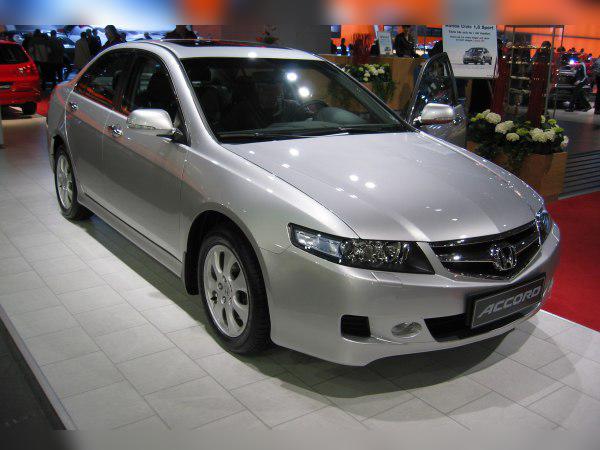

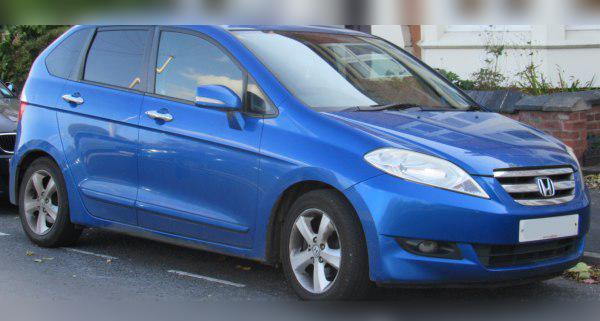
Honda N22A1 (2.2 i-CTDi): Experiences, problems, fuel consumption and what to check before buying used
Key points (TL;DR)
- Cracked exhaust manifold: The most well-known issue with this engine, especially on pre-2006 models. You can smell exhaust fumes in the cabin.
- Timing chain instead of belt: The engine uses a chain, which is generally durable, but early units were prone to stretching. Rattling on cold start is a warning sign.
- No automatic gearbox: In the 7th gen Accord and the FR-V, this engine was only available with a manual transmission.
- Sensitive clutch and dual-mass flywheel: The torque is strong, so the dual-mass flywheel and clutch kit are under heavy load.
- DPF filter: Most units with this engine code (N22A1) left the factory without a DPF, which is a huge advantage for used buyers (check by VIN for later model years).
- Refinement: One of the most refined diesels of its time, quiet and linear.
Contents
- Introduction and engine applications
- Technical specifications
- Reliability, Maintenance and Oil
- Specific components: Injectors, Turbo, DPF, Flywheel
- Fuel consumption, Performance and Driving characteristics
- Gearbox and Drivetrain
- Tuning and Modifications
- Buying tips and Conclusion
Introduction: Honda’s first "proper" diesel
The engine with the code N22A1, better known as 2.2 i-CTDi, represents a turning point in Honda’s history. For years Honda resisted building diesel engines, using units from other manufacturers (Rover, Isuzu), until engineer Kenichi Nagahiro (creator of the VTEC system) was given the task to either build the best diesel engine in the world or not build one at all.
The result is this engine. A completely aluminum block, advanced casting technology and exceptional refinement. It was primarily installed in the seventh-generation Honda Accord and the family-oriented Honda FR-V (Edix). Although it is now getting old, this engine is still considered one of the mechanically best-built diesels from the mid-2000s, provided it has been properly maintained.
Technical specifications
| Specification | Value |
|---|---|
| Engine name | N22A1 (i-CTDi) |
| Displacement | 2204 cc |
| Configuration | Inline 4-cylinder, DOHC, 16 valves |
| Power | 103 kW (140 hp) @ 4000 rpm |
| Torque | 340 Nm @ 2000 rpm |
| Engine block | Aluminum |
| Fuel injection | Common Rail (Bosch second generation) |
| Forced induction | Variable-geometry turbocharger (VGT) + intercooler |
Reliability and Maintenance
Chain or belt?
This engine uses a timing chain to drive the camshafts. In fact, there are two chains – one drives the camshafts and the other the oil pump. Although the chain was designed to last the life of the engine, in practice models built before 2006 (pre-facelift) can suffer from chain stretch. The symptom is a characteristic rattling noise on cold start that does not disappear immediately. If the chain stretches too much, sensors will trigger a fault code and the engine may go into safe mode.
Most common failures
Besides the aforementioned chain issue on early models, the Achilles’ heel of this engine is the exhaust manifold. Due to a casting flaw and vibrations, the manifold often cracks.
Symptoms: A sharp exhaust smell in the cabin when you are stopped at a traffic light with the ventilation on, as well as increased engine noise (a “whistling” sound) under the hood. Honda later offered a reinforced replacement manifold, so on many used cars this has already been fixed.
Also, the vacuum control solenoid valve can cause problems, resulting in loss of power.
Service intervals and Oil
A minor service is recommended every 10,000 km, up to a maximum of 15,000 km. Extended 20,000 km intervals are not recommended for older engines.
Major service: Since the engine has a chain, there is no classic major timing-belt service at a fixed interval. However, the auxiliary (serpentine) belt and its pulleys/tensioners should be inspected and replaced as needed, usually around 100,000–120,000 km.
Oil quantity and type
For its class, this engine has a large oil capacity. The sump holds as much as 5.9 liters of oil (including the filter).
Recommendation: Only fully synthetic oil with viscosity 0W-30 or 5W-30. If the vehicle has no DPF (which is the case for most N22A1 units), ACEA B3/B4 standards are sufficient, but ACEA C2/C3 is recommended for better protection of the catalytic converter and turbocharger.
Oil consumption
A healthy N22A1 engine should not consume oil in any significant amount. Consumption of 0.5 liters per 10,000 km is considered acceptable. If the engine uses a liter or more between services, this points to a problem with the turbo (oil leaking past the shaft) or piston rings, although ring issues are extremely rare on this block.
Injector lifespan
The injection system is Bosch Common Rail. The injectors are generally very durable and often exceed 300,000 km without overhaul if quality fuel is used. However, the injector sealing washers (copper rings) can fail, which leads to compression leakage and carbon buildup around the injector. This must be addressed immediately to prevent the injector from seizing in the cylinder head.
Specific Components and Costs
Dual-mass flywheel
Yes, this engine has a dual-mass flywheel.
This is one of the more expensive maintenance items. Due to the high torque, the flywheel wears out, especially if the car is driven aggressively or frequently starts under heavy load.
Symptoms: A metallic knocking sound when switching the engine off, vibrations in the clutch pedal, or clutch slip in higher gears (4th and 5th) when you floor the throttle. Replacing the clutch kit and flywheel is a very expensive job (cost depends on the market, but expect a serious bill).
Turbocharger
The engine uses a Garrett variable-geometry turbocharger. The turbo itself is reliable, but the variable-geometry mechanism can get dirty and stick due to soot buildup if the car is driven only gently around town. Sometimes a thorough cleaning is all that’s needed, not a full turbo replacement. With regular oil changes, the turbo’s lifespan is over 250,000 km.
DPF Filter and EGR Valve
Good news: Most Honda Accord VII and FR-V models with this N22A1 engine (Euro 4) DO NOT have a factory-fitted DPF filter. This significantly reduces maintenance costs, as there is no risk of a clogged particulate filter. Still, always check by VIN, as some models for specific Western markets could have additional systems fitted.
EGR valve: It is present and, like on any diesel, prone to soot buildup. Preventive cleaning every 50–60,000 km is recommended so the engine can “breathe” properly.
AdBlue
This engine does not use an AdBlue system. The technology is from an earlier era (Euro 4), so there are no additional tanks, additive heaters or complex NOx sensors that are a common problem on modern vehicles.
Fuel Consumption and Performance
City driving
Despite its 2.2-liter displacement, the engine is quite economical.
Real-world city consumption: Between 7.0 and 8.5 l/100 km, depending on how heavy your right foot is and traffic conditions. In winter this can go up to around 9 liters.
Is the engine "lazy"?
Absolutely not. With 340 Nm of torque available from just 2000 rpm, the N22A1 moves the Accord and FR-V bodies with ease. The acceleration feels linear, without the brutal “turbo lag” that some TDI engines from that era have; instead, it pulls smoothly all the way to the redline. Overtaking is safe and quick.
On the motorway
This is the natural habitat of this engine.
Cruising speed: At 130 km/h in 6th gear, the engine spins at about 2200–2400 rpm (depending on whether it’s a 5- or 6-speed gearbox). The cabin is very quiet at that point.
Consumption on the open road: It can drop to 5.0–6.0 l/100 km with smooth driving on country roads.
Additional Options and Modifications
Chip Tuning (Stage 1)
The N22A1 has great potential for remapping.
Potential: A safe Stage 1 remap raises power to around 170–180 hp and torque to nearly 400 Nm.
Risk: Although the engine itself can handle this without issues, the clutch and dual-mass flywheel are weak points. If you remap a car with a used clutch, be prepared for it to start slipping very soon. The recommendation is to tune only if your clutch kit is in perfect condition or you plan to install an uprated kit.
Gearbox
Manual gearbox
The N22A1 was paired exclusively with a manual gearbox. In the first production years (2003–2004) it was a 5-speed unit, while later the excellent 6-speed gearbox became standard. Honda’s manual gearboxes are known as some of the best in the world – precise, with a short throw and a distinct “click” feel.
Automatic gearbox
Important note: The diesel Honda Accord VII was never offered with an automatic transmission. If you want an automatic, you’ll have to look at petrol versions (2.0 or 2.4) or the newer generation (Accord VIII) with the i-DTEC engine.
Gearbox issues and maintenance
The gearboxes themselves are “indestructible” as long as they have oil.
Maintenance: Honda is very specific when it comes to gearbox oil. It is recommended to change the gearbox oil every 60,000–80,000 km or if you notice that it is harder to engage gears when cold.
Which oil? Only genuine Honda MTF-3 oil. Experimenting with universal oils often leads to notchy shifting in winter. The gearbox takes about 2.2 liters.
Buying Used and Conclusion
Before buying, make sure to check the following:
- Cold start: Listen for chain rattling during the first 3–5 seconds. If it rattles longer, you’re looking at a cost of several hundred euros (depending on the market).
- Smell in the cabin: Open the hood and sniff around the turbo and exhaust manifold area while the engine is running. A smell of exhaust fumes indicates a cracked manifold.
- Clutch: Put it in 4th gear at 60 km/h and floor the throttle. If the revs jump but the speed does not increase immediately, the clutch needs replacing.
- VGT operation: Check that the car accelerates smoothly without “hesitation” or sudden loss of power.
Conclusion
The Honda N22A1 is an engine for drivers who want petrol-like reliability with diesel fuel economy. Although parts (flywheel, injectors, chain) are expensive (cost depends on the market) when replacement time comes, this engine rarely fails suddenly. It is ideal for long journeys and open roads. If you find a car where the clutch and exhaust manifold have already been sorted, you have a strong candidate for one of the best diesels of its era.
Was this content useful to you?
Your opinion helps us to improve the quality of the content.