N15A1 Engine
- Engine
- 1498 cm3
- Aspiration
- Turbocharger, Intercooler
- Fuel
- Diesel
- Fuel injection system
- Diesel Commonrail
- Power
- 100 hp @ 3600 rpm
- Torque
- 200 Nm @ 1750 rpm
- Cylinders
- 4
- Valves
- 16, 4 per cylinder
- Cylinders position
- Inline
- Valvetrain
- DOHC
- Oil capacity
- 4.2 l
- Coolant
- 4.36 l
# Vehicles powered by this engine

Honda 1.5 i-DTEC (N15A1) – Experiences, issues, fuel consumption and maintenance
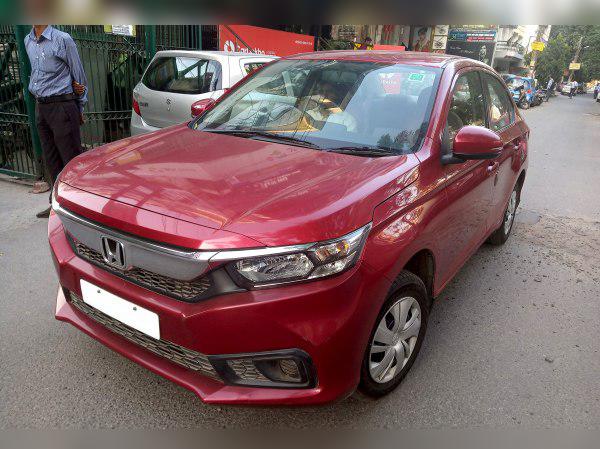
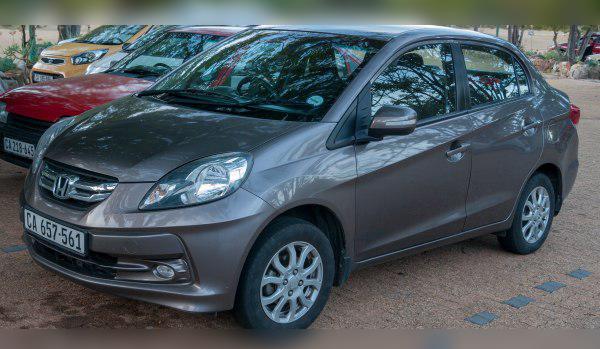
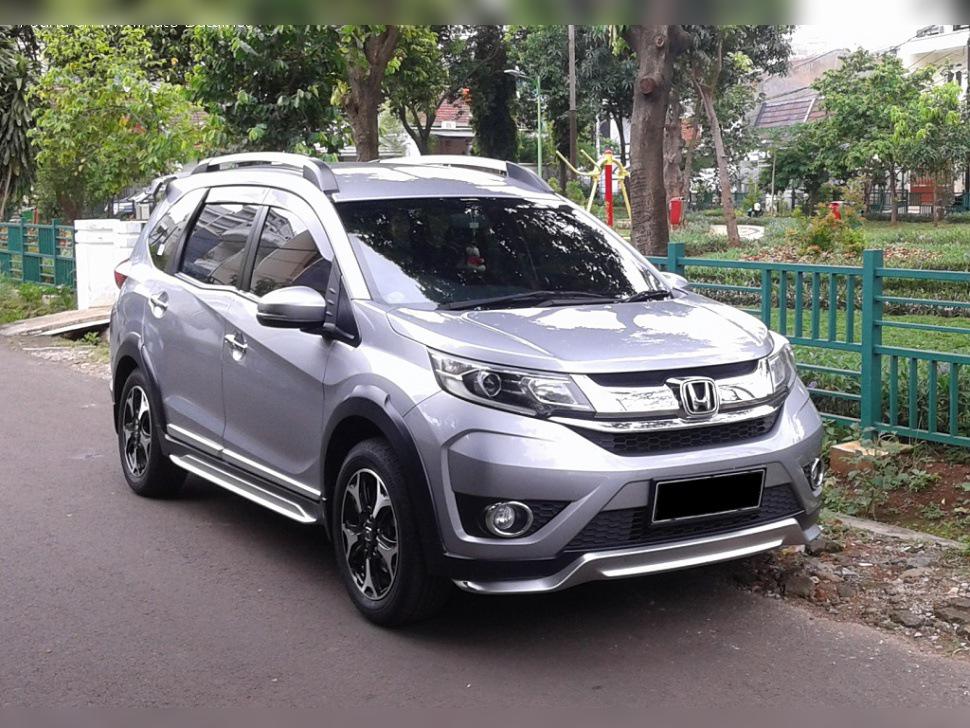
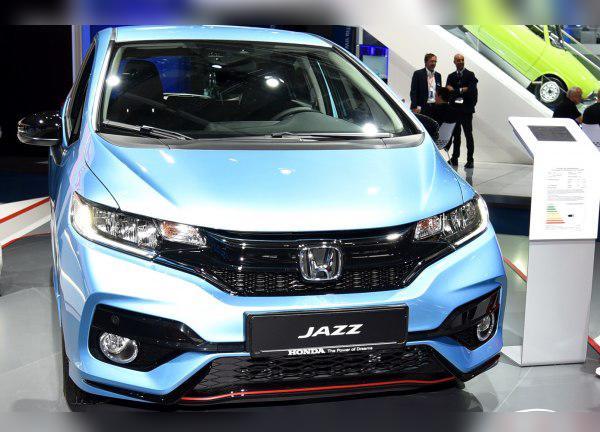
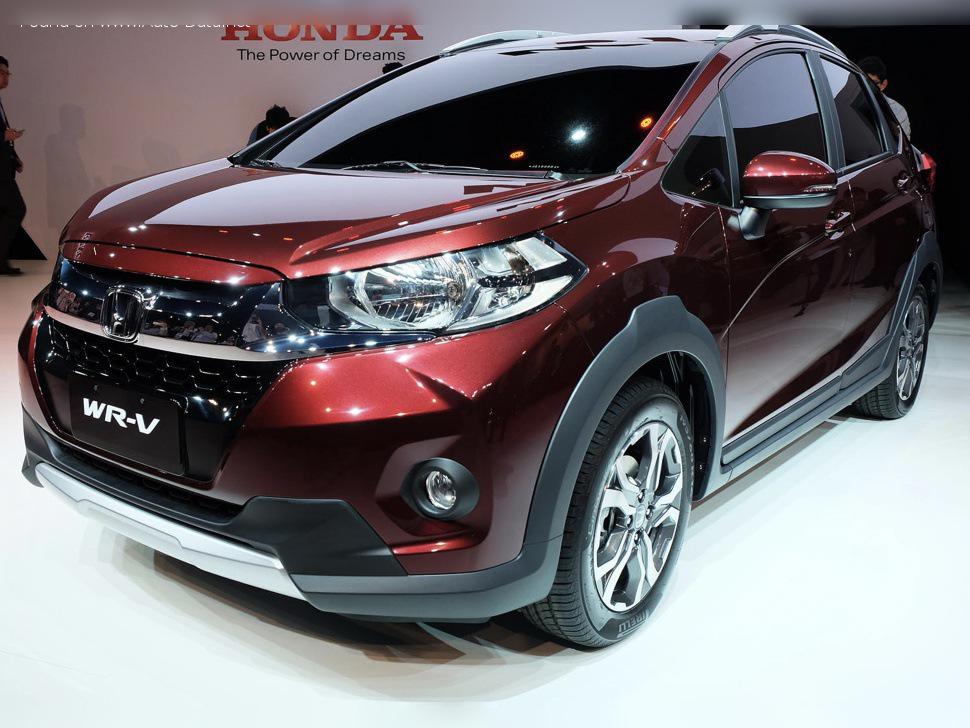
Honda resisted the trend of small diesel engines for a long time, but when they decided to make one, they did it in their own way – thoroughly. The 1.5 i-DTEC (N15A1) is part of Honda’s "Earth Dreams" technology and represents a downsized version of the acclaimed 1.6 i-DTEC engine. We most often see it in the Honda Jazz, but also in models intended for specific markets such as the Amaze, WR-V and BR-V.
This engine is known as one of the lightest diesel engines in its class, thanks to its aluminum block. It is designed to deliver extremely low fuel consumption and minimal internal friction between components. Although 100 horsepower doesn’t sound like much, in the light bodies it’s installed in, this engine provides surprisingly good performance.
Key points (TL;DR)
- Outstanding efficiency: This is one of the most economical engines on the market; consumption below 4 liters is achievable.
- Timing drive: Uses a chain, which reduces regular maintenance costs, but requires high-quality oil.
- DPF filter: Like any modern diesel, it is sensitive to short city trips. It absolutely needs regular runs on open roads.
- Reliability: Generally very high, typical for Honda, with no major common failures on the engine block itself.
- Maintenance: Parts can be more expensive compared to European competitors (e.g. 1.5 dCi or 1.6 TDI).
- Recommendation: Ideal for drivers who cover high mileages but still want a small city car.
Contents
- Technical specifications
- Reliability and maintenance
- Specific components (costs)
- Fuel consumption and performance
- Additional options and modifications
- Gearbox
- Buying used and conclusion
Technical specifications
| Displacement | 1498 cc |
| Power | 73 kW (100 hp) |
| Torque | 200 Nm at 1750 rpm |
| Engine code | N15A1 |
| Injection type | Common Rail (Bosch solenoid injectors) |
| Charging | Variable geometry turbocharger (VGT) + intercooler |
| Engine block | Aluminum (open-deck design) |
Reliability and maintenance
Timing system: chain or belt?
The N15A1 engine uses a timing chain to drive the valves. Honda chains are generally reliable and designed to last the lifetime of the engine, provided that the oil is changed regularly. There is no need for periodic replacement as with a timing belt, but you should listen to the engine on cold start. If you hear a metallic rattling sound for the first few seconds, this may indicate a stretched chain or a problem with the hydraulic tensioner, which usually occurs only at higher mileages (over 200,000 km).
Most common failures
Although the engine is mechanically robust, there are peripheral components that can cause problems:
- Mass air flow sensor (MAF): Can sometimes give incorrect readings, resulting in loss of power or “stuttering” during acceleration.
- Intake manifold clogging: Due to the EGR valve and direct injection, soot deposits can narrow the intake ports and choke the engine.
- Exhaust gas pressure sensors: Failure of this sensor can falsely report a DPF problem.
Service intervals and oil
A minor service is recommended every 10,000 to 15,000 km, or once a year. Although the manufacturer may specify longer intervals (20,000 km), shortening them is crucial for the longevity of the chain and turbo.
Oil quantity and type: The engine takes approximately 4.2 to 4.5 liters of oil (always check the dipstick). It is mandatory to use 0W-20 or 0W-30 oil that meets ACEA C2/C3 standards. This is critical because of the DPF filter and the narrow oil passages.
Oil consumption
This engine is known for its precise manufacturing and should not consume a noticeable amount of oil between services. Consumption of up to 0.5 liters per 10,000 km is considered acceptable. If the oil level rises, this is a sign that DPF regeneration has failed and diesel fuel has entered the sump (oil dilution). In that case, the oil must be replaced immediately.
Injector lifespan
It uses Bosch solenoid injectors, which have proven to be very durable and less sensitive than piezo injectors. Expected lifespan is over 250,000 km with quality fuel. The first symptoms of bad injectors are rough idle (“knocking”), increased smoke under acceleration and difficult cold starts.
Specific components (costs)
Dual mass flywheel
The situation here depends on the model and market. The Honda Jazz 1.5 i-DTEC for the European market usually has a dual mass flywheel (DMF) to reduce vibration and noise. In models for the Indian/Asian market (Amaze, older WR-V), fixed flywheels may have been installed to save costs. A dual mass flywheel is an expensive item (replacement of the clutch and flywheel set is a costly investment, often over 600–800 EUR, depending on the market).
Turbocharger
The engine uses a single variable geometry turbocharger (VGT/VNT) made by Honeywell/Garrett. The turbo is reliable and rarely fails before 200,000 km, unless the engine is shut off hot immediately after fast driving or poor-quality oil is used. Symptoms of failure are a siren-like whine and a sudden loss of power.
DPF and EGR
The engine is equipped with a DPF filter and an EGR valve. This is its “Achilles’ heel” if the car is driven exclusively in the city. The DPF often clogs if conditions for passive regeneration are not met. The EGR valve can be cleaned, but if the electronic part fails, it has to be replaced (moderately expensive). It is recommended to occasionally “blow it out” on the motorway at around 2500–3000 rpm for about 20 minutes.
AdBlue system
Most earlier versions of the N15A1 engine (Euro 6b standard) use an LNT (Lean NOx Trap) catalyst and do not have an AdBlue system, which is a big advantage because the system is simpler. However, newer variants (Euro 6d-TEMP and later) may have an SCR system with AdBlue fluid. Check whether there is a blue cap next to the fuel filler cap. If there is AdBlue, the system is sensitive to fluid crystallization if the car is left standing for a long time.
Fuel consumption and performance
City driving
In the city, the Honda 1.5 i-DTEC really shines. Real-world consumption is between 4.5 and 5.5 liters per 100 km, depending on traffic and how heavy your right foot is. The start-stop system helps reduce consumption.
Is the engine “lazy”?
With 200 Nm of torque available from just 1750 rpm, the engine is not lazy. On the contrary, in the light body of a Honda Jazz or Amaze, it feels very lively up to about 80 km/h. The acceleration is linear, without the brutal “kick in the back” that some older TDI engines have, but more than adequate for overtaking.
Motorway driving
On the motorway the engine behaves respectably. At 130 km/h in 6th gear, it spins at around 2,400–2,500 rpm (depending on the gearbox). Fuel consumption at that speed is about 5.0–5.5 l/100 km. However, above 140 km/h you can feel the lack of power (only 100 hp) and acceleration becomes slower. Sound insulation in smaller models can also be an issue at higher speeds.
Additional options and modifications
Chip tuning (Stage 1)
This engine can be remapped, but the gains are not as dramatic as with some other diesels because the turbo is relatively small and focused on efficiency. A safe Stage 1 tune raises power to about 120–125 hp and torque to about 240–250 Nm. This significantly improves in-gear acceleration. Pushing the power too far can shorten the lifespan of the DPF filter and clutch.
Gearbox
Manual and automatic gearboxes
With this engine you most often get a 6-speed manual gearbox. It’s a typical Honda gearbox – precise, with short throws, and a real pleasure to use. In some Asian variants (Amaze), Honda paired this diesel engine with a CVT automatic gearbox, which is rare in the diesel world.
Gearbox failures
- Manual: Very reliable. Problems with synchros are rare. The gearbox oil should be changed every 60,000–80,000 km (Honda MTF-3 oil is mandatory).
- CVT (automatic): If you have a CVT version, be more careful. The CVT requires oil changes strictly every 40,000 km (or 2 years). Failures are expensive and usually involve belt slippage if it hasn’t been maintained. Still, Honda CVT gearboxes are among the best on the market.
Servicing and clutch replacement
On the manual gearbox, the clutch kit usually lasts between 150,000 and 200,000 km. The cost of replacing the clutch with a dual mass flywheel falls into the expensive category (depending on the market), while the version without a dual mass flywheel is significantly more affordable.
Buying used and conclusion
When buying a used Honda with the 1.5 i-DTEC engine, pay attention to the following:
- Cold start: Listen to the chain. Any rattling longer than 2–3 seconds is a red flag.
- Oil level: Pull out the dipstick. If the oil level is above the maximum, walk away from that car – this means that DPF regenerations have been failing and diesel has entered the oil (which destroys bearings and the turbo).
- Air conditioning and electronics: Check that everything works; Honda is reliable but repairs with original parts can be expensive.
- Smoke: A healthy N15A1 with a DPF must not have black smoke from the exhaust, not even at full throttle. Black smoke means the DPF has either been removed or drilled through.
Conclusion
The Honda 1.5 i-DTEC (N15A1) is an engineering gem in the small diesel class. It offers a fantastic balance between performance and fuel consumption. Although parts may be more expensive than for European rivals, they fail less often. This engine is perfect for someone who wants a practical small car (like the Jazz) but covers mileages typical of large saloons. It is not recommended for someone who drives only very short trips of 2 km to the shop – in that case the DPF will fail quickly.
Was this content useful to you?
Your opinion helps us to improve the quality of the content.