L12B3 Engine
- Engine
- 1198 cm3
- Aspiration
- Naturally aspirated engine
- Fuel
- Petrol (Gasoline)
- Power
- 88 hp @ 6000 rpm
- Torque
- 109 Nm @ 4500 rpm
- Cylinders
- 4
- Cylinders position
- Inline
- Valvetrain
- DOHC
- Oil capacity
- 3.2 l
- Coolant
- 3.32 l
# Vehicles powered by this engine

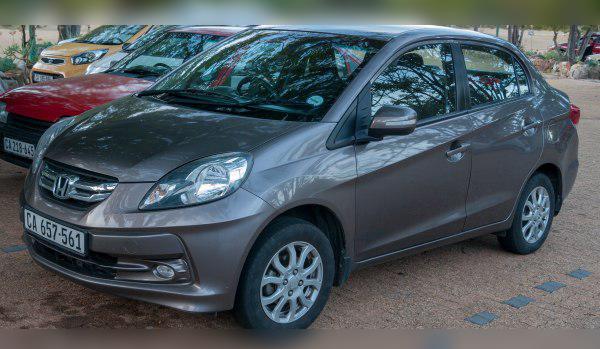
Honda L12B3 (1.2 i-VTEC) – Experiences, problems, fuel consumption and used car buying guide
Key points (TL;DR)
- Exceptional reliability: This is a classic naturally aspirated Honda engine which, with regular maintenance, almost never breaks down.
- Timing chain: Uses a timing chain that is designed to last as long as the engine itself.
- Lack of power: With only 109 Nm of torque, the engine feels “lazy” and requires high revs for overtaking.
- Low running costs: No expensive components such as a dual-mass flywheel, turbo or DPF.
- CVT gearbox: Requires specific maintenance and some getting used to its operating characteristics (“scooter effect”).
- Ideal for city driving: Low fuel consumption in urban conditions, but noisy on the motorway.
- LPG-friendly: Works very well on LPG, but requires regular valve clearance checks.
Contents
Introduction and applications
The engine designated as L12B3 belongs to Honda’s well-known L-series. It is a 1.2‑liter four‑cylinder petrol engine equipped with the famous i-VTEC technology (intelligent variable valve timing and lift control). This engine was primarily designed for developing markets and compact sedans, where the priorities are low fuel consumption, simplicity and longevity rather than sporty performance.
It is best known for being installed in the Honda Amaze (first generation and its facelift), a small sedan that shares its platform with the Brio. For drivers looking for a car that will serve them for years with minimal running costs, this engine is often the first choice, but it does have its limitations when it comes to driving dynamics on open roads.
Technical specifications
| Specification | Data |
|---|---|
| Engine displacement | 1198 cc (1.2 L) |
| Power output | 65 kW (88 hp) |
| Torque | 109 Nm at 4500 rpm |
| Engine code | L12B3 |
| Fuel injection type | PGM-FI (multi-point indirect injection) |
| Aspiration | Naturally aspirated |
| Number of cylinders / valves | 4 / 16 (SOHC i-VTEC) |
Reliability and maintenance
Timing system: chain or belt?
The Honda L12B3 engine uses a timing chain to drive the camshaft. This is great news for owners, as chains on Honda petrol engines rarely cause problems. There is no prescribed replacement interval and, with regular oil changes, it often lasts as long as the engine itself (over 300,000 km). A rattling noise on cold start is a sign that the chain or chain tensioner needs to be checked, but this is very rare at low mileages.
Most common faults and symptoms
This engine has a reputation for being “bulletproof”, but there are a few minor issues that can be annoying:
- Dirty throttle body: Symptoms include rough idle or fluctuating revs. Cleaning solves the problem and is not expensive.
- Need for valve adjustment: Although the engine is modern, Honda still uses mechanical valve lifters on many L‑series engines. It is recommended to check valve clearances every 40,000 to 60,000 km. If this is neglected, the engine can become noisier (“ticking”) or, in the worst case, lose compression.
- Engine mounts: The rubber engine mounts can fail, which manifests itself as increased vibration in the cabin while the car is idling.
Service intervals and oil
An oil service is recommended every 10,000 km or once a year. A traditional “major service” (timing belt replacement) does not exist because it has a chain, but at around 100,000 – 120,000 km a thorough inspection of the auxiliary (serpentine) belt, water pump and tensioners is recommended.
Oil: The engine takes approximately 3.2 to 3.6 liters of oil (depending on whether you change the filter). The recommended viscosity is 0W-20 or 5W-30. Honda insists on thinner oils due to narrow oil passages and the VTEC system. Using thicker oil (e.g. 10W-40) can lead to poorer lubrication on cold start and problems with the VTEC solenoid.
Oil consumption: L12B3 engines are tightly built and generally do not consume oil between services. Consumption of up to 0.5 liters per 10,000 km can be considered acceptable on higher‑mileage engines, but anything above that requires checking the piston rings or valve stem seals.
Spark plugs
From the factory, NGK or Denso iridium spark plugs are usually fitted. Their replacement interval is long, typically around 100,000 km. If standard nickel plugs are used, the interval drops to 30,000 – 40,000 km. Faulty spark plugs can damage the ignition coils (which are more expensive), so this is not an area where you should try to save money.
Specific components (costs)
Dual-mass flywheel: This engine does NOT have a dual-mass flywheel. It uses a conventional solid flywheel, which makes clutch replacement significantly cheaper. This is a big advantage compared to modern diesels.
Fuel injection system: It uses a reliable PGM-FI system (multi‑point injection). The injectors are extremely durable and not as sensitive as those on diesels or petrol engines with direct injection. Injector cleaning is rarely needed, unless you use poor‑quality fuel.
Turbocharger: The engine is naturally aspirated, so there is no turbocharger. This means fewer parts that can fail, but also less torque.
EGR and DPF: As a petrol engine, it does not have a DPF filter. It does have an EGR system (exhaust gas recirculation) which can get dirty from soot, but this is far less common than on diesels. A clogged EGR valve usually causes hesitation or choking under acceleration.
AdBlue: This engine does not use AdBlue fluid.
Fuel consumption and performance
City driving: This is where the L12B3 feels at home. Real‑world fuel consumption in the city ranges between 6.5 and 8.0 l/100 km, depending on traffic and how heavy your right foot is. The CVT gearbox can further reduce consumption if driven gently.
Is the engine “lazy”? To be honest – yes, it is. With 109 Nm of torque available only high up at 4500 rpm, in the relatively light Honda Amaze the engine struggles when the car is fully loaded or going uphill. It requires frequent downshifts or “kick‑down” on automatics to get going. Do not expect any kind of sporty acceleration.
Motorway: At 130 km/h the engine runs at fairly high revs (often around 3500–4000 rpm with the manual gearbox), which increases cabin noise. Fuel consumption on the motorway at 130 km/h is around 6.5 – 7.5 l/100 km. This is not an ideal engine for long motorway journeys, but it will get the job done.
Additional options and modifications
LPG conversion: This engine is an excellent candidate for LPG. Since it has indirect injection, the system is simple and inexpensive (depending on the market, it usually falls into the cheaper category). The only, but crucial note: Honda engines have somewhat “softer” valve seats. If you run on LPG, make sure to check valve clearances more frequently (every 30,000 – 40,000 km) and, if necessary, install a valve lubrication system (“valve saver”), although opinions on its effectiveness vary.
Remapping (Stage 1): Forget about it. On a naturally aspirated petrol engine of this size, a remap might give you 2–3 hp at best, which is imperceptible in real driving. It’s a waste of money. You’re better off investing in quality tyres and regular servicing.
Gearbox
Two types of gearboxes are available with this engine:
- 5‑speed manual gearbox: Honda’s manual gearboxes are among the best in the world – precise, with a short throw and very reliable.
- Faults: Rare. Oil leaks from the driveshaft seal can occur.
- Clutch replacement: Since there is no dual‑mass flywheel, replacing the clutch kit (pressure plate, disc, release bearing) is relatively affordable (not expensive).
- Oil: Honda MTF (Manual Transmission Fluid). It should be changed every 60,000 – 80,000 km.
- CVT automatic gearbox (or 5AT on some older markets): Most Amaze models (especially the facelift) use a CVT.
- Characteristics: Provides smooth, jerk‑free driving, but suffers from the typical “rubber band effect” – when you press the accelerator, the revs jump up, the engine drones, and the car only accelerates later.
- Maintenance: This is crucial. The oil in the CVT (HCF‑2 fluid) must be changed every 40,000 km or 2 years. If this is not done, the gearbox can start slipping, whining or fail completely. Repairing a CVT gearbox is very expensive.
Buying used and conclusion
Before buying a Honda Amaze with the L12B3 engine, pay attention to the following:
- Timing chain noise: Listen to the engine on a cold start. If you hear metallic rattling for more than a couple of seconds, that’s a bad sign.
- Idle quality: The engine should idle smoothly. Vibrations or fluctuating revs point to a dirty throttle body, bad spark plugs or the need for a valve adjustment.
- CVT service history: If you’re buying an automatic and there is no proof of regular gearbox oil changes – avoid that car.
- Corrosion: The Honda Amaze has relatively thin body panels, so carefully check the wheel arches, sills and underbody for rust.
Conclusion: The L12B3 engine is ideal for drivers who value reliability over performance. It is perfect for city traffic, taxi use or as a second family car. It is not for those who often drive on motorways or enjoy aggressive driving. Its greatest virtue is that, with minimal care, it almost never breaks down.
Was this content useful to you?
Your opinion helps us to improve the quality of the content.