K20C2 Engine
- Engine
- 1996 cm3
- Aspiration
- Naturally aspirated engine
- Fuel
- Petrol (Gasoline)
- Fuel injection system
- Direct injection
- Power
- 158 hp @ 6500 rpm
- Torque
- 187 Nm @ 4200 rpm
- Cylinders
- 4
- Valves
- 16, 4 per cylinder
- Cylinders position
- Inline
- Max engine speed
- 6800 rpm
- Valvetrain
- DOHC, i-VTEC
- Oil capacity
- 4.2 l
- Coolant
- 5.9 l
- Systems
- Start & Stop System
# Vehicles powered by this engine
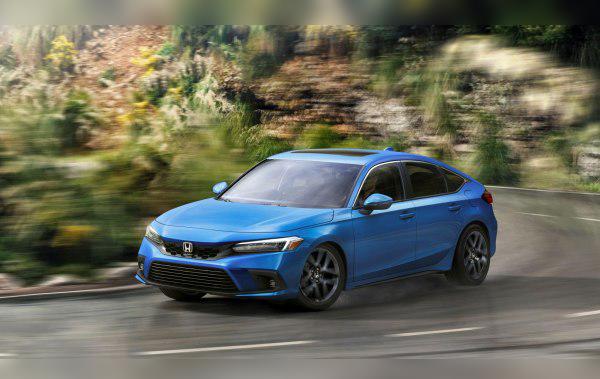
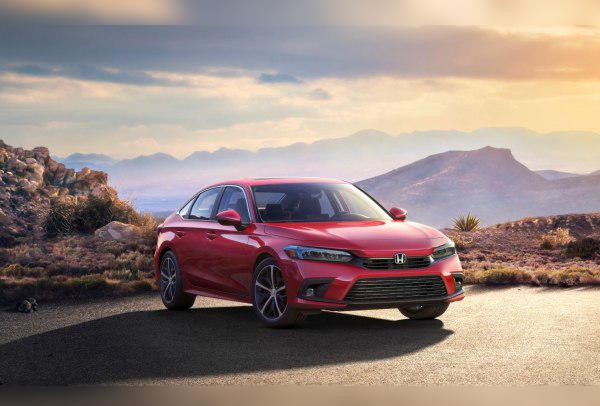
Honda K20C2 (Civic XI 2.0) – Experiences, problems, fuel consumption and used car buying guide
Key points in short (TL;DR)
- Reliability: This is one of the most reliable modern petrol engines on the market. Its naturally aspirated design means fewer parts that can fail.
- Technology: Uses “old-school” MPI (Multi-Point Injection), which means no carbon buildup on intake valves like with direct injection.
- Performance: With 158 hp it is adequate, but with 187 Nm of torque it feels “lazy” compared to turbo competitors. It needs high revs for overtaking.
- Transmission: Usually comes with a CVT that takes some getting used to (noise under acceleration), or more rarely with an excellent manual gearbox.
- LPG: An ideal candidate for LPG conversion thanks to its injection system.
- Recommendation: A perfect choice for drivers who want a “buy and forget” car and plan to keep it for many years with minimal maintenance costs.
Contents
Introduction: The last of the naturally aspirated Mohicans
In a world dominated by small turbo engines and hybrid systems, the eleventh-generation Honda Civic with the K20C2 engine feels like a refreshing return to basics. It is a 2.0-liter naturally aspirated petrol engine that defies the “downsizing” trend. Although in Europe the 11th-gen Civic is primarily pushed as an e:HEV hybrid, this pure petrol unit is very popular in North America and parts of Asia, and reaches our roads through imports.
This is not a racing engine (even though it carries the K-code like the legendary Type R engines). It is an engine built to cover 500,000 kilometers with regular oil changes. Its simplicity is its greatest asset.
Technical specifications
| Feature | Data |
|---|---|
| Engine code | K20C2 |
| Displacement | 1996 cc (2.0 L) |
| Configuration | I4 (inline 4-cylinder), DOHC i-VTEC |
| Power | 118 kW (158 hp) @ 6500 rpm |
| Torque | 187 Nm @ 4200 rpm |
| Injection type | Multi-Point Injection (MPI) – indirect |
| Induction | Naturally aspirated |
| Camshaft drive | Chain |
Reliability and maintenance
Timing system: Chain or belt?
The K20C2 engine uses a chain to drive the camshafts. Honda chains on K-series engines have proven to be extremely durable. Unlike some European competitors where chain replacement is common around 100,000 km, here the chain often lasts as long as the engine itself, provided the oil is changed regularly. There is no need for preventive replacement unless you notice a specific rattling noise on cold start.
Most common issues
To be honest, this engine is “boring” for mechanics because it very rarely breaks down. Still, you should pay attention to:
- Valve cover gasket leaks: At higher mileage you may see slight oil seepage, which is a cheap fix.
- Engine mounts: Due to four-cylinder vibrations and the start-stop system, the mounts (especially the “dogbone” or lower mount) can wear out earlier, which shows up as a jerk when you press the accelerator.
- AC compressor/condenser: Although not part of the engine itself, this is a known weak point on 10th and 11th gen Civics. Honda A/C systems are sensitive to refrigerant leaks.
Service intervals and oil
Minor service: Although the manufacturer lists longer intervals in some manuals, for longevity it is recommended to change the oil every 10,000 km or once a year. The engine takes approximately 4.2 to 4.5 liters of oil (always check the dipstick).
Oil grade: Honda strictly recommends high-quality 0W-20 oil. This thin oil is crucial for proper operation of the i-VTEC system and the engine’s tight tolerances. Do not experiment with thicker oils (like 10W-40) unless the engine is very worn.
Oil consumption: The K20C2 is not known for oil consumption. Between services the level should not drop significantly. Consumption up to 0.5 liters per 10,000 km is acceptable; anything above that requires checking the PCV valve or piston rings (rarely an issue).
Spark plugs
It uses iridium spark plugs (NGK or Denso). Replacement interval is long, usually around 100,000 to 120,000 km. Do not skimp on spark plugs, as they directly affect coil operation.
Specific parts (costs)
Fuel injection system and injectors
This is a major advantage of this engine. The K20C2 uses Multi-Point (port) injection, not direct injection like the more powerful 1.5 Turbo or Type R models.
Why is this good?
1. Injectors are cheaper and more robust.
2. No carbon buildup on intake valves, which is the plague of modern engines. The fuel “washes” the valves as it enters the cylinder.
Turbo, DPF, EGR, dual-mass flywheel
- Turbo: NONE. One less thing to worry about. No expensive turbo overhauls, intercoolers or hoses that burst.
- Dual-mass flywheel: Models with a CVT gearbox do not have a classic dual-mass flywheel, but a torque converter and a flexplate. Models with a manual gearbox usually do have a flywheel, but on naturally aspirated petrol engines it is under much less stress than on diesels, so flywheel failures are uncommon before 200,000+ km.
- GPF/EGR: It has an EGR valve that can get dirty, but is easy to clean. As for the GPF (gasoline particulate filter), this depends on the market. EU-market models likely have it (due to Euro norms), while US-market models often do not. Thanks to port injection, this engine produces very few soot particles, so filter clogging problems are extremely rare.
- AdBlue: NONE. This is a petrol engine.
Fuel consumption and performance
Real-world fuel consumption
Fuel consumption is reasonable for a 2.0 engine, but do not expect hybrid miracles.
- City driving: Expect around 8.5 to 10 l/100 km, depending on traffic and how heavy your right foot is. The CVT helps in town by keeping revs low.
- Country roads: It can go down to about 5.5 – 6.5 l/100 km.
- Motorway (130 km/h): Consumption is around 7.0 – 7.5 l/100 km.
Performance: Is it “lazy”?
To be honest – by today’s standards it can feel lazy at low revs. With 187 Nm of torque available only at 4200 rpm, this engine needs to be revved to really move.
If you are coming from a turbo diesel, you will feel like the car does not pull until you floor the accelerator. However, throttle response is linear and immediate. For the weight of the 11th-gen Civic body (which is not light), the engine is perfectly adequate for normal driving, but overtaking uphill requires planning and full throttle.
Motorway and cruising
With the CVT gearbox, at 130 km/h the engine runs at relatively low revs (around 2200–2500 rpm) when maintaining speed, which is quiet and comfortable. However, at any throttle input or incline, the gearbox will raise the revs (often above 3500–4000) to maintain speed, which creates noise. The manual gearbox keeps the engine at around 3000–3200 rpm at 130 km/h (depending on gear ratios).
Additional options and modifications
LPG conversion
YES, ABSOLUTELY. This is one of the best modern engines for conversion to LPG. Thanks to MPI (indirect) injection, installation is simple, cheaper (standard sequential system) and there is no need to burn petrol to cool the injectors. If you cover a lot of mileage, LPG is an excellent investment for this engine.
Chiptuning (Stage 1)
On naturally aspirated engines, remapping does not make much sense. You might gain 5 to 8 hp and slightly better throttle response, but you will not feel a dramatic difference like on turbo engines. It is better to invest that money in quality tyres or maintenance.
Transmission
Variants
This engine usually comes with Honda’s CVT gearbox, and more rarely with a 6-speed manual gearbox.
CVT gearbox – maintenance and failures
Honda’s CVT is one of the better ones on the market. It simulates gear changes under hard acceleration to reduce the “rubber band” or “vacuum cleaner” effect (constant engine drone).
Maintenance: It is crucial to change the oil in the CVT (HCF-2 fluid) every 40,000 to 60,000 km (or every 2–3 years). If this is followed, the gearbox is long-lasting. If the oil is not changed, the chain starts slipping and catastrophic failure follows, which is very expensive (often more than the value of a used car).
Manual gearbox
Honda manual gearboxes are legendary for their precision. Failures are rare.
Clutch: The clutch kit is a standard wear item. Replacement cost is moderate (depends on the market) and significantly cheaper than on diesels with dual-mass flywheels. The oil in the manual gearbox (Honda MTF) is recommended to be changed every 60,000–80,000 km.
Buying used and conclusion
What to check before buying?
- CVT behavior: There should be no jerks when setting off gently. Under hard acceleration there should be no slipping (revs rise but speed does not increase proportionally).
- Chain noise: Listen on cold start. Any rattling that lasts longer than 2–3 seconds is a red flag.
- Air conditioning: Check that the A/C blows cold. Condenser failure is common and costs money (depends on the market, but it is not cheap).
- Service history: Check whether the transmission oil has been changed if the car has more than 60,000 km.
Conclusion
The Honda Civic with the K20C2 engine is a car for the rational buyer. If you do not care about being the fastest at the traffic lights, but want a car that will start every morning for the next 15 years and only ask for regular servicing, this is probably the best petrol engine in its class.
It is ideal for drivers who appreciate simplicity, plan to install LPG, or are afraid of expensive failures on modern turbo diesels and complex hybrids.
Was this content useful to you?
Your opinion helps us to improve the quality of the content.