LFC1 Engine
- Engine
- 1993 cm3
- Aspiration
- Naturally aspirated engine
- Fuel
- Petrol (Gasoline)
- Fuel injection system
- Direct injection
- Power
- 141 hp @ 6000 rpm
- Torque
- 182 Nm @ 4500 rpm
- Cylinders
- 4
- Valves
- 16, 4 per cylinder
- Cylinders position
- Inline
- Valvetrain
- DOHC
- Oil capacity
- 4.2 l
- Coolant
- 5.54 l
- Systems
- Start & Stop System
# Vehicles powered by this engine
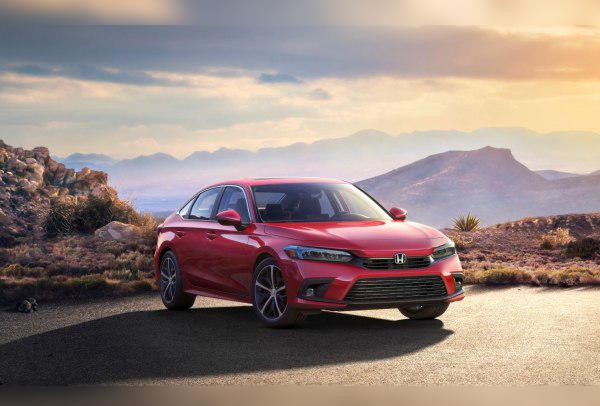
Honda 2.0 i-MMD (LFC1) Hybrid: Experiences, Issues, Fuel Consumption and Buying Used
Key points (TL;DR)
- Reliability: Extremely high. This is a naturally aspirated engine running on the Atkinson cycle, with lower mechanical stress.
- Drivetrain: The LFC1 engine mainly serves as a generator. The wheels are driven by the electric motor, except at higher highway speeds.
- Maintenance: It has a timing chain. Regular servicing is crucial, but there are no expensive failures like a dual-mass flywheel or turbocharger.
- Fuel consumption: In the city it’s ridiculously low (often below 5 l/100 km), but it increases on the highway.
- Direct injection: Although reliable, due to direct injection (DI) carbon buildup on the valves can occur at high mileage.
- LPG (Autogas): Strongly not recommended and economically unjustified for this type of hybrid.
- Conclusion: One of the most efficient powertrains today, ideal for drivers who combine city and open-road driving, but it’s not a racing setup.
Contents
Introduction and engine application
The engine with the code LFC1 represents the pinnacle of Honda’s engineering efficiency. It is a 2.0-liter four-cylinder petrol engine operating on the Atkinson cycle. This engine is the heart of Honda’s e:HEV hybrid system (previously known as i-MMD). Its primary role in models such as the Honda Civic XI is not to drive the wheels directly (except in specific cruising conditions), but to drive a generator that produces electricity for a powerful electric motor.
It’s important to understand this right away: when you press the accelerator, what you actually feel is the torque of the electric motor, while the LFC1 runs in the background at the most optimal rpm to charge the battery. This solution eliminates many of the “aches and pains” of conventional petrol engines, because the engine rarely runs under full load while cold or at very low revs.
Technical specifications
| Parameter | Value |
|---|---|
| Displacement | 1993 cc |
| Power (petrol engine) | 105 kW (143 hp)* |
| Power (system/electric) | 135 kW (184 hp) |
| Torque (petrol) | 182 Nm (at 4500 rpm) |
| Torque (electric) | 315 Nm (from 0 rpm) |
| Engine code | LFC1 / LFC2 (depending on market) |
| Injection type | Direct injection (GDI) |
| Aspiration | Naturally aspirated |
*Note: The petrol engine’s power is used primarily for generating electricity, while the driver feels the system output of 184 hp delivered by the electric motor.
Reliability and maintenance
Timing system: Chain or belt?
The LFC1 engine uses a timing chain for valve timing. Honda chains are traditionally very reliable and are designed to last as long as the engine itself, provided the oil is changed regularly. There is no need for preventive replacement at a specific mileage as with belts; instead, it is monitored by sound. Rattling at cold start is the first sign that the hydraulic tensioner has weakened or the chain has stretched, but this is rare before 200,000 km on this model.
Most common issues
Since this is a relatively new power unit (in the Civic XI), long-term data is limited, but the engine base is extremely robust. Potential issues include:
- Carbon buildup: Due to direct injection, the intake valves are not washed by fuel. At higher mileage (over 150,000 km), deposits can form that may affect smooth running. “Walnut blasting” intake cleaning solves this problem.
- GPF filter sensors: As the engine meets strict Euro emission standards, it has a GPF (gasoline particulate filter). The pressure sensors on this filter can sometimes trigger false warnings.
- Oil dilution with fuel: This occurs on many modern direct-injection petrol engines driven on short trips in winter. The oil level may appear to rise because petrol gets into the sump. The solution is more frequent oil changes and occasional longer drives.
Service intervals and oil
Minor service: Recommended every 10,000 to 15,000 km or once a year. Japanese engines like fresh oil.
Oil quantity and type: The engine takes approximately 4.0 to 4.3 liters of oil (always check with the dipstick). Only 0W-20 grade should be used. This thin oil is crucial for the hybrid system because the engine frequently starts and stops, so the oil must circulate through the system instantly.
Oil consumption: LFC1 engines are very “tight” and precisely manufactured. Oil consumption between services is negligible. If the engine uses more than 0.5 liters per 10,000 km, this usually indicates the wrong oil grade or extremely aggressive driving while the engine is cold.
Spark plugs
Only iridium spark plugs (NGK or Denso) are used. Replacement interval is long, usually around 100,000 km to 120,000 km. Do not experiment with cheap copper plugs; access to the plugs is easy, but the engine electronics are sensitive to resistance.
Specific components and injection system
Dual-mass flywheel and clutch
This is the best news for your wallet: This engine does NOT have a dual-mass flywheel in the conventional sense, nor does it have a clutch kit that wears out like on manual gearboxes. There is a torsional vibration damper between the engine and the generator, but it very rarely fails and is not part of regular maintenance.
Turbo and injection
Turbo: The engine is naturally aspirated (no turbocharger). That’s one less worry – no turbo overhauls, intercooler issues or oil leaks from the turbo.
Injection: It uses a high-pressure direct injection system into the cylinders. Injectors are precise and expensive (depending on the market), but have proven robust. However, they are sensitive to poor fuel quality, so it’s recommended to occasionally use higher-quality (additized) petrol.
Emissions: DPF/GPF and EGR
Yes, this engine has a GPF filter (Gasoline Particulate Filter), which is the petrol equivalent of a DPF on diesels. However, since petrol burns cleaner and exhaust gas temperatures are higher, the GPF regenerates (cleans) much more easily and quickly through passive regeneration while driving than a DPF. Clogging is extremely rare. The engine also has an EGR valve that returns part of the exhaust gases for re-combustion to reduce NOx emissions. It can get dirty at high mileage, but can often be cleaned. There is no AdBlue system on this engine.
Fuel consumption and performance
City driving
This is where the Civic e:HEV shines. In the city, the LFC1 petrol engine often stays off, and the car runs on electric power. When the battery is depleted, the engine starts only to recharge it. Real-world consumption in heavy traffic ranges between 4.0 and 5.5 l/100 km. The heavier the traffic and the more stop-and-go driving, the more efficient this system becomes thanks to regenerative braking.
Performance and “sluggishness”
The engine is by no means sluggish, but not because of its 141 hp – the credit goes to the electric motor. With 315 Nm of torque available instantly (from 0 rpm), the car “jumps” off the line. In-gear acceleration is excellent. The feeling is similar to driving a pure EV – immediate throttle response. The weight of the body is not noticeable at city speeds.
Highway and cruising
This is the only mode where the LFC1 engine connects directly to the wheels via a lock-up clutch. This usually happens at speeds above 80–90 km/h, because it is then more efficient for the petrol engine to drive the wheels directly than to generate electricity. At 130 km/h, fuel consumption rises to around 6.5 to 7.5 l/100 km. The engine is quiet, but during hard overtakes on the highway, revs will rise (because the engine switches to generator mode to provide maximum current to the electric motor), creating a characteristic “scooter” or continuous droning sound, although Honda has introduced “fake shifting” in the Civic XI to simulate gear changes and reduce this effect.
Additional options and modifications
LPG conversion
Not recommended. Although it is physically possible to install LPG on a direct-injection engine, on this hybrid it makes no sense. First, the engine constantly starts and stops. Second, the injection system is complex. Third, fuel consumption is already so low that the payback period (ROI) of an expensive LPG system for direct injection would be too long. You risk damaging costly petrol injectors for minimal savings.
Chiptuning (Stage 1)
Pointless. In the e:HEV system, power at the wheels is dictated by the electric motor and the capacity of the battery/inverter. By “chipping” the LFC1 petrol engine you will not get a faster car, because it primarily works as a generator. Honda has already optimized this engine for maximum thermal efficiency (41%), not for raw power. Any tampering with the maps can disrupt the fine synergy of the hybrid system.
Transmission: e-CVT
Design and maintenance
The e-CVT label often confuses buyers. This is not a conventional belt-and-pulley CVT (like on scooters or older Japanese cars). It is actually a fixed-gear transmission system containing two electric machines (one drive motor, one generator) and a set of gears with a clutch for direct drive. Mechanically, it is simpler and more reliable than a manual gearbox or a conventional automatic because it has fewer friction-prone moving parts.
Failures and servicing
Failures are extremely rare. There are no clutch packs, no DSG-style mechatronics to fail. Maintenance comes down to changing the transmission fluid. Although Honda often calls it “long-life”, experienced mechanics recommend changing it every 40,000 to 60,000 km. A specific Honda fluid is used (often labeled DW-1 or dedicated e-CVT fluid, check the owner’s manual). The change is not expensive (market-dependent) and extends the life of the bearings and electric motor windings, which are cooled by this fluid.
Buying used and conclusion
Before buying a Honda Civic XI with this engine, pay attention to the following:
- Service history: Has the oil been changed on time? This is key to the longevity of the chain and the VTC actuator.
- Hybrid battery: Although Honda batteries are durable, check the battery ventilation openings (under the rear seat) – they must be clean. Use diagnostics to check cell balance.
- Accident damage: Inspect the front end carefully. The inverter and complex electronics are located there. Poor repairs after a crash can be a nightmare.
Conclusion
The LFC1 engine combined with the e:HEV system is currently one of the best powertrains on the market for the average driver. It offers old-school reliability (naturally aspirated, timing chain) with future-oriented technology (electric drive).
Who is it for? Drivers who cover a lot of mixed mileage (city–suburban), want a calm and quiet ride, and minimal fuel and maintenance costs.
Who is it not for? Drivers who spend 90% of their time on the highway at 160+ km/h (where the hybrid will consume like a regular petrol car), or those who want the sound and feel of sporty gear changes.
Was this content useful to you?
Your opinion helps us to improve the quality of the content.