R18Z1 Engine
- Engine
- 1798 cm3
- Aspiration
- Naturally aspirated engine
- Fuel
- Petrol (Gasoline)
- Fuel injection system
- Multi-port manifold injection
- Power
- 143 hp @ 6500 rpm
- Torque
- 175 Nm @ 4300 rpm
- Cylinders
- 4
- Valves
- 16, 4 per cylinder
- Cylinders position
- Inline
- Max engine speed
- 6700 rpm
- Valvetrain
- SOHC, i-VTEC
- Oil capacity
- 3.7 l
- Coolant
- 5.6 l
# Vehicles powered by this engine
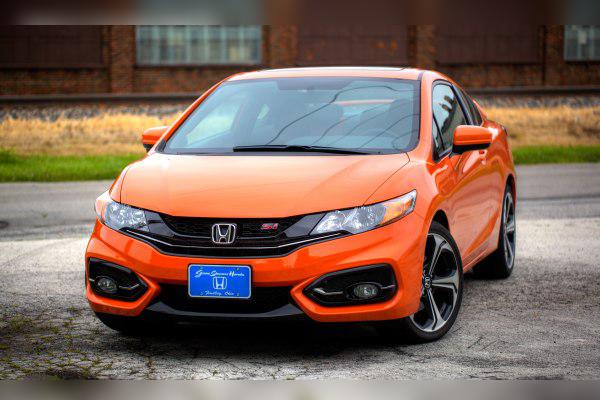
Honda 1.8 i-VTEC (R18Z1) – Experiences, problems, fuel consumption and buying used
When someone mentions Honda and petrol engines, the first association is usually reliability and willingness to rev high. The R18Z1 engine, which powers the ninth generation Civic (especially the post-facelift Coupe and Sedan versions), is an evolution of the famous R-series. This is not a racing unit like the old Type-R engines, but an intelligently designed “workhorse” that balances solid performance with low fuel consumption.
In the rest of the text we analyze in detail whether this 1.8 i-VTEC is the right choice for you, what you can expect in terms of maintenance, and what its weak points are.
Key points (TL;DR)
- Reliability: Extremely high. This is one of the most reliable petrol engines of the modern era.
- Mechanics: Simple construction (naturally aspirated), no turbo, no direct injection (depending on the market, but the R18Z1 is primarily MPi), it has a timing chain.
- Main drawback: Need for manual valve adjustment (no hydraulic lifters).
- Fuel consumption: Surprisingly low for a 1.8-liter displacement, especially on the open road.
- Gearbox: Available with a precise manual gearbox or a CVT automatic that requires regular maintenance.
- Recommendation: Ideal for drivers who want a “fill up and drive” car with minimal unexpected costs.
Contents
- Technical specifications
- Reliability and maintenance
- Specific parts and costs
- Fuel consumption and performance
- Additional options and modifications
- Gearbox (manual and CVT)
- Buying used and conclusion
Technical specifications
| Displacement | 1798 cc (1.8 L) |
| Power | 105 kW (143 hp) at 6500 rpm |
| Torque | 175 Nm at 4300 rpm |
| Engine code | R18Z1 |
| Injection type | PGM-FI (Multi-Point Injection) – Indirect |
| Aspiration | Naturally aspirated |
| Configuration | Inline 4-cylinder, SOHC, i-VTEC |
Reliability and maintenance
Timing belt or chain?
The R18Z1 engine uses a timing chain. Honda chains on the R-series engines have proven to be very durable and rarely cause problems before 250,000 or 300,000 kilometers, provided the oil has been changed regularly. There is no scheduled replacement interval; it is replaced only if you hear rattling or if it stretches (check-engine light comes on).
Most common issues
Although the engine is “bulletproof”, there are a few small things to pay attention to:
- Serpentine belt tensioner: The hydraulic tensioner of the auxiliary/serpentine belt can weaken, causing rattling or knocking at cold start or under load.
- Engine mounts: The right (hydraulic) engine mount is prone to failure, which causes vibrations to be transmitted into the cabin, especially while idling.
- Oil leak at the VTEC valve: The rubber gasket behind the VTEC solenoid can harden and start leaking oil. The repair is cheap and simple.
- Need for valve adjustment: This is not a fault but a characteristic. The engine does not have hydraulic lifters. If the valves are not adjusted, the engine may run rough, lose power, or in extreme cases a valve can “burn”.
Major and minor service
The classic “major service” (preventive replacement of belt, tensioner and water pump as a set) is not done here at a fixed mileage because of the chain. However, at around 100,000–120,000 km it is recommended to thoroughly inspect the serpentine belt, water pump and tensioner. Spark plugs are replaced at long intervals.
Oil: quantity and grade
The engine takes approximately 3.7 to 4.0 liters of oil (with filter). For this engine, especially in the Civic IX generation, Honda strictly recommends thin oils for efficiency and proper VTEC operation. The best recommendation is 0W-20. In warmer climates or on higher-mileage engines, 5W-30 is also an acceptable option. It is important that the oil meets API SN or newer standards.
Oil consumption
The R18Z1 generally does not consume oil in worrying amounts. Between two services (10,000–15,000 km), topping up to 0.5 liters is normal, but most owners do not need to add any. If it consumes more than 1 liter per 10,000 km, the PCV valve or valve stem seals should be checked, although this is rare at lower mileages.
Spark plugs
It uses iridium spark plugs (NGK or Denso). Replacement interval is long, usually at 100,000 to 120,000 km. Do not skimp on spark plugs because they directly affect the ignition coils (which are expensive).
Specific parts (costs)
Flywheel
Versions with a manual gearbox paired with this petrol engine most often use a solid flywheel or a very simple clutch system. This is a big advantage compared to diesel units. The cost of replacing the clutch kit is significantly lower because there is no expensive dual-mass flywheel to fail. (Note: On some specific markets there may be exceptions, but the R18 is known for its simplicity).
Fuel injection system
The R18Z1 uses multi-point indirect injection. This is great news for a used car. The injectors are robust, do not clog easily and do not require expensive cleaning as with direct-injection engines. Also, there are no issues with carbon buildup on the intake valves.
Turbo, DPF, EGR, AdBlue
- Turbo: The engine does not have a turbocharger. That means fewer parts that can fail, but also less torque at low revs.
- DPF filter: None (this is a petrol engine).
- EGR valve: It does have an EGR valve. It can get dirty at high mileage, but it is relatively easy to clean. It is not a chronic issue.
- AdBlue: There is no AdBlue system.
Fuel consumption and performance
Real-world fuel consumption
Thanks to the i-VTEC system, which keeps the intake valves open longer at low loads (Atkinson cycle in economy mode), fuel consumption is excellent:
- City driving: Expect between 8.5 and 10.5 l/100 km. In heavy traffic with the automatic gearbox it can go up to 11 l/100 km.
- Open road: This is where the engine shines. Consumption drops to 5.5 to 6.5 l/100 km with moderate driving.
- Average: A realistic mixed average is around 7.5 l/100 km.
Is the engine “sluggish”?
With 143 hp and 175 Nm, this engine is not a sports unit. Being naturally aspirated, it is “sluggish” below 3,500 rpm. To get it to pull, you have to rev it. For the Civic’s weight (which is not low), the engine is perfectly adequate for everyday driving, but overtaking on country roads requires downshifting and full throttle. It is not as explosive as turbo engines, but it is linear.
Driving on the motorway
On the motorway the car is stable and relatively quiet.
At 130 km/h:
- With the CVT gearbox, revs are lower (around 2,500–2,800 rpm), which contributes to quietness and lower fuel consumption.
- With the manual gearbox (6-speed), the engine spins at around 3,200–3,400 rpm. Engine noise is present but not unpleasant.
Additional options and modifications
LPG conversion
The R18Z1 engine is suitable for LPG conversion because it has indirect injection. However, Honda engines have “softer” valve seats. If you are installing LPG, it is essential to:
- Install a quality sequential system with OBD connection.
- Preferably install a valve lubrication system (“valve saver”).
- CRUCIAL: Valve clearance must be checked more often, every 30,000–40,000 km, because LPG accelerates valve seat recession.
Remapping (Stage 1)
Since this is a naturally aspirated engine, “chipping” (remapping) is basically a waste of money. The gain is negligible (maybe 3–5 hp) and you will not feel the difference in driving. It is better to invest the money in quality tyres and regular maintenance.
Gearbox
Available gearboxes
With the R18Z1 in the 9th generation Civic (facelift) there are two options:
- 6-speed manual gearbox: Honda’s manual gearboxes are among the best in the world. Short throws, precise (“click-clack” feel).
- CVT automatic gearbox: Continuously variable transmission. This is the Honda Earth Dreams CVT, which is better than older versions but still has the characteristic “slipping” feel under hard acceleration.
Gearbox issues and maintenance
- Manual: Almost indestructible. Gearbox oil should be changed every 60,000–80,000 km (Honda MTF-3 oil). Clutch replacement cost is moderate (depends on the market, but it is on the cheaper side).
- CVT: Reliable if maintained, but sensitive to bad oil. Oil must be changed every 40,000 km (60,000 km at most). Only genuine Honda CVT oil must be used (often marked HCF-2). If the oil is not changed, the gearbox starts to “whine”, jerk, and eventually the internal chain fails, a repair that often exceeds the value of the car.
Buying used and conclusion
Before buying a used Honda with this engine, pay attention to the following:
- Cold start: Listen for metallic rattling during the first 2–3 seconds (chain/tensioner) or a whining noise (VTC actuator – a common issue, annoying sound but rarely catastrophic).
- Vibrations: While the car is idling, do the steering wheel and seats shake? If yes, the engine mounts need replacing (not cheap, especially the original hydraulic ones).
- Service history: Ask when the valves were last adjusted. If the seller does not know what that is, they probably never were.
- CVT test drive: If it is an automatic, it must set off smoothly without jerks, and at a constant speed the revs must be steady.
Final conclusion
The R18Z1 engine is a gem for those who want peace of mind. It is not fast, it will not pin you to the seat, but it will faithfully serve you for hundreds of thousands of kilometers with minimal maintenance. If you are choosing between this petrol and the diesel (1.6 i-DTEC), the petrol is the better choice for city driving and shorter trips due to the absence of a DPF and its simpler construction. With regular oil changes and valve adjustments, this engine is almost indestructible.
Was this content useful to you?
Your opinion helps us to improve the quality of the content.