K20Z3 Engine
- Engine
- 1998 cm3
- Aspiration
- Naturally aspirated engine
- Fuel
- Petrol (Gasoline)
- Fuel injection system
- Multi-port manifold injection
- Power
- 197 hp @ 7800 rpm
- Torque
- 188 Nm @ 6100 rpm
- Cylinders
- 4
- Valves
- 16, 4 per cylinder
- Cylinders position
- Inline
- Max engine speed
- 8000 rpm
- Valvetrain
- DOHC, i-VTEC
- Oil capacity
- 4.4 l
- Coolant
- 6.3 l
# Vehicles powered by this engine
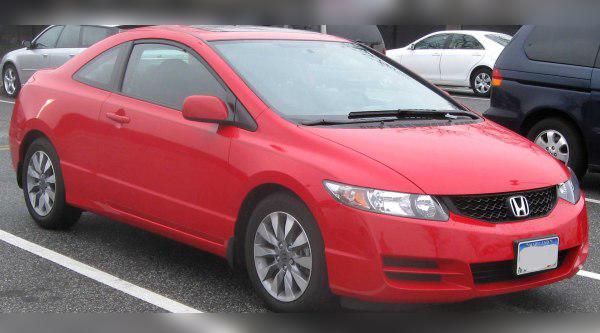
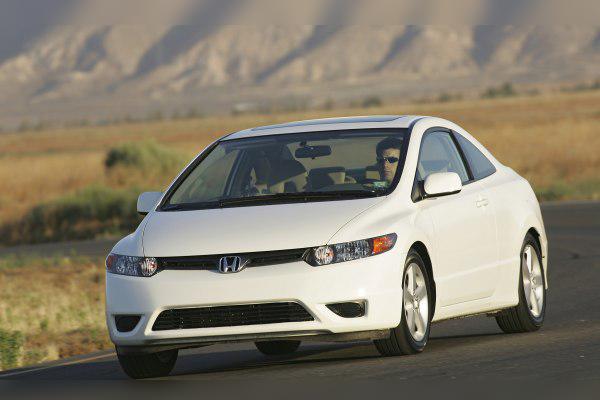
Honda K20Z3 2.0 i-VTEC: The last true naturally aspirated “samurai” – Experiences, issues and maintenance
Key points in short (TL;DR)
- Engine for purists: The K20Z3 is a high-revving machine that “lives” above 6,000 rpm. It’s not for those who like to drive at low revs.
- Timing chain reliability: It uses a timing chain that is extremely durable, but it requires regular oil level checks and proper maintenance.
- Gearbox as a weak point: Although precise, the 6-speed manual gearbox is known for issues with the third-gear synchronizers (grinding/popping out of gear).
- Oil consumption: It is completely normal for this engine to consume oil when driven in the VTEC zone. Checking the dipstick is a must at every refuel.
- No turbo and no DPF: Simple construction without expensive emission systems makes it cheaper to maintain in the long run compared to modern engines.
- Tuning potential: One of the best engines in the world for modifications (naturally aspirated builds or aftermarket turbo setups).
Contents
Introduction: A legend that revs to 8,000 rpm
The Honda K20Z3 is an engine that has a cult status among Japanese car enthusiasts. Installed primarily in the Honda Civic Si (eighth generation), this powerplant represents the pinnacle of Honda’s naturally aspirated philosophy before strict emission standards pushed the industry toward widespread turbocharging.
It is a 2.0-liter inline four-cylinder with the famous i-VTEC system on both intake and exhaust camshafts. Unlike ordinary engines that only serve to get you from point A to point B, the K20Z3 is designed to deliver emotion. It’s not driven “on torque”; it’s driven on power that rises linearly all the way to the redline. It’s important to note that this engine is specific to the Civic Si (Coupe and Sedan versions, primarily for the North American market), but it shares DNA with the European Type R (FN2) models that carried the K20Z4 designation.
Technical specifications
| Specification | Data |
|---|---|
| Engine code | K20Z3 |
| Displacement | 1998 cc (2.0 L) |
| Power | 147 kW (197 hp) @ 7800 rpm |
| Torque | 188 Nm @ 6100 rpm |
| Configuration | Inline 4-cylinder, DOHC i-VTEC |
| Injection type | Multi-point (port fuel injection) |
| Aspiration | Naturally aspirated |
| Compression ratio | 11.0:1 |
Reliability and maintenance
Timing system: Chain or belt?
The K20Z3 engine uses a timing chain. This is generally great news because it does not require regular replacement like a timing belt. The chain is robust and designed to last as long as the engine, but there is a catch. The hydraulic chain tensioner operates on oil pressure. If the oil is not changed regularly or the oil level is low, the tensioner can lose pressure, which can cause the chain to jump teeth and destroy the engine. In practice, the chain often lasts over 200,000 – 250,000 km without issues if properly maintained.
Most common failures and symptoms
Although this is one of the most reliable engines ever made, age and mileage take their toll:
- VTC actuator (variable cam gear): A common issue on cold start. You’ll hear a short, sharp “grrr” or rattle lasting 1–2 seconds right after starting. The cause is a faulty locking mechanism inside the actuator. It’s not urgent to fix, but it’s annoying and can eventually damage the chain.
- Oil leak at the VTEC solenoid: The gasket on the VTEC solenoid can harden and start leaking oil. The symptom is an oily engine at the back of the cylinder head.
- Engine mounts: Due to the sudden delivery of torque and frequent spirited driving, the hydraulic engine mounts (especially the passenger-side mount) often fail. You’ll feel strong vibrations in the cabin.
- TPS sensor (throttle position sensor): Can cause issues with unstable idle.
Service intervals and fluids
Minor service: Recommended every 8,000 to 10,000 km, or once a year. Since this is a high-revving performance engine, shorter intervals (around 7–8k km) are preferable.
Engine oil: The engine takes about 4.2 to 4.4 liters of oil (including the filter). The recommended grade is 5W-30 (fully synthetic). For hotter climates or track use, some owners switch to 5W-40.
Oil consumption: Yes, this engine does consume oil, and that is a factory characteristic, not necessarily a fault. When VTEC engages (usually around 5,800 rpm), oil pressure is used to lock the rocker arms, and high revs create oil vapor that the PCV system draws in. Consumption of 0.5 to 1 liter per 2,000 – 3,000 km of aggressive driving is not unusual. If you drive gently, consumption is minimal.
Major service: Since the engine has a chain, a classic “major timing service” is not done at a fixed mileage. Inspection of the chain and tensioner is recommended around 150,000 km.
Spark plugs: Only iridium spark plugs (NGK or Denso) should be used. Replacement interval is about 100,000 km (or 60,000 miles), although enthusiasts often replace them earlier for optimal performance.
Specific parts (costs)
Fuel system and injectors
The K20Z3 uses classic, indirect port fuel injection. This is great news for used-car owners. The injectors are extremely durable, don’t clog easily, and are cheap to clean or replace. Unlike direct-injection engines, here there are no issues with carbon buildup on the intake valves.
Flywheel and clutch
Fortunately, in the Civic Si application this engine usually comes with a solid (single-mass) flywheel, not a complicated dual-mass flywheel that often causes trouble in diesels. The clutch is a wear item and its lifespan depends solely on driving style. The cost of replacing the clutch kit is in the mid-range (depends on the market, but it’s not “very expensive”).
Turbo, DPF, EGR, AdBlue
This is where the biggest advantage of the K20Z3 lies:
- Turbo: None. No turbo rebuilds, no oil leaks from the turbo.
- DPF / AdBlue: None. It’s a gasoline engine, so it doesn’t have these expensive emission systems.
- EGR valve: Present. Sometimes the passages in the intake manifold can clog, which triggers the “Check Engine” light, but cleaning is relatively simple and cheap.
Fuel consumption and performance
City driving and “laziness”
Real-world city consumption: Expect between 10 and 13 liters per 100 km. This is not a frugal engine in stop-and-go traffic, especially if you enjoy the sound of the engine.
Is the engine lazy? The K20Z3 has relatively low torque (188 Nm) that comes high in the rev range (6100 rpm). Compared to modern turbo diesels or turbo petrol engines, it can feel “lazy” below 3,000 rpm. For sudden overtakes, you must downshift one or two gears. This is not a flaw; it’s a characteristic of a naturally aspirated engine – the power is in the revs.
Highway and cruising
On the open road, fuel consumption drops to a reasonable 7 to 8.5 l/100 km. The gearbox has 6 gears, but the ratios are short (sporty). At 130 km/h in sixth gear, the engine spins at around 3,000 – 3,200 rpm (depending on tire size). This means there is a noticeable amount of engine noise in the cabin, which can be tiring on long trips, but the engine itself is perfectly fine with it.
Additional options and modifications
LPG (autogas) – Yes or no?
Although it is technically possible to install an LPG system, it is not recommended for this type of engine, especially if you plan to use the VTEC zone.
- Honda engines have relatively “soft” valve seats. LPG burns at a higher temperature and without lubrication, which can lead to valve seat recession.
- This engine requires precise valve adjustment (mechanical, no hydraulic lifters). On LPG, that interval would have to be cut in half (every 20k km).
- If you absolutely must, a system with a valve saver (Flashlube) and a top-quality kit is mandatory, but you are essentially defeating the purpose of a sports car.
ECU tuning (Stage 1)
Naturally aspirated engines generally don’t gain much power from a remap alone. However, the K20Z3 is an exception if you use tools like Hondata FlashPro.
- Software only (stock hardware): Power gains are small (5–10 hp), but you can lower the VTEC engagement point (e.g. from 5800 to 4500 rpm), which drastically improves drivability in the mid-range.
- Stage 1/2 (intake + exhaust + tune): This is the proper route. With a quality intake and full exhaust header setup, this engine easily reaches 215–225 hp, with a much better throttle response.
Gearbox
The K20Z3 in Civic Si models comes exclusively with a 6-speed manual gearbox. An automatic transmission was not offered with this engine (it exists on regular 1.8 models, but that’s a different story).
Problematic 3rd gear
This is the most famous flaw of the whole car. Many owners report:
- Difficulty engaging third gear at high rpm.
- Grinding when shifting into third.
- Gear popping out of third.
The cause is poor synchronizer rings. Honda issued service bulletins for this, but on a used car you will likely have to fix it yourself (replacing the synchro set, and sometimes changing the gearbox oil helps a bit).
Clutch master cylinder (CMC)
The factory clutch master cylinder has a mechanism that slows down fluid flow to protect the drivetrain from sudden shocks, but this makes fast high-rpm shifting more difficult. It often fails and causes gearbox grinding. Many owners replace it with aftermarket solutions (e.g. from the older EM1 Civic).
Gearbox maintenance
Gearbox oil should be changed every 40,000 to 60,000 km. Always use genuine Honda MTF (Manual Transmission Fluid), as Honda gearboxes are extremely sensitive to improper oils. The gearbox is equipped with a factory LSD (limited-slip differential), which significantly improves cornering grip.
Buying used and conclusion
Before buying a Honda Civic Si with the K20Z3 engine, make sure to do the following:
- Cold start: Insist that the engine is completely cold. Listen for any chain or VTC actuator rattle in the first 2 seconds.
- Test drive: Warm up the engine, then rev it to the redline (8,000 rpm) and shift quickly from second to third. If it grinds, the synchros are worn.
- VTEC crossover: At around 5,800 rpm you should feel and hear a change in sound and a “kick” (extra pull). If acceleration is linear without that change, the solenoid may be dirty or there may be an oil pressure issue.
- Exhaust smoke: Blue smoke at high rpm or when lifting off the throttle indicates worn valve stem seals or piston rings (high oil consumption).
Conclusion:
The K20Z3 engine is a gem of the automotive world. It is intended for drivers who enjoy active driving, rowing through gears, and the sound of high revs. It is not for those who want silence, low city fuel consumption, or relaxed low-rpm torque. Apart from specific gearbox issues, maintenance is surprisingly affordable because there are no typical expensive “diesel” failures. If you find an example that hasn’t been abused, buy it – engines like this are no longer being made.
Was this content useful to you?
Your opinion helps us to improve the quality of the content.