B16A2 Engine
- Engine
- 1595 cm3
- Aspiration
- Naturally aspirated engine
- Fuel
- Petrol (Gasoline)
- Fuel injection system
- Multi-port manifold injection
- Power
- 160 hp @ 7600 rpm
- Torque
- 150 Nm @ 7000 rpm
- Cylinders
- 4
- Valves
- 16, 4 per cylinder
- Cylinders position
- Inline
- Valvetrain
- DOHC
- Oil capacity
- 4 l
- Coolant
- 3.9 l
# Vehicles powered by this engine
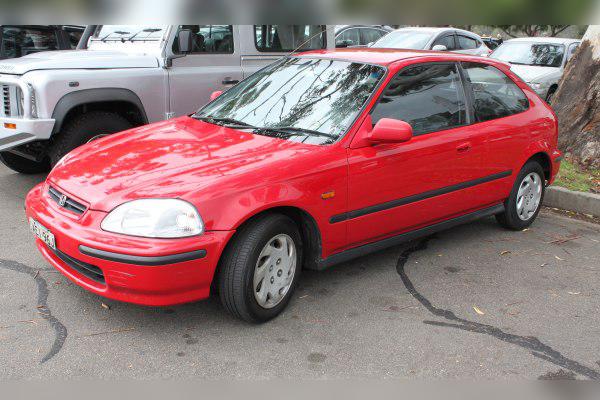
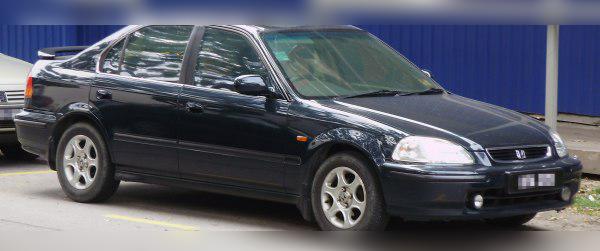
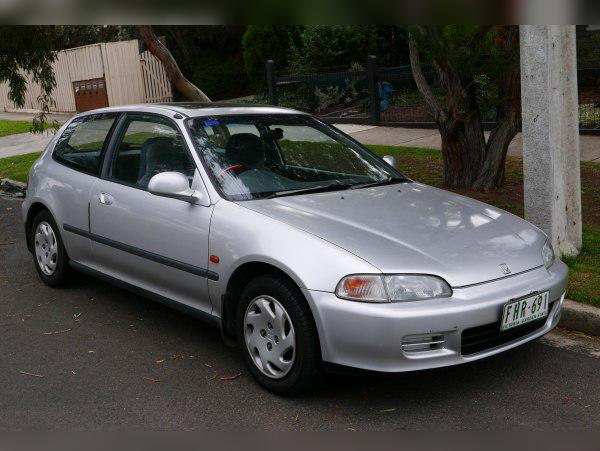
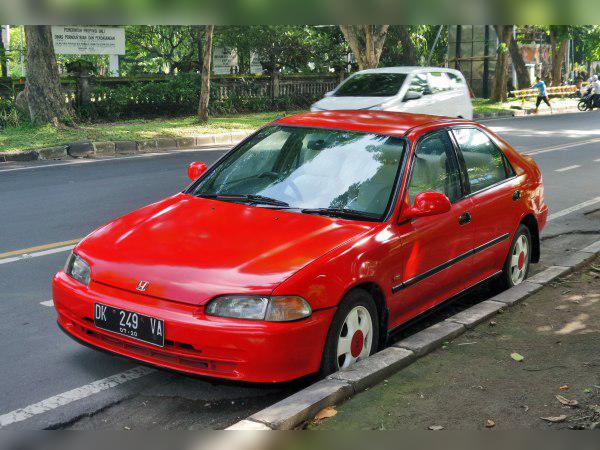
Honda B16A2 1.6 VTi: Experiences, problems, fuel consumption and buying used
Key points (TL;DR)
- Legendary VTEC character: Two faces – tame up to 5,500 rpm, brutal and loud all the way to 8,200 rpm.
- Reliability: Mechanically “indestructible” if you change the oil regularly and don’t drive it hard when cold, but age takes its toll (seals, hoses).
- Oil consumption: Expect it to consume oil in VTEC mode. That’s a characteristic, not necessarily a fault, but it requires constant checking.
- No expensive modern components: No dual-mass flywheel, no turbo, no DPF, no direct injection.
- Gearbox: Short gear ratios make it fun in the city, but tiring and noisy on the motorway.
- Buying used: The biggest issue isn’t the engine, but the body (rust on Civics) and previous owners who have driven it mercilessly.
- Recommendation: Only for enthusiasts who know what they’re buying. Not for relaxed family cruising.
Contents
Introduction: A legend of the nineties
When we talk about naturally aspirated small-displacement engines with high specific output, the Honda B16A2 is the absolute king of the nineties. This engine is the heart of cult models such as the Honda Civic EG6 and EK4 (VTi versions). With its 160 horsepower from just 1.6 liters of displacement, this unit set standards that many competitors tried to reach for years.
What makes it special is Honda’s famous DOHC VTEC system. It’s a technology that gives the engine a “dual personality”: economical and calm at low revs, and race-car aggressive at high revs. For Japanese car enthusiasts, the B16A2 is not just an engine, but an engineering icon that proves you don’t need a turbocharger to have fun.
Technical specifications
| Specification | Data |
|---|---|
| Engine code | B16A2 |
| Displacement | 1595 cc (1.6 L) |
| Power | 118 kW (160 hp) at 7,600 rpm |
| Torque | 150 Nm at 7,000 rpm |
| Configuration | Inline 4-cylinder, DOHC, 16 valves |
| Fuel injection system | PGM-FI (Multi-point injection) |
| Induction | Naturally aspirated with VTEC system |
| Camshaft drive | Timing belt |
Reliability and maintenance
Timing system: Belt or chain?
The B16A2 engine uses a timing belt to drive the camshafts. This is a key maintenance item. A snapped belt on this engine leads to a fatal encounter between pistons and valves (an “interference engine”), which means catastrophic engine damage.
Major service
A major service is recommended every 100,000 km or 5 years, whichever comes first. Considering that these engines are often driven at high revs (frequently hitting the rev limiter at 8,200 rpm), many enthusiasts proactively replace the belt, tensioner and water pump earlier, at around 80,000 km. Do not skimp on the quality of the timing kit (OEM Honda, Gates, or Japanese brands).
Most common failures
Although the mechanicals are robust, age takes its toll. The most common issues are:
- Distributor: This is the Achilles’ heel of B-series engines. The bearing in the distributor can seize, or the ignition module (igniter) and coil can fail. Symptoms include stalling while driving, hard starting or a complete lack of spark.
- Oil leaks: Most often from the VTEC solenoid, the camshaft seal (the one by the distributor) and the oil pan gasket.
- LMA (Lost Motion Assembly): On older units, the springs that hold the VTEC rocker arms when they’re not engaged can weaken. The symptom is a characteristic clicking or rattling noise from the cylinder head when the engine is cold or idling.
Oil: Consumption and recommendations
This engine takes approximately 4.0 liters of oil (with filter). The recommended viscosity for our climate is 5W-40 or 10W-40 (full synthetic is recommended due to the high temperatures under hard driving).
Does it consume oil? YES. Due to the engine’s design and high revs, oil consumption is almost guaranteed if you drive in VTEC mode (above 5,500 rpm). It is considered normal for the engine to consume from 0.5L up to even 1L per 1,000 km if driven aggressively on track. In normal city driving, consumption should be minimal. If it blows blue smoke from the exhaust when you lift off the throttle (downhill), the valve stem seals are likely worn. If it smokes under full throttle, the piston oil rings are probably due for replacement.
Spark plugs
Standard copper spark plugs (e.g. NGK BKR6E-11) are replaced every 20,000 - 30,000 km. If you use iridium plugs, the interval extends to 80,000 - 100,000 km. Due to the high revs, it’s recommended to check the gap and plug color more often, as they reveal a lot about combustion conditions.
Specific parts (Costs)
Dual-mass flywheel and clutch
Good news: the B16A2 does not have a dual-mass flywheel. It uses a classic solid flywheel. A clutch kit is relatively affordable (depends on the market) and straightforward to replace. This significantly reduces maintenance costs compared to modern cars.
Fuel injection system
It uses Honda’s proven PGM-FI system. Fuel injectors are extremely durable and rarely cause problems. If an issue does arise, it’s usually due to dirty fuel, and ultrasonic cleaning typically solves it. There are no expensive high-pressure fuel pumps.
Turbo, DPF, EGR, AdBlue
This is “old school”.
- Turbocharger: NONE. This is a naturally aspirated engine.
- DPF filter: NONE.
- EGR valve: The B16A2 generally doesn’t have a typical problematic EGR valve like diesels do; exhaust gas recirculation is handled by internal valve overlap in certain operating modes, so there’s nothing to clog up and cause chaos in the intake.
- AdBlue: NONE.
The absence of these systems makes this engine very suitable for long-term ownership, as it eliminates failures that today can cost thousands of euros.
Fuel consumption and performance
City driving
Real-world city consumption is between 9 and 11 liters per 100 km. If you have a “heavy right foot” and love the sound of the engine, you’ll easily go over 12–13 liters. However, if you keep it under 3,000 rpm, it can be surprisingly economical.
Is the engine “lazy”?
Yes and no. Up to 5,500 rpm, torque is low (the 150 Nm peak is only at 7,000 rpm!). At low revs it behaves like an ordinary 1.6 – perfectly adequate for the light Civic body (which weighs around 1,100 kg), but you won’t be “pinned to the seat”. However, when VTEC engages, the engine changes sound and character, and then it becomes very lively. You have to “wring it out” to make it go. For drivers used to turbo diesels with lots of torque at low revs, this engine will feel weak until you rev it.
Motorway behaviour
This is not an ideal car for long trips. Due to the short gearbox, at a speed of 130 km/h the engine spins at around 4,000 - 4,200 rpm in fifth gear. That means it’s noisy in the cabin, and fuel consumption at those speeds on the open road increases (around 8–9 l/100 km). There is no “sixth gear” for relaxed cruising.
Additional options and modifications
LPG conversion
The engine can be converted to LPG, but it requires caution. Since it doesn’t have hydraulic lifters and valve clearance is adjusted mechanically, running on LPG requires more frequent valve clearance checks (every 20,000 km) to prevent valve seats from receding. Also, the LPG map must be perfectly tuned for the transition into VTEC, because a lean mixture at 7,000 rpm can melt pistons.
Remap (Stage 1)
On naturally aspirated engines like the B16A2, a typical Stage 1 remap brings almost nothing (maybe 3–5 hp, which is barely noticeable). To gain power, you need mechanical changes: intake, exhaust manifold (4-2-1 or 4-1), full exhaust system, and only then mapping. More serious power gains require a turbo conversion, which this engine handles well, but that’s a very expensive investment (depending on the market, it often exceeds the value of the car).
Gearbox
Which gearboxes are fitted?
With the B16A2 in Civic VTi models you only get a 5-speed manual gearbox (codes Y21 or S4C). These gearboxes have shorter ratios so the engine can stay more easily in the high-rev range where it’s strongest. Automatic gearboxes are extremely rare in combination with this engine in Europe and usually appeared only on Japanese or US markets (often with weaker engine versions).
Gearbox problems
Honda gearboxes are precise and high-quality, but due to the nature of driving, the second and third gear synchros most often fail. The symptom is grinding when shifting quickly from first to second or from second to third at high revs.
Gearbox service
Gearbox oil should be changed every 60,000 - 80,000 km. Use only genuine Honda MTF (Manual Transmission Fluid). Using regular 75W-90 oil can make shifting harder and accelerate synchro wear. The gearbox takes about 2.2 liters.
Buying used and conclusion
What to check before buying?
- Cold start: Listen for rattling from the cylinder head (LMA springs or valves).
- Exhaust smoke: Have someone drive behind you. Blue smoke when flooring it to the limiter or during engine braking is a sign of a tired engine (rings or valve seals).
- VTEC engagement: The engine should clearly change sound and pull harder at around 5,500 rpm. If there is no “kick”, the VTEC solenoid may not be working, there may not be enough oil, or the engine may be in safe mode.
- Idle: It should be stable. Fluctuating idle (revving up and down) often points to a dirty IACV (idle air control valve), which is common but easily fixable.
Conclusion
The Honda B16A2 is not an engine for everyone. If you’re looking for a comfortable commuter that sips fuel and has plenty of torque at 2,000 rpm – skip it.
This engine is intended for car enthusiasts who enjoy driving, know how to use a manual gearbox and don’t mind engine noise at 8,000 rpm. Its greatest virtue is the smile it puts on your face when the tach needle crosses the magical VTEC threshold. Maintenance is cheap (no expensive failures), but it does require attention (oil, timing belt). Today it’s hard to find an example that hasn’t been “driven to death”, so if you find a good B16A2 – keep it, their prices are only going up.
Was this content useful to you?
Your opinion helps us to improve the quality of the content.