D15B2 Engine
- Engine
- 1493 cm3
- Aspiration
- Naturally aspirated engine
- Fuel
- Petrol (Gasoline)
- Fuel injection system
- Single-point injection
- Power
- 90 hp @ 6000 rpm
- Torque
- 119 Nm @ 4500 rpm
- Cylinders
- 4
- Valves
- 16, 4 per cylinder
- Cylinders position
- Inline
- Valvetrain
- OHC
- Oil capacity
- 3.3 l
- Coolant
- 5.7 l
# Vehicles powered by this engine
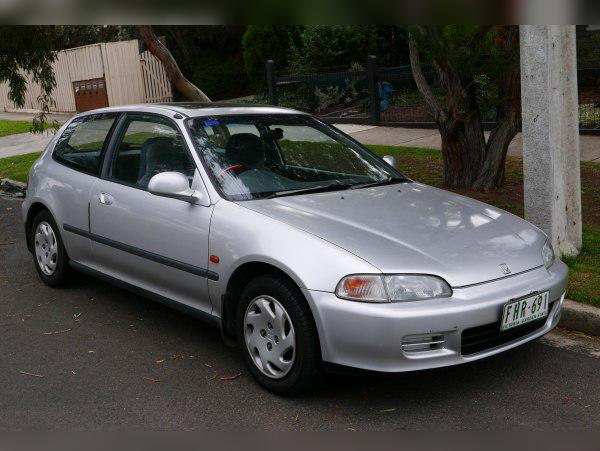
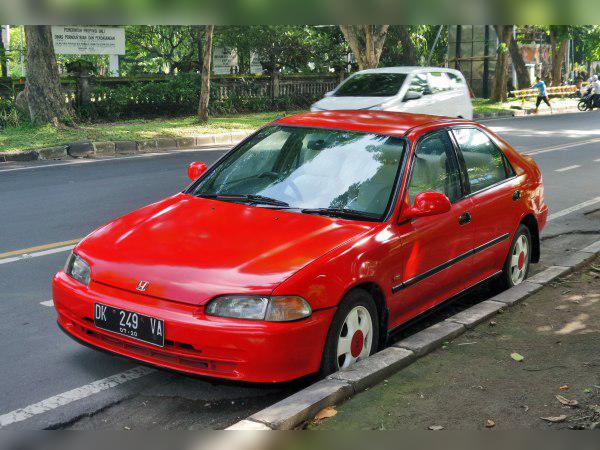
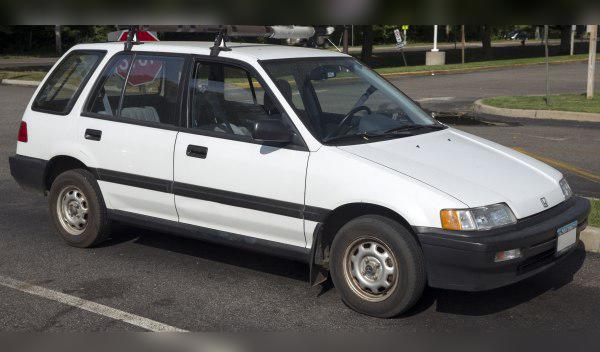
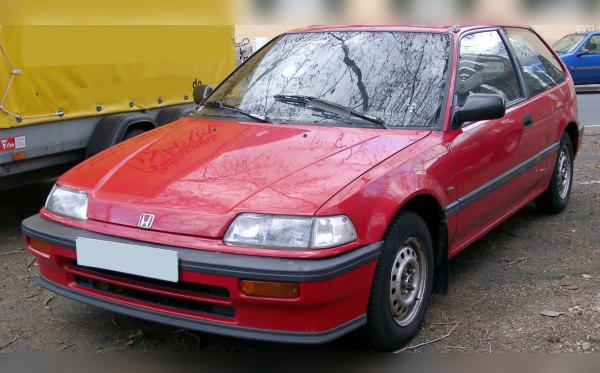
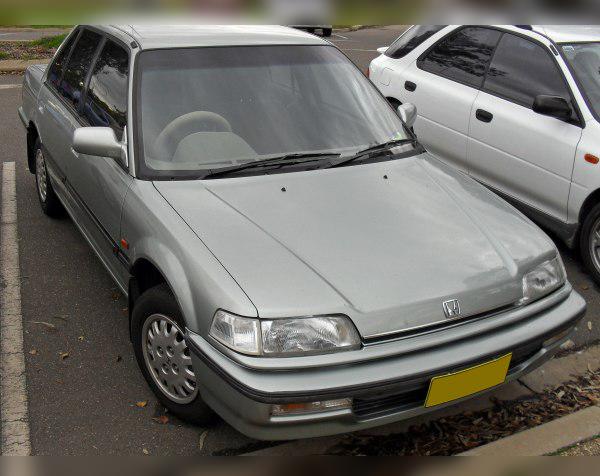
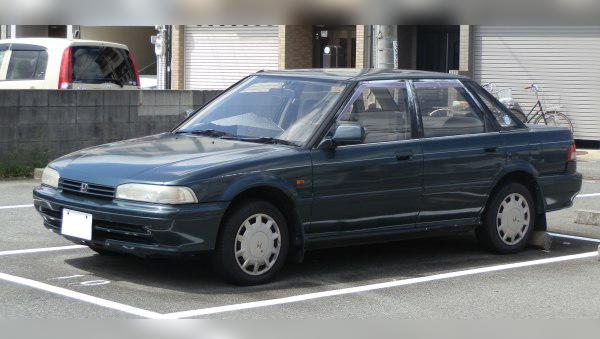
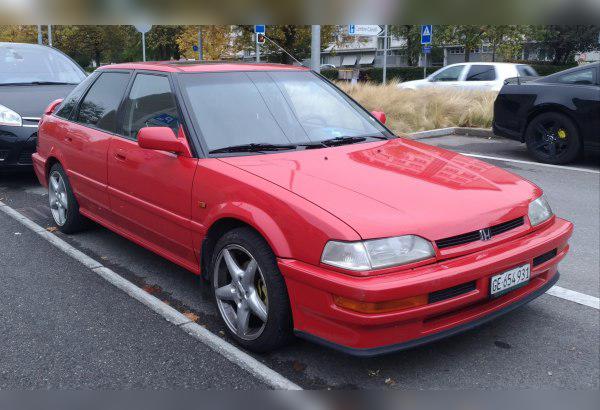
Honda D15B2 1.5i 16V: Experiences, problems, fuel consumption and used car buying tips
Key points in short (TL;DR)
- Durability: This is one of those “indestructible” Honda engines from the golden 90s era. With regular maintenance, it easily goes over 400,000+ km without opening the engine.
- Fuel injection system: It uses DPFI (Dual Point Fuel Injection). This is not a classic full multi-point injection, but a kind of hybrid between a carburetor and modern injection (two injectors).
- Achilles heel: The distributor (module and bearing) and the main fuel pump relay are the most common reasons why the car suddenly dies or won’t start.
- Economy: Extremely low fuel consumption for its age, often below 7 liters in mixed driving.
- Maintenance: Spare parts (aftermarket) are cheap and available, and the mechanics are simple. There are no expensive failures like a dual-mass flywheel or DPF.
- Recommendation: An ideal engine for “old school” Honda fans, beginners, or as a project car.
Contents
- Introduction and applications
- Technical specifications
- Reliability and maintenance
- Specific parts and costs
- Fuel consumption and performance
- Additional options and modifications (LPG & tuning)
- Gearbox and drivetrain
- Buying used and conclusion
Introduction: A 90s legend
The D15B2 engine was at the heart of Honda’s lineup in the late 80s and early 90s. It was installed in iconic models such as the fourth-generation Honda Civic (the popular “Box”) and the fifth generation (“Egg”), as well as in the Concerto. This is one of the engines that built Honda’s reputation as a manufacturer of cars that “don’t break down”.
Although 90 horsepower on paper doesn’t sound like much today, in the light bodies of that era this engine feels surprisingly lively. Its simplicity is its greatest strength, but due to age, potential owners must be prepared for specific issues related to material fatigue.
Technical specifications
| Parameter | Data |
|---|---|
| Engine code | D15B2 |
| Displacement | 1493 cc (1.5 L) |
| Power | 66 kW (90 hp) @ 6000 rpm |
| Torque | 119 Nm @ 4500 rpm |
| Configuration | Inline 4-cylinder, SOHC (single camshaft), 16 valves |
| Fuel injection | DPFI (Dual Point Fuel Injection) – Two injectors on the intake |
| Induction type | Naturally aspirated |
| Camshaft drive | Timing belt |
Reliability and maintenance
Timing belt or chain?
The D15B2 uses a timing belt. This is an interference engine, which means that if the belt snaps, the pistons will hit the valves and cause serious engine damage. Because of the age of these cars, it is recommended to replace the belt, tensioner and water pump immediately after purchase, unless there is solid proof of recent service.
Major and minor service
Major service is recommended every 80,000 to 100,000 km or every 5 years (whichever comes first). Given the age of these cars, rubber components deteriorate faster than the mileage accumulates. Spark plugs (standard copper, NGK or Denso recommended) should be replaced every 20,000 to 30,000 km. They are cheap and crucial for smooth running.
Oil: Capacity and consumption
The sump holds about 3.3 to 3.5 liters of oil (including the filter). The recommended grade is 10W-40 semi-synthetic. These are older engines with larger tolerances and they rarely like modern 5W-30 oil (it can cause leaks).
Oil consumption: D-series Honda engines tend to “sip” some oil if driven at high revs (VTEC zone style – even though this engine has no VTEC, it likes to rev). Consumption of up to 0.5 liters per 1,000 km on engines with over 200,000 km can be considered acceptable, although ideally it shouldn’t burn more than 1–1.5 liters between changes. The most common causes of increased consumption are valve stem seals (they harden with age) or oil control rings.
Most common failures
Although the core mechanics are robust, the peripherals tend to cause problems:
- Distributor: The most common failure. The distributor bearing fails (you can hear squealing) or the electronic module (igniter/coil) dies. The symptom is that the engine cranks but doesn’t start, or it stalls while driving once it gets hot.
- Main relay: A well-known issue with “cold solder joints”. Symptom: when it’s hot outside or the cabin is heated, the engine cranks but won’t start (you don’t hear the fuel pump). Once it cools down, it starts normally.
- Oil leaks: The valve cover gasket and camshaft seal often start leaking.
- Valves: This engine has no hydraulic lifters. Valve clearance must be adjusted manually (usually every 40,000 km). If you hear a “ticking” noise under the hood, it’s time for an adjustment.
Specific parts (costs)
Dual-mass flywheel: The D15B2 does not have a dual-mass flywheel. It uses a classic solid flywheel which is practically lifetime. This significantly reduces clutch replacement costs. The price of a clutch kit is affordable (depends on the market: generally not expensive).
Fuel injection system (injectors): The engine uses a DPFI system with only two injectors located in the throttle body housing (TBI – Throttle Body Injection). One is the main injector, the other is auxiliary. The injectors themselves are very reliable and rarely fail. A more common problem is a dirty throttle body or IACV (idle air control valve), which leads to fluctuating idle speed.
Turbo, DPF, EGR:
- Turbo: None. This is a purely naturally aspirated engine.
- DPF: None (that’s for diesels).
- EGR: Most D15B2 versions for the European market do not have an EGR valve, which is one less thing to worry about. If a specific variant does have it, clogging can cause jerking under load.
- AdBlue: Absolutely non-existent on cars of this age.
Fuel consumption and performance
Real-world fuel consumption
This is one of the brightest points of this engine.
City driving: Expect between 7.5 and 9 liters/100 km, depending on how heavy your right foot is.
Highway / open road: It can go down to an impressive 5.5 to 6.5 liters/100 km.
Is the engine “slow”?
Not at all, as long as you understand what you’re driving. A fifth-generation Honda Civic weighs around 950–1000 kg. For that weight, 90 hp and short gear ratios make the car very lively in the city (0–60 km/h). It’s not a sports car, but it’s far from sluggish. The engine loves to rev and delivers its best performance above 3500 rpm.
Behavior on the motorway
By modern standards, this is not an ideal long-distance cruiser. Due to the short gearbox ratios, at 130 km/h the engine spins at about 3500–3800 rpm (depending on the gearbox). This means more noise in the cabin and the engine working under higher load. It can maintain that speed without any issues, but you should expect slightly higher oil consumption if you drive long stretches at that pace.
Additional options and modifications
LPG (autogas)
Is it suitable? Yes, but with caution. Because of the specific DPFI system (two injectors), installing a modern sequential LPG system is complicated and often not cost-effective, as it requires specific adapters. Most commonly, a classic venturi (mixer) system is installed. It works fine, but can reduce intake airflow (air restriction) and there is a risk of backfires in the intake manifold if the spark plugs and leads are in poor condition. The intake manifold is metal, so backfires usually don’t cause as much damage as they would on plastic manifolds.
Chipping (tuning)
Stage 1 (remap) is pointless on this engine. The DPFI system and old OBD0 ECU do not allow any meaningful gains through software alone.
The only real “tuning” for the D15B2 is a mechanical conversion known as the “MPFI swap”. This involves removing the dual-injector intake manifold and installing a full multi-point intake manifold with 4 injectors from a D15B7 or D16Z6 (along with swapping the distributor and ECU). This modification yields about 10–15 hp, much better throttle response, and opens the door for further tuning.
Gearbox
Manual gearbox (5-speed): Gearbox codes are usually S20 or L3. They are very precise and fun to use.
Failures: The most common issue is the input shaft bearing. Symptom: you hear a grinding or rustling noise while the gearbox is in neutral, and the sound disappears as soon as you press the clutch. If you hear this, the gearbox needs to be opened and the bearing replaced.
Gearbox oil: Honda strictly recommends MTF (Manual Transmission Fluid). Many people pour 10W-40 engine oil (which Honda allowed in the 90s as a temporary solution), but for longevity and easier shifting in winter, genuine Honda MTF is a must. It should be changed every 40,000–60,000 km.
Automatic gearbox (4-speed): A classic hydraulic automatic. Extremely reliable if the oil is changed regularly, but it makes the car noticeably slower and increases fuel consumption by about 1.5–2 liters. It is not a popular choice in Europe.
Buying used and conclusion
When buying a car with a D15B2 engine, focus on the following:
- Bodywork (arches and sills): This is more important than the engine. Engines are easy to repair or replace, but Honda’s notorious rust on the rear arches is expensive to fix properly.
- Cold start: Watch the exhaust. Blue smoke on startup or when you suddenly rev the engine means the valve stem seals or piston rings are worn.
- Idle speed: Once the engine is warm, the revs should not “hunt” up and down (a symptom of a dirty IACV valve or a vacuum leak).
- Temperature: Check that the temperature gauge sits steadily in the middle. Overheating on these engines quickly leads to a warped cylinder head.
Conclusion: The Honda D15B2 is an excellent engine for entering the world of Japanese cars. It offers a great balance between economy and performance for everyday driving. Parts are cheap (depending on the market), and the simple design allows you to do many repairs yourself. If you find a car whose body hasn’t been eaten away by rust, the engine will, with minimal care, serve you reliably for years.
Was this content useful to you?
Your opinion helps us to improve the quality of the content.