K20C1 Engine
- Engine
- 1996 cm3
- Aspiration
- Turbocharger
- Fuel
- Petrol (Gasoline)
- Fuel injection system
- Direct injection
- Power
- 315 hp @ 6500 rpm
- Torque
- 420 Nm
- Cylinders
- 4
- Valves
- 16, 4 per cylinder
- Cylinders position
- Inline
- Max engine speed
- 7000 rpm
- Valvetrain
- DOHC VTEC
- Oil capacity
- 5.4 l
- Coolant
- 4.64 l
# Vehicles powered by this engine
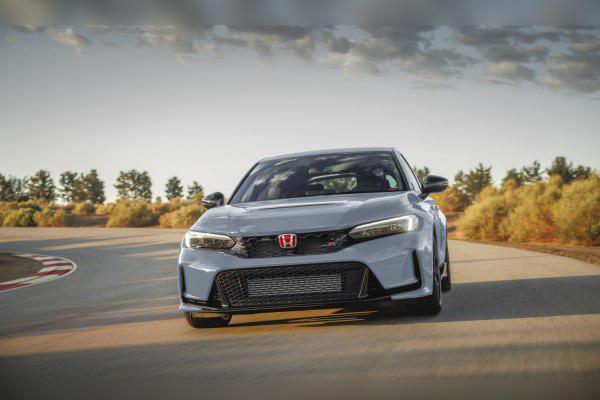
Honda K20C1 (Civic Type R FL5): Experiences, Issues, Fuel Consumption and Buying Tips
Key points in short (TL;DR)
- Engineering pinnacle: The K20C1 in the FL5 generation is one of the best 2.0 turbo engines ever made, with cooling issues solved that plagued its predecessor (FK8).
- Chain-driven: The engine uses a reliable timing chain, but it requires top-quality oil and regular changes.
- No automatic: This engine comes exclusively with a 6-speed manual gearbox. If you want an automatic, this is not the car for you.
- Fuel consumption: Not for those with a “light wallet”. In the city it easily goes over 12–14 liters if driven as intended.
- Direct injection: Prone to carbon buildup on intake valves at higher mileage.
- GPF filter: European models are equipped with a particulate filter (OPF/GPF) that muffles the sound, but does not cause major running issues.
- Conclusion: An extremely robust engine that can take serious track abuse, provided it is maintained meticulously.
Contents
Introduction: The Samurai’s Heart
The Honda K20C1 is not just an engine; it is the heart of the legendary Civic Type R lineup. In its latest iteration (FL5), Honda took the already excellent engine from the previous generation (FK8) and refined it even further. Although it looks similar on paper, changes to the turbocharger, intake, and especially the cooling system make this engine significantly more resistant to heat stress during aggressive driving. This is an engine for enthusiasts who want racing technology in a car that can be driven every day. Its main characteristic is explosive power at high revs, while retaining Honda’s famous reliability, provided that strict maintenance rules are followed.
Technical specifications
| Specification | Data |
|---|---|
| Engine code | K20C1 |
| Displacement | 1996 cc (2.0 L) |
| Configuration | Inline 4-cylinder, DOHC VTEC |
| Power | 232 kW (315 hp) at 6500 rpm |
| Torque | 420 Nm at 2600–4000 rpm |
| Injection system | Direct injection (DI) |
| Induction | Mono-scroll turbocharger (MHI) |
| Cam drive | Chain |
Reliability and Maintenance
Timing system: Chain or belt?
The K20C1 uses a timing chain for valve timing. This is excellent news because Honda’s chain in the K-series engines is extremely durable and generally does not require replacement during the “normal” service life of the vehicle, unless rattling is heard due to stretching (which is rare at low mileage). There is no major service in the sense of replacing belts at a fixed interval, but the condition of the chain tensioner is checked at higher mileage (over 150,000 km).
Most common failures and symptoms
Although the engine is “bulletproof”, it is not immune to certain issues:
- Overheating (Solved on FL5?): The previous generation (FK8) had overheating issues on track. On FL5 models, Honda significantly enlarged the front grille opening and upgraded the radiator, so this problem has been largely eliminated for stock cars. Still, keep an eye on temperatures during extreme driving.
- Oil leaks from the valve cover: Sometimes the valve cover gasket can fail, which manifests as a burnt oil smell in the cabin.
- Oil consumption under hard driving: VTEC Turbo engines can consume oil if constantly driven in the redline. This is not a failure, but a characteristic.
Oil and service intervals
This engine takes approximately 5.4 liters of engine oil (with filter). The recommended grade is 0W-20 (API SN+ or SP) for everyday driving for better economy and faster warm-up. However, if you plan track use or more aggressive driving in hot climates, many experts and enthusiasts switch to 5W-30 or even 5W-40 for better oil film protection at high temperatures.
Oil consumption: Between two services, consumption of up to 0.5–0.8 liters per 10,000 km is considered acceptable for an engine with this level of performance, especially if the turbo is used frequently. Minor service: Although Honda specifies longer intervals, for this type of engine it is recommended to change the oil every 8,000 to 10,000 km or once a year.
Spark plugs and injectors
Since this is a high-performance petrol engine with direct injection, the spark plugs are of the Iridium type (e.g. NGK Laser Iridium). The factory interval is long (often around 100,000 km), but for optimal performance and to protect the coils, it is recommended to replace them at 60,000 km. If the car is “chipped”, the interval should be halved.
Specific Parts and Costs
Dual-mass flywheel
Yes, this engine combined with the manual gearbox uses a dual-mass flywheel (DMF). It is there to reduce vibrations and make everyday driving more pleasant, but it is specifically designed to be lighter than standard so that the engine responds faster to throttle inputs (rev-matching). The price of replacing the clutch and flywheel set is high (depends on the market), as these are specific parts for the Type R.
Turbocharger and Injection
The engine uses a single MHI (Mitsubishi Heavy Industries) TD04 turbocharger with an electronic wastegate. These turbochargers have proven to be very reliable. Their service life is usually equal to the life of the engine with proper cooldown after driving (do not switch the engine off immediately after “spirited” driving). The injection system is direct. Injectors are generally reliable, but direct injection means that fuel does not wash the intake valves, so carbon buildup on the valves is inevitable after 100,000+ km. Symptoms are rough idle and a slight loss of power. The solution is mechanical cleaning (walnut shell “blasting”).
Emissions: GPF and catalytic converter
Models for the European market (FL5) are equipped with a GPF (Gasoline Particulate Filter), which is the petrol equivalent of a DPF. It rarely clogs because exhaust gas temperatures on petrol engines are higher, but it does mute the engine sound. There is no AdBlue system (that is only for diesels). EGR function is often handled by variable valve timing, so typical EGR issues are not common.
Fuel Consumption and Performance
Real-world fuel consumption
Forget the factory figures. This is a 315 hp car.
- City driving: Expect between 11 and 14 l/100 km. In heavy traffic it can go even higher.
- Country roads: It is possible to get it down to 7.5–8.5 l/100 km with careful driving.
- Motorway (130 km/h): Consumption is around 8.5–9.5 l/100 km. At this speed in 6th gear, the engine spins at about 2,800–3,000 rpm, which is comfortable, but not quiet due to the sporty exhaust and limited sound insulation.
Is the engine “lazy”?
Absolutely not. With 420 Nm of torque available from just 2,600 rpm, the K20C1 pulls brutally in any gear. Turbo lag is minimal, and throttle response is among the best in the turbo engine class. The Civic’s body is not too heavy for this power, so in-gear acceleration is impressive.
Additional Options and Modifications
Should you install LPG?
Not recommended. Although it is technically possible to install a liquid direct-injection LPG system, it is extremely expensive (very expensive, depending on the market) and risky for an engine with this level of performance. Thermal loads on LPG are higher, and the sensitive injectors and turbo system are not designed for it. This is a car for enjoyment, not for saving on fuel costs.
Chip tuning (Stage 1)
The K20C1 is a favorite among tuners. The factory forged internals can withstand a lot of power. Stage 1 (software only) safely raises power to about 340–360 hp and torque close to 500 Nm. However, keep in mind that higher torque shortens the lifespan of the clutch and flywheel. Hondata and KTuner are the best-known platforms for this engine.
Gearbox: Manual Only
Type of gearbox
The K20C1 in the FL5 model comes exclusively with a 6-speed manual gearbox with an LSD differential (limited-slip). There is no automatic option. The gearbox is known for its precision and short throws – one of the best on the market.
Gearbox issues
The most well-known issue inherited from its predecessor is the so-called “grinding” when shifting into second gear (1st to 2nd at high revs). Although Honda revised the gearbox for the FL5, aggressive gear changes while the oil is still cold can damage the synchros. Also, the automatic rev-matching system works perfectly, protecting the clutch disc and synchros when downshifting.
Gearbox maintenance
The gearbox oil (Honda MTF) should be changed more often than on regular cars. The recommendation is every 40,000 km or every two years. If you drive on track, change the gearbox oil after every few track sessions. The cost of the oil is negligible compared to a gearbox repair.
Buying Used and Conclusion
What to check before buying?
- Service history: Has the oil been changed on time?
- Over-rev data: Using diagnostics, check whether the engine has been in an “over-rev” condition (excessive rpm due to an incorrect downshift). This can permanently damage the valves.
- Clutch condition: Does the clutch slip in higher gears under full throttle?
- Gearbox: Check whether it shifts smoothly into second and third gear at higher revs.
- Brakes and tyres: These are consumables that are very expensive (depends on the market) for this model.
Conclusion
The K20C1 engine in the Honda Civic Type R (FL5) is an engineering masterpiece. It offers the performance of a supercar from 15 years ago in a hatchback package. Reliability is at a very high level, far above most European rivals, but it requires an owner who understands mechanics and does not skimp on maintenance.
Who is it for? Drivers who enjoy the very act of driving, those who visit track days, and people who want a sports car that will start and run every day without “check engine” lights, provided they treat it with respect when cold and service it regularly.
Was this content useful to you?
Your opinion helps us to improve the quality of the content.