K20C1 Engine
- Engine
- 1996 cm3
- Aspiration
- Turbocharger, Intercooler
- Fuel
- Petrol (Gasoline)
- Fuel injection system
- Direct injection
- Power
- 310 hp @ 6500 rpm
- Torque
- 400 Nm
- Cylinders
- 4
- Valves
- 16, 4 per cylinder
- Cylinders position
- Inline
- Oil capacity
- 5.4 l
- Coolant
- 6.52 l
# Vehicles powered by this engine
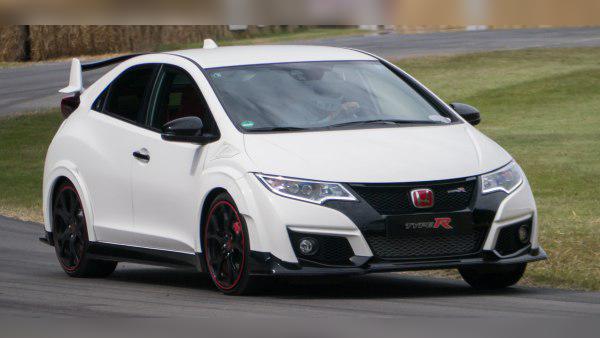
Honda K20C1 (Civic Type R FK2): Experiences, Problems, Fuel Consumption and Buying Used
Key points (TL;DR)
- Performance: Brutal response thanks to the turbo, eliminates the lack of torque of old VTEC engines.
- Timing drive: Uses a chain which is very reliable and does not require frequent replacement.
- Gearbox: 6-speed manual only. Known issue with grinding when shifting from 1st to 2nd gear or 3rd to 4th.
- Cooling: The FK2 generation has heat soak / overheating issues during aggressive track driving.
- Dual mass flywheel: Yes, it has one and replacement is not cheap (depends on the market).
- Fuel consumption: Moderate on the highway, but in the city and at full throttle it “drinks” fuel.
- Recommendation: One of the most reliable high‑performance turbo engines, provided the oil has been changed regularly.
Contents
Introduction: The First Turbo Type R
The engine we’re talking about today, the K20C1, represents a turning point in Honda’s history. Installed primarily in the Honda Civic Type R (FK2), this is the engine that broke the tradition of naturally aspirated “screamers” and introduced a turbocharger into the world of the red “H” badge.
For purists, this was a shock, but for those seeking real‑world performance, it was a necessary step. With 310 horsepower from 2.0 liters of displacement, this powerplant offers serious power, yet keeps that recognizable VTEC character at high revs, while the turbo “flattens” the torque curve in the lower range. Although it later found its way into the FK8 and FL5 models (with modifications), the FK2 remains a “raw” machine that demands respect.
Technical Specifications
| Parameter | Value |
|---|---|
| Engine code | K20C1 |
| Displacement | 1996 cc (2.0 L) |
| Power | 228 kW (310 hp) @ 6500 rpm |
| Torque | 400 Nm @ 2500–4500 rpm |
| Number of cylinders / valves | 4 / 16 (DOHC VTEC) |
| Injection type | Direct injection |
| Charging system | Mono-scroll turbocharger (MHI TD04) + intercooler |
| Timing drive | Chain |
Reliability and Maintenance
Timing system: Chain or belt?
The K20C1 engine uses a timing chain to drive the camshafts. Honda chains on K‑series engines are generally extremely reliable and are designed to last the lifetime of the engine, provided the oil is changed regularly. There is no need for preventive replacement at a fixed mileage as with a belt, but you should listen to the engine on a “cold start” – rattling can indicate a stretched chain or a tensioner issue, although this is rare on this engine before 200,000 km.
Most common failures and symptoms
Although the engine is mechanically robust (a “bulletproof” bottom end), there are some specific issues:
- Overheating: The FK2 has a very closed‑off front grille. During aggressive track driving or in very high ambient temperatures, the engine can go into limp mode for self‑protection. This is not a failure, but rather a design flaw in the cooling system.
- Valve cover gasket leaks: Relatively benign, but it does happen. You’ll notice the smell of burning oil.
- Wastegate actuator: The electronic actuator on the turbo can sometimes cause issues, resulting in power loss or the “Check Engine” light coming on.
Service intervals and oil
A minor service is done every 10,000 km or once a year (whichever comes first). For more aggressive driving, it’s advisable to shorten this to 5,000–7,000 km.
Oil quantity and grade: The engine takes about 5.4 liters of oil with the filter. The factory recommendation is often 0W-20 (for fuel economy and cold starts), but most experienced owners and tuners, for European climates and spirited driving, strongly recommend switching to a high‑quality fully synthetic 5W-30 or even 5W-40 (e.g. Motul 300V or similar) to ensure better lubrication at high turbo temperatures.
Oil consumption
The K20C1 is not known as a notorious oil burner like some older VTEC engines. Still, due to the presence of a turbo and high operating temperatures, consumption of around 0.5 liters per 5,000 km is considered acceptable, especially if you often drive in the VTEC zone. If it uses more than 1L per 2–3 thousand kilometers, check the turbo and the PCV valve.
Spark plugs
The spark plugs are iridium (NGK Laser Iridium is the standard). The factory interval is often 100,000 km, but for an engine like this that’s too long. In reality, replace them every 40,000 to 60,000 km. If the car is tuned, cut that interval in half.
Specific Parts (Costs)
Dual mass flywheel and clutch
Yes, this engine comes paired with a dual mass flywheel (DMF). Due to the high torque (400 Nm), the DMF is under significant stress. Symptoms of failure include knocking when switching the engine off or vibrations at idle. Replacing the clutch and flywheel set is expensive (depends on the market, but expect a serious bill).
Fuel injection system
The engine uses direct injection (GDI). The injectors are generally reliable and rarely fail. However, the main side effect of direct injection is carbon buildup on the intake valves, as they are no longer washed by fuel like on older port‑injected engines. It’s recommended to do walnut blasting of the intake valves every 80–100k km so the engine can breathe freely.
Turbocharger
The engine uses a single Mitsubishi Heavy Industries (MHI) TD04 mono‑scroll turbocharger. The turbo is very durable and capable of handling more power than stock. Its lifespan is long with regular oil changes and, crucially, letting the engine idle to cool down after hard driving.
Emissions equipment (EGR, DPF, GPF)
Being a petrol engine, it does not have a DPF (that’s for diesels) and does not use AdBlue. As for the GPF (Gasoline Particulate Filter): the FK2 (2015–2017) generally does not have a GPF, which is a big advantage for exhaust sound and flow. It does have a catalytic converter and an EGR system, which rarely cause issues unless the car is driven exclusively in “grandpa mode” in city traffic.
Fuel Consumption and Performance
Real‑world fuel consumption
Don’t trust the factory figures. This is a 310 hp car.
- City driving: Expect between 10 and 13 l/100 km. In heavy stop‑and‑go traffic it can go up to 15 liters.
- Country roads: It’s possible to get it down to 6.5–7.5 l/100 km with careful driving.
- Motorway (130 km/h): Consumption is around 8–9 l/100 km.
Is the engine “lazy”?
Absolutely not. With 400 Nm available from just 2500 rpm, it feels like being launched from a slingshot. There’s no longer any need to rev it out to 8000 rpm to make the car pull, as with the old Type R models. The FK2 body is not too heavy for this engine; the power‑to‑weight ratio is fantastic.
Behaviour on the motorway
At 130 km/h in 6th gear, the engine spins at around 2800–3000 rpm. This is relatively high by modern standards (due to short gearing for better in‑gear acceleration), so cabin noise can be a bit more pronounced, but overtaking power is available instantly without the need to downshift.
Additional Options and Modifications
LPG conversion
Not recommended. Although it is technically possible to install a liquid direct‑injection LPG system, it is extremely expensive (depends on the market, but often over 1000 EUR) and complicated. This is a high‑performance engine where combustion temperatures are critical. You risk damaging the high‑pressure injectors and valves. If saving on fuel is a priority, a Type R is not the car for you.
Chiptuning (Stage 1)
The K20C1 is a tuning “beast”. The stock intercooler is the main bottleneck. A Stage 1 remap (software only) safely raises power to 340–350 hp and torque to 480–500 Nm. The engine can handle this without issues, but it’s recommended to upgrade to a larger aftermarket intercooler, as the stock unit can’t cool the intake air sufficiently even on the factory map during summer. The clutch may start to slip if you go overboard with low‑rpm torque.
Gearbox
Gearbox type
In the FK2, the K20C1 comes with a 6‑speed manual gearbox only, paired with a limited‑slip differential (LSD). There is no automatic option.
Most common gearbox issues
This is a weak point of the FK2. There are frequent reports of:
- Grinding: Most often during fast shifts from 1st to 2nd gear, and less often from 3rd to 4th. The cause is worn synchros.
- Difficulty engaging gear (lockout): Sometimes the gearbox refuses to go into 4th gear at high rpm.
The solution often lies in changing the gearbox oil (switching to Honda MTF-3 or a high‑quality aftermarket fluid such as Amsoil Synchromesh) and adjusting the clutch pedal.
Gearbox maintenance
Gearbox oil should be changed every 40,000 km or every 2 years. If you drive on track days, change it after every 2–3 track sessions. The gearbox takes about 2.2 liters of oil.
Buying Used and Conclusion
When buying a used FK2 Type R with this engine, make sure to check:
- Gearbox: Try fast gear changes at high rpm (once the oil is warm). If it grinds, walk away or negotiate the price down to cover a gearbox rebuild.
- Signs of accidents: These are fast cars that drivers often overestimate. Check panel gaps and the condition of the chassis rails.
- Service history: Oil must have been changed on time. Turbo engines do not forgive neglect.
- Compression: If the car has been heavily modified, a compression test is a must.
Conclusion: The Honda K20C1 is a masterpiece of engineering. It successfully combines the reliability Honda is known for with modern demands for turbo power. Although it has a few minor flaws (cooling, gearbox synchros), it’s an engine that offers an incredible amount of fun. It is intended for enthusiasts who understand what “warm up and cool down” procedures mean and who are prepared to pay for quality fuel and tyres. For the average driver who just wants transport from point A to point B, this car is too stiff, too loud and far too aggressive a choice.
Was this content useful to you?
Your opinion helps us to improve the quality of the content.