K20A Engine
- Engine
- 1998 cm3
- Aspiration
- Naturally aspirated engine
- Fuel
- Petrol (Gasoline)
- Fuel injection system
- Multi-port manifold injection
- Power
- 225 hp @ 8000 rpm
- Torque
- 215 Nm @ 6100 rpm
- Cylinders
- 4
- Valves
- 16, 4 per cylinder
- Cylinders position
- Inline
- Valvetrain
- DOHC, i-VTEC
- Oil capacity
- 4.5 l
- Coolant
- 4.5 l
# Vehicles powered by this engine
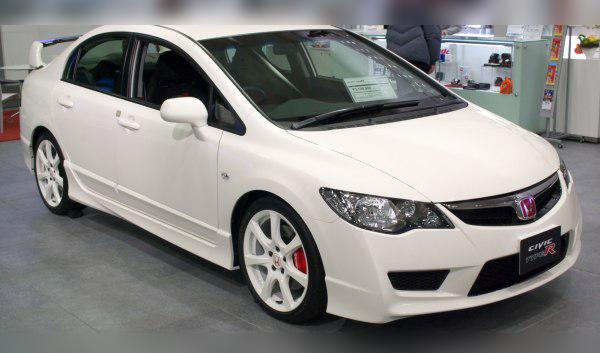
Honda K20A (FD2 Type R) 2.0 i-VTEC: Experiences, Issues, Fuel Consumption and Maintenance
Key points in short (TL;DR)
- Performance: This is one of the best naturally aspirated engines ever made. It needs high revs (up to 8400+ rpm) to show its full power.
- Reliability: Mechanically extremely robust (“bulletproof”) if regularly maintained and not driven hard while cold.
- Maintenance: It has a timing chain. It requires high-quality synthetic oil and regular level checks (VTEC uses oil). Valve adjustment is mandatory every 40,000 km.
- Fuel consumption: Not a low-consumption engine. In the city expect double-digit numbers, and on the highway high revs.
- Gearbox: Comes exclusively with an excellent 6-speed manual gearbox and LSD differential lock. Synchros can be a weak point.
- Fuel: Requires high-octane petrol (98 or 100 RON) due to high compression.
Contents
- Introduction: A legend of engineering
- Technical specifications
- Reliability and Maintenance
- Specific Parts and Costs
- Fuel Consumption and Performance
- Additional Options and Modifications
- Gearbox and Drivetrain
- Buying Used and Conclusion
Introduction: A legend of engineering
The Honda K20A in Civic Type R (FD2) specification is the holy grail for naturally aspirated engine enthusiasts. Unlike the European version (FN2, which used the slightly weaker K20Z4), this Japanese (JDM) unit is “tuned” to the factory’s limits. With 225 horsepower from just 2 liters of displacement, without a turbo, this is an engine you drive by sound and feel.
It was installed in the sedan version of the Type R (FD2 chassis), which is stiffer and more focused than the European hatchback. If you’re considering this engine, you’re not looking for a comfortable cruiser, but a race car that’s street legal. Its philosophy is simple: high compression, high revs and the legendary VTEC sound.
Technical specifications
| Parameter | Data |
|---|---|
| Engine displacement | 1998 cc (2.0 L) |
| Power | 165 kW (225 hp) @ 8000 rpm |
| Torque | 215 Nm @ 6100 rpm |
| Engine code | K20A (FD2 Spec) |
| Injection type | Multi-point (Indirect injection) |
| Induction | Naturally aspirated |
| Compression ratio | 11.7:1 |
Reliability and Maintenance
Does this engine have a timing belt or chain?
The K20A engine uses a timing chain. Honda chains on the K-series are generally very reliable and are designed to last as long as the engine. However, “lifetime” is a relative term. At mileages over 200,000 km, or if the engine has been run with low oil level, the chain can stretch. The symptom is rattling from the passenger side (where the chain is located) on cold start, or an error from the camshaft/crankshaft position sensor.
What are the most common issues with this engine?
Although this is one of the most reliable high-performance engines, there are some specific issues:
- VTC actuator (variable cam gear): You often hear a short “rattle” or clatter on the first cold start. This is a sign that the locking mechanism of the VTC gear is wearing out. It’s not catastrophic right away, but it does require replacement.
- Oil consumption in VTEC mode: Valve stem seals and piston rings can wear out if the car has been driven mercilessly, which leads to blue smoke at high revs.
- IACV valve (Idle air control): It can get clogged with carbon deposits, causing unstable idle (hunting revs). Cleaning usually solves the problem.
- Oil leaks: Most commonly from the VTEC solenoid (gasket) or from the crankshaft seal on older examples.
At what mileage is the “major service” done?
The classic “major service” like on belt-driven engines doesn’t exist here. However, the chain and chain tensioner should be thoroughly inspected every 200,000 km or earlier if you hear noises. The water pump is replaced as needed (it’s driven by the auxiliary belt), usually around 150,000 km. Key maintenance: Checking and adjusting valve clearances is MANDATORY every 40,000 km. This is a mechanical engine without hydraulic lifters.
How many liters of oil does this engine take and which grade is recommended?
The sump holds about 4.5 to 5.0 liters of oil (depending on whether you change the filter). The recommended grade for the FD2 Type R is 5W-40 or 5W-30. Due to the nature of driving, only high-quality fully synthetic oil is recommended (an ester base is preferable). The change interval should be shortened to 5,000–8,000 km; never wait 15,000 km if you drive it sportily.
Does it consume oil between services?
Yes. This is a high-revving machine. Honda tolerates oil consumption, and in practice, if you often enter the VTEC zone (above 5800 rpm), consumption of 0.3 to 0.6 liters per 1,000 km is neither unusual nor alarming. If you drive gently, consumption should be minimal. Rule number 1: Check the oil level every second time you fill up with fuel.
At what mileage are the spark plugs replaced?
Iridium spark plugs are used (NGK Laser Iridium is the standard). The factory interval is around 100,000 km, but for peace of mind and optimal performance, I recommend replacing them at 60,000 km.
Specific Parts (Costs)
Does the engine have a dual-mass flywheel?
Not in the classic sense like on diesels, where this represents a huge potential expense. The FD2 Type R uses a lighter, single-mass or simplified flywheel adapted for high revs to provide a quicker throttle response. This means less worry and cheaper maintenance of this assembly compared to modern diesels.
What kind of fuel injection system does it have and are the injectors problematic?
It uses classic indirect port fuel injection. This is great news for a used car, because the intake valves don’t get dirty (the fuel washes them), and the injectors themselves are extremely durable and inexpensive to service or replace. There are no expensive high-pressure pumps.
Does this engine have a turbocharger?
No. The K20A is a naturally aspirated engine. No turbo, no intercooler, no boost hoses that can burst under pressure. This drastically reduces potential repair costs.
Does this model have a DPF filter or EGR valve?
It has no DPF (because it’s petrol) and no GPF (because it’s from an older generation). It has a PCV system (positive crankcase ventilation) that needs to be kept clean. EGR functionality is often achieved by valve overlap (via the VVT system), so there is no classic EGR valve that clogs with soot like on diesels.
Fuel Consumption and Performance
What is the real fuel consumption in city driving?
Don’t expect miracles. In heavy city traffic, this car uses between 11 and 14 liters per 100 km. The short gear ratios and the need to keep the engine “spinning” for dynamic driving affect consumption.
Is this engine “lazy” for the weight of the body?
It depends what you’ve driven before. With 215 Nm of torque available only at 6100 rpm, the engine feels “dead” below 3000 rpm compared to modern turbo diesels. However, Honda solved this with a short-ratio gearbox. The car is not lazy, but it does require you to work the gearbox. Once it passes 5800 rpm and the aggressive cam profile (VTEC) kicks in, the engine changes character and becomes a real beast.
What is the engine like on the highway?
This is not the ideal habitat for the FD2. At 130 km/h in 6th gear, the engine spins at a fairly high 3800–4000 rpm. This means it’s noisy in the cabin and fuel consumption is around 8.5–9.5 l/100 km. The car begs to be driven faster, but engine and wind noise can be tiring on long journeys.
Additional Options and Modifications
Is this engine suitable for LPG (autogas) conversion?
Technically it’s possible, but it’s heresy on a Type R model, especially on the rare FD2. The cylinder head and valves on Hondas are sensitive to high combustion temperatures of LPG at high revs. If you still decide to do it, you’ll need a top-quality system with additional valve lubrication and, most importantly, the car must not be driven in VTEC mode on gas. My advice: Do not install LPG on a K20A Type R.
How much can this engine be safely “chipped” (Stage 1)?
On naturally aspirated engines, “chipping” doesn’t bring a big power gain (maybe 10–15 hp). However, remapping (reflash) using tools like Hondata FlashPro is extremely popular. The goal is not just peak power, but lowering the VTEC engagement point (e.g. from 5800 to 4500 rpm) and smoothing the torque curve. This makes the car much more drivable in the “mid-range” revs. The engine can handle serious modifications up to around 300 hp (with cams, intake, exhaust), but that’s already an expensive hobby.
Gearbox
Which gearboxes are fitted?
With the K20A in the FD2 Type R you get exclusively a 6-speed manual gearbox with short throws. It comes with a factory helical LSD (limited-slip differential), which dramatically improves cornering grip and traction.
Most common gearbox issues?
Honda gearboxes are excellent, but they have a weak point: the 2nd and 3rd gear synchros. If you feel grinding when quickly shifting from first to second or third at high revs, the synchros are worn. Also, the clutch master/slave cylinder can squeak or leak, which shows up as a clutch that bites very low or gears that are hard to engage.
Clutch replacement cost?
The clutch is a wear item. A clutch kit (pressure plate, disc, release bearing) is moderately priced (mid-range cost, depending on the market), but labor can be more expensive. OEM (Exedy) kits are recommended.
Gearbox service?
The gearbox oil should be changed every 40,000 km or more often if the car is used on track. This gearbox requires only Honda MTF-3 oil. Capacity is about 1.5–1.7 liters. Do not experiment with other oils, as the LSD and synchros don’t like that.
Buying Used and Conclusion
Before buying an FD2 Type R with the K20A engine, pay attention to the following:
- Cold start: Listen to the chain and VTC gear (rattling during the first 2 seconds).
- VTEC test: When the engine is warm, on a full-throttle run check whether VTEC engages exactly where it should and whether the car pulls strongly to the redline without hesitation.
- Exhaust smoke: Blue smoke when shifting at high revs = engine ready for a refresh (rings/seals).
- Gearbox: Be sure to test fast shifts into second and third gear at high revs. There should be no grinding.
Conclusion: The Honda K20A (FD2) is a masterpiece. It’s not the most economical, it’s not the quietest, but it delivers a driving experience that modern turbo engines simply can’t replicate. Reliability is top-notch if you’re willing to check the oil regularly and not skimp on maintenance. It’s intended for true enthusiasts who know what it means to have an “R” badge on the hood.
Was this content useful to you?
Your opinion helps us to improve the quality of the content.