K20A2 Engine
- Engine
- 1998 cm3
- Aspiration
- Naturally aspirated engine
- Fuel
- Petrol (Gasoline)
- Fuel injection system
- Multi-port manifold injection
- Power
- 200 hp @ 7400 rpm
- Torque
- 193 Nm @ 6000 rpm
- Cylinders
- 4
- Valves
- 16, 4 per cylinder
- Cylinders position
- Inline
- Valvetrain
- DOHC i-VTEC
- Oil capacity
- 4.7 l
- Coolant
- 6.4 l
# Vehicles powered by this engine
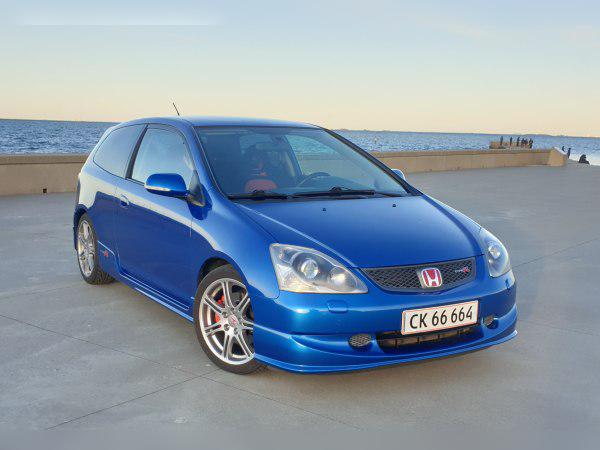
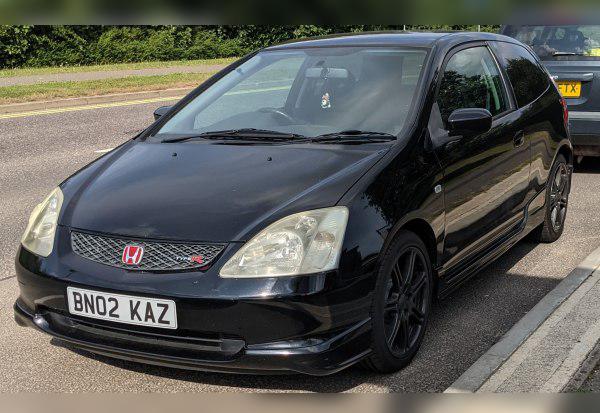
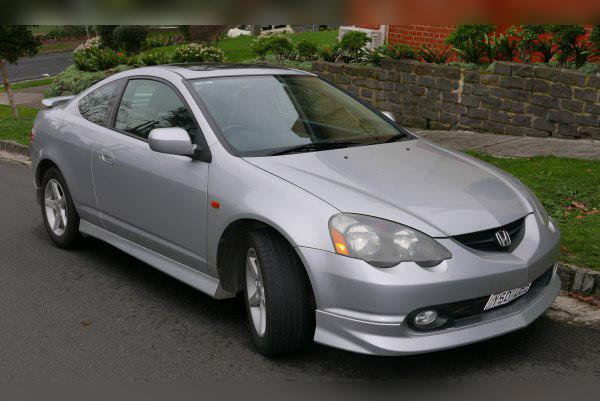
Honda K20A2 (2.0 i-VTEC) – Experiences, problems, fuel consumption and used-buying tips
Key points in short (TL;DR)
- Legendary status: The K20A2 is considered one of the best naturally aspirated four-cylinder engines ever made, known for its incredible throttle response and sound.
- VTEC character: The engine has “two faces” – tame below 5,800 rpm, and brutal all the way to the 8,000+ rpm redline.
- Chain-driven timing: It uses a timing chain which is generally reliable, but needs to be checked at higher mileages.
- Oil consumption: These engines naturally consume oil when driven in the VTEC zone. Regular level checks are a matter of life and death for this engine.
- Gearbox as a weak point: Although precise, the manual gearbox often suffers from worn second- and third-gear synchros.
- Not for LPG: While technically possible, fitting LPG to Type R models is considered “sacrilege” and can be risky due to the high revs.
- Maintenance: Requires strict valve adjustment every 40,000 km.
Contents
- Introduction and Models
- Technical Specifications
- Reliability and Maintenance
- Specific Parts and Systems
- Fuel Consumption and Performance
- Additional Options and Modifications
- Gearbox and Drivetrain
- Buying Used and Conclusion
Introduction and Models
The Honda K20A2 needs no special introduction for Japanese car enthusiasts. This is the heart of the famous “breadvan” Civic Type R (EP3) and the European version of the Integra Type R (sold in some regions as the Acura RSX Type-S). Unlike the previous B-series engines, the K-series introduced i-VTEC technology, which combines variable valve timing with variable valve lift.
The result is an engine that is surprisingly usable in city traffic, yet turns into a race machine on open roads. Its ability to rev beyond 8,000 rpm with linear power delivery makes it one of the most exciting engines to drive. It was primarily installed in models produced between 2001 and 2006.
Technical Specifications
| Specification | Data |
|---|---|
| Engine displacement | 1998 cc (2.0 L) |
| Power | 147 kW (200 hp) at 7,400 rpm |
| Torque | 193 Nm at 5,900 rpm |
| Engine code | K20A2 |
| Injection type | Multi-point (indirect injection) |
| Aspiration | Naturally aspirated |
| Compression ratio | 11.0:1 |
| Camshaft drive | Chain |
Reliability and Maintenance
When we talk about the K20A2 engine, we’re talking about top-tier engineering, but that doesn’t mean it’s indestructible, especially considering how these cars are usually driven.
Timing system: Chain
This engine uses a timing chain instead of a belt. In theory, the chain is designed to last the life of the engine. In practice, however, it can stretch, especially if the engine has often been run with low oil level or if the oil hasn’t been changed regularly. Symptoms of a stretched chain include rattling on cold start and cam/crank sensor errors (Check Engine light). The chain tensioner is also a component that is replaced preventively at higher mileages (over 150,000–200,000 km).
Oil: The lifeblood of the VTEC system
Oil is a critical topic. This engine takes about 4.7 to 5 liters of oil (with filter). The most commonly recommended grade is 5W-40 or 5W-30 (fully synthetic).
Does it consume oil? Yes. That’s a characteristic of high-revving Honda engines. Consumption of 0.5 to 1 liter over a few thousand kilometers can be normal if you frequently use the VTEC zone. If you drive gently, consumption should be minimal. However, the VTEC system operates on oil pressure – if the level drops below minimum, not only will VTEC stop working, but you also risk catastrophic damage to the crankshaft bearings.
Service intervals and spark plugs
A minor service is recommended every 10,000 km, or even more often (7–8,000 km) if the car is driven aggressively. There is no fixed mileage for a “major service” like with timing belts; instead, it comes down to checking the chain, and replacing the water pump and accessory belt as needed.
Spark plugs are iridium (NGK or Denso are a must) and are usually replaced every 80,000 to 100,000 km, although enthusiasts often do it earlier for optimal performance.
Important note: On K20 engines, valve adjustment is mandatory every 40,000 km. This is not an engine with hydraulic lifters. Neglected valves can lead to poor running, loss of power and burnt valves.
Most common failures
Besides the aforementioned chain, a common issue is the VTC actuator (intake cam gear), which can “rattle” for a second or two on cold start. This is annoying but not immediately fatal. The VTEC solenoid can also start leaking at the gasket. Engine mounts (especially the front and rear) are under heavy stress and often crack.
Specific Parts (Costs)
Maintaining a Honda is not a nightmare, but specific Type R parts can be more expensive (depending on the market).
- Dual-mass flywheel: Fortunately, the K20A2 in the EP3 and Integra does not have a dual-mass flywheel. It uses a conventional solid flywheel, which makes clutch kit replacement cheaper.
- Fuel injection system: It uses conventional petrol injectors (port injection). They are extremely reliable and rarely cause problems. There is no high-pressure pump like on modern direct-injection engines.
- Turbo: This engine is naturally aspirated, with no turbocharger. That means zero costs for turbo, intercooler and associated hoses. Power comes solely from revs and the efficiency of the cylinder head.
- DPF, EGR, AdBlue: As an early-2000s petrol engine, it has no DPF filter or AdBlue system. It does have an EGR valve in some markets, but it rarely clogs due to the high exhaust gas temperatures during spirited driving. There is a catalytic converter, which can fail if the engine burns too much oil.
Fuel Consumption and Performance
Buying a Type R and then obsessing over fuel consumption is not recommended, but here’s the reality.
- City driving: Expect consumption between 11 and 13 l/100 km. In heavy traffic and with a “heavy right foot”, this easily goes over 15 liters.
- Open road: It can drop to 7.5–8.5 l/100 km if you stick to speed limits.
- Motorway: Due to the short-ratio gearbox (6 speeds), at 130 km/h the engine spins at around 4,000 rpm (depending on tyre size and final drive). That means it’s noisy and uses about 9–10 liters at that speed.
Is the engine “lazy”? Up to 5,800 rpm (where the “angry” VTEC cam profile kicks in), the engine behaves like an ordinary 2.0 petrol. It’s not slow, but it doesn’t have that shove in the back like turbo diesels with 350+ Nm. You have to rev it. For the body weight (around 1,200 kg for the EP3), the engine is perfectly adequate, but the real fun only starts in the higher rev range. That’s not a flaw, it’s a defining characteristic.
Additional Options and Modifications
LPG – Yes or No?
Technically, it is possible to install a sequential LPG system. However, the honest recommendation is NO. Honda cylinder heads, especially on VTEC models, have sensitive valve seats that do not tolerate the high combustion temperatures of LPG at high revs. If you absolutely must, a valve lubrication system is mandatory and you should avoid driving in the VTEC zone on LPG. But that defeats the whole purpose of this car.
Remapping (Stage 1)
On naturally aspirated engines, a “chip tune” doesn’t bring dramatic gains like on turbo engines. A Stage 1 map (usually done via ECU reflash or by installing Hondata K-Pro electronics) can add 10–15 hp, but more importantly, it can lower the VTEC engagement point (e.g. from 5,800 to 5,000 rpm) and improve mid-range response. For serious power (230+ hp), mechanical upgrades are needed: intake, 4-2-1 exhaust manifold and camshafts.
Gearbox
The K20A2 is always paired with a 6-speed manual gearbox. Automatic gearboxes were only fitted to lower-spec (non-Type R) versions or certain Acura models for the US market (which had different engine codes, e.g. K20A3).
Gearbox issues
The gearbox is precise, with short throws, but it has its weaknesses.
- Synchros: The most common problem is grinding when shifting into second gear or popping out of third gear. This is the result of worn synchros due to fast, aggressive driving. Repair requires opening the gearbox.
- Gearbox oil: It is extremely important to use genuine Honda MTF-3 oil. Replacement is recommended every 40,000 to 60,000 km. Experimenting with other oils often makes synchro operation worse.
- Clutch: The clutch kit (pressure plate, disc, release bearing) is a wear item. Replacement cost is moderate (not as expensive as on diesels with dual-mass flywheels), but depends on brand (Exedy is a common OEM recommendation).
Buying Used and Conclusion
When buying a Honda with the K20A2 engine, pay attention to the following:
- Cold start: Listen for a “krrr” sound in the first 2 seconds (VTC actuator) or constant rattling (chain).
- Exhaust smoke: Have someone drive behind you while you rev the car out to the redline. Bluish smoke in the VTEC zone (above 6,000 rpm) indicates worn piston rings or valve stem seals. A bit of black smoke is acceptable (rich mixture), but blue is not.
- Gearbox: Try a fast shift from first to second at high revs. If it grinds, the synchro is done.
- Idle speed: If it fluctuates (needle goes up and down), the idle air control valve (IACV) is probably dirty, which is a common and solvable issue.
Conclusion: The K20A2 is an engine for true enthusiasts. It’s not the most economical, it’s not the quietest, but it delivers a sense of connection with the road that has been lost in modern cars. If you find a well-maintained example and are willing to regularly check the oil and adjust the valves, this engine will give you hundreds of thousands of kilometers of pure driving fun.
Was this content useful to you?
Your opinion helps us to improve the quality of the content.