J35Y1 Engine
- Engine
- 3471 cm3
- Fuel
- Petrol (Gasoline)
- Fuel injection system
- Multi-port manifold injection
- Power
- 278 hp @ 6200 rpm
- Torque
- 342 Nm @ 4900 rpm
- Cylinders
- 6
- Valves
- 24, 4 per cylinder
- Cylinders position
- V-engine
- Valvetrain
- SOHC, i-VTEC
- Oil capacity
- 4.3 l
- Coolant
- 7.3 l
# Vehicles powered by this engine
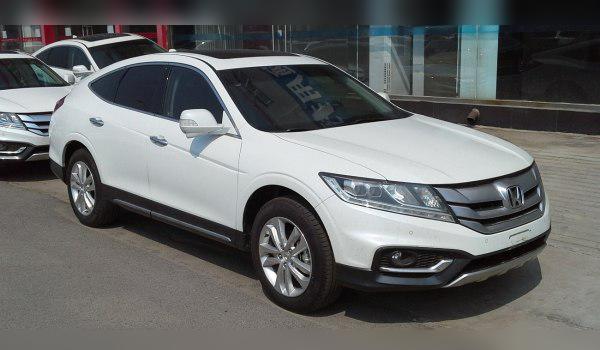
Honda J35Y1 3.5 V6 – Experiences, Problems, Fuel Consumption and Buying Used
Key points (TL;DR)
- Excellent refinement: This is a classic, refined naturally aspirated V6 that offers linear power delivery and a great sound.
- VCM system (Variable Cylinder Management): The cylinder deactivation technology for fuel saving is the main stumbling block – it causes vibrations and potential oil consumption.
- Timing belt is critical: The engine uses a timing belt, not a chain. A snapped belt is catastrophic.
- Valve adjustment: There are no hydraulic lifters, so valve clearances must be adjusted mechanically at specific mileage intervals.
- Transmission: It comes with a reliable 6-speed automatic, which is significantly better than the older 5-speed versions, but it requires regular fluid changes.
- Fuel consumption: Surprisingly economical on the highway, but “likes to drink” in city driving.
Contents
- Introduction and Characteristics
- Technical Specifications
- Reliability and Maintenance
- Specific Parts and Costs
- Fuel Consumption and Performance
- Additional Options and Modifications
- Transmission and Drivetrain
- Buying Used and Conclusion
Introduction and Characteristics
The Honda J35Y1 is part of the famous J-series of Honda V6 engines, more precisely its “Earth Dreams” evolution. Although the name suggests an eco-oriented design, this is still a thoroughbred large-displacement gasoline engine. It was primarily installed in the facelifted Honda Crosstour (from 2013) and certain Accord variants for the US market.
Unlike European “downsized” engines, there is no turbo here. Power comes from displacement and high revs, with the help of the i-VTEC system. What makes this engine specific (and controversial) is the advanced VCM system that shuts down 3 cylinders during light cruising to save fuel. Although technologically impressive, this system is the source of certain mechanical issues that we will cover in detail.
Technical Specifications
| Engine displacement | 3471 cc (3.5 L) |
| Configuration | V6, SOHC (single cam per head), 24v |
| Power | 207 kW (278 hp) @ 6200 rpm |
| Torque | 342 Nm @ 4900 rpm |
| Engine code | J35Y1 |
| Fuel injection system | Multi-Point (PGM-FI) |
| Induction | Naturally aspirated (No turbo) |
| Valve timing | i-VTEC + VCM |
Reliability and Maintenance
Timing belt or chain?
This is crucial information for every owner: the Honda J35Y1 uses a timing belt. It does not have a chain. This is an “interference” engine, which means that if the belt snaps, the pistons will hit the valves and the engine will suffer catastrophic damage. The recommendation is to do the major service (replacement of belt, tensioner, and water pump) strictly at 100,000 to 120,000 km or every 7 years, whichever comes first. Do not gamble with this interval.
Most common faults and issues (VCM system)
The biggest enemy of this engine is, paradoxically, its own fuel-saving system – VCM (Variable Cylinder Management).
When the engine deactivates cylinders, it creates imbalance and vibrations. To counter this, Honda uses active engine mounts. These active engine mounts fail much faster than regular rubber mounts and are very expensive to replace (depending on the market, but expect a high price).
The second VCM-related issue is oil consumption. When cylinders are deactivated, a vacuum is created in the combustion chamber that can draw oil past the rings. This leads to oil-fouled spark plugs on those cylinders, resulting in misfires and an illuminated Check Engine light.
Oil leaks at the VTEC spool valve gasket (the so-called Spool Valve) are also common. The problem is that this valve is located directly above the alternator. If oil leaks, it drips straight into the alternator and can permanently damage it.
Oil and service intervals
The J35Y1 takes about 4.3 liters of oil (with filter). The recommended viscosity is strictly 0W-20. Honda insists on this “thin” oil due to tight tolerances and the operation of the VCM system.
Oil consumption: Because of the VCM system mentioned above, this engine can consume oil. Consumption of up to 0.5 liters per 3,000–4,000 km is often tolerated by Honda as “normal”, but if you notice that a liter disappears every 2,000 km, the piston rings have likely gummed up due to prolonged VCM operation.
Spark plugs and valves
Spark plugs (iridium, usually NGK or Denso) are replaced at around 100,000 km. However, due to VCM issues, it is advisable to inspect them more often (every 40–50k km) to check if they are oil-fouled.
Important: This engine does not have hydraulic valve lifters. This means that valve clearances must be adjusted mechanically. The recommendation is to check and adjust them every 40,000 to 50,000 km, or at least during the major service. A typical symptom of out-of-adjustment valves is a characteristic “ticking” noise when the engine is cold.
Specific Parts (Costs)
Fuel injection system and injectors
The good news is that the J35Y1 in the Crosstour uses classic multi-point fuel injection (into the intake manifold), unlike some newer J-series engines that switched to direct injection. This is excellent for longevity because there are no issues with carbon buildup on the intake valves. The injectors are extremely reliable and rarely cause problems.
Dual-mass flywheel and turbo
Since this model comes exclusively with an automatic transmission, it does not have a conventional dual-mass flywheel like manual gearboxes. Instead, it has a torque converter (wandler), which is part of the transmission and is very durable.
The engine does not have a turbocharger. That’s one less thing to worry about – no turbo rebuilds, no intercoolers developing leaks, no issues with cooling the turbo after hard driving.
EGR, DPF and AdBlue
As a gasoline engine, it does not have a DPF filter or AdBlue system. It is equipped with catalytic converters and an EGR valve. The EGR valve can get dirty at higher mileage (over 200,000 km), which causes rough idle, but cleaning is usually sufficient and not expensive.
Fuel Consumption and Performance
City and highway driving
Let’s be realistic – this is a 3.5 V6 engine in a heavy car (the Crosstour weighs almost 1.8 tons) with all-wheel drive.
- City driving: Expect between 13 and 16 l/100 km. In heavy traffic and winter conditions, this can easily go higher. The VCM system rarely helps here because constant acceleration is needed.
- Highway: This is where the engine shines. Thanks to VCM shutting down cylinders while cruising and the Crosstour’s good aerodynamics, fuel consumption can drop to 8 to 9 l/100 km at speeds around 100–110 km/h.
Is the engine “lazy”?
Absolutely not. With 278 hp and 342 Nm, this engine moves the Crosstour’s body with ease. Throttle response is instant (no turbo lag), and the sound at high revs when VTEC kicks in is fantastic. At 130 km/h, the engine runs at very low revs (around 2,200–2,500 rpm), which makes driving quiet and comfortable. Overtaking is effortless.
Additional Options and Modifications
LPG conversion
Yes, this engine is very suitable for LPG conversion because it uses indirect (multi-point) injection. However, a high-quality sequential system and an experienced installer are required.
The challenge: Due to the VCM system that shuts down cylinders, the LPG ECU must be able to recognize when the gasoline ECU cuts off the injectors on certain cylinders and properly stop the gas supply, so that LPG does not enter deactivated cylinders.
Remap (Stage 1)
On naturally aspirated gasoline engines, a “chip tune” (remap) brings minimal gains. You can expect an increase of about 10 to 15 hp, which is barely noticeable in practice. A much more useful modification is installing a device called a “VCM Muzzler” (or similar). It is a small resistor that falsifies the coolant temperature reading, preventing the engine from activating VCM mode. This slightly increases fuel consumption on the highway, but drastically reduces vibrations, preserves engine mounts, and helps prevent oil consumption.
Transmission
Type of transmission and reliability
The J35Y1 in the facelifted Crosstour comes with a 6-speed automatic transmission. This is a significant improvement over the old 5-speed automatics, which were known for their issues.
A manual transmission was not offered with this engine in the Crosstour.
The most common automatic transmission issues are related to overheating of the fluid if the car is driven hard or used for towing. Symptoms include jerking during gear changes (shifting) or hesitation when engaging a gear.
Transmission maintenance
The transmission fluid should be changed every 40,000 to 60,000 km. Use only Honda ATF DW-1 fluid. Honda transmissions are sensitive to universal fluids. Regular fluid changes are cheap insurance against an expensive rebuild.
Buying Used and Conclusion
When buying a Honda with this engine, pay attention to the following:
- Proof of timing belt service: If the car has over 100k km and there is no proof of timing belt replacement, immediately factor that cost in (it’s not cheap, but far less than engine damage).
- Vibrations: Test the car at speeds of 60–100 km/h with light throttle. If you feel strange vibrations that come and go, the engine mounts have probably failed due to the VCM system.
- Oil leaks: Check the area above the alternator (near the pulleys). If it’s oily, the VTEC spool valve gasket is leaking.
- Valve noise: On a cold start, listen to the top of the engine. A loud metallic ticking means the valves haven’t been adjusted for a long time.
Conclusion: The Honda J35Y1 is an engine for people who want comfort, power, and classic reliability, and are willing to pay for higher registration and fuel costs. If you disable the VCM system (with an aftermarket solution) and regularly change the oil and belts, this engine can easily exceed 400,000 km without being opened. It is ideal for long-distance travel, but expensive for stop-and-go city driving.
Was this content useful to you?
Your opinion helps us to improve the quality of the content.