LEC3 Engine
- Engine
- 1498 cm3
- Aspiration
- Naturally aspirated engine
- Fuel
- Petrol (Gasoline)
- Fuel injection system
- Multi-port manifold injection
- Power
- 107 hp
- Torque
- 131 Nm
- Cylinders
- 4
- Valves
- 16, 4 per cylinder
- Cylinders position
- Inline
- Valvetrain
- DOHC, i-VTEC
- Oil capacity
- 3.6 l
- Coolant
- 4.22 l
- Systems
- Start & Stop System, Particulate filter
# Vehicles powered by this engine
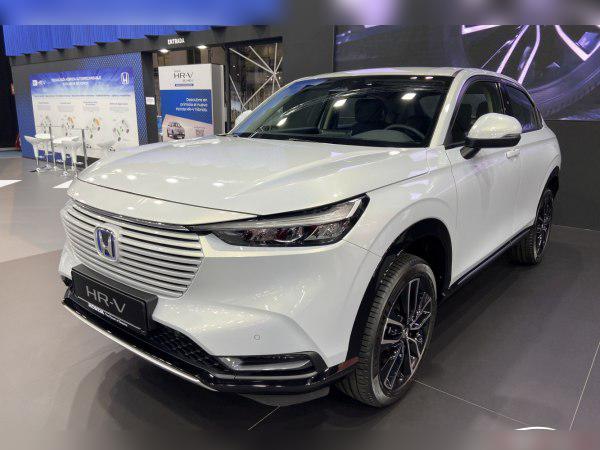
Honda 1.5 i-MMD (LEC3) Hybrid – Experiences, Issues, Fuel Consumption and Maintenance
Key points (TL;DR)
- Reliability: Extremely reliable naturally aspirated engine running on the Atkinson cycle, mechanically unstressed because most of the time it serves as a generator.
- Drivetrain: This is not a classic petrol engine setup. It is an e:HEV system where the wheels are mostly driven by the electric motor, while the petrol engine generates electricity.
- Fuel consumption: Fantastic in the city (below 5 l/100 km), but increases on the open road because the petrol engine then takes over direct drive.
- Maintenance: The engine uses a timing chain. There is no conventional gearbox, no clutch in the traditional sense, no turbocharger, which reduces long‑term maintenance costs.
- Noise: Under hard acceleration the engine is noisy (“scooter effect”), which is characteristic of e‑CVT systems, even though there is no physical belt and pulley.
- Recommendation: Ideal for urban and suburban driving. Not recommended for drivers who spend 90% of their time on motorways at speeds above 140 km/h.
Contents
Introduction and use cases
The engine designated as LEC3 is the heart of Honda’s modern e:HEV hybrid system, specifically installed in the third generation of the Honda HR‑V. Unlike older hybrids where the electric motor only “assisted” the petrol engine, here the philosophy is reversed. This 1.5‑liter naturally aspirated petrol engine works most of the time as a generator that charges the battery, while the wheels are driven by a powerful electric motor. Only at higher speeds (usually above 80 km/h) does the clutch engage and the engine directly drive the wheels, because at that point it is more efficient than the electric motor.
This engine is important because it represents Honda’s answer to Toyota’s hybrids, but with a different technical solution that eliminates the need for complex planetary gearsets in the transmission. It operates on the Atkinson cycle, which means it sacrifices raw power in favor of maximum thermal efficiency.
Technical specifications
| Specification | Value |
|---|---|
| Engine displacement | 1498 cc (1.5 L) |
| Petrol engine power | 79 kW (107 hp) @ 6000–6400 rpm |
| Torque (petrol engine) | 131 Nm @ 4500–5000 rpm |
| System power (total e:HEV) | 96 kW (131 hp) – thanks to the electric motor |
| Torque (electric motor) | 253 Nm (available instantly) |
| Engine code | LEC3 |
| Aspiration | Naturally aspirated |
| Fuel injection | Direct injection (GDI) |
Reliability and maintenance
Timing belt or chain?
The LEC3 engine uses a timing chain. Honda chains are traditionally very reliable and are designed to last as long as the engine itself (“lifetime”). There is no need for regular replacement as with a belt, unless a rattling noise appears, which is rare before 200,000–300,000 km with regular oil changes.
Most common issues
Since this is a relatively new power unit in the third‑generation HR‑V, the list of serious failures is short, but there are some specifics:
1. Oil dilution with fuel: On short winter trips, since the engine often runs cold to charge the battery, a small amount of petrol can seep into the sump. This is typical for many direct‑injection engines. The solution is regular oil changes and an occasional longer drive.
2. GPF filter (gasoline particulate filter): Although it’s a petrol engine, it has a GPF due to Euro emissions standards. If the car is driven exclusively in “EV” mode on very short trips and the engine only runs for a couple of minutes, the filter does not get hot enough to regenerate. The symptom is a warning light on the dashboard.
3. 12V battery: As with all hybrids, the small auxiliary battery (not the large traction battery) can fail if the car sits unused for a long time, which prevents the system from starting.
Major service
A classic “major service” (replacement of timing belt, tensioners, water pump) is not performed at a fixed interval here because the engine has a chain. The auxiliary (serpentine) belt for ancillary components is inspected at every service and replaced as needed (usually around 100,000 km or every 5–7 years). On this model the water pump is often electric for better cooling independent of engine speed.
Oil: quantity and grade
The engine takes approximately 3.4 to 3.8 liters of oil (always check the exact level on the dipstick). The recommended grade is strictly 0W‑20 (Honda Green Oil). This thin oil is crucial for hybrids because the engine must lubricate components instantly during frequent start‑stop cycles.
Oil consumption: Honda engines are precisely built. Oil consumption between services should be negligible (below 0.5 L per 10,000 km). If it consumes more, this may indicate an issue with piston rings or the PCV valve, but this is rare on LEC3 engines.
Spark plugs
Iridium spark plugs (NGK or Denso) are used. Replacement intervals are long, usually at 100,000 km or 120,000 km. Do not try to save money by installing standard plugs, because the ignition system is heavily stressed by the engine’s frequent starting and stopping while driving.
Specific components (costs)
Dual‑mass flywheel
This engine does not have a conventional dual‑mass flywheel, which is a nightmare on many diesels. The e‑CVT transmission uses a flywheel with a torsional vibration damper, but it is not prone to failures like those in manual gearboxes because there is no direct mechanical “slipping” of a clutch during take‑off (the car always starts on electric power).
Fuel injection system
It uses high‑pressure direct injection (GDI). The injectors are precise and generally durable, but sensitive to poor fuel quality. A possible issue at high mileage is carbon buildup on the intake valves, because fuel does not wash over them. Intake cleaning may be needed after 150,000 km if rough running is noticed.
Turbocharger
The engine DOES NOT have a turbocharger. This is excellent news for maintenance costs. Power is supplemented by the electric motor, so there is no turbo that can fail, no intercooler or boost hoses that can crack.
DPF / GPF and EGR
It has a GPF (Gasoline Particulate Filter), which is the petrol equivalent of a diesel DPF. It clogs less often than a DPF because petrol burns cleaner, but clogging is possible with extremely short urban trips. An EGR valve is present to reduce NOx emissions; in hybrids it is more prone to fouling because the engine often runs at low load.
Fuel consumption and performance
Real‑world consumption (city)
This is where the LEC3 truly shines. In heavy city traffic, real‑world consumption ranges from 4.0 to 5.5 l/100 km. The heavier the traffic (“stop‑and‑go”), the more the system uses the battery and regenerative braking, so consumption is actually lower.
Is the engine “sluggish”?
The petrol engine alone (107 hp / 131 Nm) would be too weak for the HR‑V’s body. HOWEVER, the driver primarily feels the electric motor, which has 253 Nm of torque available from 0 rpm. Because of this, the car feels very lively and responsive up to about 80–90 km/h. It is not sluggish in the city. The feeling of “running out of breath” appears only under full throttle on motorway inclines.
Behaviour on the motorway
At 130 km/h, the system usually switches to Engine Drive mode, where the petrol engine is connected to the wheels via a clutch (as if it were in top gear). It then runs at optimal revs (around 2500–3000 rpm, depending on load).
The issue: If you encounter an uphill stretch or want to overtake at 130 km/h, the petrol engine does not have enough power (because there is no turbo), so it disconnects from the wheels, revs up to 4000–5000+ rpm to generate electricity for the electric motor. This creates a lot of noise in the cabin, which is the main complaint about this model.
Additional options and modifications
LPG conversion
Not recommended. Although it is a naturally aspirated engine, conversion is complicated and not cost‑effective for several reasons:
1. Direct injection requires a more expensive LPG system (which also uses petrol to cool the injectors).
2. The engine operates in specific start/stop cycles that standard LPG ECUs struggle to follow.
3. The spare‑wheel well is often occupied by the hybrid battery or electronics, so there is no place to mount the LPG tank.
4. You risk overheating the cylinder head because the mixture is already lean from the factory (Atkinson cycle).
Chiptuning (Stage 1)
Pointless and not feasible in the usual way. This is a naturally aspirated engine optimized for efficiency, not performance. Any power gain would be negligible (maybe 3–4 hp), and you risk upsetting the hybrid control system. The system is limited by the electric motor’s power and the battery’s capacity, not by the petrol engine’s software.
Transmission (e‑CVT)
Type of transmission
The LEC3 engine in the HR‑V comes exclusively with an e‑CVT.
It is important to understand: this is NOT a conventional CVT with a belt and pulleys (which often fail). It is actually an electric drive with a fixed ratio and two electric motors inside the housing. There are no gears, no belt ratio changes.
Most common failures
The system is mechanically very robust and simpler than a traditional automatic transmission. There are no friction elements that wear out like in a DSG. Failures are rare and usually related to sensors or inverter electronics, not the transmission’s mechanical parts.
Clutch replacement?
There is a single lock‑up clutch that connects the petrol engine to the wheels at higher speeds. It is oil‑immersed, multi‑plate, and designed to last the vehicle’s lifetime. It is not a consumable part like a manual gearbox clutch. Replacement would be very expensive (depending on the market, we are talking thousands of euros), but in practice it is almost never replaced.
Transmission maintenance
The key to longevity is changing the transmission fluid. Honda uses a special HCF‑2 fluid (or newer specifications for e:HEV).
The recommendation is to change the fluid every 40,000 to 60,000 km. Although some workshops claim it is “lifetime”, draining the old fluid shows that it does lose its properties. Fresh fluid protects the motor windings and bearings.
Buying used and conclusion
If you are buying a used Honda with the LEC3 engine, pay attention to the following:
- Hybrid system service history: Check whether a “Hybrid Health Check” has been performed at an authorized dealer, as this often extends the battery warranty.
- Noise on cold start: The engine should run smoothly. Chain rattle at startup is a red flag (although rare).
- Test drive on the open road: Take the car onto a motorway. If you hear a loud continuous drone that does not subside even at steady speed, there may be an issue with a transmission bearing or sound insulation, but keep in mind that this engine is naturally noisy under heavy throttle.
Conclusion: who is it for?
The LEC3 engine in the HR‑V is an engineering gem for the urban environment. If you live in the city, want low fuel consumption, high reliability and do not want to worry about turbos, dual‑mass flywheels and DPFs, this is a perfect choice. On the other hand, if you are a sales rep covering 50,000 km a year on motorways at 150 km/h, this engine will be noisy and uneconomical for you.
Was this content useful to you?
Your opinion helps us to improve the quality of the content.