D16W5 Engine
- Engine
- 1590 cm3
- Aspiration
- Naturally aspirated engine
- Fuel
- Petrol (Gasoline)
- Fuel injection system
- Multi-port manifold injection
- Power
- 124 hp @ 6600 rpm
- Torque
- 144 Nm @ 4900 rpm
- Cylinders
- 4
- Valves
- 16, 4 per cylinder
- Cylinders position
- Inline
- Valvetrain
- OHC
- Oil capacity
- 3.6 l
- Coolant
- 2.8 l
# Vehicles powered by this engine
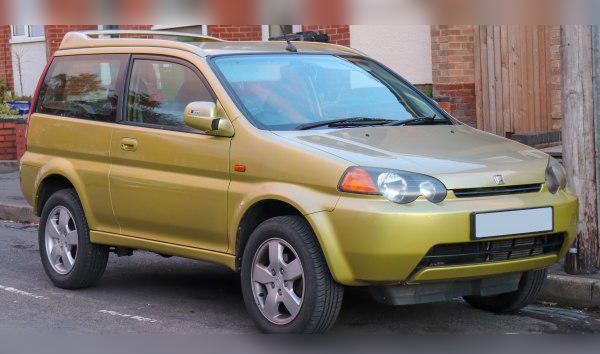
Honda D16W5 (1.6 i 16V VTEC) – Experiences, problems, fuel consumption and buying tips
If you’re looking for a “pocket SUV” from Honda’s golden era, you’re probably considering the first generation HR-V (Joy Machine). The heart of the most desirable version of this model is exactly the D16W5 engine. This is not an ordinary 1.6 unit; this is old-school Honda engineering with VTEC technology that gives a very specific driving character.
As someone who has spent years under the hoods of Japanese cars, I can tell you this is one of those engines that “don’t break on their own”, but they do require respect for certain maintenance rituals. Below we’ll dissect every aspect of this engine in detail, with no sugarcoating.
Key points in short (TL;DR)
- VTEC character: The engine loves high revs. Below 3,500 rpm it’s tame, above that it becomes lively.
- Reliability: Extremely high mechanical durability if the oil is changed regularly.
- Achilles’ heel (CVT): If paired with the automatic (CVT) gearbox, caution must be at the maximum level.
- Oil consumption: Expected on older examples, often due to valve stem seals or piston rings.
- LPG: Possible, but requires very disciplined valve adjustment because the valve seats are sensitive.
- Drivetrain: Often comes with a 4WD (Real Time) system that requires specific oil in the rear differential.
Contents
- Technical specifications
- Reliability and maintenance
- Specific parts and systems
- Fuel consumption and performance
- LPG, tuning and modifications
- Gearbox and drivetrain
- Conclusion and pre-purchase checklist
Technical specifications
| Specification | Data |
|---|---|
| Engine code | D16W5 |
| Displacement | 1590 cc (1.6 L) |
| Power | 91 kW (124 hp) at 6600 rpm |
| Torque | 144 Nm at 4900 rpm |
| Fuel type | Petrol |
| Injection system | Multipoint Injection (PGM-FI) |
| Induction type | Naturally aspirated with VTEC system |
| Configuration | Inline 4-cylinder, SOHC (single camshaft), 16 valves |
Reliability and maintenance
When we talk about the D16W5 engine, we’re talking about the peak of Honda’s D-series engines. These are workhorses. Still, age takes its toll, so maintenance has to be preventive.
Timing belt or chain?
This engine uses a timing belt. This is a key item. Factory replacement intervals are often optimistic, but in practice it should be replaced every 100,000 km or 5 to 7 years, whichever comes first. During the “major service”, the tensioner and water pump must also be replaced. A snapped belt on this engine leads to piston-to-valve contact, which is catastrophic.
Oil consumption and servicing
The sump holds about 3.3 to 3.6 litres of oil (with filter). The recommended grade is 5W-30 or 5W-40, and for higher-mileage engines in warmer climates, 10W-40 is an acceptable option.
Does it burn oil? Yes, high-mileage D-series engines (over 200,000 km) tend to “drink” some oil. Consumption of up to 0.5 litres per 1,000 km is often tolerated by Honda as “within normal limits” in owner’s manuals, but realistically – if it burns more than a litre between oil changes, it’s time for intervention. The most common causes are hardened valve stem seals (visible as blue smoke at startup or after idling) or stuck oil control rings (smoke at high revs).
Most common issues
Besides oil consumption, here’s what typically troubles the D16W5:
1. Distributor: This is a weak point on older Hondas. The bearing in the distributor can fail, or the ignition coil inside it. Symptoms are stalling while driving or failure to start.
2. IACV (Idle Air Control Valve): Often gets clogged with soot, which causes fluctuating idle (rev “hunting” up and down). Cleaning usually solves the problem.
3. VTEC solenoid gasket: A common source of oil leaks on the top of the engine. The fix is cheap and simple.
Spark plugs (replacement interval)
NGK or Denso spark plugs are recommended. Standard copper plugs should be replaced every 20,000 - 30,000 km (they’re cheap and work great). If you fit iridium plugs, they can last up to 80,000 km, but for this older type of engine, regular plugs are perfectly adequate and often the better choice.
Specific parts (costs)
The good news is that the D16W5 is a technologically simple engine, which means lower maintenance costs compared to modern diesels or turbo petrol engines.
Dual-mass flywheel and clutch
This engine DOES NOT have a dual-mass flywheel. It uses a classic solid flywheel that is practically indestructible. A clutch kit (pressure plate, disc, release bearing) is relatively cheap (depends on the market) and is considered regular wear-and-tear maintenance.
Injection system, turbo, DPF...
The engine uses a standard PGM-FI injection system with petrol injectors. The injectors are extremely reliable and rarely cause problems, unless the car is run on very dirty fuel for years.
The engine DOES NOT have a turbocharger. It’s naturally aspirated, which means one less worry (no turbo rebuilds). It also has no DPF filter or AdBlue system.
There is an EGR valve on this model, and it can clog up with soot, causing “stumbling” under light throttle or triggering the “Check Engine” light. Cleaning is possible and not expensive.
Fuel consumption and performance
Don’t be fooled by the small 1.6-litre displacement – the Honda HR-V is not aerodynamic, and the 4WD system adds weight and drag.
Real-world fuel consumption
In city driving, expect between 10 and 11.5 litres per 100 km. If you have a heavy right foot (which this engine encourages), it can go up to 12 l/100 km. On the open road, at 80–90 km/h, consumption drops to a reasonable 7–8 litres.
Is the engine “lazy”?
The answer is: Yes and no.
With 144 Nm of torque available only high up at 4900 rpm, the engine feels lazy at low revs (below 3000). For overtaking you’ll need to drop one or two gears. However, when VTEC kicks in and the engine climbs into higher revs (above 4500), it becomes very agile and fun. For the HR-V body it’s sufficient, but don’t expect traffic light drag race performance.
Motorway driving
This is not the natural habitat of this model. The gearbox has short ratios, which means that at 130 km/h the engine spins at around 4,000 rpm (depends on the gearbox, but it’s high). That creates cabin noise and increases fuel consumption. The engine can handle it without any problem (Hondas love revs), but the passengers might not enjoy the noise.
Additional options and modifications
LPG conversion
The D16W5 can run on LPG, but with a big warning. Honda engines have relatively “soft” valve seats. If you’re installing LPG, a valve lubrication system is mandatory (to cool the valves) or, even better, software-configured petrol enrichment at high revs.
The key point: With LPG, valve clearance adjustment (which is done mechanically, with screw and locknut) must be done more frequently – every 15,000 to 20,000 km. If you neglect this, the valves will recess, you’ll lose compression and destroy the cylinder head.
Chiptuning (Stage 1)
Since this is a naturally aspirated petrol engine, “chipping” it is a waste of money. The gain would be in the range of statistical error (3 to 5 hp), which you won’t feel in real driving. The only way to extract more power is serious mechanical work (intake, exhaust, camshaft), which is not cost-effective for this type of vehicle.
Gearbox
With the D16W5 engine in the HR-V, there are two gearbox options, and the choice between them is crucial for your ownership experience.
1. Manual gearbox (5-speed):
This is the recommended option. Very precise, with the “click-clack” feel Honda is known for.
Common issues: The input shaft bearing in the gearbox can become noisy. The symptom is a grinding sound while the car is idling in neutral, which disappears when you press the clutch.
Maintenance: Gearbox oil (Honda MTF) should be changed every 60,000 - 80,000 km.
2. Automatic gearbox (CVT – Multimatic):
This is the risky option. First-generation Honda CVT gearboxes are sensitive. If the previous owner didn’t change the oil regularly or used the wrong oil (it must be Honda CVT-F only, never regular ATF), the gearbox will fail.
Failure symptoms: Shuddering when taking off (so-called “judder”), slipping, blinking “D” light on the dashboard. Repairs are often not cost-effective (very expensive).
Maintenance: Changing the oil (Honda CVT fluid) and the gearbox filter every 40,000 km is mandatory for the gearbox to survive.
4WD system (Real Time 4WD):
This system uses two pumps in the rear differential. It engages mechanically only when the front wheels slip.
Maintenance: The oil in the rear differential (DPS-F – Dual Pump System Fluid) should be changed roughly every 40,000 km. If you hear scraping or grinding noises from the rear when you turn the steering wheel to full lock and move off slowly, it’s a sign that the oil is old and degraded. Changing the oil usually solves the problem immediately.
Buying used and conclusion
Before buying a Honda with the D16W5 engine, do the following:
- Cold start: Watch the exhaust. Blue smoke means the engine is burning oil.
- Check the oil pan area: If it’s freshly washed, be suspicious. The VTEC solenoid and camshaft/crankshaft seals often leak.
- Test drive: Warm the engine up, then rev it past 5,000 rpm. It should pull linearly, without “flat spots”.
- CVT test: If it’s an automatic, stop on an incline and release the brake without pressing the throttle. The car must not roll back or shudder.
- Suspension and rust: The engine is less of a problem than rust. Check the wheel arches and sills.
Conclusion:
The D16W5 is an excellent engine for enthusiasts and for people who want reliability and are willing to tolerate a bit of noise and more frequent oil level checks. It’s ideal in combination with the manual gearbox. If you’re looking for a car for relaxed city driving and weekend trips into nature (light off-road), this engine in the HR-V body will serve you faithfully, provided you haven’t bought it with a failing CVT gearbox.
Was this content useful to you?
Your opinion helps us to improve the quality of the content.