J35A Engine
- Engine
- 3471 cm3
- Aspiration
- Naturally aspirated engine
- Fuel
- Petrol (Gasoline)
- Fuel injection system
- Multi-port manifold injection
- Power
- 280 hp @ 6200 rpm
- Torque
- 342 Nm @ 5000 rpm
- Cylinders
- 6
- Valves
- 24, 4 per cylinder
- Cylinders position
- V-engine
- Valvetrain
- SOHC
# Vehicles powered by this engine

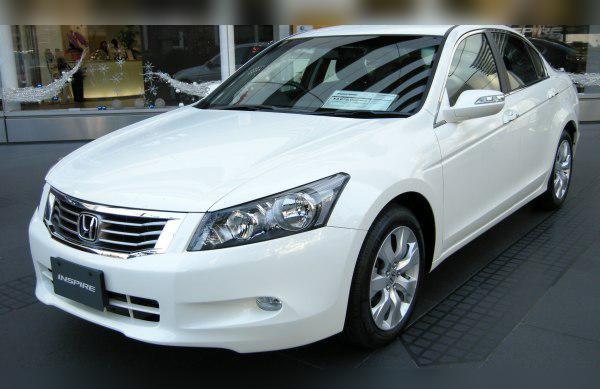
Honda J35A V6 (3.5 i-VTEC): Experiences, issues, fuel consumption and maintenance
Key points in short (TL;DR)
- Timing system: Uses a timing belt that must be replaced on time (risk of catastrophic failure).
- VCM system: The cylinder deactivation system for fuel saving is the biggest downside – it can cause oil consumption and vibrations that destroy engine mounts.
- Transmission: The automatic transmission is more reliable than in earlier generations, but requires regular fluid changes.
- Performance: Extremely potent engine, linear power delivery, ideal for highway driving.
- Maintenance: Requires high-quality oil and regular (mechanical) valve adjustment; not cheap to run in city conditions due to fuel consumption.
- Recommendation: An excellent choice for those who value comfort and power, provided the service history is known.
Contents
- Introduction and applications
- Technical specifications
- Reliability and maintenance
- Specific parts and costs
- Fuel consumption and performance
- Additional options (LPG/Tuning)
- Transmission and drivetrain
- Used car buying tips and conclusion
Introduction and applications
The Honda J35A is part of the legendary J-series of V6 engines, considered one of the best six-cylinder families Japan has ever produced. In this specific 280 hp version, the engine was installed in the fifth generation Honda Inspire (CP3), which on many markets is equivalent to the US-market Honda Accord V6.
This is “old-school” engineering combined with modern fuel-saving technology. The engine is known for its smooth operation, refined sound and longevity, provided certain service intervals are respected. Although it is a heavy drinker in city driving, on the open road it shows its true character thanks to cylinder deactivation technology.
Technical specifications
| Specification | Data |
|---|---|
| Engine displacement | 3471 cc (3.5 L) |
| Configuration | V6, SOHC, 24 valves |
| Power | 206 kW (280 hp) @ 6200 rpm |
| Torque | 342 Nm @ 5000 rpm |
| Engine code | J35A (J35Z variants depending on market) |
| Fuel injection system | PGM-FI (multi-point indirect injection) |
| Induction | Naturally aspirated |
Reliability and maintenance
Timing system: chain or belt?
This is one of the most important questions regarding J35 engines. This engine uses a timing belt, not a chain. That means a major service is mandatory and must not be postponed. A snapped belt will cause piston-to-valve contact, which means complete engine failure (interference engine).
Major service and intervals
It is recommended to replace the timing belt kit every 100,000 to 120,000 km or every 5 to 7 years, whichever comes first. When replacing the belt, you must also replace the belt tensioner and the water pump, as it is driven by the same belt. If the pump starts leaking or seizes later, the whole job has to be done again.
Oil consumption and the VCM system
The biggest issue with this engine is related to the VCM (Variable Cylinder Management) system. This system shuts down 2 or 3 cylinders during cruising to save fuel. While brilliant on paper, in practice it causes several problems:
- Oil consumption: When cylinders are deactivated, a vacuum is created in them that can draw oil past the rings into the combustion chamber. When the cylinders are reactivated, that oil burns. Consumption of 0.5 to 1 liter per few thousand kilometers is not uncommon on older VCM-equipped models.
- Vibrations: Running on 3 cylinders creates vibrations that “kill” the engine mounts. These are expensive active mounts that try to cancel out those vibrations.
- Fouled spark plugs: Oil that enters the cylinders often contaminates the spark plugs on those specific cylinders, leading to misfire codes.
Oil and spark plugs
The engine takes about 4.3 to 4.5 liters of oil (with filter). Honda strictly recommends low-viscosity grades, most commonly 0W-20 or 5W-20, precisely because of the VCM system and tight tolerances. Do not experiment with thick oils (such as 10W-40) as this can interfere with the operation of the VTEC solenoids.
The spark plugs are iridium (NGK or Denso). The replacement interval is usually 100,000 km, but due to the aforementioned VCM issue, it is recommended to check them every 40,000–50,000 km.
Injectors
This engine uses classic PGM-FI port injection into the intake manifold (not direct injection). The injectors are extremely durable and rarely cause problems. If an issue does occur, ultrasonic cleaning usually solves it. There are no expensive high-pressure pumps like on diesels.
Specific parts (costs)
Dual-mass flywheel and clutch
Since the Honda Inspire V comes exclusively with an automatic transmission, this engine does not have a dual-mass flywheel in the sense that manual or modern DSG gearboxes do. Instead, it uses a torque converter, which is very durable and not a regular wear item that needs periodic replacement.
Turbo, DPF, EGR, AdBlue
This is a naturally aspirated petrol engine. That is great news for your wallet because:
- No turbocharger: No worries about turbo overhauls.
- No DPF filter: No clogging from city driving.
- No AdBlue system: Fewer complications.
- EGR valve: There is an EGR system. It can get dirty from soot (especially if the engine burns oil), but it can usually be cleaned. It is not a chronic issue like on diesels.
Valve adjustment
Honda J35 engines do not have hydraulic lifters. This means they require mechanical valve clearance adjustment. It is recommended to check them every 40,000 to 60,000 km, or if you hear a characteristic “ticking” noise when the engine is cold. Neglecting this can lead to camshaft damage.
Fuel consumption and performance
Real-world fuel consumption
Don’t kid yourself – 3.5 liters of displacement needs fuel.
- City driving: Expect between 12 and 16 l/100 km. In heavy traffic and winter conditions, it can go even higher. The heavy Inspire body takes its toll here.
- Highway / open road: This is where the engine shines. Thanks to the VCM system that deactivates cylinders at constant speed, consumption can drop to an impressive 7 to 8.5 l/100 km.
Performance and “laziness”
The engine is anything but lazy. With 280 hp and 342 Nm of torque, the Inspire really moves. As a naturally aspirated engine, power is delivered linearly. There is no “kick in the back” like with a turbo diesel at 2000 rpm, but once it passes 4500 rpm and the VTEC profile on the intake valves engages, the engine pulls hard all the way to the redline. Overtaking is safe and quick.
On the motorway, at 130 km/h, the engine runs at low revs (usually around 2200–2400 rpm in top gear), which makes driving extremely quiet and comfortable.
Additional options and modifications
LPG conversion
Yes, this engine is suitable for LPG conversion and many owners choose this route because of fuel consumption. However, there are conditions:
- You must install a high-quality sequential LPG system with fast injectors and a good vaporizer capable of feeding 280 hp.
- It is mandatory to install a valve lubrication system (valve saver) or to set up “petrol enrichment” in the software, because Honda valves are sensitive to the high combustion temperatures of LPG (so-called valve seat recession).
- Valve adjustment must be done more frequently if running on LPG (every 30,000 km).
Chip tuning (Stage 1)
Since this is a naturally aspirated engine, a simple remap (Stage 1) will not bring dramatic results. You can expect a gain of around 10 to 15 hp and slightly better throttle response, but you will not get a transformation like on a turbo engine. Remapping is often done not for power, but to disable the VCM system (VCM muzzler) in software, which solves the vibration and oil consumption issues, but slightly increases fuel consumption on the highway.
Transmission
Type of transmission
The Honda Inspire V (3.5 V6) comes exclusively with a 5-speed automatic transmission (Honda calls it ECT). This is a conventional automatic, developed in-house by Honda (they do not use ZF or Aisin like many other manufacturers).
Transmission issues and maintenance
Earlier generations of Honda V6 automatics (early 2000s) were notorious for failures. Fortunately, the transmission in the Inspire V (CP3) is significantly strengthened and more reliable.
- Maintenance: The key to longevity is regular fluid changes. It is recommended to change the fluid every 40,000 to 60,000 km.
- Fluid type: Use only genuine Honda ATF-DW1 fluid. These transmissions are sensitive to “universal” ATFs.
- Most common issues: If the fluid is not changed, you may experience slipping (especially between 2nd and 3rd gear) or harsh shifting. Also, the transmission oil pressure switch can fail, which is a cheap repair but can scare the owner when the warning light comes on.
Buying used and conclusion
Before buying a Honda Inspire with the J35 engine, pay attention to the following:
- Noise on cold start: A sharp rattling sound may indicate the need for valve adjustment or, in a worse case, a problem with the timing belt tensioner.
- Vibrations: Test drive the car with light throttle (so that VCM activates). If you feel strong vibrations, the active engine mounts are probably due for replacement (very expensive – depends on market, but expect several hundred euros).
- Exhaust smoke: Bluish smoke when you blip the throttle after idling is a sign that the engine is burning oil (rings or valve stem seals).
- Transmission: It must shift smoothly, without bangs, both when cold and hot. Check the color of the fluid on the transmission dipstick – it should be reddish, never black or with a burnt smell.
- Proof of timing belt service: If there is no documentation that the timing belt has been replaced, immediately factor that cost into the price (expensive, varies by market).
Who is this engine for?
The Honda J35A in the Inspire is a machine for gentlemen and people who cover high mileages on the open road. It offers a level of refinement that few four-cylinder engines can match. If you are willing to pay slightly higher registration and city fuel bills in exchange for a sense of power, reliability and the sound of a V6, this is one of the best choices on the used market. Just disable (or fix) the VCM and change the oil on time – and this engine will easily cover 500,000 km without being opened.
Was this content useful to you?
Your opinion helps us to improve the quality of the content.