J25A Engine
- Engine
- 2495 cm3
- Aspiration
- Naturally aspirated engine
- Fuel
- Petrol (Gasoline)
- Fuel injection system
- Multi-port manifold injection
- Power
- 200 hp @ 6200 rpm
- Torque
- 240 Nm @ 4600 rpm
- Cylinders
- 6
- Valves
- 24, 4 per cylinder
- Cylinders position
- V-engine
- Valvetrain
- SOHC
# Vehicles powered by this engine
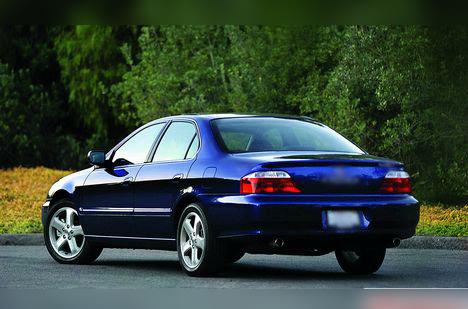
Honda J25A (2.5 VTEC V6) – Experiences, issues, fuel consumption and maintenance
Key points in short (TL;DR)
- Silky smooth operation: The J25A is a V6 engine from the famous J-series, offering exceptional refinement and the recognizable Honda sound at high revs.
- Achilles’ heel – Transmission: The engine itself is “bulletproof”, but the automatic transmission paired with it (in the Inspire/Saber) is a well-known weak point of this generation.
- Timing belt: It’s not a chain. It requires regular and not-so-cheap timing kit replacement on time.
- Fuel consumption: Not exactly economical in the city. Expect double-digit numbers as soon as you hit traffic.
- Valve adjustment: Requires mechanical valve lash adjustment, which is especially important if you plan to install LPG.
- Recommendation: An excellent choice for fans of comfortable cruisers, provided the transmission has been serviced and is in good condition.
Contents
- Introduction and applications
- Technical specifications
- Reliability and maintenance
- Specific parts and systems
- Fuel consumption and performance
- LPG and tuning
- Transmission and drivetrain
- Buying tips and conclusion
Introduction: A Japanese V6 gem
The Honda J25A engine is a specific member of Honda’s legendary J-series V6 engines. While Europe and the US mostly got larger versions (3.0, 3.2 or 3.5 liters), the 2.5‑liter J25A was primarily intended for the Japanese market (JDM), specifically for the Honda Inspire (and its sibling, the Saber) of the UA4 generation. This engine is an entry ticket into the world of V6 prestige, offering 200 horsepower in a very compact package.
Its importance lies in the fact that it combines VTEC technology on the intake camshaft with a V6 configuration, providing a dual character: quietness and comfort at low revs, and an aggressive sound and power when VTEC kicks in. Although rare in some markets, it is a technical twin to the larger J engines, which makes sourcing most consumable parts easier.
Technical specifications
| Parameter | Value |
|---|---|
| Engine code | Honda J25A |
| Displacement | 2495 cc (2.5 L) |
| Configuration | V6, SOHC VTEC (24 valves) |
| Power | 147 kW (200 hp) @ 6200 rpm |
| Torque | 240 Nm @ 4600 rpm |
| Fuel type | Petrol (Recommended 95 or 98 RON) |
| Aspiration | Naturally aspirated |
| Fuel injection | PGM-FI (multi-point indirect injection) |
Reliability and maintenance
Timing belt or chain?
Honda’s J-series engines, including the J25A, use a timing belt to drive the camshafts. This is a very important point. The engine is of the interference type, which means that if the belt snaps, the pistons will hit the valves, causing catastrophic engine damage. Because of this, belt replacement must not be postponed.
Major service
The timing belt replacement interval is usually at 100,000 to 120,000 km or every 5 to 7 years (whichever comes first). When doing the major service, it is strongly recommended not to cut corners – be sure to replace the tensioner (the hydraulic tensioner often fails), idler pulleys and the water pump, since it is driven by the same belt. The cost of this service falls into the “moderately expensive” category (depending on the market), as there are many labor hours involved due to the V6 layout.
Oil and oil consumption
The sump of this engine holds about 4.5 to 5.0 liters of oil (with filter). The most commonly recommended viscosity is 5W-30 or 5W-40 (fully synthetic), depending on climate conditions.
As for oil consumption, the J25A is generally a “dry” engine if driven normally. However, due to the VTEC system which uses oil pressure, under aggressive high‑rev driving you can expect consumption of around 0.5 to 0.8 liters per 10,000 km, which is completely normal. If it uses more than a liter per service interval, check the VTEC solenoid gasket (a common source of leaks) or the valve stem seals on older units.
Spark plugs and coils
This engine uses one ignition coil per cylinder (COP system). The spark plugs are usually iridium, with a long replacement interval of about 100,000 km. Still, it’s wise to replace them at 60,000–80,000 km to protect the coils, which can be expensive if they fail.
Most common issues
In addition to regular maintenance, pay attention to the following:
- EGR valve and passages: This is a classic J‑series problem. The passages in the intake manifold get clogged with carbon deposits, which leads to rough idle, stalling and the “Check Engine” light. Cleaning solves the issue.
- Engine mounts: V6 engines are heavy and generate torque that tears rubber mounts (especially the front and rear ones). A symptom is a strong thump when shifting the transmission from P to D or R.
- Oil leaks: Most commonly from the valve cover gaskets or the crankshaft oil seal on older engines.
Specific parts and systems
Dual-mass flywheel and clutch
Since the J25A in the Honda Inspire/Saber is paired almost exclusively with an automatic transmission, this engine does not have a dual‑mass flywheel in the way manual diesels do. Instead, it uses a conventional flexplate and a torque converter. This means there is no expensive dual‑mass flywheel and clutch kit to replace as regular wear items.
Fuel injection and injectors
The fuel system is the classic Honda PGM‑FI (indirect injection). The injectors are extremely robust and rarely cause problems. They are not as sensitive to fuel quality as modern GDI (direct injection) injectors. Preventive injector cleaning is recommended at high mileages, but outright failures are rare.
Turbo, DPF, EGR, AdBlue
- Turbo: The engine does not have a turbocharger. It is a classic naturally aspirated engine, which means fewer potential failures (no turbo rebuilds, intercooler issues, or boost hoses bursting).
- DPF / AdBlue: As an older‑design petrol engine, it does not have a DPF filter nor does it use AdBlue fluid.
- EGR: It does have an EGR valve. As mentioned, it often gets dirty and is one of the few exhaust‑related components that requires attention.
Fuel consumption and performance
City driving
There’s no point in having illusions here. A 2.5‑liter V6 paired with a conventional automatic in a heavy body does use fuel. Real‑world city consumption ranges from 12 to 15 l/100 km, depending on traffic and how heavy your right foot is. In winter, these figures can be even higher.
Highway driving
On the highway, things look much better. At 130 km/h, the transmission (usually a 4‑speed in this generation) keeps the engine at somewhat higher revs than modern cars, but still in a comfortable zone. Consumption drops to 8 to 9.5 l/100 km. The engine is very flexible and overtaking is easy, but it does require a kick‑down for VTEC to really breathe.
Is the engine “lazy”?
With 200 hp, the engine is not weak, but it does have a lack of low‑end torque (only 240 Nm at a relatively high 4600 rpm). This means that in city driving up to 3000 rpm it can feel a bit sluggish by modern turbo‑diesel standards. However, once it goes past 4500 rpm and VTEC engages, the engine changes character and pulls very strongly all the way to the redline. It’s not lazy – it just wants revs.
Additional options and modifications
LPG
The J25A is an excellent candidate for LPG conversion. Thanks to indirect injection, the conversion is straightforward and the system handles LPG well. However, there is one crucial note: Honda engines have relatively “soft” valve seats. If you run on LPG, you must shorten the valve adjustment interval to every 30,000 to 40,000 km. If you ignore this, the valves will recess into the seats, leading to an expensive cylinder head repair. Installing a valve lubrication system (“valve saver”) is also recommended, although opinions on its effectiveness vary.
Chip tuning (Stage 1)
Since this is a naturally aspirated petrol engine, “chipping” it is mostly a waste of money. The power gain would be in the range of 3 to 7 hp, which is imperceptible in real driving. It’s better to invest that money in quality tires or refreshing the suspension.
Transmission
Type of transmission
The J25A in the Honda Inspire (UA4) came with a 4‑speed automatic transmission with a SportShift sequential mode. A manual gearbox was not factory‑paired with this engine in this body style, although the larger 3.0/3.2 engines in American coupe versions (Accord/CL) did have 6‑speed manuals.
Automatic transmission issues
This is the most critical part of the car. Honda automatic transmissions from the late ’90s and early 2000s (paired with V6 engines) are known for failures. Typical problems include:
- Overheating of the fluid and clogging of internal filters.
- Wear of the 2nd and 3rd gear clutch packs.
- Symptoms: Slipping when shifting, jerking, delay when engaging “Drive”, or a flashing “D4” light on the dashboard.
Transmission maintenance
To extend the life of the transmission, the fluid must be changed more often than the factory states. The recommendation is a “drain and fill” (about 3 liters) every 40,000 km or every two regular engine services. Use only genuine Honda ATF‑DW1 (or the older Z1) fluid. Using universal ATF fluids can accelerate transmission wear. There is no clutch replacement cost (there isn’t one), but rebuilding this transmission is a very expensive job.
Buying used and conclusion
When buying a car with the J25A engine, the focus should not be on the engine itself (which is likely fine), but on the transmission. Do the following test:
- When the car is cold and when it’s hot, check how it shifts from 1st to 2nd gear. It must be smooth, without a thump.
- Check the color of the transmission fluid on the dipstick – it must be reddish and clear, never black or smelling burnt.
- Ask when the major service (timing belt) was done.
Conclusion: The Honda J25A is a fantastic piece of engineering that offers an old‑school feeling of quality. It is aimed at drivers who want refinement, quietness and comfort, and who are willing to accept somewhat higher fuel consumption and meticulous automatic transmission maintenance. If you find a car with proof of regular fluid changes in both the transmission and the engine, this powertrain can easily cover 400,000+ km without being opened.
Was this content useful to you?
Your opinion helps us to improve the quality of the content.