L13B, L13B2 Engine
- Engine
- 1318 cm3
- Aspiration
- Naturally aspirated engine
- Fuel
- Petrol (Gasoline)
- Fuel injection system
- Multi-port manifold injection
- Power
- 102 hp @ 6000 rpm
- Torque
- 123 Nm @ 5000 rpm
- Cylinders
- 4
- Valves
- 16, 4 per cylinder
- Cylinders position
- Inline
- Valvetrain
- DOHC
- Oil capacity
- 3.6 l
- Coolant
- 3.35 l
# Vehicles powered by this engine
Honda 1.3 i-VTEC (L13B/L13B2) – Experiences, problems, fuel consumption and buying tips
Key points (TL;DR)
- Reliability: Extremely reliable naturally aspirated engine that handles high mileage with regular maintenance.
- Timing chain: Uses a timing chain that rarely causes issues and does not require frequent replacement.
- Performance: Not a racer. Needs high revs for overtaking because it has low torque (123 Nm).
- CVT gearbox: Requires strict oil changes every 40,000 km or two years, otherwise failures are expensive.
- Fuel consumption: Very economical for a petrol engine, often comparable to diesels in city driving.
- Maintenance: Generally affordable, but OEM parts (spark plugs, specific oils) can be more expensive than average.
- Recommendation: Ideal engine for city and suburban driving, less ideal for frequent fully loaded motorway trips.
Contents
Introduction and Models
The engine designated as L13B (often found as L13B2 in Europe) is part of Honda’s "Earth Dreams" technology. It is an advanced naturally aspirated petrol unit that replaced older SOHC engines. Its main feature is operating in the Atkinson cycle under low loads, which drastically reduces fuel consumption, while under higher power demand it switches to the standard Otto cycle.
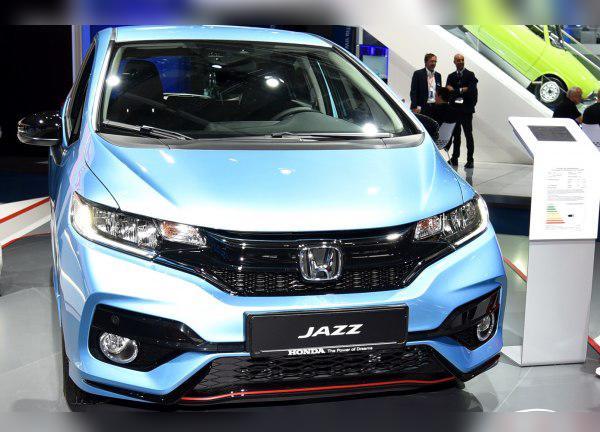
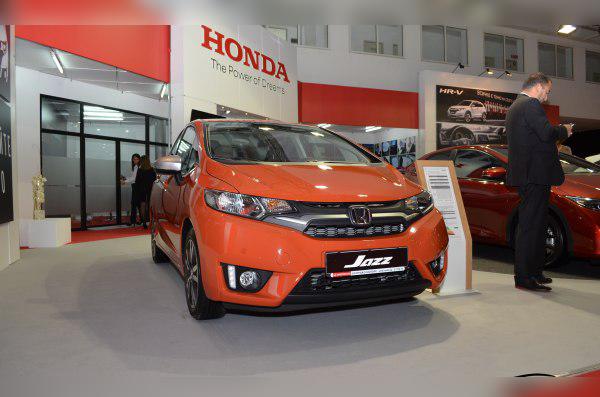
This engine is the "heart" of the third-generation Honda Jazz (GK) models, including the 2017 facelift versions. It is important because it proves that you don’t need a turbocharger and three cylinders to achieve low fuel consumption and meet strict emission standards.
Technical Specifications
| Parameter | Data |
|---|---|
| Displacement | 1318 cc (1.3 L) |
| Power | 75 kW (102 hp) at 6000 rpm |
| Torque | 123 Nm at 5000 rpm |
| Engine codes | L13B, L13B2 |
| Cylinders / Valves | 4 cylinders / 16 valves (DOHC) |
| Injection type | PGM-FI (Port fuel injection) |
| Aspiration | Naturally aspirated |
| Camshaft drive | Chain |
Reliability and Maintenance
Does this engine have a timing belt or a chain?
The L13B engine uses a timing chain. Honda is known for high-quality chains and in this model the chain is designed to last the entire service life of the engine. There is no scheduled replacement interval; it is replaced only if symptoms of stretching appear (rattling on cold start, camshaft/crankshaft sensor errors). In practice, the chain easily goes beyond 250,000 km with regular oil changes.
What are the most common issues with this engine?
This is one of the most reliable engines in its class, but it is not completely trouble-free:
- EGR valve and passages: Due to operating in the Atkinson cycle and exhaust gas recirculation, the EGR system can get clogged with soot, causing rough idle or a "Check Engine" light. Cleaning usually solves the problem.
- VTC actuator (variable valve timing): Sometimes you can hear a short rattle ("krrr") on the first cold start. This is a sign that the actuator is losing oil pressure. Although it sounds bad, it often does not lead to catastrophic failure, but it should be monitored.
- MAF sensor: The mass air flow sensor can get dirty, causing poorer throttle response.
Maintenance: Service intervals and oil
Minor service: Recommended every 10,000 km up to a maximum of 15,000 km (or once a year). Although the manufacturer may allow longer intervals, shorter ones are crucial for the longevity of the chain and the VTEC system.
Oil quantity and type: The engine takes approximately 3.3 to 3.6 liters of oil (with filter). Honda strictly recommends 0W-20 grade. This thin oil is necessary due to tight internal tolerances and proper operation of the variable valve timing system, as well as to achieve low fuel consumption. Using thicker oil (e.g. 10W-40) is not recommended.
Oil consumption
In general, the L13B does not consume oil in significant amounts. However, with aggressive motorway driving (high revs for longer periods), consumption of 200–300 ml per 10,000 km is acceptable. If it uses more than 0.5 liters per 1,000 km, this points to an issue with piston rings or valve stem seals, which is rare at low mileage.
Spark plugs
This engine uses more expensive iridium spark plugs (NGK or Denso). Replacement interval is long, usually at 100,000 to 120,000 km. Do not experiment with cheap copper plugs because access can be tricky and the electronics are sensitive.
Specific Parts (Costs)
Flywheel and clutch
Good news: This engine does NOT have a dual-mass flywheel. It uses a conventional solid flywheel. The clutch kit is relatively cheap to replace and long-lasting because the engine does not have huge torque that would stress it. This significantly lowers maintenance costs compared to diesels.
Fuel injection system and injectors
The L13B2 uses PGM-FI multipoint injection (port injection). This is a big advantage over direct-injection engines because there are no issues with carbon buildup on intake valves. The injectors are simple, inexpensive (compared to piezo injectors) and very rarely fail.
Turbo, DPF, EGR, AdBlue
- Turbo: None. The engine is naturally aspirated, which means fewer parts that can fail (no turbocharger, intercooler, high-pressure hoses).
- DPF filter: None.
- GPF (petrol particulate filter): Most models before 2018 do not have a GPF. Models after 2018 (Euro 6d-TEMP) may have a GPF, but it usually does not cause problems because petrol engines reach high exhaust temperatures much faster than diesels.
- EGR valve: It is present and often active. As mentioned, it can clog but can be cleaned.
- AdBlue: Not used.
Fuel Consumption and Performance
Real-world fuel consumption
This is the strongest selling point of this engine.
- City driving: Expect between 6.0 and 7.5 l/100 km. The standard start-stop system helps in heavy traffic.
- Country roads: At speeds of 80–100 km/h, consumption drops to an impressive 4.5–5.5 l/100 km.
- Motorway (130 km/h): Consumption rises to around 6.0–7.0 l/100 km due to the car’s aerodynamics (the Honda Jazz is tall).
Is the engine "sluggish"?
It depends on what you drove before. With 123 Nm of torque available only at a high 5000 rpm, the engine feels "dead" below 3000 rpm. To make the Honda move, you have to rev it. In the city it feels lively thanks to short gear ratios, but on climbs and when overtaking you must shift down one or two gears and floor the throttle. It’s not truly sluggish, but it does require active use of the gear lever.
Behaviour on the motorway
At 130 km/h the engine revs quite high:
- Manual gearbox (6-speed): Around 3500–3800 rpm. It can be noisy in the cabin on longer trips.
- CVT gearbox: Keeps lower revs when cruising (around 2500–3000), so it is quieter and more economical on flat roads.
Additional Options and Modifications
LPG conversion
Yes, this engine is suitable for LPG because it has port injection. However, Honda engines have sensitive valve seats. Key warning: L13B engines do not have hydraulic tappets. Valve clearances must be checked and adjusted mechanically. If you drive on petrol, inspection is at 100,000 km. If you install LPG, valve clearance inspection and adjustment are mandatory every 40,000 km. If you ignore this, the valves will burn (expensive repair). A valve lubrication system (flash-lube) is recommended.
Chip tuning (Stage 1)
Absolutely not worth it. On a naturally aspirated petrol engine of this displacement, a remap will give you maybe 3 to 5 hp, which is imperceptible in real driving. It’s better to invest that money in quality tyres or fuel.
Gearbox
Manual gearbox (6-speed)
Honda’s manual gearboxes are among the best in the world. The throws are short and precise (a "click-clack" feel). Failures: Very rare. Sometimes it can be harder to engage reverse or first gear when cold, but this is solved by changing the gearbox oil. The oil in the manual gearbox (MTF-3) should be changed every 60,000–80,000 km.
CVT automatic gearbox
The third-generation Honda Jazz often comes with a CVT gearbox. This is the "Earth Dreams" CVT. Driving: In the city it is perfect and smooth. Under full throttle it holds the engine at high constant revs (a "scooter" or "rubber band" effect), which some drivers find annoying because of the noise. Maintenance and failures: The CVT is sensitive to oil quality. Oil changes are MANDATORY every 40,000 km or 2 years. Only genuine Honda HCF-2 oil should be used. If this is ignored, the gearbox starts to "jerk", slip and eventually the belt inside the gearbox fails. CVT repairs are extremely expensive (often not cost-effective), so when buying used, always ask for proof of gearbox oil changes.
Used car buying guide and Conclusion
What to check before buying?
- Cold start: Listen for chain rattling or a "krrr" sound from the VTC actuator in the first 2 seconds after starting.
- Service history: Was 0W-20 oil used? If it’s a CVT, was the gearbox oil changed?
- Rust: Honda has improved corrosion protection, but check the underbody and wheel arches, especially if the car was imported from Northern Europe.
- Air conditioning: The A/C condenser is exposed to stone chips at the front and often fails and leaks refrigerant.
Conclusion
The Honda Jazz with the 1.3 i-VTEC engine is one of the most rational choices on the used car market. It offers mini-MPV space, the fuel consumption of a small diesel and the reliability typical of Japanese cars.
It is intended for drivers who want a "fill up and drive" car, who mostly drive in the city and do not demand sporty performance. If you can get used to having to "rev it out" when you need power, this engine will serve you for years with minimal running costs. Highly recommended, especially in combination with the manual gearbox for those who want to avoid the potential risks of a used CVT.
Was this content useful to you?
Your opinion helps us to improve the quality of the content.