L12B1, L12B2 Engine
- Engine
- 1198 cm3
- Aspiration
- Naturally aspirated engine
- Fuel
- Petrol (Gasoline)
- Fuel injection system
- Multi-port manifold injection
- Power
- 90 hp @ 6000 rpm
- Torque
- 114 Nm @ 4900 rpm
- Cylinders
- 4
- Valves
- 16, 4 per cylinder
- Cylinders position
- Inline
- Oil capacity
- 3.6 l
- Coolant
- 4.42 l
# Vehicles powered by this engine
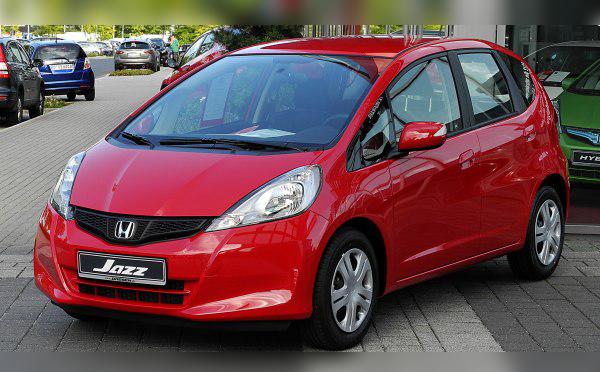

Honda 1.2 i-VTEC (L12B1/L12B2): Experiences, issues, fuel consumption and buying used
Key points (TL;DR)
- Exceptional reliability: This is one of the most reliable small petrol engines on the market. Serious mechanical failures are rare.
- Timing chain instead of belt: It has a timing chain designed to last as long as the engine itself, provided the oil is changed regularly.
- Lack of torque: With only 114 Nm, the engine is “lazy” at low revs and requires frequent shifting and high revs for overtaking.
- City hero: It excels in city driving, where fuel consumption is low and agility is excellent.
- No expensive failures: No dual-mass flywheel, no turbo, no DPF and no complicated injectors.
- Sensitivity to LPG: Honda engines have sensitive valve seats; LPG installation requires extra care and more frequent valve clearance adjustment.
- Recommendation: Buy it if you want a car that “doesn’t break down” and you don’t mind the lack of power on open roads.
Contents
Introduction
Honda has built its reputation on naturally aspirated petrol engines that love to rev and rarely break down. The L12B series engine (specifically L12B1 and L12B2) is the entry point into the world of Honda’s i-VTEC system in the popular Honda Jazz (second generation, GE chassis, including facelift models). Although the 1.2-litre displacement doesn’t promise racing performance, this engine is the essence of Japanese engineering – compact, efficient and incredibly durable. For many drivers in Europe, this was their first encounter with an engine that extracts 90 horsepower from a small displacement without the help of a turbocharger.
Technical specifications
| Parameter | Data |
|---|---|
| Displacement | 1198 cc |
| Power | 66 kW (90 hp) @ 6000 rpm |
| Torque | 114 Nm @ 4900 rpm |
| Engine codes | L12B1, L12B2 |
| Cylinders / Valves | 4 cylinders / 16 valves (SOHC i-VTEC) |
| Injection type | Multipoint (indirect injection) |
| Aspiration | Naturally aspirated |
Reliability and maintenance
Timing system: Chain or belt?
The L12B engine uses a timing chain. This is great news for owners, because the chain on this engine is not prone to stretching or snapping, provided the oil is changed regularly. Unlike some European competitors where the chain fails as early as 100,000 km, Honda’s chain often outlives the car itself. There is no scheduled replacement; it is changed only if rattling is heard, which is rare before 200,000 or 250,000 km.
Most common issues
This engine is a textbook example of reliability, but age takes its toll. The most common issues include:
- EGR valve: It can get clogged from city driving, leading to rough idle or hesitation on acceleration. Cleaning usually solves the problem.
- Ignition coils: On older cars they can fail, causing the engine to run on three cylinders and triggering the “Check Engine” light.
- Need for valve adjustment: This is not a failure, but a characteristic. Honda does not use hydraulic lifters. Valve clearance must be checked and adjusted mechanically. If neglected, the engine can become noisier or lose compression (especially exhaust valves).
Service intervals and oil
A minor service is recommended every 10,000 to 15,000 km or once a year (whichever comes first). Japanese engines like fresh oil.
Quantity and grade: The engine takes about 3.6 litres of oil (with filter). Honda recommends thin, synthetic oils for efficiency and quick chain lubrication. The best choice is 0W-20 or 5W-30. Using thicker oils (such as 10W-40) is not recommended, as it can negatively affect the VTEC system and chain tensioner.
Oil consumption
A healthy L12B engine should not consume oil in noticeable amounts. If it uses more than 0.5 litres per 10,000 km, this may indicate stuck oil control rings (a consequence of poor past maintenance) or leaks at the oil seals. Still, slight consumption during constant high‑rev motorway driving is acceptable.
Spark plugs
Unlike the older i-DSI generation which had 8 spark plugs, this i-VTEC engine uses the standard 4 spark plugs. If you use iridium plugs (factory recommendation, e.g. NGK or Denso), the replacement interval is about 100,000 km. Conventional nickel plugs are changed every 30,000 to 40,000 km.
Specific parts (costs)
Dual-mass flywheel and clutch
Good news: This engine does NOT have a dual-mass flywheel. It uses a conventional solid flywheel that practically never fails. The clutch kit (pressure plate, disc, release bearing) is relatively affordable and its replacement is considered routine wear-and-tear maintenance. The price of the kit falls into the “not expensive” category (varies by market).
Fuel injection system
It uses classic multipoint (MPI) fuel injection into the intake manifold. The injectors are extremely durable and are not as sensitive to fuel quality as those on direct injection (GDI) engines. Injector failures are extremely rare.
Turbo, DPF, EGR, AdBlue
- Turbo: The engine has no turbocharger. This means less power, but also one very expensive component less to maintain.
- DPF / AdBlue: Being a petrol engine, it has no DPF filter and does not use AdBlue fluid.
- EGR valve: It does have an EGR valve. As mentioned, it tends to clog with soot, but it is easy to clean or replace.
Fuel consumption and performance
City driving
This is the natural habitat of the Honda Jazz 1.2. Real-world city consumption is between 6.5 and 7.5 l/100 km, which is an excellent result. The start-stop system (if fitted) can further reduce consumption in heavy traffic.
Is the engine “lazy”?
To be realistic – with 114 Nm of torque available only at a high 4900 rpm, the engine feels lazy at low revs. If you are driving uphill with a fully loaded car and the A/C on, you will have to downshift and rev the engine to 4000+ rpm. The Honda Jazz body is not very heavy (around 1050–1100 kg), so for a solo driver the engine is perfectly adequate, but under load the lack of power is noticeable.
Behaviour on the motorway
On the motorway the engine runs out of breath. Due to the short gear ratios (to compensate for the lack of power), at 130 km/h the engine spins at about 3800 to 4000 rpm in fifth gear. This results in increased cabin noise and fuel consumption rising to around 6.5–7.5 litres, depending on wind and gradient. It is not an ideal long‑distance cruiser, but it will get you from point A to point B without issues.
Additional options and modifications
LPG installation
Is it suitable? Conditionally YES. Honda engines are known for “softer” valve seats. If you install LPG, you must fit a quality system, preferably with valve lubrication (“valve saver”) dosing. Most important of all: Valve clearance must be checked and adjusted much more frequently, every 20,000 to 30,000 km. If you neglect this, the valves will recess into the seats and you’ll end up with expensive cylinder head damage.
Remapping (Stage 1)
On a small naturally aspirated engine, remapping is a waste of money. The maximum gain you can expect is 3 to 5 hp, which you will not feel in real driving. It is better to invest in quality tyres and regular servicing.
Gearbox
Gearbox variants
With the L12B engine in the Honda Jazz you will most commonly find:
- Manual gearbox (5-speed): Standard, precise, with short throws. Typical Honda perfection.
- Automated manual (i-SHIFT): Fitted to some pre-facelift models or in certain markets. This is not a true automatic, but a robotised manual.
- CVT gearbox: Reintroduced after 2011 (facelift), more often paired with the more powerful 1.4 engine. However, it is also available with the 1.2 in some markets.
Gearbox issues and maintenance
- Manual: Very reliable. Sometimes the gearbox bearings (input shaft bearing) can become noisy at high mileage (whining). The oil in the manual gearbox (Honda MTF) should be changed every 60,000 to 80,000 km.
- i-SHIFT: Avoid if you can. Known for jerky gear changes, slow response and problems with clutch actuators. Maintenance can be expensive and requires specialised workshops for calibration.
- CVT: More reliable than i-SHIFT, but requires regular replacement of the special CVT fluid every 40,000 km (or 2 years). If neglected, the belt inside the gearbox can start slipping.
Buying used and conclusion
Before buying a Honda Jazz with this engine, pay attention to the following:
- Cold start: Listen to the engine when it is completely cold. Rattling from the chain in the first few seconds is a sign that the tensioner is failing or the chain is stretched (rare, but possible).
- Corrosion: Check the wheel arches, sills and underbody. Honda Jazz models from these years are known to show rust in these areas.
- Air conditioning: Check whether the A/C compressor engages and whether the condenser is not damaged by stone chips, which is quite common.
Conclusion: The Honda 1.2 i-VTEC is an engine for rational buyers. It is not fast, it is not quiet on the motorway, but it is indestructible with minimal maintenance. It is ideal for beginners, city driving and anyone who wants to forget the tow truck’s phone number. If your budget allows, always look for a car with a manual gearbox.
Was this content useful to you?
Your opinion helps us to improve the quality of the content.