S07B Engine
- Engine
- 658 cm3
- Aspiration
- Turbocharger, Intercooler
- Fuel
- Petrol (Gasoline)
- Fuel injection system
- Multi-port manifold injection
- Power
- 64 hp @ 6000 rpm
- Torque
- 104 Nm @ 2600 rpm
- Cylinders
- 3
- Valves
- 12, 4 per cylinder
- Cylinders position
- Inline
- Valvetrain
- DOHC
# Vehicles powered by this engine

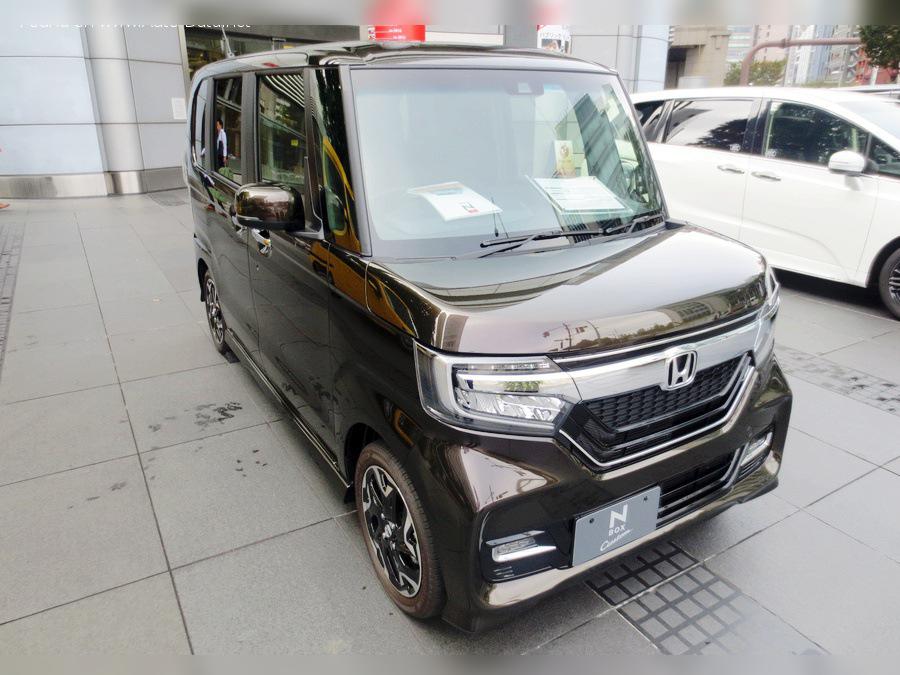


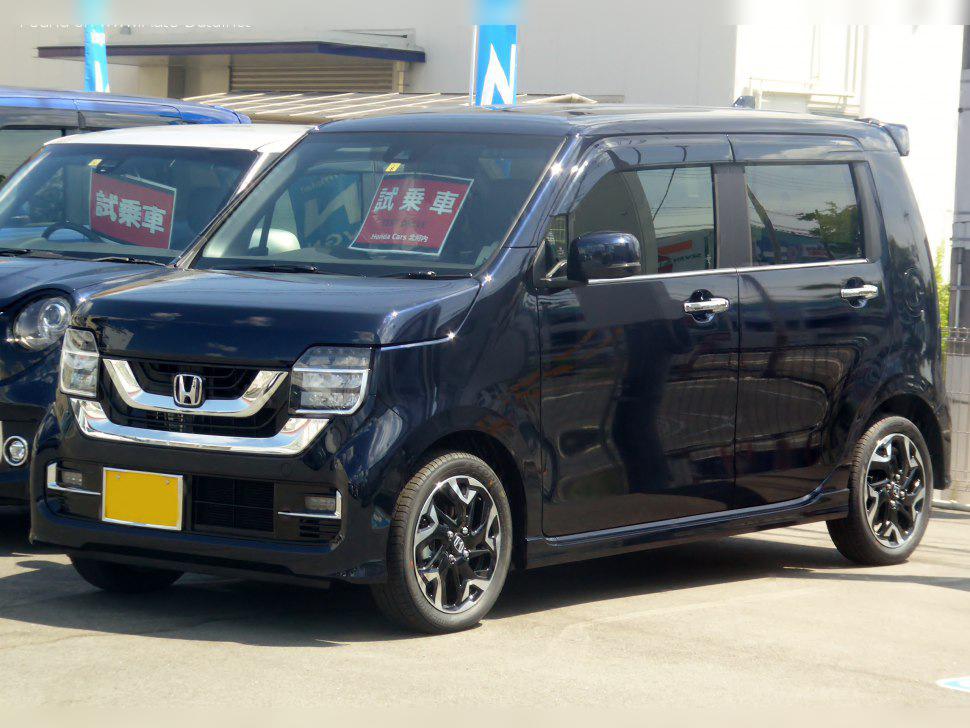
Honda S07B 0.7 Turbo: Experiences, problems, fuel consumption and buying used
Key points in short (TL;DR)
- Reliability: Typical for Honda, a mechanically very durable engine if service intervals are respected.
- Small oil capacity: The oil pan holds an extremely small amount of oil (under 3 liters), which means regular oil changes are critical.
- Purpose: This is a Kei car engine. A king of the city, but it struggles on open roads at speeds over 110 km/h due to aerodynamics and small displacement.
- Maintenance: It has a timing chain, which reduces major service costs, but requires high-quality oil.
- CVT gearbox: Most models come with a CVT transmission that requires an oil change every 2 years or 40,000 km.
- Fuel consumption: Extremely low in the city, but can increase drastically on the highway due to air resistance.
Contents
Introduction: A small giant of Japanese technology
The Honda S07B engine is the successor to the S07A series and represents the heart of Honda’s modern “N” series (N-Box, N-One, N-WGN). It is an engine designed to meet strict Japanese regulations for Kei cars, which limit displacement to 660 cc and power to 64 hp. Although these figures may sound modest to a European driver used to 1.6 or 2.0 diesels, the S07B is a technological masterpiece of miniaturization.
This three-cylinder uses advanced solutions such as sodium-filled exhaust valves (for better cooling) and an optimized turbocharger to provide maximum torque at low revs. It is not built for racing, but for maximum efficiency in urban environments. If you are considering importing such a car or have already bought one, it is important to understand that it is maintained a bit differently from standard European vehicles.
Technical specifications
| Feature | Data |
|---|---|
| Engine displacement | 658 cc (0.7 L) |
| Configuration | R3 (3 cylinders in line) |
| Power | 47 kW (64 hp) at 6000 rpm |
| Torque | 104 Nm at 2600 rpm |
| Engine code | S07B |
| Fuel injection system | PGM-FI (Port fuel injection) / VTEC on intake |
| Induction type | Turbocharger with intercooler |
Reliability and Maintenance
Timing system: Chain or belt?
The Honda S07B uses a timing chain for valve timing. This is great news for owners because there is no regular timing belt replacement every 5 years. The chain is designed to last as long as the engine, provided that the oil is changed regularly. However, given the small oil capacity and the high temperatures of a turbo engine, neglecting servicing can lead to chain stretch, which you will hear as a characteristic “rattling” sound on cold start.
Most common failures
Although the engine is very reliable, there are some specific issues:
- Turbo wastegate actuator: A common issue on small turbo engines. You may hear a metallic rattling sound when lifting off the throttle. If the lever sticks, the engine loses power or goes into safe mode.
- Deposits on intake valves (less pronounced): Although it uses port injection which washes the valves, city driving on short trips can lead to carbon buildup in the EGR system and intake manifold.
- Cooling system: Due to its small size, the engine is sensitive to overheating. Check coolant level regularly.
Service intervals and Oil
This is the most important part of the text. The S07B has an extremely small oil pan. The oil quantity is usually around 2.4 to 2.6 liters (with filter). Because of this small amount, the oil degrades faster.
- Recommended grade: Only 0W-20 (or 5W-30 if the engine has high mileage, but 0W-20 is the factory recommendation for efficiency).
- Minor service: Recommended every 8,000 to 10,000 km or once a year. Do not wait 15,000 km with only 2.5 liters of oil in the engine!
- Oil consumption: Honda engines are “tight”, but turbo versions can consume 200–400 ml per 1000 km if driven aggressively on the highway. Anything over half a liter is a red flag (rings or turbo).
Spark plugs
This petrol engine uses iridium spark plugs. The factory interval is often 100,000 km, but given the harsh operating conditions (city, stop-and-go), the recommendation is to inspect them at 60,000 km and replace if the electrodes are worn. Faulty spark plugs can quickly destroy the ignition coils.
Specific Parts and Costs
Flywheel and Clutch
Most of these models (N-Box, N-WGN) come with a CVT gearbox, which uses a torque converter, so there is no classic dual-mass flywheel that is such a nightmare on diesels. On Honda N-One RS models with a 6-speed manual gearbox, a single-mass flywheel or a very light dual-mass flywheel adapted to the low torque is used. In both cases, flywheel failures are extremely rare due to the engine’s low power (104 Nm does not create much stress).
Turbocharger and Fuel Injection
The engine has a small single turbocharger (usually Mitsubishi or IHI). Its service life is long, often over 200,000 km with proper maintenance. Fuel injection is electronic (PGM-FI), the injectors are reliable and not expensive to refurbish or replace compared to direct injection (GDI) or diesel. They are not as sensitive to fuel quality as modern diesels.
EGR and Emissions
It has an EGR valve that can clog due to city driving. Symptoms include rough idle. Cleaning is relatively inexpensive. No DPF filter (this is a petrol engine). No AdBlue system. This significantly reduces maintenance costs compared to diesels.
Fuel Consumption and Performance
Real-world fuel consumption
- City driving: This is where the S07B shines. Expect consumption between 5.5 and 6.5 l/100 km, depending on how heavy your right foot is and air conditioning use. The start-stop system helps in traffic jams.
- Open road (80–90 km/h): Very economical, can go down to 4.5–5 l/100 km.
On-road behavior and “Sluggishness”
Is the engine sluggish? In the city – absolutely not. The turbocharger delivers maximum torque already at 2600 rpm, and the CVT gearbox keeps the engine in the ideal range. Up to 60–70 km/h, these cars are surprisingly lively.
On the highway: The story changes. The N-Box is tall and boxy (aerodynamic drag). At 130 km/h, the engine is spinning at high revs (often over 3500–4000 rpm), noise is more pronounced, and fuel consumption jumps to over 8 l/100 km. This is not a car for long highway trips, even though it can handle them. Overtaking at speeds over 100 km/h requires planning.
Additional Options and Modifications
LPG
Technically, the engine is suitable for LPG conversion because it has port injection (it does not require expensive systems for direct injection). BUT: The biggest problem is space. These cars have no space for a spare wheel (they use a repair kit), and the trunk is minimal. Installing a tank would practically eliminate the luggage space. Given the low petrol consumption, the cost-effectiveness of LPG is questionable.
Chip Tuning (Stage 1)
The engine can be remapped, but the gains are limited. A Stage 1 tune usually raises power from 64 hp to about 70–75 hp and torque to 120 Nm. Since these engines are factory-limited by law, there is some “reserve”, but the CVT gearbox is the weak point. Increasing torque can shorten the lifespan of the CVT belt. Advice: Do not touch the factory map, the performance gain is not worth the risk to the gearbox.
Gearbox: CVT and Manual
Types of gearboxes
- CVT (Continuously Variable Transmission): Found in 95% of models. Honda makes excellent CVT gearboxes that simulate “shifting” to reduce the vacuum-cleaner effect.
- 6-speed manual: Available mainly in the N-One RS model. Short throws, precise, a real joy to drive.
Maintenance and Failures
CVT: The most common killer of CVT gearboxes is old oil. Service interval: Always change the oil in the CVT gearbox every 40,000 km or 2 years. Use only genuine Honda HCF-2 oil. If you notice juddering when setting off, slipping or whining, an oil change is probably needed or the gearbox has already been damaged by overheating.
Manual: Oil change every 60,000 km. The clutch is cheap (a clutch kit costs significantly less than on European diesels), and replacement is straightforward.
Buying used and Conclusion
Before buying a Honda model with the S07B engine, pay attention to the following:
- Chain noise: Listen to a cold start. If it rattles for longer than 2–3 seconds, the chain is due for replacement.
- Service history: Due to the small oil pan, proof of regular oil changes is crucial.
- CVT test: Under hard acceleration, revs should rise and the car should accelerate linearly, without jerks.
- Turbo: Check for smoke from the exhaust and listen for wastegate rattle when lifting off the throttle.
Conclusion:
The S07B engine is a fantastic engineering achievement. It is ideal for those who live in heavy traffic, want a car that is easy to park and very economical. It is not intended for sales reps who drive 500 km of highway per day. If you accept its limitations (speed, space) and service it regularly (change the oil more frequently), this is an engine that will serve you for years with minimal running costs.
Was this content useful to you?
Your opinion helps us to improve the quality of the content.