S07A Engine
- Engine
- 658 cm3
- Aspiration
- Turbocharger, Intercooler
- Fuel
- Petrol (Gasoline)
- Fuel injection system
- Multi-port manifold injection
- Power
- 64 hp @ 6000 rpm
- Torque
- 104 Nm @ 2600 rpm
- Cylinders
- 3
- Valves
- 12, 4 per cylinder
- Cylinders position
- Inline
- Valvetrain
- DOHC
- Oil capacity
- 2.6 l
- Coolant
- 5 l
# Vehicles powered by this engine
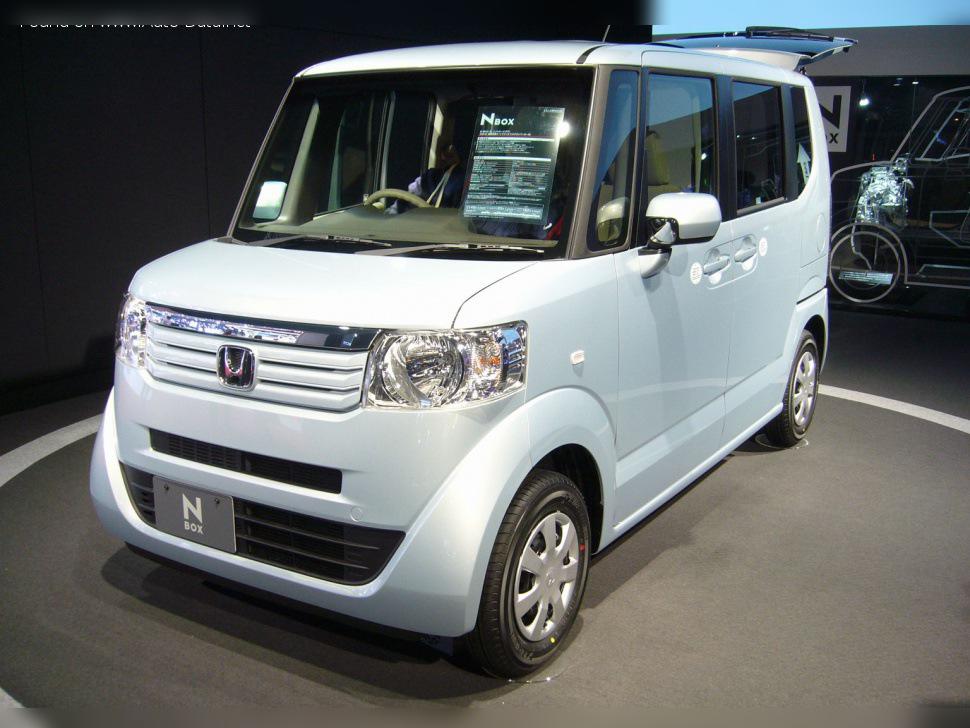
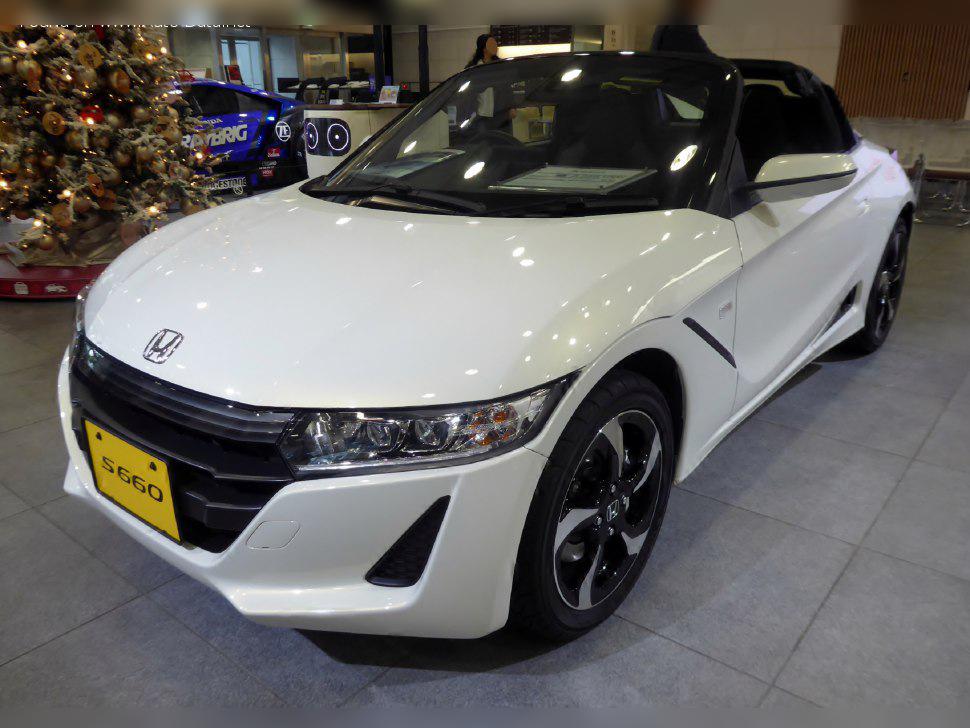
Honda S07A 0.66 Turbo: Experiences, Problems, Fuel Consumption and Buying Guide
The S07A engine is the heart of Honda’s modern Kei-class cars. Although its 658 cc displacement sounds like it belongs on a motorcycle, this three-cylinder turbocharged unit is a technological marvel of miniaturization. Designed to comply with strict Japanese regulations (maximum 64 hp), this engine offers surprisingly lively performance thanks to 104 Nm of torque.
It is installed in models that are completely opposite in purpose: from the boxy and practical Honda N-Box, to the small sports roadster Honda S660 (often called the “Baby NSX”). Although it is primarily intended for the Japanese market (JDM), many of these cars are imported second-hand into Europe (United Kingdom, Ireland, Cyprus, Russia) and other parts of the world, so understanding its maintenance is crucial for future owners.
Key points in short (TL;DR)
- Small oil capacity: The engine holds very little oil (under 3 liters), which means regular oil changes are critical for turbo longevity.
- Timing chain: Uses a timing chain, which is generally reliable with regular maintenance.
- City hero: Behaves ideally in city driving, but on the highway at speeds over 120 km/h it runs at high revs.
- Turbo sensitivity: Needs to be cooled down after spirited driving and requires high-quality synthetic oil.
- CVT transmission: Most models come with a CVT that requires specific fluid and some getting used to its sound and behavior.
- Fuel consumption: Extremely low in the city, but can increase drastically if the engine is pushed hard on open roads.
- Recommendation: An excellent choice for city traffic and for small sports car enthusiasts (S660), provided maintenance is done meticulously.
Contents
- Technical Specifications
- Reliability and Maintenance
- Specific Parts (Costs)
- Fuel Consumption and Performance
- Additional Options and Modifications
- Transmission
- Buying Used and Conclusion
Technical Specifications
| Parameter | Value |
|---|---|
| Engine code | S07A |
| Displacement | 658 cc (0.66 L) |
| Configuration | Inline, 3 cylinders, DOHC |
| Power | 47 kW (64 hp) @ 6000 rpm |
| Torque | 104 Nm @ 2600 rpm |
| Induction | Turbocharger + Intercooler |
| Fuel injection | PGM-FI (Multipoint injection) |
| Fuel type | Petrol (Recommendation: Premium unleaded for Turbo versions) |
Reliability and Maintenance
Timing system (Chain or Belt?)
The Honda S07A uses a timing chain, not a belt. This is good news for owners because, in theory, the chain is designed to last as long as the engine itself. However, in such small engines that rev quickly and endure high thermal loads, the chain can stretch if oil is not changed regularly. A rattling (metallic) noise on cold start is the first sign that the chain or the hydraulic chain tensioner is due for replacement.
Most common failures and symptoms
Although Honda is known for reliability, the S07A has a few specific weak points to watch out for:
- Clogged PCV valve: The crankcase ventilation system can become blocked, which leads to increased pressure in the engine and oil leaks at the seals.
- Turbocharger: Due to the small oil capacity, the turbo is sensitive to oil coking. If the engine is switched off immediately after hard driving, the turbo bearings suffer. Symptoms include a whistling sound under acceleration or blue smoke from the exhaust.
- Ignition coils: Coils can fail, causing rough running (engine running on 2 cylinders) and illuminating the “Check Engine” light.
Service intervals and oil
This is the most important aspect for this engine. The major service (chain inspection, water pump and auxiliary belt replacement) is usually done at around 100,000 to 120,000 km, or earlier if chain noise is present.
Engine oil: The sump capacity is extremely small – usually around 2.6 to 2.8 liters (with filter). Because of this small quantity, the oil degrades faster.
Recommended grade: 0W-20 (high-quality synthetic).
Change interval: Even if the manufacturer specifies longer intervals, for turbo engine longevity change the oil every 5,000 to 7,000 km or once a year.
Oil consumption
Low oil consumption between services is acceptable for turbo engines of this type, especially if driven hard (as with the S660). Consumption of up to 0.3 – 0.5 liters per 5,000 km can be considered within tolerance. Anything above that points to problems with piston rings or the turbocharger.
Spark plugs
This engine uses iridium spark plugs. Replacement is recommended every 80,000 to 100,000 km. Do not experiment with cheap plugs; use only NGK or Denso plugs specified for this engine to avoid misfires under turbo boost.
Specific Parts (Costs)
Flywheel and Clutch
Most models with the S07A engine come with a CVT transmission, which does not use a conventional flywheel. On models with a manual gearbox (e.g. Honda S660), a solid flywheel is used, which is a big advantage as it eliminates the expensive dual-mass flywheel replacement. The clutch kit itself is relatively affordable, but replacement can be complicated due to the cramped engine bay (especially with the mid-mounted engine in the S660).
Fuel injection system and Turbo
The engine uses PGM-FI port fuel injection (into the intake manifold), which is actually an advantage over direct injection because there are no issues with carbon buildup on intake valves. Injectors are durable and rarely cause problems.
The engine has a small low-pressure turbocharger that provides torque at low revs. With proper maintenance, turbo lifespan is around 150,000 – 200,000 km. Rebuilding or replacing it can be expensive (depends on the market).
EGR and Emissions
The S07A is equipped with an EGR valve to reduce NOx emissions. It can get dirty, especially in city driving, which leads to engine hesitation and rough running. Fortunately, it can be cleaned.
DPF and AdBlue: As this is a petrol engine, it does not have a DPF filter nor does it use AdBlue. It only has a conventional catalytic converter.
Fuel Consumption and Performance
Real-world fuel consumption
This engine is a fuel economy champion, but only under certain conditions.
- City driving: Expect between 5.0 and 6.5 l/100 km, depending on how heavy your right foot is and how often you use the air conditioning. The start-stop system (if fitted) helps further.
- Open road (up to 90 km/h): Consumption can drop below 4.5 l/100 km.
- Highway (130 km/h): This is where the engine struggles. Fuel consumption jumps to 7.0 – 8.5 l/100 km because the small turbo engine has to rev high to maintain speed and overcome aerodynamic drag (especially in the boxy N-Box).
Is the engine “lazy”?
On paper, 64 hp looks modest. In practice, thanks to the turbocharger and 104 Nm of torque available as low as 2600 rpm, the engine is surprisingly lively in city driving (0–60 km/h). The cars it powers are light (under 1000 kg), so you won’t feel sluggish in urban conditions. However, overtaking on country roads requires planning.
Highway behavior
At 130 km/h, depending on the gearbox (CVT or manual), the engine spins at a high 3500–4000+ rpm. Cabin noise becomes more noticeable, and there is very little power reserve for further acceleration. This is not an engine for long highway trips, even though it can technically handle them.
Additional Options and Modifications
LPG conversion
Technically, installing LPG is possible and straightforward because the engine uses port injection. However, the practical problem is space. These cars have no spare wheel well that could house the tank, and the boot is already tiny. Installing a tank would practically eliminate luggage space. Also, given the already low petrol consumption, the financial benefit is questionable.
Chip tuning (Stage 1)
Since this is a turbo engine, there is potential to “unlock” more power. Japanese regulations limit output to 64 hp, but the engine can realistically produce more.
Stage 1: With a safe remap (e.g. Hondata FlashPro), power can be raised to about 75–80 hp. This significantly changes the character of the car. Keep in mind, however, that the CVT transmission has its own torque limits, while the manual gearbox in the S660 is more robust and better suited to handle the extra power.
Transmission
Types of transmissions
- CVT (Continuously Variable Transmission): Standard in most models (N-Box). Honda’s “Earth Dreams” CVT is one of the better ones, but it still has that “scooter” effect where revs flare up and speed follows more slowly.
- 6-speed manual gearbox: Available in the sporty S660 model. This is a real gem – short throws, precise, and provides an excellent driving feel.
Transmission maintenance and failures
CVT: Sensitive to fluid quality. CVT fluid should be changed every 40,000 km (or every 2 years). Use only genuine Honda HCF-2 fluid. Symptoms of problems include juddering when taking off or whining noises from the transmission.
Manual: Very reliable. Gearbox oil should be changed at 60,000 km. There is no dual-mass flywheel, so clutch kit replacement is cheaper (market-dependent: moderately expensive due to labor, parts themselves are not very costly).
Buying Used and Conclusion
Before buying a car with the S07A engine, make sure to do the following:
- Cold start: Listen for timing chain rattle during the first 3–5 seconds of operation.
- Oil check: Pull out the dipstick. If the oil is black like tar or the level is low, walk away. This engine does not forgive poor maintenance.
- Test drive: Accelerate hard. If you feel hesitation or hear a siren-like whistle, the turbo may be on its way out.
- Service history: Due to the small oil capacity, proof of regular servicing is more valuable than low mileage.
Conclusion: The Honda S07A is a fantastic little engine that proves displacement is not everything when it comes to fun or practicality. In the N-Box it offers incredible usability in the city, while in the S660 it puts a smile on your face in the corners. It is ideal for drivers who spend most of their time in the city or on secondary roads and who are disciplined about regular maintenance.
Was this content useful to you?
Your opinion helps us to improve the quality of the content.