H22A4 Engine
- Engine
- 2157 cm3
- Aspiration
- Naturally aspirated engine
- Fuel
- Petrol (Gasoline)
- Fuel injection system
- Multi-port manifold injection
- Power
- 200 hp @ 7100 rpm
- Torque
- 210 Nm @ 5800 rpm
- Cylinders
- 4
- Valves
- 16, 4 per cylinder
- Cylinders position
- Inline
- Valvetrain
- DOHC
- Oil capacity
- 4.8 l
- Coolant
- 6.9 l
# Vehicles powered by this engine
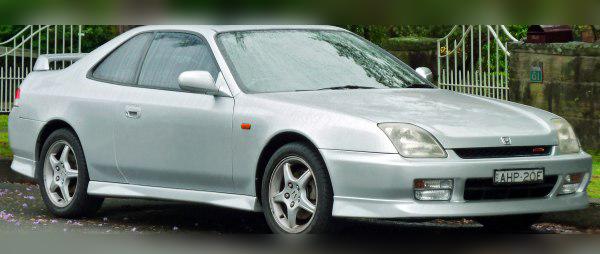
Honda H22A4 (2.2 VTEC) – experiences, issues, fuel consumption and used car buying guide
Key points (TL;DR)
- Performance: The H22A4 is a legendary Honda engine with VTEC that gives it “two faces” – tame at low RPM, aggressive above 5,200 rpm.
- Oil consumption: Due to its specific FRM sleeves, oil consumption is common, especially in VTEC mode. Regular checks are mandatory.
- Automatic gearbox: SportShift automatic transmissions paired with this engine are notoriously unreliable. Avoid at all costs.
- Timing service: The engine uses a timing belt (two belts, one for timing, one for balance shafts). The hydraulic tensioner is a weak point.
- Maintenance: Requires high-quality oil and strict adherence to service intervals. This is not an engine that tolerates neglect.
- Recommendation: An excellent choice for enthusiasts looking for a manual gearbox, but it requires a budget suitable for maintaining an old sports car.
Contents
- Introduction and applications
- Technical specifications
- Reliability and maintenance
- Specific parts and systems
- Fuel consumption and performance
- Additional options and modifications
- Gearbox (manual and automatic)
- Buying used and conclusion
Introduction and applications
The Honda H22A4 is one of those engines that defined the 1990s in the world of affordable sports coupes. It is a 2.2-liter DOHC VTEC unit that was primarily installed in the fifth generation of the Honda Prelude (model years 1997–2001). Unlike the smaller B-series engines (as in the Civic), the H-series is Honda’s so‑called “Big Block” four‑cylinder, designed to offer more torque needed for the heavier Prelude body.
This engine is specific in that it uses FRM (Fiber Reinforced Metal) sleeves, a technology borrowed from the NSX, which reduces friction but complicates major overhauls. The H22A4 is one of the last gasps of Honda’s “golden era” naturally aspirated engines before the switch to the K‑series, and today it enjoys cult status among Japanese car enthusiasts.
Technical specifications
| Parameter | Value |
|---|---|
| Displacement | 2157 cc (2.2 L) |
| Power | 147 kW (200 hp) @ 7000 rpm |
| Torque | 210 Nm @ 5250 rpm |
| Engine code | H22A4 |
| Injection type | PGM-FI (multi‑point indirect) |
| Configuration | Inline 4‑cylinder, DOHC VTEC |
| Aspiration | Naturally aspirated |
Reliability and maintenance
Timing system: belt or chain?
The H22A4 uses a timing belt. However, things are a bit more complicated – there are two belts. One is the main timing belt that drives the camshafts, and the other is a smaller belt that drives the balance shafts (to reduce vibrations in this large‑displacement four‑cylinder).
Critical point: The factory hydraulic tensioner for the timing belt is known as a weak link. Over time it can fail, causing the belt to jump teeth and resulting in catastrophic engine damage (pistons hitting valves). Many experienced mechanics recommend converting to a mechanical tensioner from the older H23 engine for peace of mind.
Most common failures
Besides the tensioner mentioned above, the most common issues include oil leaks from the camshaft seals, crankshaft seal, and the infamous VTEC solenoid (the gasket hardens and starts leaking oil). The distributor is also known to cause problems due to internal oil leaks or electronic failure, which can lead to stalling or a no‑start condition. Clogged EGR passages in the intake manifold are very common, causing rough idle and a “Check Engine” light.
Major and minor service
The major service (replacement of belts, tensioner, and water pump) is done every 100,000 km or every 5 years, whichever comes first. Considering the age of these cars, I recommend shortening the interval to 80,000 km.
The oil capacity is about 4.8 to 5.0 liters (with filter). The recommended viscosity is 5W-30 or 10W-30, although for higher‑mileage engines in warmer climates many owners switch to 10W-40.
Oil consumption
Yes, this engine consumes oil, and that is almost a factory trait rather than a fault. Due to the FRM sleeves and high revs, consumption of 0.5 to 1 liter per 1,000 km can be considered “acceptable” if the car is often driven in VTEC (above 5,200 rpm). If it is driven gently, oil consumption should be minimal. If you see blue smoke from the exhaust when accelerating or on engine braking, the piston rings are likely worn.
Spark plugs and valves
Spark plugs should be replaced every 40,000 km (standard copper plugs, which Honda likes), or up to 100,000 km if you use iridium plugs (NGK is the go‑to brand for Honda). It is also important to note that this engine does not have hydraulic lifters, so valve adjustment is done manually, recommended every 40,000 km.
Specific parts and systems (costs)
Fuel injection system and flywheel
The engine uses a classic PGM-FI injection system. The injectors are extremely durable and rarely cause problems. As for the flywheel, manual‑transmission models usually use a solid (conventional) flywheel, which significantly reduces clutch replacement costs compared to modern diesels. There is no dual‑mass flywheel to worry about.
Turbo, DPF, EGR, AdBlue?
- Turbo: None. This is a pure naturally aspirated engine. Its lifespan is long if maintained properly, as there is no turbo to overheat and fail.
- EGR valve: It does have one. The EGR ports (small passages) in the intake manifold often get clogged with soot. Symptoms include jerking at light throttle and a fault code on the dash. Cleaning is cheap (DIY‑friendly), but fiddly.
- DPF / AdBlue: None. The engine was designed before the era of strict Euro emissions standards that require these systems. That means fewer sensors and fewer headaches.
Fuel consumption and performance
Real‑world fuel consumption
Don’t expect miracles. The H22A4 is an old‑school engine.
City driving: Realistically between 11 and 14 liters per 100 km, depending on how heavy your right foot is. More in winter.
Highway / open road: It can go down to 8 to 9 liters per 100 km with moderate driving.
Is the engine “lazy”?
By modern turbo standards, it can feel lazy below 4,000 rpm. The 210 Nm of torque is available high in the rev range. However, the engine is not sluggish; it just likes to be revved. In the Honda Prelude, which is not a light car (around 1300–1350 kg), the engine copes quite well with the body, but the real fun only starts when VTEC kicks in.
Behavior on the motorway
The (manual) gearbox has relatively short ratios for better acceleration. This means that at 130 km/h the engine spins at around 3,500 to 4,000 rpm (depending on whether it’s the M2Y4 or M2Z4 gearbox). This results in more noise in the cabin and higher fuel consumption on long trips. It’s not an ideal quiet cruiser, but there is always enough power for overtaking without needing to downshift.
Additional options and modifications
LPG (autogas)
Yes, the H22A4 can be converted to LPG, but it requires a top‑quality sequential system and a specialist who knows what they’re doing. Due to the high revs and VTEC cam switchover, the LPG map must be perfect to avoid a lean mixture at high rpm (which melts pistons). A valve lubrication system (“valve saver” drip) is also recommended, as Honda heads are not the most resistant to the higher combustion temperatures of LPG over long periods.
ECU remap (Stage 1)
On naturally aspirated petrol engines, a “Stage 1” remap is mostly a waste of money. You might gain 5 to 8 hp, better throttle response and an earlier VTEC engagement point, but without changes to the intake and exhaust, the gains are minimal. Proper tuning of this engine is expensive and mechanical (cams, pistons, head work).
Gearbox
Types of gearboxes
Two types of transmissions were paired with the H22A4:
- 5‑speed manual: Codes M2Y4 (Base model) or M2Z4 (Type SH with ATTS system).
- 4‑speed automatic: Known as “SportShift” (sequential shifting).
Gearbox problems
Manual: Very reliable. The most common issue is a worn 5th‑gear synchro that can cause grinding (“5th gear grind”), or 3rd‑gear synchro in cars that are driven hard. Clutch replacement is a standard expense; a clutch kit (pressure plate, disc, release bearing) costs from 150 to 300 EUR (depending on market and brand).
Automatic: A DISASTER. The automatic transmissions in the 5th‑gen Prelude are notoriously bad. They have a design flaw that leads to overheating, slipping, and complete failure often even before 150,000 km. Rebuilds are very expensive and often not worth it.
Gearbox maintenance
The oil in the manual gearbox (Honda MTF – Manual Transmission Fluid) should be changed every 40,000 to 60,000 km. In the automatic gearbox (if you are unlucky enough to have one), change the oil every second engine oil change (around 20,000 km) to at least prolong its agony.
Buying used and conclusion
When buying a Honda with the H22A4 engine, it is crucial to check the following:
- Cold start: Listen for ticking from the top of the engine (valves) or deeper knocking (crankshaft bearings).
- VTEC test: Once the engine is warm, accelerate at full throttle. At around 5,200 rpm you should feel and hear a change in sound and a sudden surge in power. If there is no “kick” or the engine hesitates, there is a problem (oil pressure, solenoid, ECU).
- Smoke: Have someone drive behind you. Blue smoke when “VTEC‑ing” means the engine is burning oil (FRM sleeves/rings are done). This is an expensive repair because the FRM block cannot simply be rebored by any local machine shop.
- Gearbox: If it’s an automatic, jerking when shifting from P to D, or delayed gear changes, means the gearbox is on its way out.
Conclusion:
The H22A4 is a fantastic engineering achievement for its time. It is aimed at drivers who enjoy the sound of a high‑revving engine and a direct driving feel. It is not for those who want an economical city car (“from point A to point B”). If you find a well‑maintained example with a manual gearbox, you will get one of the most entertaining coupes of the 90s. Avoid automatics and neglected cars that burn oil “like a deep fryer”.
Was this content useful to you?
Your opinion helps us to improve the quality of the content.