L12B Engine
- Engine
- 1199 cm3
- Aspiration
- Naturally aspirated engine
- Fuel
- Petrol (Gasoline)
- Power
- 90 hp @ 6000 rpm
- Torque
- 110 Nm @ 4800 rpm
- Cylinders
- 4
- Valves
- 16, 4 per cylinder
- Cylinders position
- Inline
- Valvetrain
- SOHC
- Oil capacity
- 3.2 l
- Coolant
- 3.6 l
- Systems
- Start & Stop System
# Vehicles powered by this engine

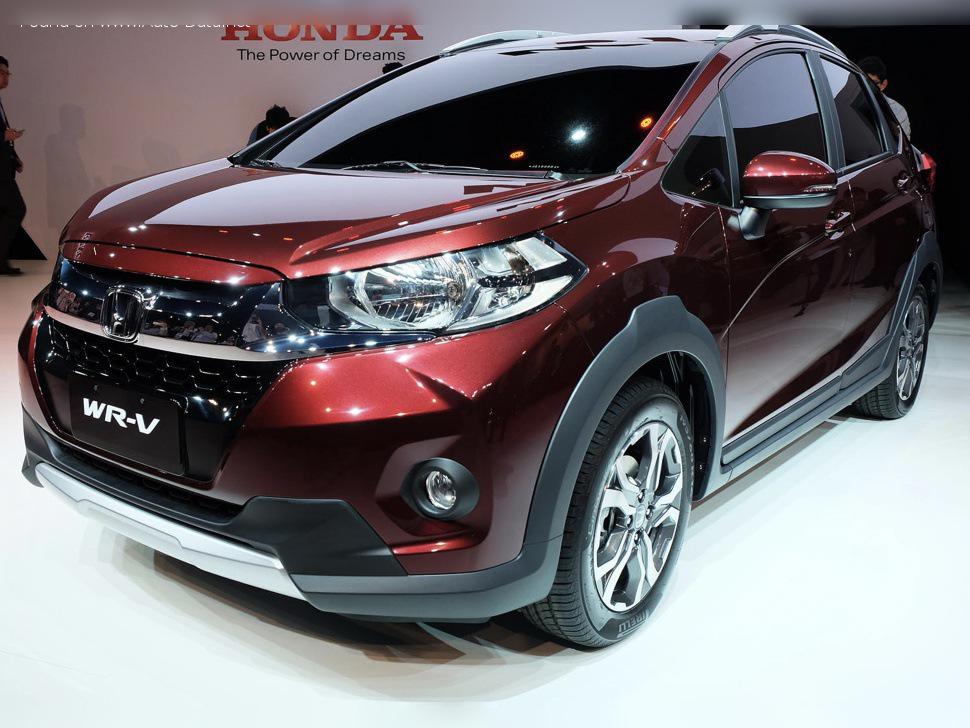
Honda 1.2 i-VTEC (L12B): Experiences, problems, fuel consumption and buying tips
Key points (TL;DR)
- Reliability: Extremely reliable (“bulletproof”) engine, typical for Honda. Failures are rare with regular maintenance.
- Timing drive: Uses a chain, not a timing belt, which significantly reduces regular maintenance costs.
- Performance: The engine is naturally aspirated (no turbo) and with 110 Nm of torque it feels “lazy” in heavier bodies, especially on uphill sections.
- LPG: An excellent candidate for LPG conversion due to the injection system, but requires regular valve clearance checks.
- Gearbox: Comes with a precise manual or a CVT automatic. The CVT requires strict oil change intervals.
- Maintenance: Generally cheap to maintain (no dual-mass flywheel, no turbo, no DPF).
- Use case: Ideal for city driving and regional roads; not recommended for frequent high‑speed motorway driving.
Contents
- Introduction and engine applications
- Technical specifications
- Reliability and maintenance
- Specific parts and costs
- Fuel consumption and performance
- Additional options and modifications
- Gearbox (manual and CVT)
- Used car checklist and conclusion
Introduction and engine applications
The Honda L12B (part of the L-series engines) is a classic example of Japanese engineering philosophy: simplicity, efficiency and durability. This 1.2‑liter i-VTEC engine is the smaller sibling of the popular 1.5 unit found in the Jazz and HR-V. It is primarily installed in the Honda WR-V, a compact crossover aimed at drivers who want a higher seating position but don’t want complicated mechanics.
Unlike modern European downsized engines that squeeze a lot of power out of small displacement with a turbocharger, Honda here sticks to a proven naturally aspirated concept. That means fewer parts that can fail, but also a different driving character you need to get used to.
Technical specifications
| Parameter | Value |
|---|---|
| Engine code | L12B |
| Displacement | 1199 cc (1.2 L) |
| Power | 66 kW (90 hp) @ 6000 rpm |
| Torque | 110 Nm @ 4800 rpm |
| Fuel type | Petrol (Gasoline) |
| Induction | Naturally aspirated |
| Fuel injection | PGM-FI (multi-point indirect injection) |
| Valve train | SOHC i-VTEC (chain driven) |
Reliability and maintenance
Timing system: chain or belt?
Good news for your wallet: the Honda L12B uses a timing chain to drive the camshaft. Honda chains are known for their durability and rarely cause problems before 200,000 or 250,000 km, provided the oil has been changed regularly. There is no scheduled replacement interval; it is replaced only if it starts to make noise (rattling on cold start).
Most common issues
This is one of those engines where the list of common faults is very short. Still, pay attention to:
- Valve adjustment: Honda uses mechanical valve lifters. This means valve clearance must be physically checked and adjusted (usually every 40,000 to 60,000 km, or if you hear a characteristic ticking noise). This is crucial for engine longevity, and many mechanics tend to skip it.
- Throttle body contamination: Symptoms are unstable idle or stalling when coming to a stop. Cleaning the throttle body solves the problem.
- EGR passages: On cars used mostly in city traffic, EGR passages can clog with soot, which will trigger the “Check Engine” light.
Service intervals and oil
A minor service is recommended every 10,000 to 15,000 km (or once a year). The engine takes about 3.6 liters of oil (with filter). The recommended viscosity is 0W-20 for maximum efficiency and cold-start protection, although in hotter climates 5W-30 can also be used.
Oil consumption on a healthy L12B is minimal. Up to 0.5 liters per 10,000 km can be considered acceptable, but most owners don’t need to top up between services. If it consumes more, the issue is usually a faulty PCV valve or (less often) worn piston rings due to poor maintenance in the past.
There is no traditional major service because of the chain. However, at around 100,000 – 120,000 km you should check and, if necessary, replace the auxiliary (serpentine) belt, tensioner and water pump.
Spark plugs: If iridium plugs are used (standard on newer Hondas), the replacement interval is around 100,000 km. If standard nickel plugs are used, they should be replaced every 40,000 km.
Specific parts (costs)
Dual-mass flywheel and clutch
A big advantage of this engine: the L12B does not have a dual-mass flywheel. It uses a conventional solid flywheel. The clutch kit (pressure plate, disc, release bearing) is relatively cheap and straightforward to replace. This significantly reduces running costs on a used car.
Turbo, DPF, injection system
More good news. This engine does not have a turbocharger, which means you don’t have to worry about turbo overhauls, intercoolers or oil leaks on those components.
The fuel system is classic indirect injection (PGM-FI). The injectors are robust, tolerant of poorer fuel quality and rarely fail. They are not expensive to clean or replace (unlike direct injection systems).
Being a petrol engine, it does not have a DPF filter and does not use AdBlue fluid. It does have a catalytic converter that lasts a very long time, unless the engine burns a lot of oil or is driven with an ignition fault.
Fuel consumption and performance
City driving
In the city this engine is in its element. Real-world consumption is between 6.5 and 7.5 l/100 km, depending on traffic and driving style. The CVT gearbox can further reduce consumption in stop‑and‑go conditions.
Is the engine “lazy”?
To be honest – yes, especially in a model like the WR-V, which has a higher center of gravity and a larger frontal area. With 110 Nm of torque available only at a high 4800 rpm, you should not expect explosive acceleration.
For overtaking or climbing steep hills, you have to rev the engine close to the redline. If the car is fully loaded with passengers and luggage, the lack of power is noticeable. Drivers used to diesels or turbo petrol engines will feel that the car is “struggling”.
Motorway driving
On the motorway the engine runs at high revs. At 130 km/h, engine speed is often around 3500–4000 rpm (depending on the gearbox). This creates noticeable noise in the cabin. Fuel consumption then rises and can reach 7.5 – 8.5 l/100 km due to the poor aerodynamics of the crossover body and the need to keep the revs high to maintain speed.
Additional options and modifications
LPG conversion
This is an excellent engine for LPG. Thanks to indirect injection, installation is simple, inexpensive (standard sequential systems) and pays off quickly. However, Honda engines are sensitive to valve operating temperatures. If you run on LPG, be sure to check valve clearances every 30,000 km and consider installing a valve lubrication system (“valve saver”), although it is not strictly necessary if valve adjustment is done regularly.
Remapping (Stage 1)
It’s not worth it. On a small-displacement naturally aspirated petrol engine, a Stage 1 remap might give you 3 to 5 hp, which is imperceptible in real driving. Don’t waste money on “chipping” this engine; invest in quality tyres or regular servicing instead.
Gearbox
Manual gearbox (5-speed)
Honda’s manual gearboxes are among the best in the world in terms of shift feel (that precise “click‑clack” action). They are very reliable. The gearbox oil (MTF) should be changed every 60,000 to 80,000 km to preserve that precision. Failures are extremely rare.
CVT automatic gearbox
This engine is often paired with a CVT (Continuously Variable Transmission). It has no fixed gears but constantly varies the ratio.
- Advantages: Extremely smooth in city driving, keeps the engine in its optimal operating range.
- Disadvantages: “Scooter” or “rubber band” effect – when you press the throttle, revs jump up and the engine drones while the car accelerates gradually.
- Maintenance: Critical! The CVT fluid (only Honda HCF-2 or an equivalent high‑quality fluid) must be changed every 40,000 km (severe conditions) to 60,000 km. If the oil is not changed, the CVT will start to slip, jerk and eventually fail, which is a very expensive repair (depending on the market, often over 1500 EUR).
Used car checklist and conclusion
Before buying, make sure to check:
- Service history: Whether the oil has been changed regularly (important for the chain) and whether the CVT fluid has been changed (if it’s an automatic).
- Cold start: Listen to the engine at the first start of the day. Rattling that lasts longer than 2–3 seconds may indicate a stretched chain or a tensioner issue.
- Idle: The engine should idle smoothly. Fluctuations may indicate a dirty throttle body or out‑of‑spec valve clearances.
- Air conditioning: Check whether the A/C compressor engages without strange noises (a common weak point on smaller Hondas).
Conclusion
The Honda WR-V with the 1.2 i-VTEC (L12B) engine is one of the most rational choices for drivers who don’t prioritize performance. This is a car you buy with your “head”. It offers low running costs, excellent practicality and legendary reliability.
If you need a car for city use, school runs and occasional trips, and you want to avoid the expensive failures of modern diesels – this is the right purchase. If you often drive on the motorway or enjoy sporty driving, this engine will disappoint you.
Was this content useful to you?
Your opinion helps us to improve the quality of the content.