Gamma II / G4FJ Engine
- Engine
- 1591 cm3
- Aspiration
- Turbocharger, Intercooler
- Fuel
- Petrol (Gasoline)
- Fuel injection system
- Direct injection
- Power
- 204 hp @ 5500 rpm
- Torque
- 265 Nm @ 1750 rpm
- Cylinders
- 4
- Valves
- 16, 4 per cylinder
- Cylinders position
- Inline
- Valvetrain
- D-CVVT
- Oil capacity
- 4.5 l
- Coolant
- 5.8 l
- Systems
- Start & Stop System, Particulate filter
# Vehicles powered by this engine
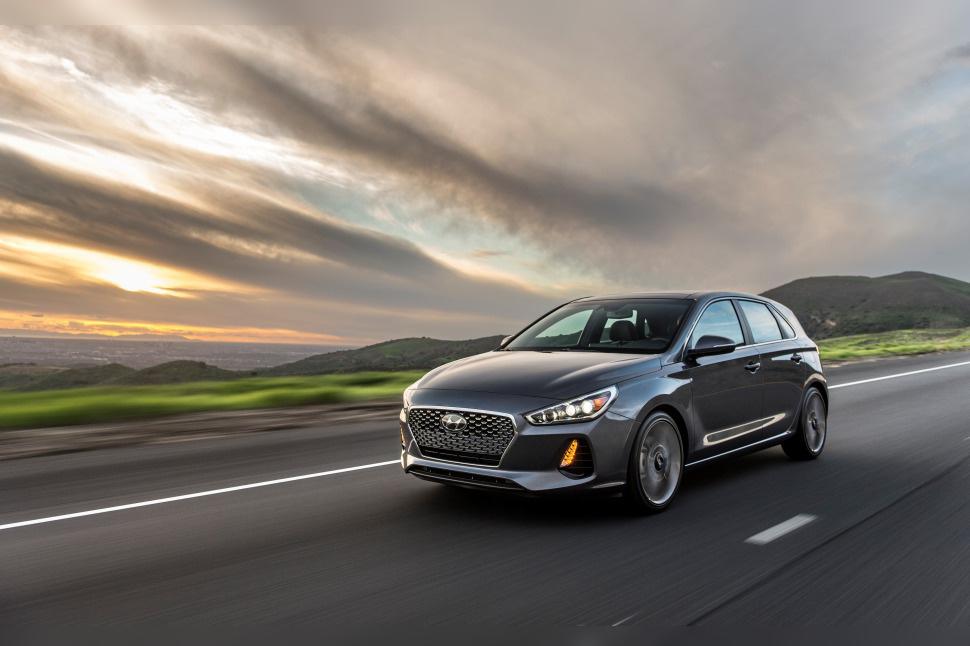
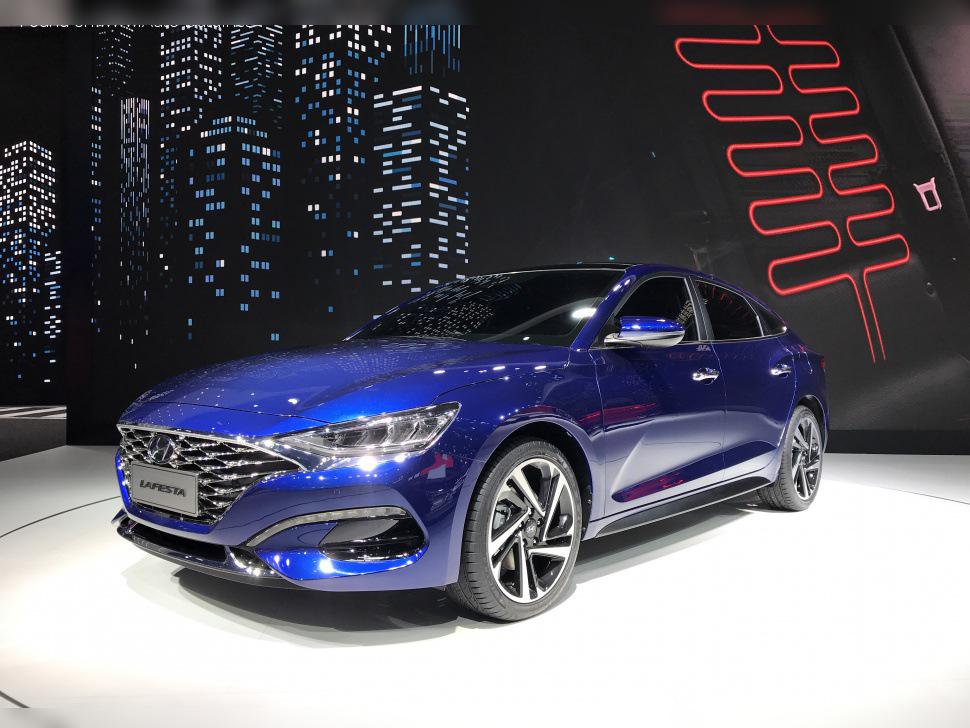
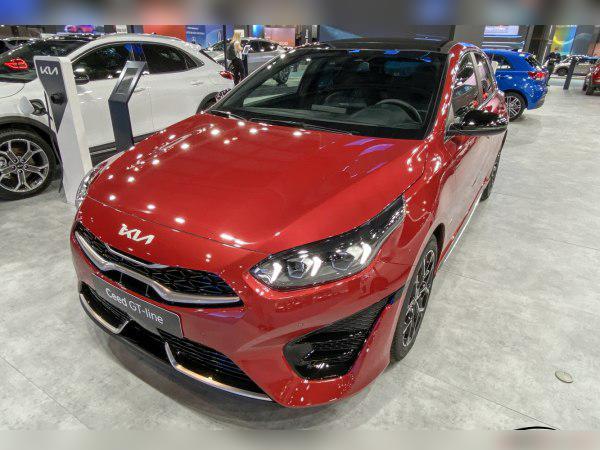
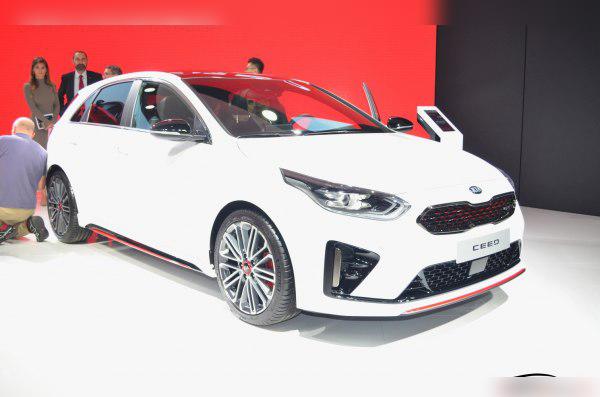
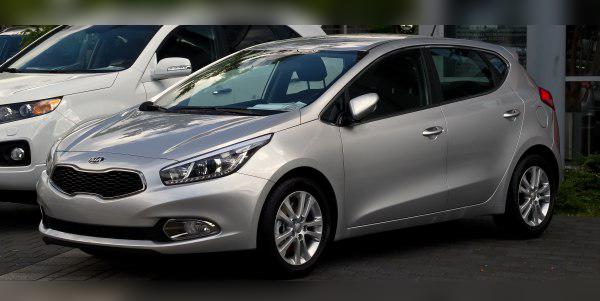



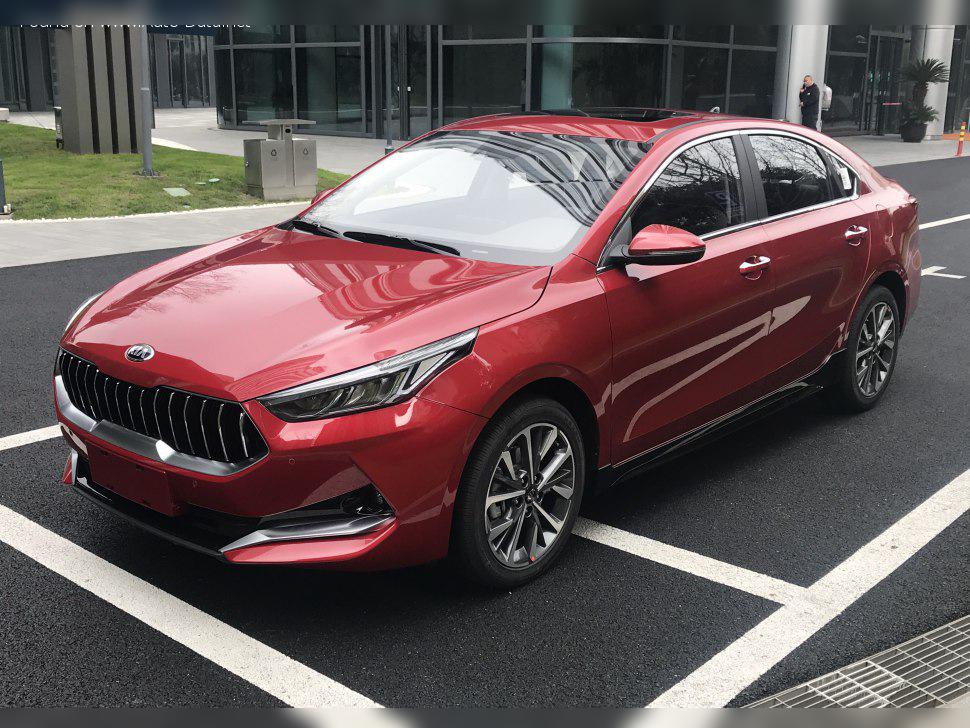
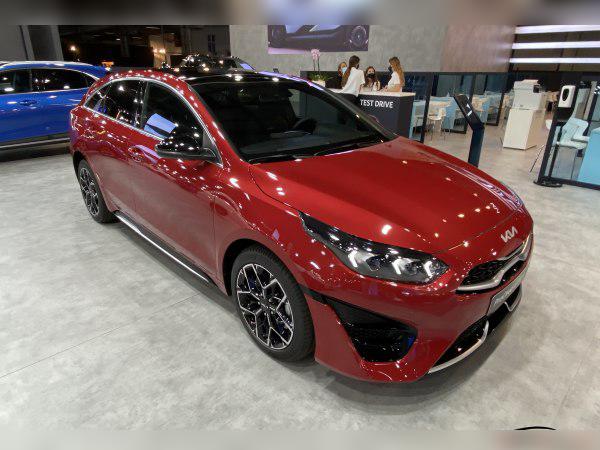
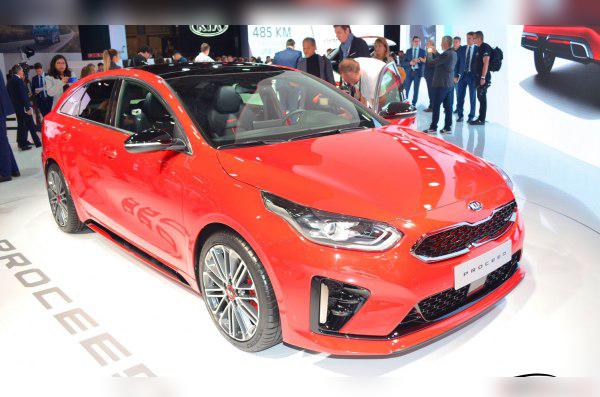
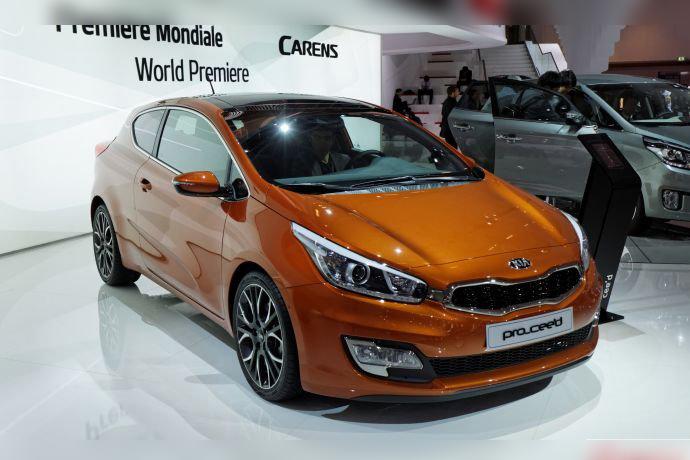
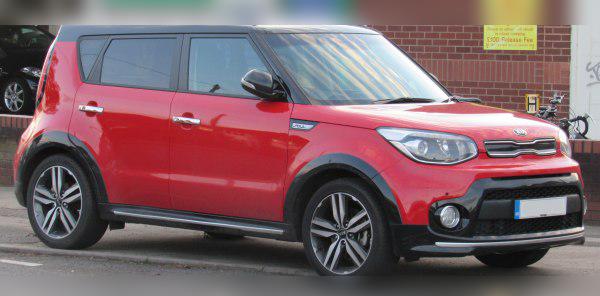


1.6 T-GDI (G4FJ) Gamma II 204 HP: Experiences, issues, fuel consumption and buying tips
Key points (TL;DR)
- Performance: Excellent power-to-displacement ratio. The engine is lively, loves revs and turns an ordinary Ceed into a proper warm hatch.
- Main enemy: Carbon buildup on intake valves due to direct injection. This requires cleaning at higher mileage.
- Gearbox (DCT): The 7-speed dual-clutch automatic is a dry-clutch type. In heavy city traffic it heats up faster and wears the clutch pack sooner than wet-clutch DSG gearboxes.
- Fuel consumption: Not an economy champion. In the city, expect double-digit consumption if you have a heavy right foot.
- Maintenance: Requires strict oil changes (maximum 10,000 km) due to the turbocharger and GDI technology.
- Conclusion: Fun and fairly reliable engine if properly maintained, but more expensive to run than standard naturally aspirated units.
Contents
- Introduction and applications
- Technical specifications
- Reliability and maintenance
- Specific parts and costs
- Fuel consumption and performance
- Additional options and modifications
- Gearbox (manual and DCT)
- Used car buying guide and conclusion
Introduction and applications
The 1.6 T-GDI engine (code G4FJ) from the Hyundai-Kia group is the heart of their sporty ambitions in the compact class. It belongs to the Gamma II engine family. With its 204 HP (150 kW), this unit is not built to break Nürburgring records fighting Honda Type R, but to offer everyday usability with a serious dose of fun.
You will most often find it in GT versions of the Kia Ceed, ProCeed and XCeed, as well as in Hyundai models such as the Elantra GT. It transforms these cars from simple “A-to-B transportation” into machines that put a smile on your face, offering performance once reserved for much more expensive vehicles.
Technical specifications
| Specification | Data |
|---|---|
| Engine displacement | 1591 cc |
| Power | 150 kW (204 HP) at 6000 rpm |
| Torque | 265 Nm at 1500–4500 rpm |
| Engine code | G4FJ (Gamma II family) |
| Injection type | GDI (Gasoline Direct Injection) – direct injection |
| Charging | Twin-scroll turbocharger + intercooler |
| Camshaft drive | Chain |
Reliability and maintenance
This engine is considered a fairly robust unit, but like every modern downsized high-performance turbo petrol, it does not tolerate neglect.
Timing system: chain or belt?
The 1.6 T-GDI uses a timing chain for valve timing. In theory, the chain is “lifetime”, but in practice that means around 200,000 km, or earlier if oil changes are infrequent. Symptoms of a stretched chain are metallic rattling on cold start that lasts a few seconds. If you hear this rattle, do not ignore it – replacing the chain kit is necessary to avoid catastrophic failure.
Most common issues
Besides the chain that can stretch (although less often than on first-generation VW TSI engines), the main problem is LSPI (Low Speed Pre-Ignition). This is uncontrolled combustion (detonation) at low revs under high load (e.g. flooring the throttle at 1500 rpm in a high gear). This can lead to cracked pistons. To avoid this, always use quality engine oil and avoid lugging the engine at low revs.
Another common issue is failing coil packs, which can cause rough running and misfires.
Service intervals and oil
Even if the manufacturer specifies longer intervals (so-called Long Life), for this engine that is a death sentence.
Minor service: Do it strictly every 10,000 km or once a year.
Major service: There is no fixed interval because of the chain, but an inspection is recommended after 120,000 km. Replacement of the auxiliary belt, tensioner and water pump is done as needed or preventively around 100,000–120,000 km.
Oil quantity and type: The engine takes approximately 3.6 to 4.5 litres (depending on sump and filter, check precisely by VIN, but always buy 5L). Recommended viscosity is 5W-30 or 5W-40. Make sure it meets ACEA A5 or the newer ACEA C3 spec if the car has a GPF.
Oil consumption
This engine is not known for extreme oil consumption like some competitors. Consumption up to 0.5 litres per 10,000 km is considered completely normal, especially with spirited driving. If it uses more than a litre between services, check the turbocharger and piston rings.
Specific parts and costs
Dual-mass flywheel
Yes, it has one. Both manual gearbox versions and 7-speed DCT automatic versions are equipped with a dual-mass flywheel (DMF). Its role is to reduce engine vibrations. Replacement is expensive (expect 600€ and up just for the part, depending on manufacturer and market).
Injection system and injectors
It uses high-pressure direct injection (GDI). Injectors are generally reliable but sensitive to poor fuel quality.
Main GDI issue: Since fuel does not pass over the intake valves (it goes directly into the cylinder), the valves are not “washed”. Over time, carbon builds up on the intake valves.
Symptoms: Power loss, rough idle, increased fuel consumption. The solution is mechanical cleaning of the valves (“walnut shell blasting”) every 60,000–80,000 km.
Turbocharger
The engine uses a single twin-scroll turbocharger (often BorgWarner). Twin-scroll technology allows quicker throttle response (less turbo lag). Service life is long (over 200,000 km) with regular oil changes and proper cooldown after hard driving. Rebuild is possible and the price is average (moderately expensive).
DPF / GPF and EGR
Petrol engines do not have a DPF, but newer models (mainly from 2018 onwards and Euro 6d-TEMP, such as Ceed III and XCeed) have a GPF (Gasoline Particulate Filter). It clogs less often than a diesel DPF because exhaust gas temperatures are higher on petrol engines, so passive regeneration happens more frequently. There is an EGR valve and it can get dirty, but it is a smaller issue than carbon buildup on valves.
Fuel consumption and performance
Real-world fuel consumption
Let’s be honest – 204 horses need to drink.
City driving: Expect between 9 and 11 l/100 km. In heavy traffic and winter, this easily goes to 12L.
Country roads: It is possible to get it down to 6.5–7.5 l/100 km.
Motorway: At 130 km/h it uses around 7.5–8.5 l/100 km.
Performance and “laziness”
The engine is anything but lazy. With 265 Nm of torque available from just 1500 rpm, the car pulls very well from low revs. The twin-scroll turbo makes power delivery linear. In bodies such as the Ceed or XCeed (weighing around 1300–1400 kg), performance is convincing (0–100 km/h in about 7.5 seconds).
Motorway cruising
Thanks to long gear ratios (especially 7th gear on the DCT), the engine is relaxed. At 130 km/h it spins at about 2600–2800 rpm (depending on gearbox), which makes for quiet and comfortable driving.
Additional options and modifications
LPG conversion
This engine is not an ideal candidate for LPG. Due to direct injection, you need a special (and expensive) sequential system that still uses a certain percentage of petrol to cool the petrol injectors, or an even more expensive liquid LPG injection system (LDI) that uses the original injectors. Installation is very expensive (often over 1000–1200€) and the payback is questionable unless you drive huge mileage.
Remap (Stage 1)
The engine responds very well to tuning. A safe Stage 1 remap raises power to about 230–240 HP and torque to over 300 Nm. However, keep in mind that the DCT gearbox has its torque limits. Excessive torque increase can shorten clutch life.
Gearbox: manual vs DCT
Types of gearboxes
With this engine you get two options:
1. 6-speed manual gearbox: Precise, with short throws.
2. 7-speed DCT (Dual Clutch Transmission): Automated dual-clutch gearbox. Important: This is a dry-clutch gearbox.
Gearbox issues and maintenance
Manual gearbox: Very reliable. Failures are rare and mostly come down to regular replacement of the clutch kit and dual-mass flywheel at higher mileage.
DCT (automatic): This one requires caution.
Issue: Since the clutches are dry, they heat up in stop-and-go city driving. If the car often “creeps” (moving on the clutch without fully releasing the brake or properly applying throttle), the clutches wear quickly.
Symptoms: Jerking when setting off, hesitation when shifting, clutch smell, overheating (warning light on the dash).
Costs: Replacing the DCT clutch pack is very expensive (often 700€–1200€ including labour).
Maintenance: The oil in the gear section (gears) should be changed every 60,000–80,000 km, even though the actuator section is a sealed system.
Used car buying guide and conclusion
What to check before buying?
- Cold start: Listen to the chain for the first 3–5 seconds. Rattling = expensive repair.
- DCT test: Warm up the car, find an uphill. Stop, then set off gently. There must be no jerks, knocks or slipping.
- Exhaust smoke: Blue smoke when revving after idling can indicate worn valve stem seals or a bad turbo.
- Diagnostics: Check for misfire codes which may indicate carbon buildup on valves or faulty coil packs.
Final verdict
The 1.6 T-GDI 204 HP is an excellent choice for drivers who want a sporty feel without paying premium-brand money. It offers a lot of fun for the price. It is ideal for those who drive a mix of city and highway.
However, if you spend 90% of your time in heavy city traffic, avoid the DCT gearbox with this engine (or be prepared for clutch replacement). Also, if low fuel consumption is your priority, this is not the engine for you – look at the diesel CRDi variants instead.
Was this content useful to you?
Your opinion helps us to improve the quality of the content.